Nvidia Enters PC Market with New Superchip Launch
Written by Emily J. Thompson, Senior Investment Analyst
Updated: 2 hours ago
0mins

Source: Fool
- Superchip Launch: Nvidia announced the RTX Spark superchip at the Computex trade show in Taipei, which is based on the N1X Arm processor developed in collaboration with Microsoft, set to debut in Windows Arm PCs this fall, marking a significant reinvention in the PC market after 40 years.
- AI Performance Boost: The new chip will cater to 120B-parameter large language models with 1 petaflop of AI performance, which is expected to enhance Nvidia's market share in the AI sector and further solidify its leadership in high-performance computing.
- Positive Market Reaction: Nvidia's stock rose approximately 2% in early trading, with Microsoft up around 3%, indicating strong market anticipation for the new product, while Arm's stock surged over 12%, reflecting investor confidence in the new technology.
- Acquisition Activity: Berkshire Hathaway announced an all-cash acquisition of Taylor Morrison for $6.8 billion, representing a 24% premium, marking CEO Greg Abel's first major deal, although Berkshire's stock has declined 5.6% in 2026, indicating ongoing confidence in the U.S. housing market.
Trade with 70% Backtested Accuracy
Stop guessing "Should I Buy MSFT?" and start using high-conviction signals backed by rigorous historical data.
Sign up today to access powerful investing tools and make smarter, data-driven decisions.
Analyst Views on MSFT
Wall Street analysts forecast MSFT stock price to rise
34 Analyst Rating
32 Buy
2 Hold
0 Sell
Strong Buy
Current: 450.240

Low
500.00
Averages
631.36
High
678.00
Current: 450.240
Low
500.00
Averages
631.36
High
678.00
About MSFT
Microsoft Corporation is a technology company. The Company develops and supports software, services, devices, and solutions. The Company’s segments include Productivity and Business Processes, Intelligent Cloud, and More Personal Computing. The Productivity and Business Processes segment consists of products and services in its portfolio of productivity, communication, and information services. This segment primarily comprises: Office Commercial, Office Consumer, LinkedIn, and Dynamics business solutions. The Intelligent Cloud segment consists of server products and cloud services, including Azure and other cloud services, SQL Server, Windows Server, Visual Studio, System Center, and related Client Access Licenses (CALs), and Nuance and GitHub; and Enterprise Services, including enterprise support services, industry solutions and Nuance professional services. The More Personal Computing segment primarily comprises Windows, Devices, Gaming, and search and news advertising.
About the author

Emily J. Thompson
Emily J. Thompson, a Chartered Financial Analyst (CFA) with 12 years in investment research, graduated with honors from the Wharton School. Specializing in industrial and technology stocks, she provides in-depth analysis for Intellectia’s earnings and market brief reports.
Microsoft Stock Investment Opportunity Arises

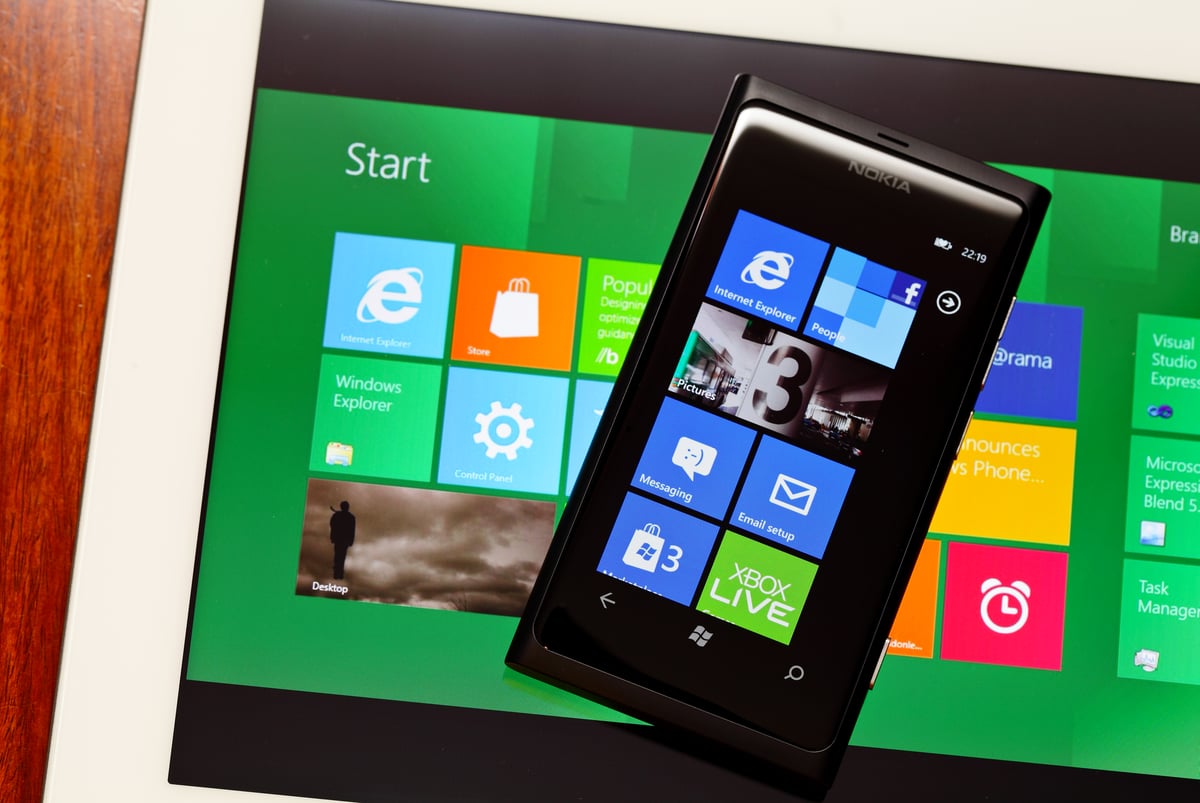
- Historically Cheap: Microsoft stock is currently trading at around 24 times earnings, significantly lower than its historical average over the past decade, making it an attractive investment opportunity, especially after the bear market of 2022, which has drawn investor interest.
- New Agreement with OpenAI: Microsoft is set to benefit from its new agreement with OpenAI in the next fiscal quarter, with projected income rising to $6 billion from the previously anticipated $4 billion, alleviating investor concerns about cash flow while reducing overall exposure to OpenAI.
- Launch of E7 Platform: On May 1, Microsoft launched Microsoft 365 E7 at $99 per user per month, expected to boost revenue by 2.4% to 2.5%, integrating various products and enhancing enterprise management of AI agents, which could lead to significant revenue increases.
- Analyst Optimism: With 95% of analysts rating Microsoft as a buy and a median 12-month price target of $550, approximately 30% above its current price, there is strong market confidence in Microsoft's growth potential moving forward.
See More
Nvidia Launches New AI PC Chip, Transforming Market Dynamics
- Definition of AI PC: Manufacturers claim that AI PCs can process data faster than traditional computers and handle a greater volume of AI tasks directly on the device, reducing reliance on cloud data centers, thereby enhancing user efficiency and experience.
- Market Performance: HP reported that AI-optimized computers accounted for 44% of its PC shipments in Q2, up from over 35% in the previous quarter, driving revenue and profit above expectations, indicating the market potential of AI PCs.
- Technology Application: AI PCs are equipped with neural processing units (NPUs) that work in tandem with CPUs and GPUs to manage complex tasks and enhance processing speeds, thereby supporting applications like AI assistants and increasing product competitiveness.
- Privacy Concerns: Microsoft's
See More

Oklo Develops Small Nuclear Reactors to Address Grid Limitations


- Market Opportunity and Risks: Oklo Inc. is developing its Aurora modular reactor to deliver 15-75 megawatts of carbon-free baseload power, yet this massive market opportunity comes with significant risks and potential dilution for shareholders.
- Key Partnership Agreements: Oklo has inked a crucial deal with data center operator Switch to potentially provide up to 12 gigawatts of power over the next 20 years, while also reaching an agreement with Meta to deliver around 1.2 gigawatts to its Ohio campus by 2030.
- Fuel Recycling Business Development: Oklo is developing a fuel recycling business to convert spent nuclear fuel into usable power sources, aimed at lowering long-term fuel costs and managing critical supply chain risks, thereby enhancing the company's market competitiveness.
- Regulatory Challenges and Execution Risks: While Oklo is pursuing a faster Department of Energy authorization pathway to expedite construction of its first plant, the regulatory approval process for nuclear projects is lengthy and unpredictable, with the company not expecting to generate revenue until at least 2028, facing high execution risks.
See More

Nvidia Unveils RTX Spark Superchip at Computex


- New Chip Launch: Nvidia unveiled the RTX Spark Superchip at Computex in Taipei, developed in collaboration with MediaTek, which integrates a microprocessor and graphics unit to run Microsoft's Windows for Arm OS, set to be featured in various laptops and desktops this fall, significantly enhancing Nvidia's competitive edge in the PC market.
- Increased Market Competition: The introduction of RTX Spark positions Nvidia in direct competition with Intel and AMD's PC processor businesses, resulting in a 1.16% drop in Intel's stock and a 2.15% decline in AMD's stock, indicating strong market interest in Nvidia's new product and its potential impact on market share.
- AI Application Expansion: The new chip is primarily designed to run locally hosted AI agents, and Nvidia also introduced the Vera processor, which reportedly completes agentic tasks 80% faster than current hardware, further solidifying the company's technological leadership in the AI sector.
- Production and Shipping Plans: Nvidia's next-generation Vera Rubin AI platform has entered full production, with shipments expected to begin this fall, marking an expansion of the company's product line across enterprise, data center, and physical AI applications, thereby enhancing its strategic positioning in the rapidly evolving AI market.
See More

ServiceNow Shares Surge 14% as AI Boosts Software Sector Confidence

- Significant Stock Surge: ServiceNow's shares jumped 14% by noon, reflecting increased investor confidence in the positive impact of artificial intelligence on the software industry, indicating a bullish outlook for the company's future growth.
- Sector-Wide Rally: This surge coincided with stronger earnings updates across the software sector, alleviating investor concerns about AI potentially pressuring traditional software vendors, thereby boosting overall market sentiment.
- Recognition of AI Integration Strategy: Investors showed encouragement towards ServiceNow's AI integration strategy and customer feedback on its hybrid pricing model, which not only enhances the company's competitive position but also has the potential to drive future revenue growth.
- Restoration of Market Confidence: This rally suggests that software investors are beginning to reassess the role of AI, viewing it not just as a threat but as a growth driver for the industry, which may attract more capital into related stocks.
See More

Big Tech's Debt Surge Fuels AI Investment Ambitions

- Debt Financing Trend: Year-to-date, AI-related companies have issued approximately $140 billion in investment-grade bonds, accounting for 49% of total investment-grade issuance, indicating a growing reliance on debt financing that may impact future financial stability.
- High-Yield Bond Market: AI-related firms represent 38% of the high-yield corporate bond market with around $21 billion in issuance, suggesting an increasing market appetite for these companies despite the accompanying financial risks.
- Alphabet's Debt Innovation: Alphabet has become the first tech company in decades to issue a 100-year bond, raising $31.51 billion through a global bond offering in February, showcasing its strong market influence and demand for long-term financing.
- Capital Expenditure Plans: Google, Amazon, Microsoft, and Meta collectively plan to increase capital expenditures to $725 billion by 2026, a staggering 77% increase from last year's record of $410 billion, indicating a strong commitment to AI investments but potentially leading to higher debt burdens.
See More
Microsoft Stock Investment Opportunity Arises
- Historically Cheap: Microsoft stock is currently trading at around 24 times earnings, significantly lower than its historical average over the past decade, making it an attractive investment opportunity, especially after the bear market of 2022, which has drawn investor interest.
- New Agreement with OpenAI: Microsoft is set to benefit from its new agreement with OpenAI in the next fiscal quarter, with projected income rising to $6 billion from the previously anticipated $4 billion, alleviating investor concerns about cash flow while reducing overall exposure to OpenAI.
- Launch of E7 Platform: On May 1, Microsoft launched Microsoft 365 E7 at $99 per user per month, expected to boost revenue by 2.4% to 2.5%, integrating various products and enhancing enterprise management of AI agents, which could lead to significant revenue increases.
- Analyst Optimism: With 95% of analysts rating Microsoft as a buy and a median 12-month price target of $550, approximately 30% above its current price, there is strong market confidence in Microsoft's growth potential moving forward.
See More
Nvidia Launches New AI PC Chip, Transforming Market Dynamics
- Definition of AI PC: Manufacturers claim that AI PCs can process data faster than traditional computers and handle a greater volume of AI tasks directly on the device, reducing reliance on cloud data centers, thereby enhancing user efficiency and experience.
- Market Performance: HP reported that AI-optimized computers accounted for 44% of its PC shipments in Q2, up from over 35% in the previous quarter, driving revenue and profit above expectations, indicating the market potential of AI PCs.
- Technology Application: AI PCs are equipped with neural processing units (NPUs) that work in tandem with CPUs and GPUs to manage complex tasks and enhance processing speeds, thereby supporting applications like AI assistants and increasing product competitiveness.
- Privacy Concerns: Microsoft's
See More
Oklo Develops Small Nuclear Reactors to Address Grid Limitations
- Market Opportunity and Risks: Oklo Inc. is developing its Aurora modular reactor to deliver 15-75 megawatts of carbon-free baseload power, yet this massive market opportunity comes with significant risks and potential dilution for shareholders.
- Key Partnership Agreements: Oklo has inked a crucial deal with data center operator Switch to potentially provide up to 12 gigawatts of power over the next 20 years, while also reaching an agreement with Meta to deliver around 1.2 gigawatts to its Ohio campus by 2030.
- Fuel Recycling Business Development: Oklo is developing a fuel recycling business to convert spent nuclear fuel into usable power sources, aimed at lowering long-term fuel costs and managing critical supply chain risks, thereby enhancing the company's market competitiveness.
- Regulatory Challenges and Execution Risks: While Oklo is pursuing a faster Department of Energy authorization pathway to expedite construction of its first plant, the regulatory approval process for nuclear projects is lengthy and unpredictable, with the company not expecting to generate revenue until at least 2028, facing high execution risks.
See More
Nvidia Unveils RTX Spark Superchip at Computex
- New Chip Launch: Nvidia unveiled the RTX Spark Superchip at Computex in Taipei, developed in collaboration with MediaTek, which integrates a microprocessor and graphics unit to run Microsoft's Windows for Arm OS, set to be featured in various laptops and desktops this fall, significantly enhancing Nvidia's competitive edge in the PC market.
- Increased Market Competition: The introduction of RTX Spark positions Nvidia in direct competition with Intel and AMD's PC processor businesses, resulting in a 1.16% drop in Intel's stock and a 2.15% decline in AMD's stock, indicating strong market interest in Nvidia's new product and its potential impact on market share.
- AI Application Expansion: The new chip is primarily designed to run locally hosted AI agents, and Nvidia also introduced the Vera processor, which reportedly completes agentic tasks 80% faster than current hardware, further solidifying the company's technological leadership in the AI sector.
- Production and Shipping Plans: Nvidia's next-generation Vera Rubin AI platform has entered full production, with shipments expected to begin this fall, marking an expansion of the company's product line across enterprise, data center, and physical AI applications, thereby enhancing its strategic positioning in the rapidly evolving AI market.
See More
ServiceNow Shares Surge 14% as AI Boosts Software Sector Confidence
- Significant Stock Surge: ServiceNow's shares jumped 14% by noon, reflecting increased investor confidence in the positive impact of artificial intelligence on the software industry, indicating a bullish outlook for the company's future growth.
- Sector-Wide Rally: This surge coincided with stronger earnings updates across the software sector, alleviating investor concerns about AI potentially pressuring traditional software vendors, thereby boosting overall market sentiment.
- Recognition of AI Integration Strategy: Investors showed encouragement towards ServiceNow's AI integration strategy and customer feedback on its hybrid pricing model, which not only enhances the company's competitive position but also has the potential to drive future revenue growth.
- Restoration of Market Confidence: This rally suggests that software investors are beginning to reassess the role of AI, viewing it not just as a threat but as a growth driver for the industry, which may attract more capital into related stocks.
See More
Big Tech's Debt Surge Fuels AI Investment Ambitions
- Debt Financing Trend: Year-to-date, AI-related companies have issued approximately $140 billion in investment-grade bonds, accounting for 49% of total investment-grade issuance, indicating a growing reliance on debt financing that may impact future financial stability.
- High-Yield Bond Market: AI-related firms represent 38% of the high-yield corporate bond market with around $21 billion in issuance, suggesting an increasing market appetite for these companies despite the accompanying financial risks.
- Alphabet's Debt Innovation: Alphabet has become the first tech company in decades to issue a 100-year bond, raising $31.51 billion through a global bond offering in February, showcasing its strong market influence and demand for long-term financing.
- Capital Expenditure Plans: Google, Amazon, Microsoft, and Meta collectively plan to increase capital expenditures to $725 billion by 2026, a staggering 77% increase from last year's record of $410 billion, indicating a strong commitment to AI investments but potentially leading to higher debt burdens.
See More