Northrop Grumman Partners with Apex to Develop Space-Based Missile Interceptors
Written by Emily J. Thompson, Senior Investment Analyst
Updated: Jun 01 2026
0mins
Source: seekingalpha
- Space Interceptor Initiative: Northrop Grumman (NOC) announced a partnership with Los Angeles-based satellite manufacturer Apex to support U.S. government efforts to expand homeland missile defense capabilities, marking a significant step in evaluating concepts for a space-based interceptor network.
- Investment Background: The company has invested over $1 billion in missile defense technologies and is targeting an initial on-orbit demonstration in 2027, demonstrating its long-term commitment and strategic positioning in new technology development.
- Market Opportunity: The development of space-based interceptors presents a potentially significant long-term opportunity for defense contractors and space companies as the Pentagon explores new missile defense technologies, despite facing major technical, budgetary, and policy hurdles.
- Commercial Partnership Model: Northrop is combining missile defense technologies with commercial partnerships to support Golden Dome objectives, with Apex providing standardized satellite buses to facilitate large-scale deployments of future interceptor constellations.
Trade with 70% Backtested Accuracy
Stop guessing "Should I Buy NOC?" and start using high-conviction signals backed by rigorous historical data.
Sign up today to access powerful investing tools and make smarter, data-driven decisions.
Analyst Views on NOC
Wall Street analysts forecast NOC stock price to rise
13 Analyst Rating
10 Buy
3 Hold
0 Sell
Strong Buy
Current: 544.400

Low
630.00
Averages
684.08
High
770.00
Current: 544.400
Low
630.00
Averages
684.08
High
770.00
About NOC
Northrop Grumman Corporation is a global aerospace and defense technology company. Its segments include Aeronautics Systems, Defense Systems, Mission Systems, and Space Systems. Aeronautics Systems is engaged in the design, development, production, integration, sustainment and modernization of military aircraft systems for the United States Air Force, the United States Navy, other United States government agencies, and international customers. Defense Systems is engaged in the design, engineering, development, integration, and manufacturing of deterrent systems, advanced tactical weapons, and missile defense solutions. Mission Systems is a provider of mission solutions and multifunction systems. Its products and services include command, control, communications and computers, and reconnaissance (C4ISR) systems. Space Systems delivers end-to-end mission solutions through the design, development, integration, production and operation of space, missile defense, and launch systems.
About the author

Emily J. Thompson
Emily J. Thompson, a Chartered Financial Analyst (CFA) with 12 years in investment research, graduated with honors from the Wharton School. Specializing in industrial and technology stocks, she provides in-depth analysis for Intellectia’s earnings and market brief reports.
Iran Fires Missiles at Israel, Ceasefire in Jeopardy


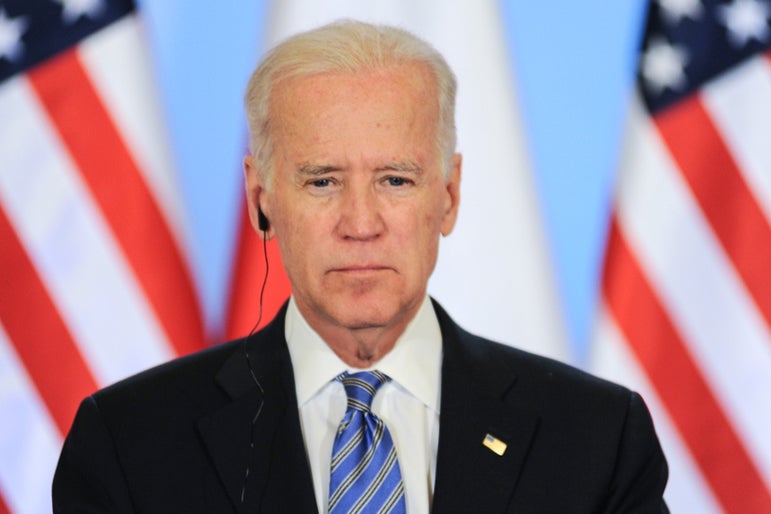
- Missile Attack Incident: Iran has reportedly fired missiles at Israel for the first time since the fragile ceasefire with the U.S. began, potentially escalating regional tensions and complicating future negotiations.
- U.S. Response: President Trump has been briefed on the missile attack and stated that such actions “certainly do not help negotiations,” indicating concerns over the escalation and its implications for U.S. foreign policy in the Middle East.
- Iran's Statement: The Islamic Revolutionary Guard Corps of Iran declared that the ceasefire is contingent upon a halt to hostilities on all fronts, warning that responses would be broader if aggressions are repeated, reflecting a hardline stance on regional conflicts.
- Complex Regional Dynamics: The ongoing conflict between Israel and Iran-backed Hezbollah in Lebanon complicates the fragile ceasefire, placing additional pressure on negotiators and raising the risk of larger military confrontations.
See More
US Representative Urges Taiwan to Boost Drone Investment
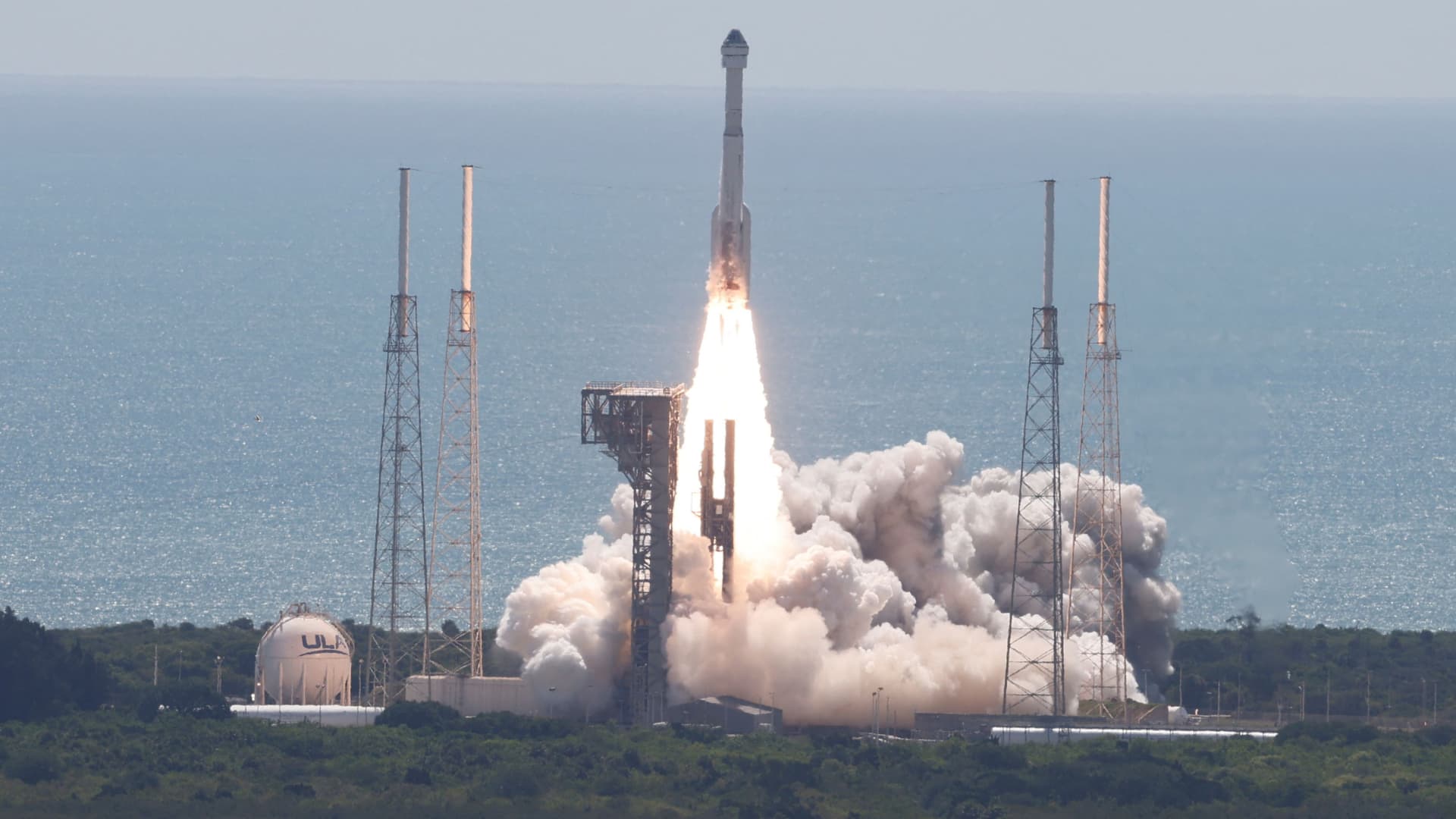
- Defense Spending Optimization: Raymond Greene, the director of the American Institute in Taiwan, emphasized that Taiwan needs to 'spend smarter' on defense, particularly in drones and unmanned systems, to enhance deterrence against China, reflecting a deep understanding of modern warfare dynamics.
- Legislative Approval Challenges: Taiwan's government is seeking legislative approval for a defense spending package that was cut by the opposition, with only about two-thirds of the requested $40 billion supported, highlighting the political environment's impact on defense budgets.
- Continued US Support: Washington has reiterated its backing for Taiwan's plans to increase defense spending and improve military readiness, emphasizing that the US remains Taiwan's most important arms supplier despite the lack of formal diplomatic relations, underlining the economic significance of cross-strait stability.
- Regional Security Linkage: Deputy Mainland Affairs Council Minister Shen Yu-chung stated that Taiwan's security is closely tied to the interests of the broader Indo-Pacific region and democratic partners worldwide, stressing the importance of deterrence through strength to resist any attempts to alter the status quo.
See More

Dow Hits All-Time High as Oil Prices Cool


- Dow's Historic High: The Dow Jones Industrial Average reached an all-time high during a strong trading session, reflecting market optimism about the potential end of the Iran war, despite a weaker performance from the Nasdaq, indicating a divergence in tech stocks.
- Oil Price Decline: Brent crude futures fell by 2.8% to close at $95.03 per barrel, while West Texas Intermediate futures dropped 3.1% to settle at $93.04, suggesting a reduction in market concerns over future supply, which could impact profitability in the energy sector.
- Tech Stock Volatility: Broadcom's stock plummeted approximately 15% after missing revenue expectations, dragging the Nasdaq down nearly 0.1%, highlighting the pressures faced by the tech industry that may affect overall market sentiment.
- SpaceX IPO Festivities: Major Wall Street banks, including Bank of America, JPMorgan, and Morgan Stanley, are hosting lavish events for SpaceX's record $75 billion IPO, which is expected to value the company at $1.75 trillion, further driving market attention towards tech stock performance.
See More
REalloys Secures Dominance in Rare Earth Market


- Investment Expansion: REalloys' $20.6 million investment in the Saskatchewan rare earth processing facility secures exclusive rights to up to 80% of expanded production capacity, including commercial-scale NdPr, dysprosium, and terbium output, showcasing the company's unique competitive advantage in the Western market.
- Supply Chain Integration: Partnering with the Saskatchewan Research Council, REalloys is establishing a mine-to-magnet supply chain, expected to increase NdPr metal output by 25% and double dysprosium and terbium production capacity, addressing imminent defense needs.
- Strategic Partnership: REalloys signed a 15-year offtake agreement with Critical Metals, securing 15% of production from the Tanbreez project in Greenland, ensuring stable rare earth supply and further solidifying its position in the global rare earth market.
- Market Outlook: As the U.S. Department of Defense pushes for non-Chinese rare earth materials, REalloys' strategic positioning not only meets domestic demand but also lays the groundwork for future international market expansion, enhancing the company's significance in the global rare earth supply chain.
See More
REalloys Secures Dominance in Rare Earth Market

- Investment Expansion: REalloys' $20.6 million investment in the Saskatchewan rare earth processing facility secures up to 80% of expanded production capacity, marking the company's unique position in the Western rare earth market.
- Capacity Enhancement: The facility's annual target output is set at 525 tonnes of NdPr, 30 tonnes of terbium, and 15 tonnes of dysprosium, with upgrades expected to increase NdPr metal output by 25% and double dysprosium and terbium production capacity to meet defense needs.
- Supply Chain Integration: REalloys signed a 15-year offtake agreement with Critical Metals, securing 15% of production from the Tanbreez project in Greenland, further solidifying its critical role in the global rare earth supply chain.
- Strategic Implications: As the U.S. Department of Defense pushes for non-Chinese rare earth materials, REalloys' initiatives not only enhance its market competitiveness but also provide essential raw material security for the U.S. defense industry.
See More

Middle East Tensions Impact Market Volatility

- Escalating Middle East Tensions: Israeli Prime Minister Netanyahu stated that Israel and the U.S. are prepared to take military action against Iran if necessary, which pushed oil prices higher despite a ceasefire agreement with Lebanon, highlighting the complexity of the situation.
- U.S. Congressional Response: The U.S. House passed a war powers measure to end military involvement in Iran, reflecting growing congressional pushback against the scope and duration of the conflict, although the measure still needs Senate approval and could face a presidential veto.
- Corporate Earnings Impact: Broadcom's shares plummeted nearly 14% in after-hours trading due to weaker-than-expected software revenue and failure to raise its full-year AI chip sales target, negatively impacting Wall Street's recent tech-led rally.
- Bitcoin Market Dynamics: Long-term holders of Bitcoin have begun selling, with approximately $2.4 billion sold in the past two days, which could significantly affect Bitcoin's supply/demand balance, particularly as 26% of the sold Bitcoin was purchased above $90,000.
See More
Iran Fires Missiles at Israel, Ceasefire in Jeopardy
- Missile Attack Incident: Iran has reportedly fired missiles at Israel for the first time since the fragile ceasefire with the U.S. began, potentially escalating regional tensions and complicating future negotiations.
- U.S. Response: President Trump has been briefed on the missile attack and stated that such actions “certainly do not help negotiations,” indicating concerns over the escalation and its implications for U.S. foreign policy in the Middle East.
- Iran's Statement: The Islamic Revolutionary Guard Corps of Iran declared that the ceasefire is contingent upon a halt to hostilities on all fronts, warning that responses would be broader if aggressions are repeated, reflecting a hardline stance on regional conflicts.
- Complex Regional Dynamics: The ongoing conflict between Israel and Iran-backed Hezbollah in Lebanon complicates the fragile ceasefire, placing additional pressure on negotiators and raising the risk of larger military confrontations.
See More
US Representative Urges Taiwan to Boost Drone Investment
- Defense Spending Optimization: Raymond Greene, the director of the American Institute in Taiwan, emphasized that Taiwan needs to 'spend smarter' on defense, particularly in drones and unmanned systems, to enhance deterrence against China, reflecting a deep understanding of modern warfare dynamics.
- Legislative Approval Challenges: Taiwan's government is seeking legislative approval for a defense spending package that was cut by the opposition, with only about two-thirds of the requested $40 billion supported, highlighting the political environment's impact on defense budgets.
- Continued US Support: Washington has reiterated its backing for Taiwan's plans to increase defense spending and improve military readiness, emphasizing that the US remains Taiwan's most important arms supplier despite the lack of formal diplomatic relations, underlining the economic significance of cross-strait stability.
- Regional Security Linkage: Deputy Mainland Affairs Council Minister Shen Yu-chung stated that Taiwan's security is closely tied to the interests of the broader Indo-Pacific region and democratic partners worldwide, stressing the importance of deterrence through strength to resist any attempts to alter the status quo.
See More
Dow Hits All-Time High as Oil Prices Cool
- Dow's Historic High: The Dow Jones Industrial Average reached an all-time high during a strong trading session, reflecting market optimism about the potential end of the Iran war, despite a weaker performance from the Nasdaq, indicating a divergence in tech stocks.
- Oil Price Decline: Brent crude futures fell by 2.8% to close at $95.03 per barrel, while West Texas Intermediate futures dropped 3.1% to settle at $93.04, suggesting a reduction in market concerns over future supply, which could impact profitability in the energy sector.
- Tech Stock Volatility: Broadcom's stock plummeted approximately 15% after missing revenue expectations, dragging the Nasdaq down nearly 0.1%, highlighting the pressures faced by the tech industry that may affect overall market sentiment.
- SpaceX IPO Festivities: Major Wall Street banks, including Bank of America, JPMorgan, and Morgan Stanley, are hosting lavish events for SpaceX's record $75 billion IPO, which is expected to value the company at $1.75 trillion, further driving market attention towards tech stock performance.
See More
REalloys Secures Dominance in Rare Earth Market
- Investment Expansion: REalloys' $20.6 million investment in the Saskatchewan rare earth processing facility secures exclusive rights to up to 80% of expanded production capacity, including commercial-scale NdPr, dysprosium, and terbium output, showcasing the company's unique competitive advantage in the Western market.
- Supply Chain Integration: Partnering with the Saskatchewan Research Council, REalloys is establishing a mine-to-magnet supply chain, expected to increase NdPr metal output by 25% and double dysprosium and terbium production capacity, addressing imminent defense needs.
- Strategic Partnership: REalloys signed a 15-year offtake agreement with Critical Metals, securing 15% of production from the Tanbreez project in Greenland, ensuring stable rare earth supply and further solidifying its position in the global rare earth market.
- Market Outlook: As the U.S. Department of Defense pushes for non-Chinese rare earth materials, REalloys' strategic positioning not only meets domestic demand but also lays the groundwork for future international market expansion, enhancing the company's significance in the global rare earth supply chain.
See More
REalloys Secures Dominance in Rare Earth Market
- Investment Expansion: REalloys' $20.6 million investment in the Saskatchewan rare earth processing facility secures up to 80% of expanded production capacity, marking the company's unique position in the Western rare earth market.
- Capacity Enhancement: The facility's annual target output is set at 525 tonnes of NdPr, 30 tonnes of terbium, and 15 tonnes of dysprosium, with upgrades expected to increase NdPr metal output by 25% and double dysprosium and terbium production capacity to meet defense needs.
- Supply Chain Integration: REalloys signed a 15-year offtake agreement with Critical Metals, securing 15% of production from the Tanbreez project in Greenland, further solidifying its critical role in the global rare earth supply chain.
- Strategic Implications: As the U.S. Department of Defense pushes for non-Chinese rare earth materials, REalloys' initiatives not only enhance its market competitiveness but also provide essential raw material security for the U.S. defense industry.
See More
Middle East Tensions Impact Market Volatility
- Escalating Middle East Tensions: Israeli Prime Minister Netanyahu stated that Israel and the U.S. are prepared to take military action against Iran if necessary, which pushed oil prices higher despite a ceasefire agreement with Lebanon, highlighting the complexity of the situation.
- U.S. Congressional Response: The U.S. House passed a war powers measure to end military involvement in Iran, reflecting growing congressional pushback against the scope and duration of the conflict, although the measure still needs Senate approval and could face a presidential veto.
- Corporate Earnings Impact: Broadcom's shares plummeted nearly 14% in after-hours trading due to weaker-than-expected software revenue and failure to raise its full-year AI chip sales target, negatively impacting Wall Street's recent tech-led rally.
- Bitcoin Market Dynamics: Long-term holders of Bitcoin have begun selling, with approximately $2.4 billion sold in the past two days, which could significantly affect Bitcoin's supply/demand balance, particularly as 26% of the sold Bitcoin was purchased above $90,000.
See More