

Northrop Grumman Completes Key Flight Test of Jackal Missile
Written by Emily J. Thompson, Senior Investment Analyst
Updated: 2 days ago
0mins
Source: Yahoo Finance
- Missile Test Success: On June 1, Northrop Grumman announced that its next-generation precision-strike missile, Jackal, completed a key flight test, confirming the readiness of its flight systems and showcasing its autonomous navigation and propulsion capabilities, marking another milestone in the company's efforts to deliver reliable weapons for modern battlefields.
- Outstanding Performance Metrics: The Jackal missile achieves speeds exceeding 300 miles per hour, with a range of up to 100 kilometers when launched from the ground and 125 kilometers from the air, enhancing its strike capability and flexibility in combat scenarios.
- AI Technology Application: The AI-backed algorithm of Jackal enables it to detect and tackle threats without a direct line of sight, a technological innovation that not only improves the missile's operational efficiency but also enhances its survivability in complex battlefield environments.
- Dividend Distribution Announcement: Additionally, Northrop Grumman declared a quarterly dividend of $2.47 per share on May 19, scheduled for payment on June 17 to all shareholders on record as of June 1, reflecting the company's commitment to sustained profitability and shareholder returns.
Trade with 70% Backtested Accuracy
Stop guessing "Should I Buy NOC?" and start using high-conviction signals backed by rigorous historical data.
Sign up today to access powerful investing tools and make smarter, data-driven decisions.
Analyst Views on NOC
Wall Street analysts forecast NOC stock price to rise
13 Analyst Rating
10 Buy
3 Hold
0 Sell
Strong Buy
Current: 542.140

Low
630.00
Averages
684.08
High
770.00
Current: 542.140
Low
630.00
Averages
684.08
High
770.00
About NOC
Northrop Grumman Corporation is a global aerospace and defense technology company. Its segments include Aeronautics Systems, Defense Systems, Mission Systems, and Space Systems. Aeronautics Systems is engaged in the design, development, production, integration, sustainment and modernization of military aircraft systems for the United States Air Force, the United States Navy, other United States government agencies, and international customers. Defense Systems is engaged in the design, engineering, development, integration, and manufacturing of deterrent systems, advanced tactical weapons, and missile defense solutions. Mission Systems is a provider of mission solutions and multifunction systems. Its products and services include command, control, communications and computers, and reconnaissance (C4ISR) systems. Space Systems delivers end-to-end mission solutions through the design, development, integration, production and operation of space, missile defense, and launch systems.
About the author

Emily J. Thompson
Emily J. Thompson, a Chartered Financial Analyst (CFA) with 12 years in investment research, graduated with honors from the Wharton School. Specializing in industrial and technology stocks, she provides in-depth analysis for Intellectia’s earnings and market brief reports.

Northrop Grumman Completes Key Flight Test of Jackal Missile

- Missile Test Success: On June 1, Northrop Grumman announced that its next-generation precision-strike missile, Jackal, completed a key flight test, confirming the readiness of its flight systems and showcasing its autonomous navigation and propulsion capabilities, marking another milestone in the company's efforts to deliver reliable weapons for modern battlefields.
- Outstanding Performance Metrics: The Jackal missile achieves speeds exceeding 300 miles per hour, with a range of up to 100 kilometers when launched from the ground and 125 kilometers from the air, enhancing its strike capability and flexibility in combat scenarios.
- AI Technology Application: The AI-backed algorithm of Jackal enables it to detect and tackle threats without a direct line of sight, a technological innovation that not only improves the missile's operational efficiency but also enhances its survivability in complex battlefield environments.
- Dividend Distribution Announcement: Additionally, Northrop Grumman declared a quarterly dividend of $2.47 per share on May 19, scheduled for payment on June 17 to all shareholders on record as of June 1, reflecting the company's commitment to sustained profitability and shareholder returns.
See More

SpaceX IPO to Challenge Wall Street Norms


- Strategic Tech Positioning: SpaceX is set to be the primary launch provider for the U.S. government in 2025, executing 11 out of 12 National Security Space Launch missions, highlighting its critical role in national security and expected revenue growth.
- Satellite Network Dominance: As of March 31, SpaceX operates 10,000 Starlink satellites, accounting for 75% of all maneuverable satellites in orbit, with subscribers increasing from 5 million to 10.3 million in a year, indicating its rising importance in global communication infrastructure.
- Pricing Power Advantage: Unlike traditional defense contractors, SpaceX combines government contracts with a robust commercial business, providing it with greater flexibility and potential for pricing and growth, straddling the line between defense and tech.
- Regulatory Risk Considerations: While its strategic status brings contracts and political support, SpaceX's government work also entails unique risks related to compliance and cybersecurity, and as its importance in U.S. launch and communication infrastructure grows, so too may its obligations.
See More

SpaceX IPO Captivates Wall Street with Strategic Tech Appeal

- Strategic Tech Positioning: SpaceX's IPO, set to begin trading on Friday, positions it as the primary launch provider for the U.S. government in 2025, expected to execute 11 out of 12 National Security Space Launch missions, highlighting its critical role in national security and market potential.
- Satellite Network Expansion: As of March 31, SpaceX operates 10,000 Starlink satellites in low Earth orbit, accounting for 75% of all maneuverable satellites, with 10.3 million subscribers, more than double last year's figures, indicating its pivotal role in global communication infrastructure.
- Valuation Challenges: Unlike traditional defense contractors, SpaceX's business model aligns more with tech platforms, possessing pricing power and growth potential, while approximately one-fifth of its revenue comes from U.S. federal agencies, underscoring its irreplaceable role in government operations.
- Regulatory Risk Considerations: As SpaceX's centrality in U.S. launch and communication infrastructure increases, it faces heightened compliance risks and government oversight, which could impact its future market performance and valuation.
See More

US Inflation Hits Three-Year High Amid Geopolitical Tensions


- Rising Inflation: The US consumer price index rose to an annual rate of 4.2% in May, with Trump expressing optimism that prices will drop sharply once the conflict with Iran concludes, reflecting a potentially misleading confidence in economic stability amidst rising costs.
- Geopolitical Tensions: US airstrikes on Iran have escalated tensions in the Strait of Hormuz, driving oil prices higher, with July crude futures increasing by 2.94% to $92.68 per barrel and Brent futures rising by 2.52% to $95.45, indicating market sensitivity to energy price fluctuations.
- Market Volatility: Amid rising inflation and energy prices, Wall Street faced significant declines on Wednesday, with the Dow dropping over 900 points, highlighting investor concerns about future economic prospects, particularly as chip stocks experienced substantial sell-offs.
- Meta's Investment in India: Meta has agreed to lease an AI-enabled data center with a capacity of 168 megawatts from Reliance Industries in India, expected to be delivered within two years, which will enhance Meta's global AI infrastructure and demonstrate its long-term commitment to the Indian market.
See More
Iran Fires Missiles at Israel, Ceasefire in Jeopardy
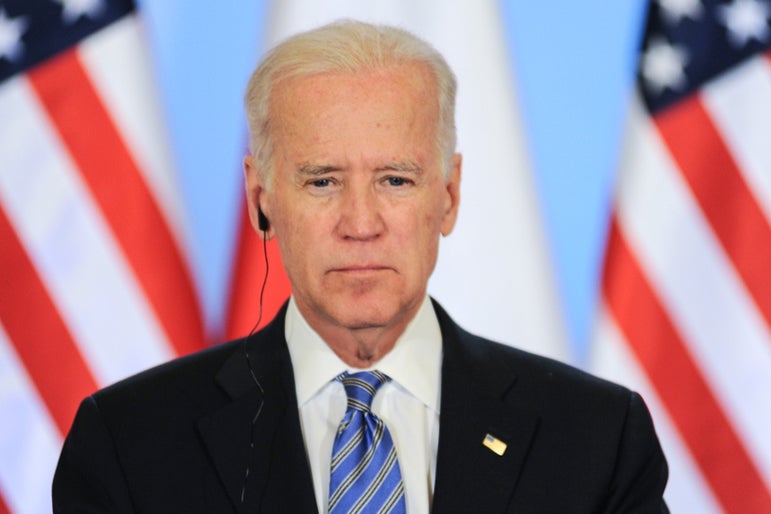
- Missile Attack Incident: Iran has reportedly fired missiles at Israel for the first time since the fragile ceasefire with the U.S. began, potentially escalating regional tensions and complicating future negotiations.
- U.S. Response: President Trump has been briefed on the missile attack and stated that such actions “certainly do not help negotiations,” indicating concerns over the escalation and its implications for U.S. foreign policy in the Middle East.
- Iran's Statement: The Islamic Revolutionary Guard Corps of Iran declared that the ceasefire is contingent upon a halt to hostilities on all fronts, warning that responses would be broader if aggressions are repeated, reflecting a hardline stance on regional conflicts.
- Complex Regional Dynamics: The ongoing conflict between Israel and Iran-backed Hezbollah in Lebanon complicates the fragile ceasefire, placing additional pressure on negotiators and raising the risk of larger military confrontations.
See More
US Representative Urges Taiwan to Boost Drone Investment
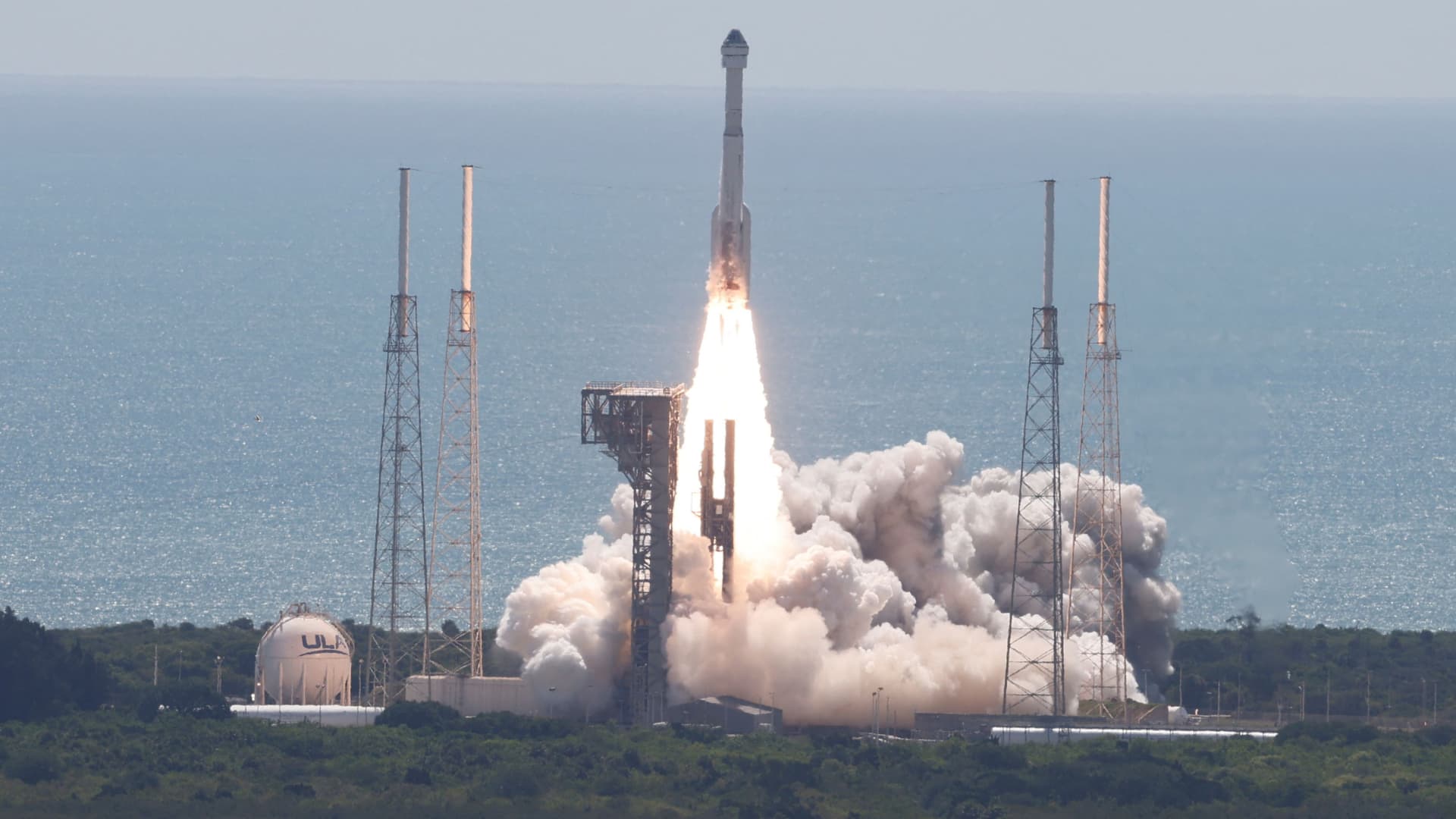
- Defense Spending Optimization: Raymond Greene, the director of the American Institute in Taiwan, emphasized that Taiwan needs to 'spend smarter' on defense, particularly in drones and unmanned systems, to enhance deterrence against China, reflecting a deep understanding of modern warfare dynamics.
- Legislative Approval Challenges: Taiwan's government is seeking legislative approval for a defense spending package that was cut by the opposition, with only about two-thirds of the requested $40 billion supported, highlighting the political environment's impact on defense budgets.
- Continued US Support: Washington has reiterated its backing for Taiwan's plans to increase defense spending and improve military readiness, emphasizing that the US remains Taiwan's most important arms supplier despite the lack of formal diplomatic relations, underlining the economic significance of cross-strait stability.
- Regional Security Linkage: Deputy Mainland Affairs Council Minister Shen Yu-chung stated that Taiwan's security is closely tied to the interests of the broader Indo-Pacific region and democratic partners worldwide, stressing the importance of deterrence through strength to resist any attempts to alter the status quo.
See More
Northrop Grumman Completes Key Flight Test of Jackal Missile
- Missile Test Success: On June 1, Northrop Grumman announced that its next-generation precision-strike missile, Jackal, completed a key flight test, confirming the readiness of its flight systems and showcasing its autonomous navigation and propulsion capabilities, marking another milestone in the company's efforts to deliver reliable weapons for modern battlefields.
- Outstanding Performance Metrics: The Jackal missile achieves speeds exceeding 300 miles per hour, with a range of up to 100 kilometers when launched from the ground and 125 kilometers from the air, enhancing its strike capability and flexibility in combat scenarios.
- AI Technology Application: The AI-backed algorithm of Jackal enables it to detect and tackle threats without a direct line of sight, a technological innovation that not only improves the missile's operational efficiency but also enhances its survivability in complex battlefield environments.
- Dividend Distribution Announcement: Additionally, Northrop Grumman declared a quarterly dividend of $2.47 per share on May 19, scheduled for payment on June 17 to all shareholders on record as of June 1, reflecting the company's commitment to sustained profitability and shareholder returns.
See More
SpaceX IPO to Challenge Wall Street Norms
- Strategic Tech Positioning: SpaceX is set to be the primary launch provider for the U.S. government in 2025, executing 11 out of 12 National Security Space Launch missions, highlighting its critical role in national security and expected revenue growth.
- Satellite Network Dominance: As of March 31, SpaceX operates 10,000 Starlink satellites, accounting for 75% of all maneuverable satellites in orbit, with subscribers increasing from 5 million to 10.3 million in a year, indicating its rising importance in global communication infrastructure.
- Pricing Power Advantage: Unlike traditional defense contractors, SpaceX combines government contracts with a robust commercial business, providing it with greater flexibility and potential for pricing and growth, straddling the line between defense and tech.
- Regulatory Risk Considerations: While its strategic status brings contracts and political support, SpaceX's government work also entails unique risks related to compliance and cybersecurity, and as its importance in U.S. launch and communication infrastructure grows, so too may its obligations.
See More
SpaceX IPO Captivates Wall Street with Strategic Tech Appeal
- Strategic Tech Positioning: SpaceX's IPO, set to begin trading on Friday, positions it as the primary launch provider for the U.S. government in 2025, expected to execute 11 out of 12 National Security Space Launch missions, highlighting its critical role in national security and market potential.
- Satellite Network Expansion: As of March 31, SpaceX operates 10,000 Starlink satellites in low Earth orbit, accounting for 75% of all maneuverable satellites, with 10.3 million subscribers, more than double last year's figures, indicating its pivotal role in global communication infrastructure.
- Valuation Challenges: Unlike traditional defense contractors, SpaceX's business model aligns more with tech platforms, possessing pricing power and growth potential, while approximately one-fifth of its revenue comes from U.S. federal agencies, underscoring its irreplaceable role in government operations.
- Regulatory Risk Considerations: As SpaceX's centrality in U.S. launch and communication infrastructure increases, it faces heightened compliance risks and government oversight, which could impact its future market performance and valuation.
See More
US Inflation Hits Three-Year High Amid Geopolitical Tensions
- Rising Inflation: The US consumer price index rose to an annual rate of 4.2% in May, with Trump expressing optimism that prices will drop sharply once the conflict with Iran concludes, reflecting a potentially misleading confidence in economic stability amidst rising costs.
- Geopolitical Tensions: US airstrikes on Iran have escalated tensions in the Strait of Hormuz, driving oil prices higher, with July crude futures increasing by 2.94% to $92.68 per barrel and Brent futures rising by 2.52% to $95.45, indicating market sensitivity to energy price fluctuations.
- Market Volatility: Amid rising inflation and energy prices, Wall Street faced significant declines on Wednesday, with the Dow dropping over 900 points, highlighting investor concerns about future economic prospects, particularly as chip stocks experienced substantial sell-offs.
- Meta's Investment in India: Meta has agreed to lease an AI-enabled data center with a capacity of 168 megawatts from Reliance Industries in India, expected to be delivered within two years, which will enhance Meta's global AI infrastructure and demonstrate its long-term commitment to the Indian market.
See More
Iran Fires Missiles at Israel, Ceasefire in Jeopardy
- Missile Attack Incident: Iran has reportedly fired missiles at Israel for the first time since the fragile ceasefire with the U.S. began, potentially escalating regional tensions and complicating future negotiations.
- U.S. Response: President Trump has been briefed on the missile attack and stated that such actions “certainly do not help negotiations,” indicating concerns over the escalation and its implications for U.S. foreign policy in the Middle East.
- Iran's Statement: The Islamic Revolutionary Guard Corps of Iran declared that the ceasefire is contingent upon a halt to hostilities on all fronts, warning that responses would be broader if aggressions are repeated, reflecting a hardline stance on regional conflicts.
- Complex Regional Dynamics: The ongoing conflict between Israel and Iran-backed Hezbollah in Lebanon complicates the fragile ceasefire, placing additional pressure on negotiators and raising the risk of larger military confrontations.
See More
US Representative Urges Taiwan to Boost Drone Investment
- Defense Spending Optimization: Raymond Greene, the director of the American Institute in Taiwan, emphasized that Taiwan needs to 'spend smarter' on defense, particularly in drones and unmanned systems, to enhance deterrence against China, reflecting a deep understanding of modern warfare dynamics.
- Legislative Approval Challenges: Taiwan's government is seeking legislative approval for a defense spending package that was cut by the opposition, with only about two-thirds of the requested $40 billion supported, highlighting the political environment's impact on defense budgets.
- Continued US Support: Washington has reiterated its backing for Taiwan's plans to increase defense spending and improve military readiness, emphasizing that the US remains Taiwan's most important arms supplier despite the lack of formal diplomatic relations, underlining the economic significance of cross-strait stability.
- Regional Security Linkage: Deputy Mainland Affairs Council Minister Shen Yu-chung stated that Taiwan's security is closely tied to the interests of the broader Indo-Pacific region and democratic partners worldwide, stressing the importance of deterrence through strength to resist any attempts to alter the status quo.
See More



