Northrop Grumman Awarded Maximum $697M Contract
Northrop Grumman was awarded a maximum ceiling $697M, firm-fixed-price and cost-plus-fixed-fee, basic ordering agreement for the procurement of follow-on sustainment engineering and logistics services for program manager expeditionary radars. The work to be performed includes engineering changes, contractor logistics support, depot life cycle support, software support activity support, diminishing manufacturing sources and material shortages support, technical refresh, and studies and analyses. Additionally, the SELS BOA will provide for operational spares buys, as well as software development for current and future radar systems. Work locations will be determined by individual task orders and is expected to be completed by May 14, 2031. No funds will be obligated at the time of award. Funds will be obligated on individual task orders as they are issued. Portfolio Acquisition Executive Marine Corps is the contracting activity.
Trade with 70% Backtested Accuracy
Analyst Views on NOC

About NOC
About the author

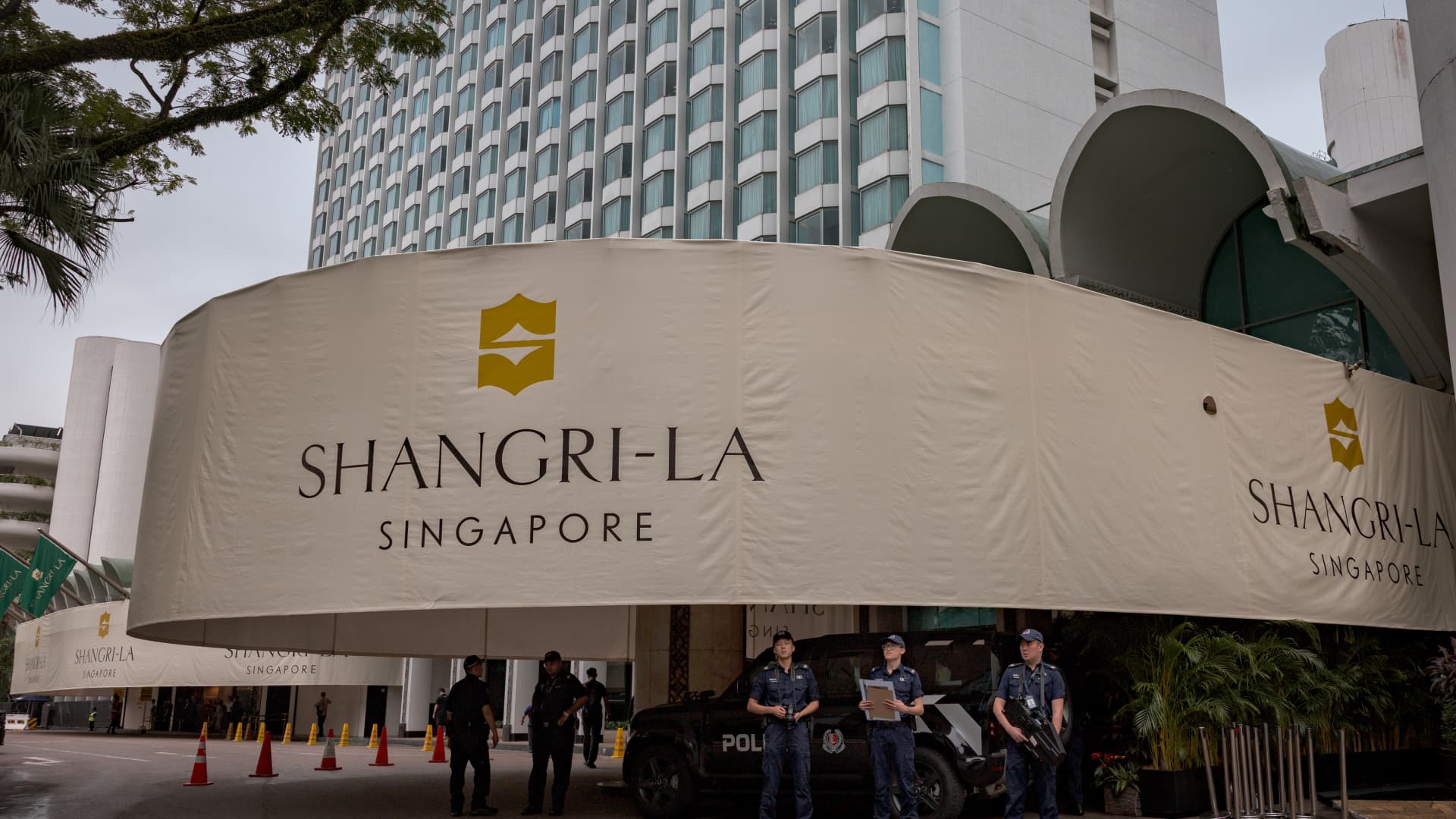
Shangri-La Dialogue Highlights Defense Spending and China’s Role


- Increased Defense Spending: Countries are generally accepting the need to boost defense budgets, with Japan, the Philippines, and the Netherlands planning increases, reflecting heightened security concerns that could drive growth in military industries.
- China's Delegation Absence: China's failure to send its defense minister has led to disappointment among attendees regarding the lack of high-level dialogue, potentially impacting China's diplomatic image and influence in the Asia-Pacific region.
- Lessons from Ukraine: Attendees showed keen interest in the asymmetric warfare strategies used in Ukraine, with many countries looking to adopt these lessons to enhance their defense capabilities, which may lead to significant shifts in global defense strategies.
- Tensions between China and Japan: Chinese representatives questioned Japan's military spending increases, while Japan accused China of lacking transparency, with the exchange of barbs likely exacerbating regional tensions and affecting future security cooperation.

Astroscale Partners with SKY Perfect JSAT for On-Orbit Services

- Strategic Partnership: Japanese space companies Astroscale and SKY Perfect JSAT have formed a strategic partnership to develop on-orbit satellite services, with SKY Perfect investing 800 million yen (approximately $5 million) to support Astroscale's growth, although this investment appears minor compared to the total funding round of 30.6 billion yen ($192.2 million).
- Competitive Market Pressure: Astroscale faces intense competition from multiple U.S. companies, including Blue Origin and Northrop Grumman, which have successfully executed commercial on-orbit missions, necessitating Astroscale to accelerate its efforts to remain relevant in the market.
- Financial Challenges: Currently unprofitable, Astroscale is burning through $96 million annually, with analysts projecting that it will not achieve profitability until 2029 and will continue to experience cash burn until 2030, posing significant challenges for its future development.
- Industry Outlook: Despite the uncertain market outlook for Astroscale, the partnership with SKY Perfect may provide essential financial backing, enabling it to secure a foothold in the rapidly evolving on-orbit services market, particularly in satellite lifespan extension and orbital debris removal.

Astroscale Partners with SKY Perfect JSAT for On-Orbit Services
- Market Dynamics: With the SpaceX IPO approaching, investor enthusiasm for space stocks has surged, with AST SpaceMobile and Rocket Lab seeing share price increases of 43% and 65% this month, while Tesla also gained 11.5% due to the surrounding excitement.
- Partnership Formation: Astroscale has formed a strategic partnership with SKY Perfect JSAT, which will invest 800 million yen (approximately $5 million); although this investment is small compared to the total funding round of 30.6 billion yen ($192.2 million), it could provide Astroscale with essential support to expand its on-orbit services business.
- Competitive Landscape: Astroscale faces fierce competition from companies like Blue Origin and Firefly Aerospace, which have already established a foothold in the on-orbit services market, necessitating that Astroscale accelerates its efforts to avoid being left behind.
- Financial Challenges: Currently unprofitable, Astroscale is burning through $96 million annually, with analysts projecting it won't achieve profitability until 2029 and won't stop burning cash until 2030, raising doubts about whether SKY Perfect's investment will be sufficient to help it survive.

U.S. Defense Secretary Emphasizes Asia-Pacific Security


- Asia-Pacific Balance: U.S. Secretary of Defense Pete Hegseth emphasized at the Shangri-La Dialogue in Singapore that the U.S. is committed to maintaining equilibrium in the Asia-Pacific region, highlighting the importance of collaboration with allies, particularly in countering China's military expansion.
- Defense Spending Requirements: Hegseth stated that the U.S. demands allies to increase defense spending to 3.5% of GDP, promising to prioritize cooperation with these 'model allies' to expedite arms sales and enhance intelligence sharing, thereby strengthening collective defense capabilities.
- Warning to China: He warned China against disrupting the status quo, asserting that concerns over China's military buildup in the Asia-Pacific are 'rightful' and reaffirming America's longstanding position in the region, emphasizing that the U.S. is a Pacific nation.
- European Allies' Responsibilities: Hegseth criticized European allies for not shouldering their fair share of defense responsibilities, pointing out that the U.S. bears an excessive security burden and urging European nations to engage more actively in regional security matters to uphold the global order.
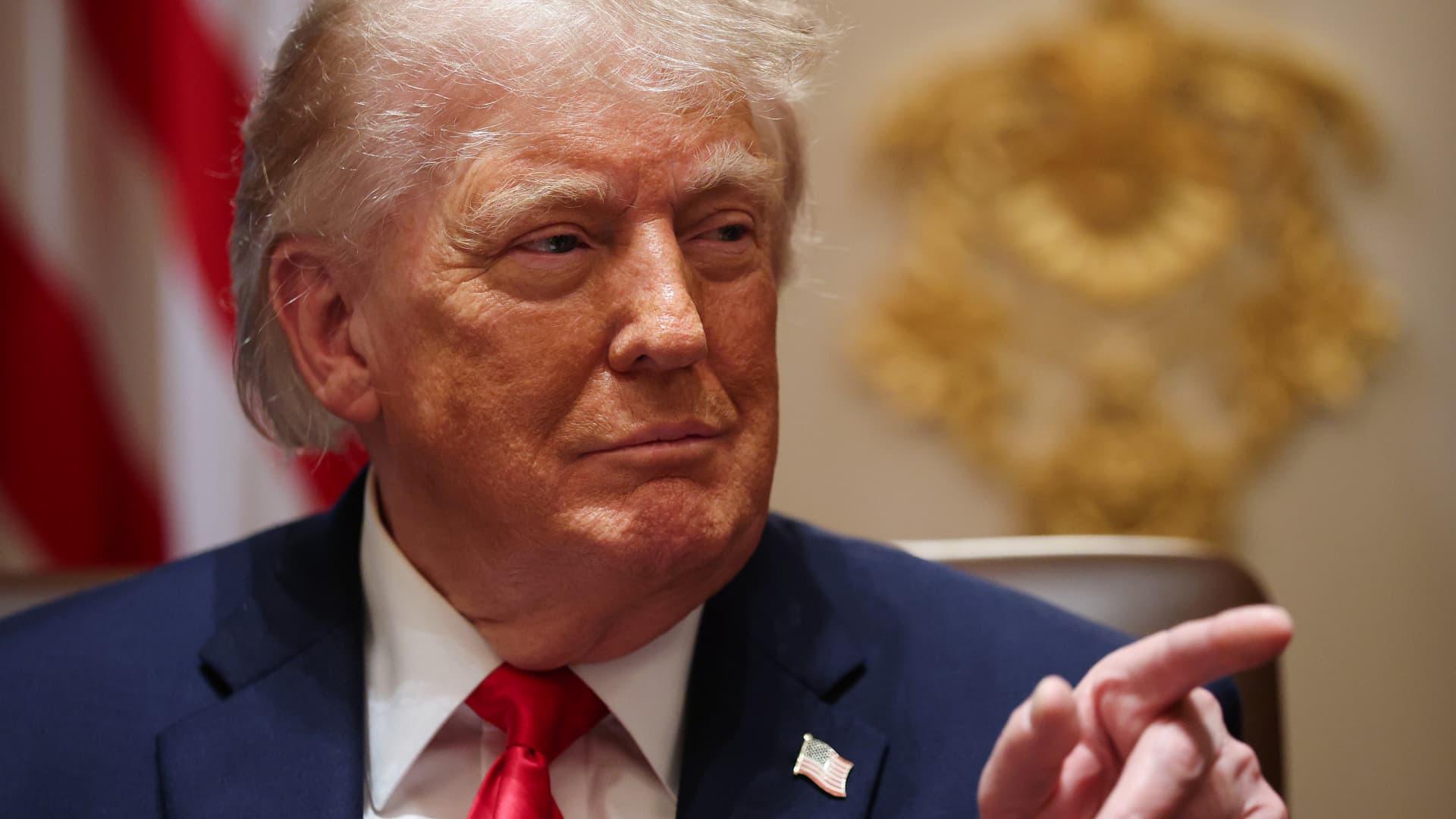
US-Iran Conflict Escalates, Oil Prices Surge Amid Economic Uncertainty

- Escalation of US-Iran Conflict: Following weeks of paused action, the US and Iran have resumed airstrikes, complicating hopes for a permanent resolution to the conflict, which is impacting global oil supplies and market sentiment.
- Strong Stock Market Performance: Despite rising geopolitical tensions, both the S&P 500 and Nasdaq Composite closed at record highs, primarily driven by a surge in AI-related stocks, indicating strong market confidence in the technology sector.
- Oil Price Warning: ExxonMobil has warned that oil inventories are on track to reach dangerously low levels in the coming weeks, forcing prices to spike and curbing demand, reflecting market concerns over energy supply.
- Wealthy Investors Pulling Out: According to the UBS Global Family Office Report, 60% of family offices plan to adjust their investment allocations in the next year, with many reducing US holdings and increasing exposure to emerging markets, highlighting a growing trend of 'de-dollarization'.

Northrop Grumman Projects Optimistic Growth Amid Rising Global Tensions
- Rising Demand: Northrop Grumman's CEO Kathy Warden highlighted a significant increase in product demand due to escalating global tensions and rising military spending, with expectations for accelerated sales growth by 2027, enhancing the company's competitiveness in the defense market.
- Defense Budget Support: Warden noted that the proposed $1.15 trillion defense budget by the Trump administration broadly supports the company's existing programs and growth plans, reflecting strong bipartisan support for national security spending, which is expected to yield additional funding.
- B-21 Bomber Program Progress: Despite facing production challenges, Warden expressed pride in the execution of the B-21 Raider bomber program, calling it a
Shangri-La Dialogue Highlights Defense Spending and China’s Role
- Increased Defense Spending: Countries are generally accepting the need to boost defense budgets, with Japan, the Philippines, and the Netherlands planning increases, reflecting heightened security concerns that could drive growth in military industries.
- China's Delegation Absence: China's failure to send its defense minister has led to disappointment among attendees regarding the lack of high-level dialogue, potentially impacting China's diplomatic image and influence in the Asia-Pacific region.
- Lessons from Ukraine: Attendees showed keen interest in the asymmetric warfare strategies used in Ukraine, with many countries looking to adopt these lessons to enhance their defense capabilities, which may lead to significant shifts in global defense strategies.
- Tensions between China and Japan: Chinese representatives questioned Japan's military spending increases, while Japan accused China of lacking transparency, with the exchange of barbs likely exacerbating regional tensions and affecting future security cooperation.
Astroscale Partners with SKY Perfect JSAT for On-Orbit Services
- Strategic Partnership: Japanese space companies Astroscale and SKY Perfect JSAT have formed a strategic partnership to develop on-orbit satellite services, with SKY Perfect investing 800 million yen (approximately $5 million) to support Astroscale's growth, although this investment appears minor compared to the total funding round of 30.6 billion yen ($192.2 million).
- Competitive Market Pressure: Astroscale faces intense competition from multiple U.S. companies, including Blue Origin and Northrop Grumman, which have successfully executed commercial on-orbit missions, necessitating Astroscale to accelerate its efforts to remain relevant in the market.
- Financial Challenges: Currently unprofitable, Astroscale is burning through $96 million annually, with analysts projecting that it will not achieve profitability until 2029 and will continue to experience cash burn until 2030, posing significant challenges for its future development.
- Industry Outlook: Despite the uncertain market outlook for Astroscale, the partnership with SKY Perfect may provide essential financial backing, enabling it to secure a foothold in the rapidly evolving on-orbit services market, particularly in satellite lifespan extension and orbital debris removal.
Astroscale Partners with SKY Perfect JSAT for On-Orbit Services
- Market Dynamics: With the SpaceX IPO approaching, investor enthusiasm for space stocks has surged, with AST SpaceMobile and Rocket Lab seeing share price increases of 43% and 65% this month, while Tesla also gained 11.5% due to the surrounding excitement.
- Partnership Formation: Astroscale has formed a strategic partnership with SKY Perfect JSAT, which will invest 800 million yen (approximately $5 million); although this investment is small compared to the total funding round of 30.6 billion yen ($192.2 million), it could provide Astroscale with essential support to expand its on-orbit services business.
- Competitive Landscape: Astroscale faces fierce competition from companies like Blue Origin and Firefly Aerospace, which have already established a foothold in the on-orbit services market, necessitating that Astroscale accelerates its efforts to avoid being left behind.
- Financial Challenges: Currently unprofitable, Astroscale is burning through $96 million annually, with analysts projecting it won't achieve profitability until 2029 and won't stop burning cash until 2030, raising doubts about whether SKY Perfect's investment will be sufficient to help it survive.
U.S. Defense Secretary Emphasizes Asia-Pacific Security
- Asia-Pacific Balance: U.S. Secretary of Defense Pete Hegseth emphasized at the Shangri-La Dialogue in Singapore that the U.S. is committed to maintaining equilibrium in the Asia-Pacific region, highlighting the importance of collaboration with allies, particularly in countering China's military expansion.
- Defense Spending Requirements: Hegseth stated that the U.S. demands allies to increase defense spending to 3.5% of GDP, promising to prioritize cooperation with these 'model allies' to expedite arms sales and enhance intelligence sharing, thereby strengthening collective defense capabilities.
- Warning to China: He warned China against disrupting the status quo, asserting that concerns over China's military buildup in the Asia-Pacific are 'rightful' and reaffirming America's longstanding position in the region, emphasizing that the U.S. is a Pacific nation.
- European Allies' Responsibilities: Hegseth criticized European allies for not shouldering their fair share of defense responsibilities, pointing out that the U.S. bears an excessive security burden and urging European nations to engage more actively in regional security matters to uphold the global order.
US-Iran Conflict Escalates, Oil Prices Surge Amid Economic Uncertainty
- Escalation of US-Iran Conflict: Following weeks of paused action, the US and Iran have resumed airstrikes, complicating hopes for a permanent resolution to the conflict, which is impacting global oil supplies and market sentiment.
- Strong Stock Market Performance: Despite rising geopolitical tensions, both the S&P 500 and Nasdaq Composite closed at record highs, primarily driven by a surge in AI-related stocks, indicating strong market confidence in the technology sector.
- Oil Price Warning: ExxonMobil has warned that oil inventories are on track to reach dangerously low levels in the coming weeks, forcing prices to spike and curbing demand, reflecting market concerns over energy supply.
- Wealthy Investors Pulling Out: According to the UBS Global Family Office Report, 60% of family offices plan to adjust their investment allocations in the next year, with many reducing US holdings and increasing exposure to emerging markets, highlighting a growing trend of 'de-dollarization'.
Northrop Grumman Projects Optimistic Growth Amid Rising Global Tensions
- Rising Demand: Northrop Grumman's CEO Kathy Warden highlighted a significant increase in product demand due to escalating global tensions and rising military spending, with expectations for accelerated sales growth by 2027, enhancing the company's competitiveness in the defense market.
- Defense Budget Support: Warden noted that the proposed $1.15 trillion defense budget by the Trump administration broadly supports the company's existing programs and growth plans, reflecting strong bipartisan support for national security spending, which is expected to yield additional funding.
- B-21 Bomber Program Progress: Despite facing production challenges, Warden expressed pride in the execution of the B-21 Raider bomber program, calling it a