Negotiations Stalled Between GM Supplier and Union Amid Strike
Written by Emily J. Thompson, Senior Investment Analyst
Updated: Jun 02 2026
0mins

Source: Newsfilter
- Negotiation Stalemate: Since the union initiated a strike against GM supplier Dauch Corp on Sunday, negotiations have not resumed, indicating unresolved differences over wages and benefits as the union chairman noted the company has not reached out to continue discussions.
- Worker Protests: Dozens of Dauch employees have been picketing outside the Three Rivers, Michigan plant since Monday, which primarily produces axles for GM's profitable pickup trucks, and this protest could potentially disrupt production schedules.
- Supply Chain Pressure: The union chairman revealed that GM currently has only about two weeks' worth of axle supply to maintain production, and if negotiations do not reach a swift resolution, it could lead to production halts, impacting the company's overall operations and profitability.
- Wage Demands: The union is pushing for an increase in top wages from the current $22 per hour to over $30, and despite a $4 wage increase since 2008, workers are seeking better treatment regarding work-life balance and healthcare benefits.
Trade with 70% Backtested Accuracy
Stop guessing "Should I Buy GM?" and start using high-conviction signals backed by rigorous historical data.
Sign up today to access powerful investing tools and make smarter, data-driven decisions.
Analyst Views on GM
Wall Street analysts forecast GM stock price to rise
19 Analyst Rating
14 Buy
4 Hold
1 Sell
Moderate Buy
Current: 75.520

Low
57.00
Averages
95.06
High
122.00
Current: 75.520
Low
57.00
Averages
95.06
High
122.00
About GM
General Motors Company designs, builds and sells trucks, crossovers, cars and automobile parts and provides software-enabled services and subscriptions worldwide. The Company's segments include GMNA, GMI and GM Financial. Its GM North America (GMNA) and GM International (GMI) segment develop, manufacture and/or markets vehicles under the Buick, Cadillac, Chevrolet and GMC brands. The Company's GM Financial segment provides automotive financing and related services. The Company is also focused on investing in electric vehicles (EVs) and autonomous vehicles (Avs), software-enabled services and subscriptions and new business opportunities. The Company's portfolio includes OnStar, GM Energy, GM Insurance, GM Genuine Parts, and the GM Company Store. Its OnStar portfolio offers safety, connectivity and hands-free driver assistance technologies. Its GM Energy provides Home EV Charging, Public EV Charging, Vehicle-To-Home and Energy Storage services.
About the author

Emily J. Thompson
Emily J. Thompson, a Chartered Financial Analyst (CFA) with 12 years in investment research, graduated with honors from the Wharton School. Specializing in industrial and technology stocks, she provides in-depth analysis for Intellectia’s earnings and market brief reports.
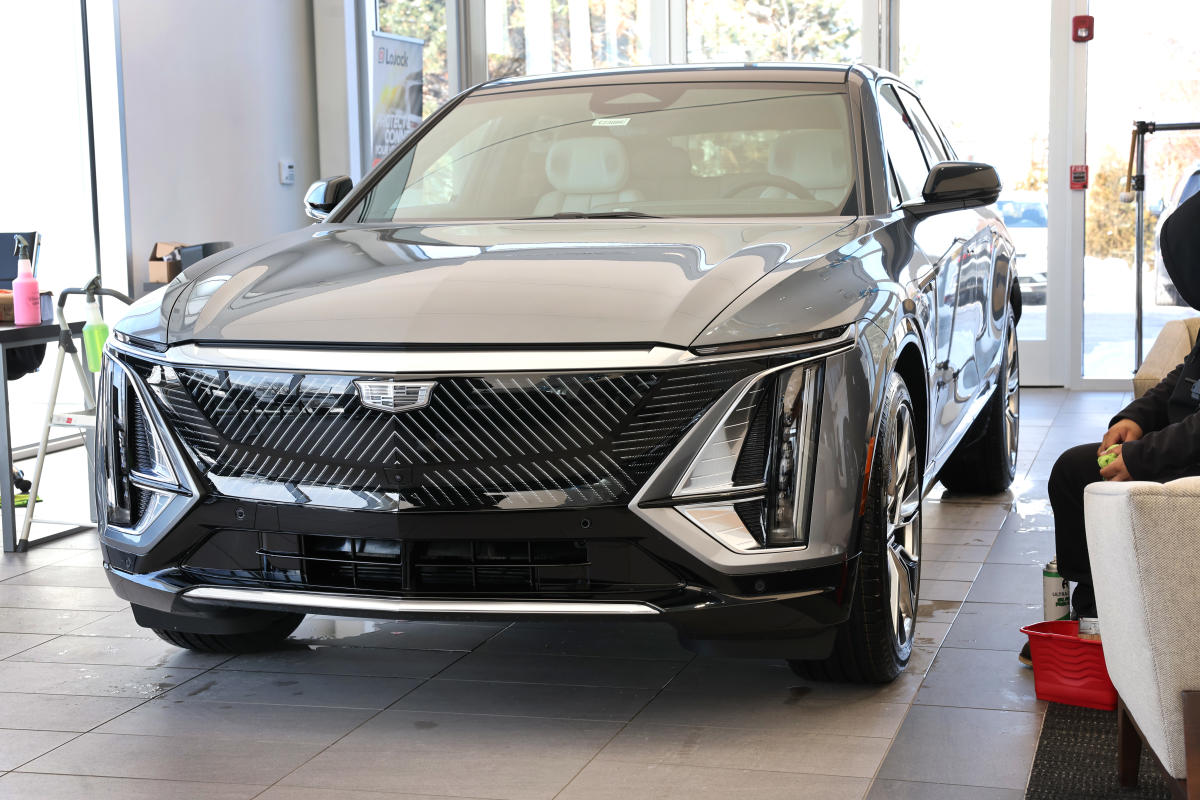
Investment Comparison: General Motors vs. Lucid Group

- GM Profitability: In FY 2025, General Motors reported nearly $185 billion in revenue, a slight 1.3% decrease year-over-year, yet achieved a net income of approximately $2.7 billion, demonstrating profitability and market stability during heavy capital investments.
- Lucid Growth Potential: Lucid generated nearly $1.4 billion in revenue in FY 2025, reflecting a significant growth rate of 67.6%, but reported a net loss of close to $2.7 billion, resulting in a negative net margin of approximately 199.3%, highlighting the intense competition and high-risk nature of the luxury EV market.
- Financial Health Comparison: As of December 2025, GM's current ratio stood at 1.2 and its debt-to-equity ratio at 2.1, indicating strong short-term debt coverage; in contrast, Lucid's current ratio was 1.02 with a debt-to-equity ratio of 4.05, suggesting a more vulnerable financial structure.
- Market Competition and Challenges: GM faces fierce competition from Tesla and declining profitability in China, while Lucid has implemented an 18% workforce reduction due to production delays and significant operating losses, illustrating the distinct challenges and strategies each company faces in their respective markets.
See More
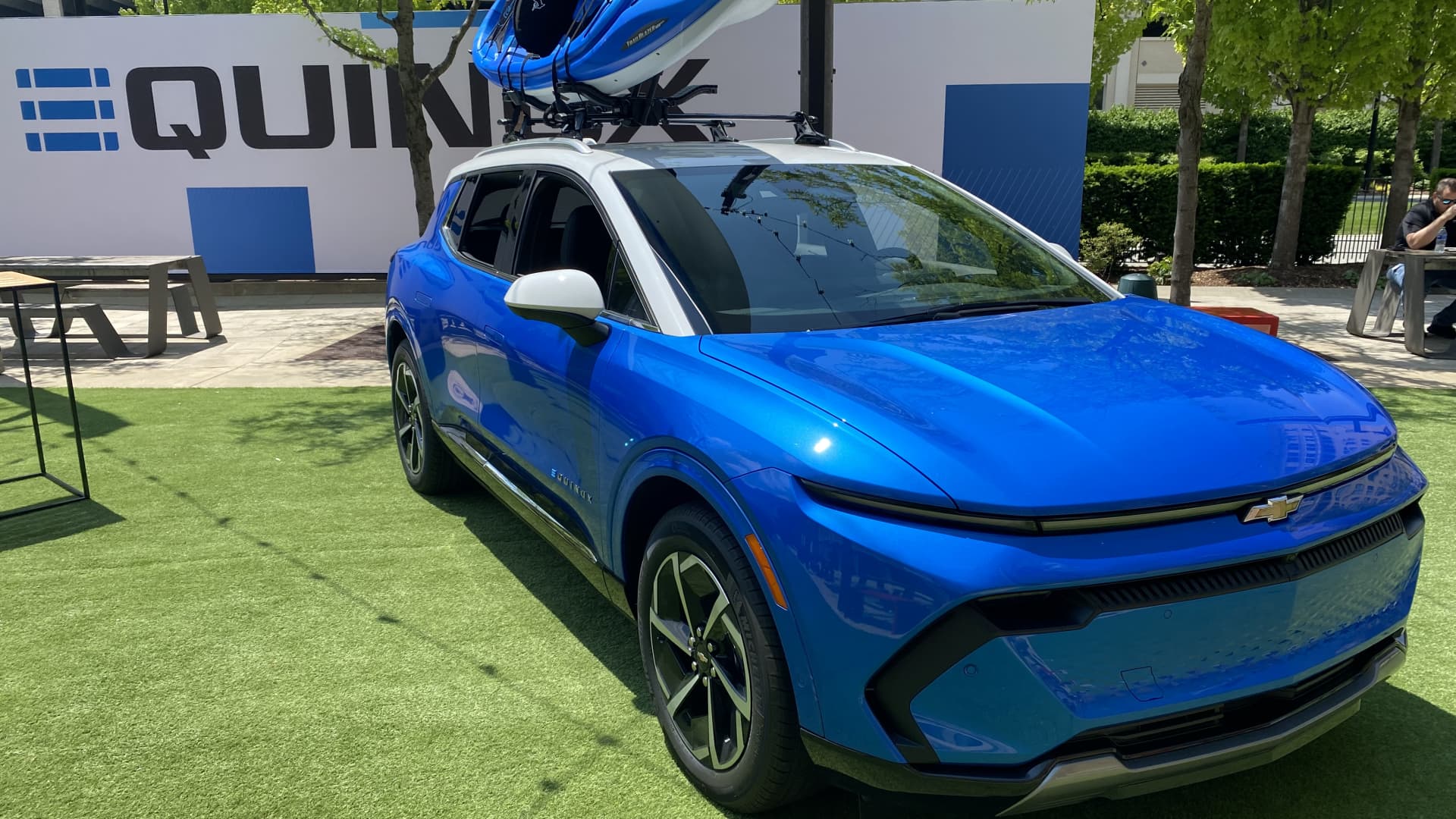
General Motors vs. Lucid: A Clash of Automotive Eras
- Market Advantage of GM: General Motors achieved nearly $185 billion in revenue for FY 2025, despite a slight 1.3% year-over-year decline, maintaining a net income of approximately $2.7 billion, which underscores its profitability and market leadership during a period of heavy capital investment.
- Lucid's Growth Potential: Lucid generated nearly $1.4 billion in revenue for FY 2025, reflecting a significant growth rate of 67.6%, yet faced a net loss of close to $2.7 billion, highlighting the tension between its expansion in the luxury EV market and profitability.
- Risks and Challenges: GM faces legal scrutiny following a settlement with the FTC, alongside declining profitability in China, while Lucid is grappling with financial distress due to an 18% workforce reduction and production delays, illustrating the differing risk profiles in their market competition.
- Valuation Comparison: GM's forward P/E ratio stands at 5.9x, significantly lower than the sector benchmark, while Lucid's P/S ratio is at 1.6x, indicating GM's appeal as a more conservative value investment choice.
See More
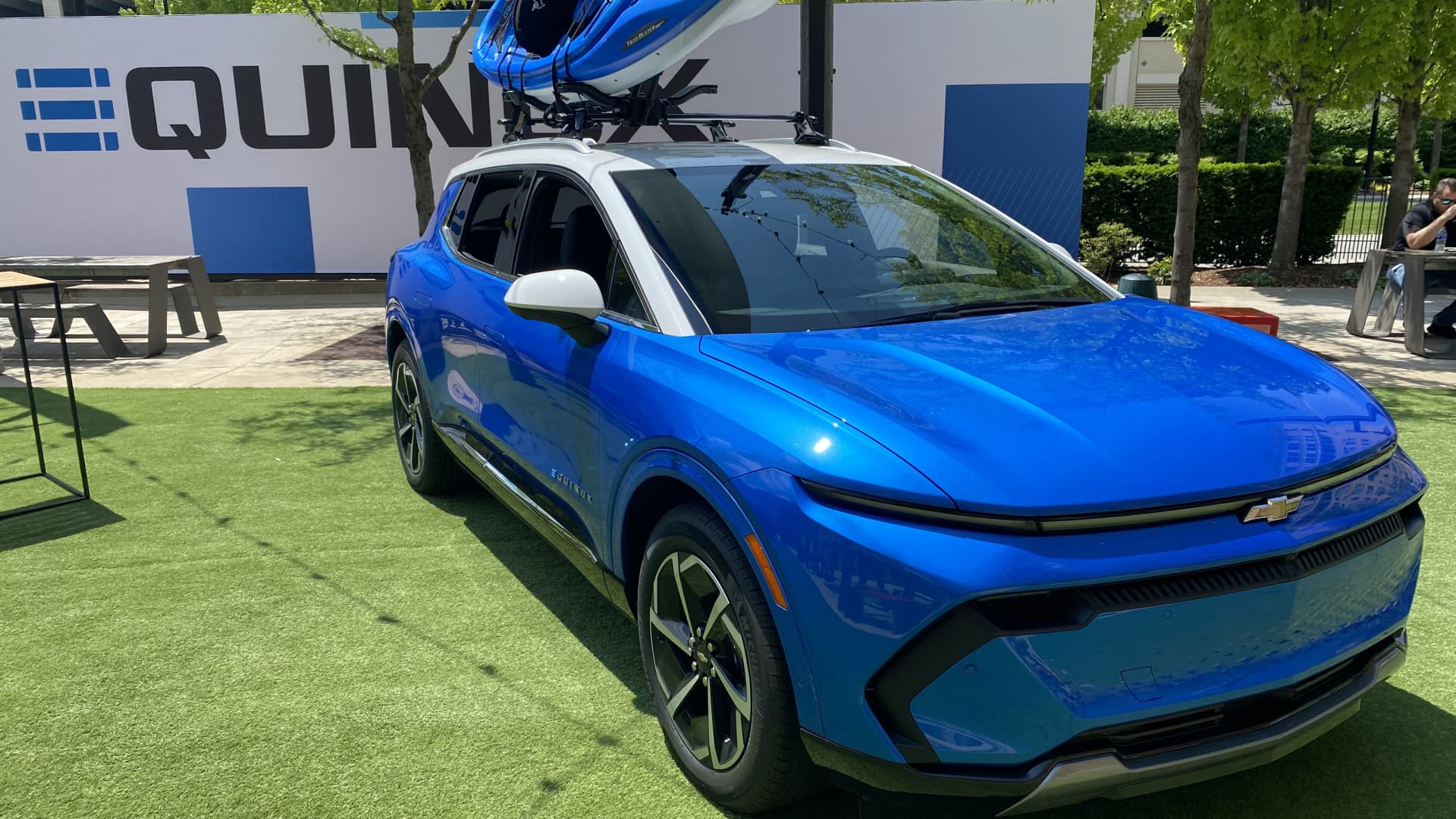
GM Layoffs and Robot Rollout Spark Controversy
- Layoffs and Tech Introduction: General Motors has laid off over 1,000 workers at its Factory ZERO assembly plant in Detroit while introducing 50 AI-powered collaborative robots; although the company claims the layoffs are unrelated to the robots, the timing has drawn strong criticism from the United Auto Workers, highlighting the human cost of automation.
- Union Opposition: UAW leaders warn that AI should enhance jobs and productivity rather than leave workers behind, expressing concerns over the timing of the layoffs and technology introduction, which may exacerbate unemployment issues among workers.
- Investment in Technology and Quality Improvement: GM is significantly expanding its investment in artificial intelligence and factory automation, planning to develop robotic systems capable of learning and predicting maintenance needs at its Autonomous Robotics Center in Warren, Michigan, aiming to enhance manufacturing quality and efficiency.
- Industry Uncertainty: Despite GM's hopes of improving production efficiency through automation, doubts about AI's ability to consistently deliver quality improvements persist, especially in light of competitor Ford rehiring employees due to unmet expectations from AI-driven quality control, posing risks for investors.
See More

Halper Sadeh LLC Investigates GM Executives' Fiduciary Duties
- Shareholder Rights Protection: Halper Sadeh LLC is investigating whether certain executives at General Motors breached their fiduciary duties, which could lead to corporate governance reforms and the return of funds, thereby enhancing shareholder rights.
- Legal Service Commitment: The firm offers legal services on a contingent fee basis, allowing shareholders to seek legal remedies without upfront costs, ensuring they can enforce their rights within a limited timeframe.
- Importance of Shareholder Participation: Involvement from shareholders can drive improvements in company policies and oversight mechanisms, enhancing transparency and accountability, ultimately increasing shareholder value and promoting long-term corporate health.
- Global Investor Representation: Halper Sadeh LLC represents investors worldwide, focusing on combating securities fraud and corporate misconduct, having successfully implemented corporate reforms and recovered millions for defrauded investors, showcasing their expertise in protecting investor rights.
See More
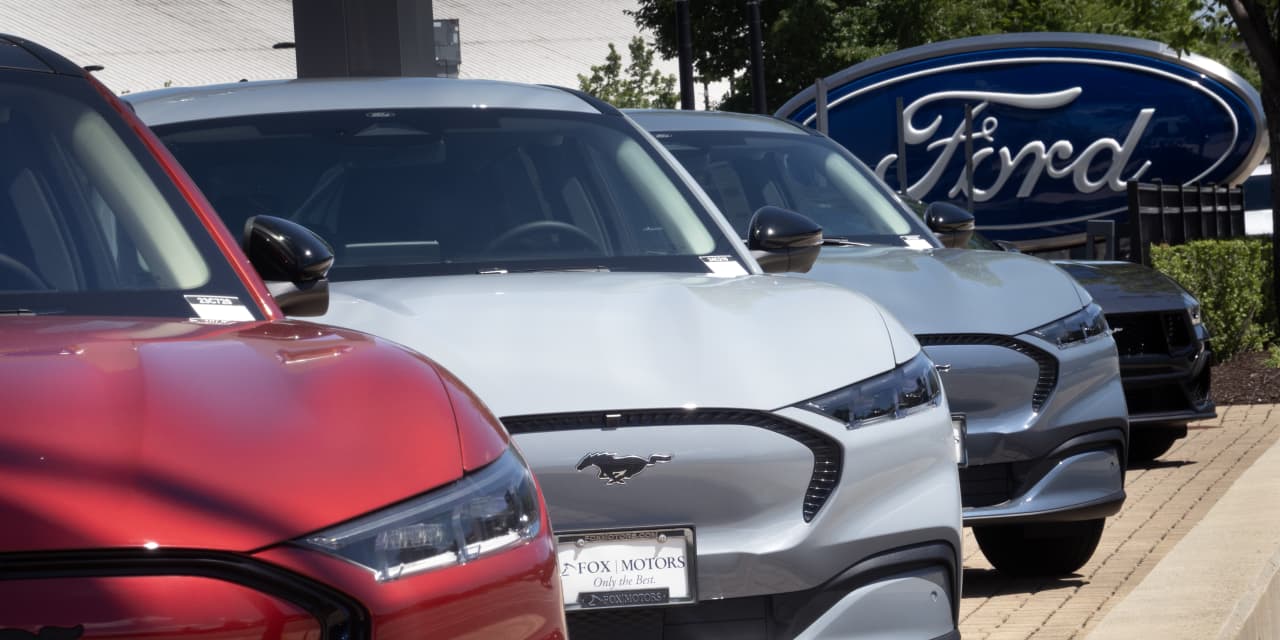
Automakers' Software Business Poised for High Margins

- Software Growth Potential: Rivian's partnership with Volkswagen is expected to yield up to $5.8 billion in investments, driving the development of a software-defined vehicle architecture that significantly enhances profitability and encourages traditional automakers to explore software opportunities.
- Profitability Boost: Rivian's total revenue reached $1.28 billion in Q1 2026, with the software and services segment growing 49% to $473 million, demonstrating the positive impact of software on overall gross profit, which totaled $181 million, surpassing competitor Lucid Group.
- GM's Strategic Shift: General Motors anticipates $3.1 billion in realized revenue from OnStar and Super Cruise in 2023, with projected gross margins nearing 70%, fundamentally altering its investment appeal in a low-margin industry and supporting future growth.
- Increased Customer Retention: GM plans to provide an eight-year basic OnStar subscription for every new vehicle starting in 2025, with early data showing that 30% of Super Cruise users renewed their subscriptions in 2025, indicating strong customer acceptance and future revenue potential.
See More

Automotive Software Innovations Boost Profitability
- Rivian and Volkswagen Partnership: Rivian's collaboration with Volkswagen to develop a software-defined vehicle architecture saw initial investments rise from $5 billion to $5.8 billion, expected to enhance Rivian's market competitiveness and profitability upon product launch by late 2024.
- Software Revenue Growth: In Q1, Rivian's software and services revenue reached $473 million, a 49% increase, while automotive revenue was $908 million, down 2% year-over-year; the software segment's gross profit of $181 million indicates significant profitability potential.
- GM's Software Strategy: General Motors anticipates $3.1 billion in realized revenue and $7.5 billion in deferred revenue from OnStar and Super Cruise in 2023, showcasing rapid growth and a potential gross margin of 70%, which could transform the investment landscape of the traditionally low-margin automotive sector.
- Increased Customer Renewal Rates: GM's Super Cruise subscription service saw a 30% renewal rate among users in 2025, indicating growing customer acceptance of software services, which is expected to generate ongoing revenue streams and enhance customer loyalty for the company.
See More
Investment Comparison: General Motors vs. Lucid Group
- GM Profitability: In FY 2025, General Motors reported nearly $185 billion in revenue, a slight 1.3% decrease year-over-year, yet achieved a net income of approximately $2.7 billion, demonstrating profitability and market stability during heavy capital investments.
- Lucid Growth Potential: Lucid generated nearly $1.4 billion in revenue in FY 2025, reflecting a significant growth rate of 67.6%, but reported a net loss of close to $2.7 billion, resulting in a negative net margin of approximately 199.3%, highlighting the intense competition and high-risk nature of the luxury EV market.
- Financial Health Comparison: As of December 2025, GM's current ratio stood at 1.2 and its debt-to-equity ratio at 2.1, indicating strong short-term debt coverage; in contrast, Lucid's current ratio was 1.02 with a debt-to-equity ratio of 4.05, suggesting a more vulnerable financial structure.
- Market Competition and Challenges: GM faces fierce competition from Tesla and declining profitability in China, while Lucid has implemented an 18% workforce reduction due to production delays and significant operating losses, illustrating the distinct challenges and strategies each company faces in their respective markets.
See More
General Motors vs. Lucid: A Clash of Automotive Eras
- Market Advantage of GM: General Motors achieved nearly $185 billion in revenue for FY 2025, despite a slight 1.3% year-over-year decline, maintaining a net income of approximately $2.7 billion, which underscores its profitability and market leadership during a period of heavy capital investment.
- Lucid's Growth Potential: Lucid generated nearly $1.4 billion in revenue for FY 2025, reflecting a significant growth rate of 67.6%, yet faced a net loss of close to $2.7 billion, highlighting the tension between its expansion in the luxury EV market and profitability.
- Risks and Challenges: GM faces legal scrutiny following a settlement with the FTC, alongside declining profitability in China, while Lucid is grappling with financial distress due to an 18% workforce reduction and production delays, illustrating the differing risk profiles in their market competition.
- Valuation Comparison: GM's forward P/E ratio stands at 5.9x, significantly lower than the sector benchmark, while Lucid's P/S ratio is at 1.6x, indicating GM's appeal as a more conservative value investment choice.
See More
GM Layoffs and Robot Rollout Spark Controversy
- Layoffs and Tech Introduction: General Motors has laid off over 1,000 workers at its Factory ZERO assembly plant in Detroit while introducing 50 AI-powered collaborative robots; although the company claims the layoffs are unrelated to the robots, the timing has drawn strong criticism from the United Auto Workers, highlighting the human cost of automation.
- Union Opposition: UAW leaders warn that AI should enhance jobs and productivity rather than leave workers behind, expressing concerns over the timing of the layoffs and technology introduction, which may exacerbate unemployment issues among workers.
- Investment in Technology and Quality Improvement: GM is significantly expanding its investment in artificial intelligence and factory automation, planning to develop robotic systems capable of learning and predicting maintenance needs at its Autonomous Robotics Center in Warren, Michigan, aiming to enhance manufacturing quality and efficiency.
- Industry Uncertainty: Despite GM's hopes of improving production efficiency through automation, doubts about AI's ability to consistently deliver quality improvements persist, especially in light of competitor Ford rehiring employees due to unmet expectations from AI-driven quality control, posing risks for investors.
See More
Halper Sadeh LLC Investigates GM Executives' Fiduciary Duties
- Shareholder Rights Protection: Halper Sadeh LLC is investigating whether certain executives at General Motors breached their fiduciary duties, which could lead to corporate governance reforms and the return of funds, thereby enhancing shareholder rights.
- Legal Service Commitment: The firm offers legal services on a contingent fee basis, allowing shareholders to seek legal remedies without upfront costs, ensuring they can enforce their rights within a limited timeframe.
- Importance of Shareholder Participation: Involvement from shareholders can drive improvements in company policies and oversight mechanisms, enhancing transparency and accountability, ultimately increasing shareholder value and promoting long-term corporate health.
- Global Investor Representation: Halper Sadeh LLC represents investors worldwide, focusing on combating securities fraud and corporate misconduct, having successfully implemented corporate reforms and recovered millions for defrauded investors, showcasing their expertise in protecting investor rights.
See More
Automakers' Software Business Poised for High Margins
- Software Growth Potential: Rivian's partnership with Volkswagen is expected to yield up to $5.8 billion in investments, driving the development of a software-defined vehicle architecture that significantly enhances profitability and encourages traditional automakers to explore software opportunities.
- Profitability Boost: Rivian's total revenue reached $1.28 billion in Q1 2026, with the software and services segment growing 49% to $473 million, demonstrating the positive impact of software on overall gross profit, which totaled $181 million, surpassing competitor Lucid Group.
- GM's Strategic Shift: General Motors anticipates $3.1 billion in realized revenue from OnStar and Super Cruise in 2023, with projected gross margins nearing 70%, fundamentally altering its investment appeal in a low-margin industry and supporting future growth.
- Increased Customer Retention: GM plans to provide an eight-year basic OnStar subscription for every new vehicle starting in 2025, with early data showing that 30% of Super Cruise users renewed their subscriptions in 2025, indicating strong customer acceptance and future revenue potential.
See More
Automotive Software Innovations Boost Profitability
- Rivian and Volkswagen Partnership: Rivian's collaboration with Volkswagen to develop a software-defined vehicle architecture saw initial investments rise from $5 billion to $5.8 billion, expected to enhance Rivian's market competitiveness and profitability upon product launch by late 2024.
- Software Revenue Growth: In Q1, Rivian's software and services revenue reached $473 million, a 49% increase, while automotive revenue was $908 million, down 2% year-over-year; the software segment's gross profit of $181 million indicates significant profitability potential.
- GM's Software Strategy: General Motors anticipates $3.1 billion in realized revenue and $7.5 billion in deferred revenue from OnStar and Super Cruise in 2023, showcasing rapid growth and a potential gross margin of 70%, which could transform the investment landscape of the traditionally low-margin automotive sector.
- Increased Customer Renewal Rates: GM's Super Cruise subscription service saw a 30% renewal rate among users in 2025, indicating growing customer acceptance of software services, which is expected to generate ongoing revenue streams and enhance customer loyalty for the company.
See More