

Musk's SpaceX and xAI to Merge, Creating Innovation Engine
Written by Emily J. Thompson, Senior Investment Analyst
Updated: Mar 30 2026
0mins
Source: Fool
- Merger Background: Musk's SpaceX and xAI are merging to create an 'innovation engine' that integrates artificial intelligence with space technology, although electric vehicles are not included in this merger, future possibilities remain.
- Strategic Consolidation: The merger allows Musk to concentrate resources and streamline management, particularly highlighted by the collaboration on the Terafab project involving Tesla, SpaceX, and xAI, underscoring the need for integration.
- Market Expectations: Analyst Dan Ives predicts that the merger could be announced as early as next year, marking the first step towards the collaborative growth of Tesla, xAI, and SpaceX, potentially attracting more investor interest.
- Investment Risks: While the merger may present larger market opportunities, Tesla's current high valuation and uncertainties regarding the financial status post-merger pose significant short-term investment risks, suggesting a wait-and-see approach is prudent.
Trade with 70% Backtested Accuracy
Stop guessing "Should I Buy TSLA?" and start using high-conviction signals backed by rigorous historical data.
Sign up today to access powerful investing tools and make smarter, data-driven decisions.
Analyst Views on TSLA
Wall Street analysts forecast TSLA stock price to rise
30 Analyst Rating
12 Buy
11 Hold
7 Sell
Hold
Current: 396.380

Low
25.28
Averages
401.93
High
600.00
Current: 396.380
Low
25.28
Averages
401.93
High
600.00
About TSLA
Tesla, Inc. designs, develops, manufactures, sells and leases high-performance fully electric vehicles and energy generation and storage systems, and offers services related to its products. Its segments include automotive, and energy generation and storage. The automotive segment includes the design, development, manufacturing, sales and leasing of high-performance fully electric vehicles, and sales of automotive regulatory credits. It also includes sales of used vehicles, non-warranty maintenance services and collisions, part sales, paid supercharging, insurance services revenue and retail merchandise sales. The energy generation and storage segment include the design, manufacture, installation, sales and leasing of solar energy generation and energy storage products and related services and sales of solar energy systems incentives. Its consumer vehicles include the Model 3, Y, S, X and Cybertruck. Its lithium-ion battery energy storage products include Powerwall and Megapack.
About the author

Emily J. Thompson
Emily J. Thompson, a Chartered Financial Analyst (CFA) with 12 years in investment research, graduated with honors from the Wharton School. Specializing in industrial and technology stocks, she provides in-depth analysis for Intellectia’s earnings and market brief reports.
Musk Exercises Tesla Options, Voting Power Nears 20%

- Voting Power Increase: Last week, Musk exercised approximately 304 million Tesla options, raising his voting power to 19.9%, which enhances his influence in any potential merger discussions between Tesla and SpaceX in the future.
- Historic IPO: SpaceX completed the largest initial public offering in history this month, with a valuation nearing $1.8 trillion, allowing it to use public stock as merger currency with Tesla, thereby increasing the feasibility of a merger.
- Merger Possibility: Analyst Dan Ives estimates an 80% chance of a Tesla-SpaceX merger, indicating that with Musk's increased voting power, the prospect of a merger has become more realistic, although the market remains cautious about the timing and terms of such a deal.
- Financial Challenges: Despite a 16% year-over-year revenue increase to $22.4 billion in Q1, Tesla produced more vehicles than it sold, with a net income of $477 million, highlighting ongoing pressures in its core business, prompting investors to carefully assess future profitability prospects.
See More
Multiple Factors Impacting SpaceX's Year-End Valuation
- Lockup Schedule Importance: SpaceX's lockup schedule is crucial, with up to 20% of insider shares eligible for sale from late July to August, potentially creating selling pressure that could negatively impact investor confidence.
- Earnings Report Impact: The upcoming Q2 and Q3 earnings reports will directly influence stock price volatility, as a significant beat or miss against Wall Street estimates could lead to dramatic price swings.
- Potential Share Dilution: The company may issue new shares to fund acquisitions, as indicated in its revised S-1 filing, which mentions the possibility of issuing significant equity in future transactions, fueling speculation about a merger with Tesla and increasing market uncertainty.
- Price Prediction: The forecast suggests SpaceX's stock will trade between $150 and $160 by December 31, 2026, representing a reasonable gain for investors who bought at the IPO price of $135, but a significant loss for those who purchased shares above $200.
See More
Analysis of Musk's Relationship with Dogecoin

- Musk's Support: Musk actively supports Dogecoin through social media and high-profile mentions, helping it gain mainstream attention and fostering a sense of excitement and belonging among investors, which distinguishes it in the cryptocurrency market.
- Price Fluctuation Factors: Dogecoin's price primarily fluctuates due to online narratives and social media hype, often surging on positive endorsements from celebrities and declining as enthusiasm wanes, indicating its price relies more on market sentiment than fundamentals.
- Musk's Holdings: Musk has indicated he owns some Dogecoin, although it represents a minor, symbolic holding compared to his wealth tied up in Tesla and SpaceX, highlighting its limited role in his overall investment strategy.
- Investor Caution: While Dogecoin could potentially rise alongside SpaceX stock, savvy investors recognize that its price increases are typically fleeting, with any potential tailwinds stemming from speculative trading rather than prudent long-term investment strategies.
See More
Musk Controls Nearly 20% Voting Power at Tesla
- Voting Power Increase: Musk's voting power at Tesla has reached 19.9% after exercising 303,960,630 options from his 2018 compensation package, securing significant influence over the company, although these shares cannot be sold until 2028.
- Merger Possibility Heightened: With SpaceX completing the largest IPO in history at a valuation near $1.8 trillion, Musk's increased voting rights make a merger between Tesla and SpaceX more feasible, with analysts estimating an 80% chance of a deal within a year.
- Financial Challenges: Despite a 16% year-over-year revenue increase to $22.4 billion in Q1, Tesla produced 50,000 more vehicles than it sold, resulting in a net income of $477 million, highlighting pressures on its core business, with a market cap of approximately $1.5 trillion appearing unjustified.
- Uncertain Future Outlook: While a merger could yield synergies, Tesla's high valuation already reflects market expectations for its future in autonomy and robotics, prompting investors to remain cautious regarding the terms and timing of any potential deal.
See More
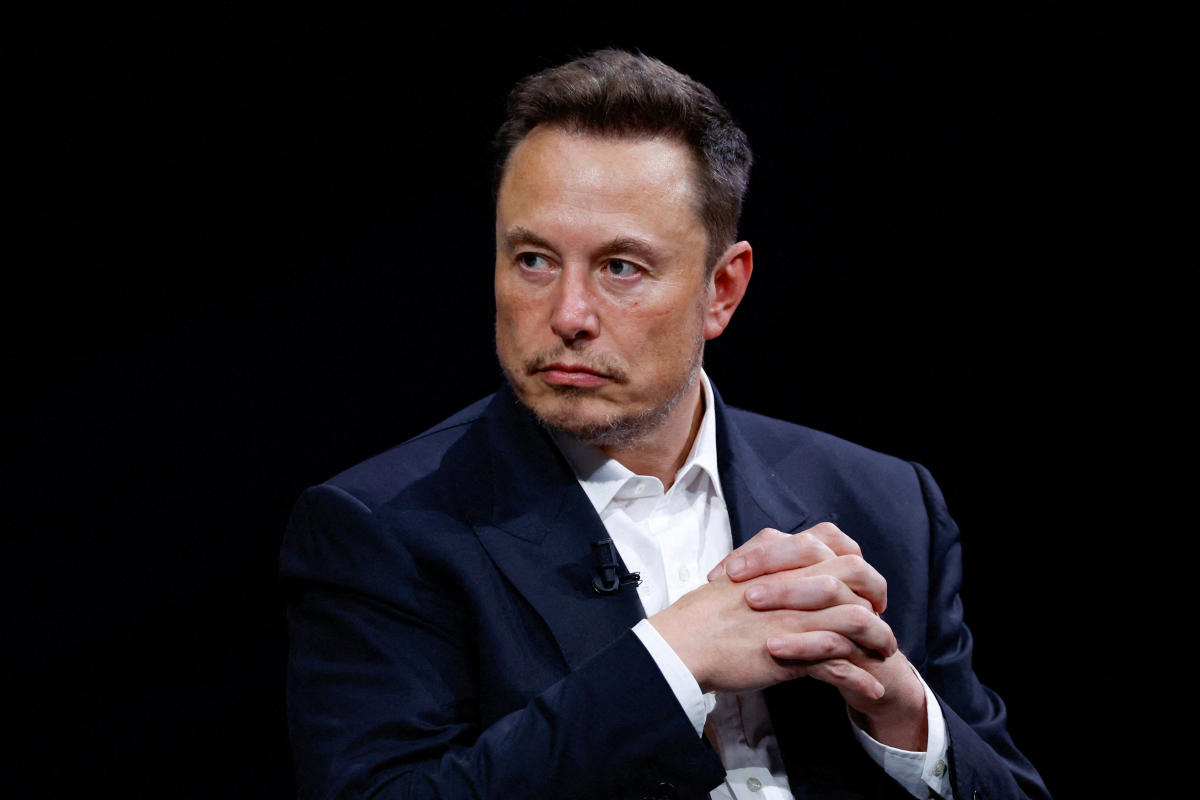
Musk's Dogecoin and SpaceX IPO Dynamics
- Musk's Support: Musk has elevated Dogecoin's profile through social media and high-profile mentions, making it an intriguing investment choice that has attracted significant investor interest.
- Price Fluctuation Mechanism: Dogecoin's price primarily fluctuates based on social media narratives and celebrity endorsements, often surging with positive publicity and declining as enthusiasm wanes, indicating its reliance on market sentiment rather than fundamentals.
- Portfolio Analysis: Although Musk personally holds some Dogecoin, it represents a minor portion of his wealth compared to his holdings in Tesla and SpaceX, serving more as a symbolic investment.
- Market Speculation Risks: The price increases of Dogecoin are often fleeting, and investors should be cautious as its price movements are driven more by speculative trading rather than sound long-term investment strategies.
See More

MSCI Assigns SpaceX Lowest CCC ESG Rating Amid Controversy
- ESG Rating Crisis: MSCI assigned SpaceX a CCC rating, the lowest on its scale, indicating significant concerns regarding governance and sustainability, which could undermine investor confidence and lead to stock price volatility.
- Low Controversy Score: With a controversy score of only 1 out of 10 and a governance score of 3.2, SpaceX is now grouped with low-rated firms like Russia, potentially inviting stricter regulatory scrutiny.
- Negative Market Reaction: Following MSCI's rating announcement, SpaceX shares fell 4% in overnight trading, reflecting market concerns over its ESG performance, while investor focus shifts to the upcoming earnings report.
- Bond Issuance Plans: SpaceX is considering a $20 billion bond sale to fund its rapidly expanding AI and space ventures, which, despite the ESG rating challenges, may still attract passive investment capital.
See More
Musk Exercises Tesla Options, Voting Power Nears 20%
- Voting Power Increase: Last week, Musk exercised approximately 304 million Tesla options, raising his voting power to 19.9%, which enhances his influence in any potential merger discussions between Tesla and SpaceX in the future.
- Historic IPO: SpaceX completed the largest initial public offering in history this month, with a valuation nearing $1.8 trillion, allowing it to use public stock as merger currency with Tesla, thereby increasing the feasibility of a merger.
- Merger Possibility: Analyst Dan Ives estimates an 80% chance of a Tesla-SpaceX merger, indicating that with Musk's increased voting power, the prospect of a merger has become more realistic, although the market remains cautious about the timing and terms of such a deal.
- Financial Challenges: Despite a 16% year-over-year revenue increase to $22.4 billion in Q1, Tesla produced more vehicles than it sold, with a net income of $477 million, highlighting ongoing pressures in its core business, prompting investors to carefully assess future profitability prospects.
See More
Multiple Factors Impacting SpaceX's Year-End Valuation
- Lockup Schedule Importance: SpaceX's lockup schedule is crucial, with up to 20% of insider shares eligible for sale from late July to August, potentially creating selling pressure that could negatively impact investor confidence.
- Earnings Report Impact: The upcoming Q2 and Q3 earnings reports will directly influence stock price volatility, as a significant beat or miss against Wall Street estimates could lead to dramatic price swings.
- Potential Share Dilution: The company may issue new shares to fund acquisitions, as indicated in its revised S-1 filing, which mentions the possibility of issuing significant equity in future transactions, fueling speculation about a merger with Tesla and increasing market uncertainty.
- Price Prediction: The forecast suggests SpaceX's stock will trade between $150 and $160 by December 31, 2026, representing a reasonable gain for investors who bought at the IPO price of $135, but a significant loss for those who purchased shares above $200.
See More
Analysis of Musk's Relationship with Dogecoin
- Musk's Support: Musk actively supports Dogecoin through social media and high-profile mentions, helping it gain mainstream attention and fostering a sense of excitement and belonging among investors, which distinguishes it in the cryptocurrency market.
- Price Fluctuation Factors: Dogecoin's price primarily fluctuates due to online narratives and social media hype, often surging on positive endorsements from celebrities and declining as enthusiasm wanes, indicating its price relies more on market sentiment than fundamentals.
- Musk's Holdings: Musk has indicated he owns some Dogecoin, although it represents a minor, symbolic holding compared to his wealth tied up in Tesla and SpaceX, highlighting its limited role in his overall investment strategy.
- Investor Caution: While Dogecoin could potentially rise alongside SpaceX stock, savvy investors recognize that its price increases are typically fleeting, with any potential tailwinds stemming from speculative trading rather than prudent long-term investment strategies.
See More
Musk Controls Nearly 20% Voting Power at Tesla
- Voting Power Increase: Musk's voting power at Tesla has reached 19.9% after exercising 303,960,630 options from his 2018 compensation package, securing significant influence over the company, although these shares cannot be sold until 2028.
- Merger Possibility Heightened: With SpaceX completing the largest IPO in history at a valuation near $1.8 trillion, Musk's increased voting rights make a merger between Tesla and SpaceX more feasible, with analysts estimating an 80% chance of a deal within a year.
- Financial Challenges: Despite a 16% year-over-year revenue increase to $22.4 billion in Q1, Tesla produced 50,000 more vehicles than it sold, resulting in a net income of $477 million, highlighting pressures on its core business, with a market cap of approximately $1.5 trillion appearing unjustified.
- Uncertain Future Outlook: While a merger could yield synergies, Tesla's high valuation already reflects market expectations for its future in autonomy and robotics, prompting investors to remain cautious regarding the terms and timing of any potential deal.
See More
Musk's Dogecoin and SpaceX IPO Dynamics
- Musk's Support: Musk has elevated Dogecoin's profile through social media and high-profile mentions, making it an intriguing investment choice that has attracted significant investor interest.
- Price Fluctuation Mechanism: Dogecoin's price primarily fluctuates based on social media narratives and celebrity endorsements, often surging with positive publicity and declining as enthusiasm wanes, indicating its reliance on market sentiment rather than fundamentals.
- Portfolio Analysis: Although Musk personally holds some Dogecoin, it represents a minor portion of his wealth compared to his holdings in Tesla and SpaceX, serving more as a symbolic investment.
- Market Speculation Risks: The price increases of Dogecoin are often fleeting, and investors should be cautious as its price movements are driven more by speculative trading rather than sound long-term investment strategies.
See More
MSCI Assigns SpaceX Lowest CCC ESG Rating Amid Controversy
- ESG Rating Crisis: MSCI assigned SpaceX a CCC rating, the lowest on its scale, indicating significant concerns regarding governance and sustainability, which could undermine investor confidence and lead to stock price volatility.
- Low Controversy Score: With a controversy score of only 1 out of 10 and a governance score of 3.2, SpaceX is now grouped with low-rated firms like Russia, potentially inviting stricter regulatory scrutiny.
- Negative Market Reaction: Following MSCI's rating announcement, SpaceX shares fell 4% in overnight trading, reflecting market concerns over its ESG performance, while investor focus shifts to the upcoming earnings report.
- Bond Issuance Plans: SpaceX is considering a $20 billion bond sale to fund its rapidly expanding AI and space ventures, which, despite the ESG rating challenges, may still attract passive investment capital.
See More




