Musk's Attempt to Merge OpenAI with Tesla Revealed
Written by Emily J. Thompson, Senior Investment Analyst
Updated: May 07 2026
0mins
Source: seekingalpha
- Merger Proposal: Former OpenAI board member Shivon Zilis testified that Elon Musk proposed to include OpenAI CEO Sam Altman on Tesla's board to facilitate a merger, highlighting Musk's strong desire for control in the AI sector.
- Legal Action: Musk is suing OpenAI and its executives for over $13 billion, claiming he was misled into believing OpenAI would remain a nonprofit when he provided $38 million in startup funding, a claim that could significantly impact OpenAI's operational model.
- Board Discussions: Zilis noted extensive discussions within the board between 2017 and 2018 regarding OpenAI's corporate structure, reflecting differing views on how to transition OpenAI into a for-profit entity, which may influence future governance structures in AI companies.
- IPO Prospects: Both OpenAI and its parent company SpaceX are reportedly preparing for massive IPOs later this year, indicating that despite facing legal challenges, OpenAI is still seeking market support to drive its business expansion.
Trade with 70% Backtested Accuracy
Stop guessing "Should I Buy TSLA?" and start using high-conviction signals backed by rigorous historical data.
Sign up today to access powerful investing tools and make smarter, data-driven decisions.
Analyst Views on TSLA
Wall Street analysts forecast TSLA stock price to rise
30 Analyst Rating
12 Buy
11 Hold
7 Sell
Hold
Current: 375.530

Low
25.28
Averages
401.93
High
600.00
Current: 375.530
Low
25.28
Averages
401.93
High
600.00
About TSLA
Tesla, Inc. designs, develops, manufactures, sells and leases high-performance fully electric vehicles and energy generation and storage systems, and offers services related to its products. Its segments include automotive, and energy generation and storage. The automotive segment includes the design, development, manufacturing, sales and leasing of high-performance fully electric vehicles, and sales of automotive regulatory credits. It also includes sales of used vehicles, non-warranty maintenance services and collisions, part sales, paid supercharging, insurance services revenue and retail merchandise sales. The energy generation and storage segment include the design, manufacture, installation, sales and leasing of solar energy generation and energy storage products and related services and sales of solar energy systems incentives. Its consumer vehicles include the Model 3, Y, S, X and Cybertruck. Its lithium-ion battery energy storage products include Powerwall and Megapack.
About the author

Emily J. Thompson
Emily J. Thompson, a Chartered Financial Analyst (CFA) with 12 years in investment research, graduated with honors from the Wharton School. Specializing in industrial and technology stocks, she provides in-depth analysis for Intellectia’s earnings and market brief reports.

Baron ETF Emerges as Leader Among SpaceX ETFs

- ETF Performance: The Baron First Principles ETF leads among SpaceX ETFs with a 31.2% allocation to SpaceX as of June 17, significantly surpassing its second-largest holding, indicating strong performance in the space investment sector.
- Historical Investment Background: Founder Ron Baron has participated in 27 funding rounds for SpaceX since 2017, initially investing when the company was valued at just $22 billion, demonstrating his long-term confidence and strategic positioning in the company.
- Acquisition Speculation: Ongoing speculation about SpaceX potentially acquiring Tesla is relevant, as Tesla accounts for nearly 12% of the Baron ETF's holdings, creating investor anticipation for the fund's future performance.
- High Fee Structure: While the Baron ETF offers high exposure to SpaceX, its 1% annual fee is relatively high, which may impact net returns for investors, especially compared to other lower-fee ETFs.
See More
Micron Technology Surpasses Expectations in Q3 Earnings Report

- Stellar Performance: Micron Technology reported Q3 revenue of $41.46 billion, a staggering 346% increase year-over-year, significantly exceeding analysts' expectations of $35.3 billion, highlighting the company's robust performance and sustained market demand in the semiconductor sector.
- Stock Surge: Following the earnings report, Micron's stock soared to $1,255 at 09:35 ET, briefly surpassing Tesla and Meta in market capitalization, reflecting strong investor confidence in the company's future growth prospects.
- Analyst Optimism: Deutsche Bank and DA Davidson both raised their price targets for Micron, with the former increasing its target from $1,500 to $1,550 and the latter from $1,500 to $2,000, indicating over 60% upside potential and showcasing market optimism regarding Micron's future earnings.
- Market Sentiment Shift: On the social platform Stocktwits, investor sentiment for Micron shifted from 'bullish' to 'extremely bullish', with the stock becoming the top trending ticker, indicating strong expectations for its market cap potentially reaching $2 trillion.
See More

Elon Musk Falls from Trillionaire Status

- Musk's Wealth Fluctuation: Following a sell-off in SpaceX stock and a decline in Tesla's share price, Musk's net worth dropped from $1 trillion to $946 billion in less than two weeks, indicating a potential loss of investor confidence in his companies and impacting future expectations.
- Historic SpaceX IPO: SpaceX raised $85.7 billion in its IPO on June 12, exceeding the anticipated $75 billion, reflecting strong demand in the aerospace market; however, it is projected to face a negative free cash flow of $105 billion by 2029, prompting caution among investors.
- Tesla's Diversification Strategy: Tesla generated $2.4 billion in revenue from its energy generation and storage business in Q1 2026, demonstrating its commitment to expanding into software and robotics, despite a 17% decline in stock price this year.
- Uncertain Future Outlook: While Musk may regain his trillionaire status, the volatility in SpaceX and Tesla's stock prices, along with uncertainties regarding future profitability, may lead investors to adopt a cautious stance in the short term.
See More
Analysis of SpaceX's Stock Price Fluctuations Post-IPO
- IPO Pricing and Market Performance: SpaceX went public on June 11, 2026, at $135 per share, raising $87.5 billion, and saw its stock price surge to $225 within three days, briefly pushing its market cap near $3 trillion, but it quickly fell back to $156, indicating a strong market disagreement on its valuation.
- Financial Warning Signs: In 2025, SpaceX generated $18.7 billion in revenue but incurred nearly $5 billion in losses, with Q1 2026 operating losses reaching $1.94 billion, highlighting severe profitability issues, particularly exacerbated by losses in its AI division.
- Governance Structure Risks: Elon Musk controls approximately 85% of voting power through dual-class shares, leading to the execution of a $250 billion xAI acquisition and a $60 billion Cursor deal without independent fairness opinions, raising concerns about structural conflicts of interest that could undermine public shareholders' rights.
- Market Reaction and Outlook: Despite Starlink reaching 10 million subscribers and generating $4.42 billion in operating income by February 2026, the market remains skeptical of SpaceX's AI investments, as evidenced by a 20% stock drop following the Cursor acquisition announcement, reflecting investor concerns about its future growth potential.
See More
Musk's Wealth Fluctuations and SpaceX IPO Impact
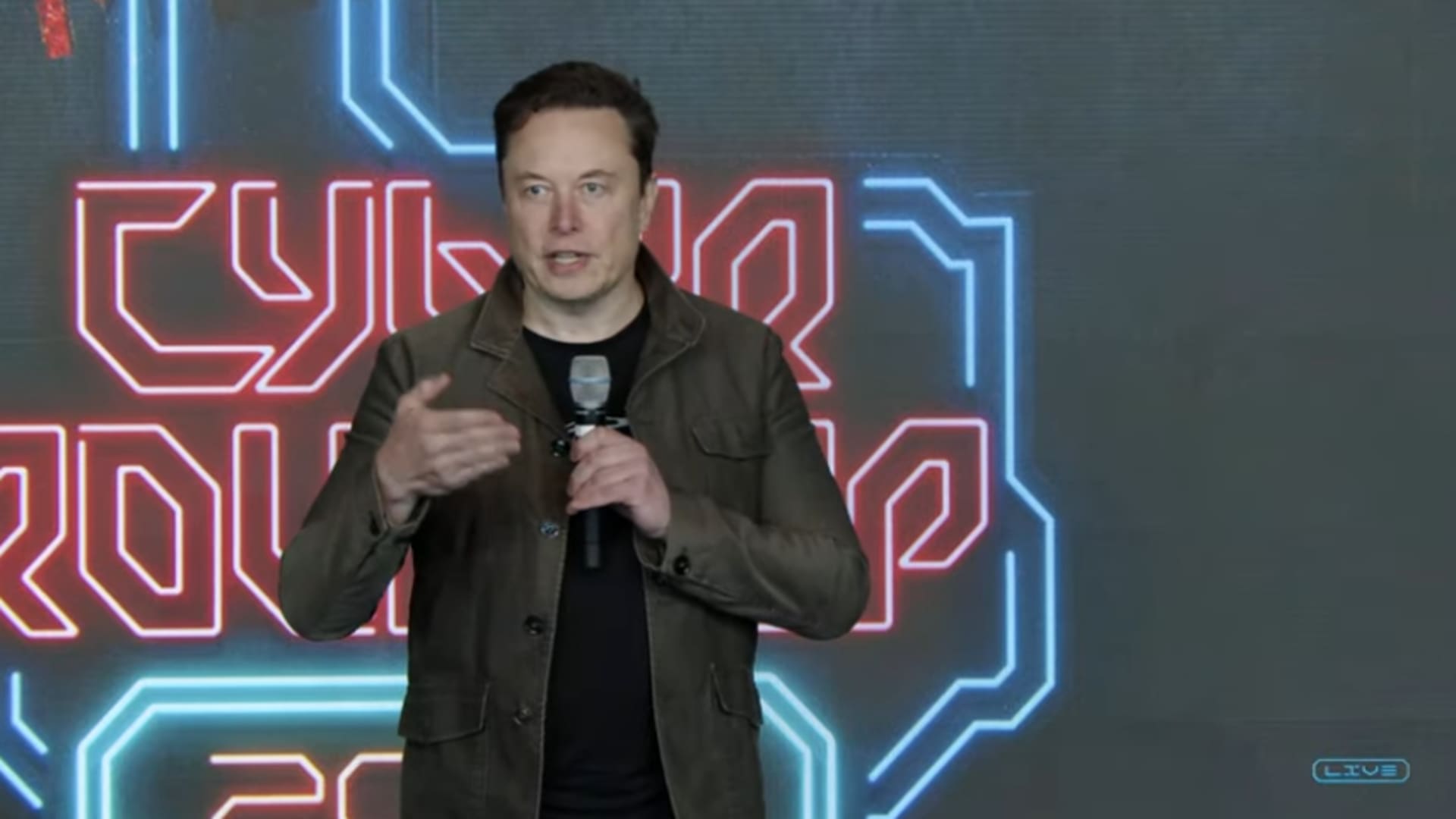
- Musk's Wealth Fluctuation: Musk's leadership at SpaceX and Tesla propelled him to become the world's first trillionaire, but a sell-off in SpaceX stock and a decline in Tesla's shares have reduced his net worth to $946 billion in less than two weeks, indicating market uncertainty about his companies' futures.
- SpaceX IPO Achievement: SpaceX raised $85.7 billion in its IPO on June 12, exceeding the expected $75 billion, yet the company anticipates a negative free cash flow of $105 billion by 2029, highlighting challenges in achieving profitability.
- Tesla Market Performance: Tesla experienced sales declines in 2024 and 2025, and while there was a rebound in Q1 2026, profit margins have not returned to previous levels, reflecting the impact of intensified competition and market pressures on its business.
- Future Outlook and Risks: Although Musk aims to drive Tesla's growth through new technologies and products like full self-driving and robotics, investor confidence in its stock needs to be restored through the upcoming Q2 earnings report, as current market sentiment remains cautious towards Tesla.
See More

U.S. Proposes Removing Brake Pedal Requirement for Driverless Vehicles
- Regulatory Change: The U.S. Department of Transportation plans to amend federal vehicle safety standards by proposing the removal of manual brake control requirements for fully driverless vehicles, which could streamline the market entry process for companies developing purpose-built robotaxis.
- Market Impact: This proposal will only apply to vehicles designed exclusively for autonomous operation, while conventional vehicles will still be required to have brake pedals, ensuring a diverse and safe market as existing standards for vehicles combining automated and human driving remain unchanged.
- Beneficiaries: Companies like Waymo (owned by Alphabet), Amazon's Zoox, and Tesla will benefit from this change, as it facilitates the development of dedicated autonomous vehicles that do not require steering wheels or pedals, thereby advancing robotaxi services.
- Future Outlook: This proposal is part of a broader initiative by the administration to update vehicle regulations for autonomous driving technology; while it does not alter existing braking performance standards, it may lead to further regulatory changes that could accelerate industry growth.
See More
Baron ETF Emerges as Leader Among SpaceX ETFs
- ETF Performance: The Baron First Principles ETF leads among SpaceX ETFs with a 31.2% allocation to SpaceX as of June 17, significantly surpassing its second-largest holding, indicating strong performance in the space investment sector.
- Historical Investment Background: Founder Ron Baron has participated in 27 funding rounds for SpaceX since 2017, initially investing when the company was valued at just $22 billion, demonstrating his long-term confidence and strategic positioning in the company.
- Acquisition Speculation: Ongoing speculation about SpaceX potentially acquiring Tesla is relevant, as Tesla accounts for nearly 12% of the Baron ETF's holdings, creating investor anticipation for the fund's future performance.
- High Fee Structure: While the Baron ETF offers high exposure to SpaceX, its 1% annual fee is relatively high, which may impact net returns for investors, especially compared to other lower-fee ETFs.
See More
Micron Technology Surpasses Expectations in Q3 Earnings Report
- Stellar Performance: Micron Technology reported Q3 revenue of $41.46 billion, a staggering 346% increase year-over-year, significantly exceeding analysts' expectations of $35.3 billion, highlighting the company's robust performance and sustained market demand in the semiconductor sector.
- Stock Surge: Following the earnings report, Micron's stock soared to $1,255 at 09:35 ET, briefly surpassing Tesla and Meta in market capitalization, reflecting strong investor confidence in the company's future growth prospects.
- Analyst Optimism: Deutsche Bank and DA Davidson both raised their price targets for Micron, with the former increasing its target from $1,500 to $1,550 and the latter from $1,500 to $2,000, indicating over 60% upside potential and showcasing market optimism regarding Micron's future earnings.
- Market Sentiment Shift: On the social platform Stocktwits, investor sentiment for Micron shifted from 'bullish' to 'extremely bullish', with the stock becoming the top trending ticker, indicating strong expectations for its market cap potentially reaching $2 trillion.
See More
Elon Musk Falls from Trillionaire Status
- Musk's Wealth Fluctuation: Following a sell-off in SpaceX stock and a decline in Tesla's share price, Musk's net worth dropped from $1 trillion to $946 billion in less than two weeks, indicating a potential loss of investor confidence in his companies and impacting future expectations.
- Historic SpaceX IPO: SpaceX raised $85.7 billion in its IPO on June 12, exceeding the anticipated $75 billion, reflecting strong demand in the aerospace market; however, it is projected to face a negative free cash flow of $105 billion by 2029, prompting caution among investors.
- Tesla's Diversification Strategy: Tesla generated $2.4 billion in revenue from its energy generation and storage business in Q1 2026, demonstrating its commitment to expanding into software and robotics, despite a 17% decline in stock price this year.
- Uncertain Future Outlook: While Musk may regain his trillionaire status, the volatility in SpaceX and Tesla's stock prices, along with uncertainties regarding future profitability, may lead investors to adopt a cautious stance in the short term.
See More
Analysis of SpaceX's Stock Price Fluctuations Post-IPO
- IPO Pricing and Market Performance: SpaceX went public on June 11, 2026, at $135 per share, raising $87.5 billion, and saw its stock price surge to $225 within three days, briefly pushing its market cap near $3 trillion, but it quickly fell back to $156, indicating a strong market disagreement on its valuation.
- Financial Warning Signs: In 2025, SpaceX generated $18.7 billion in revenue but incurred nearly $5 billion in losses, with Q1 2026 operating losses reaching $1.94 billion, highlighting severe profitability issues, particularly exacerbated by losses in its AI division.
- Governance Structure Risks: Elon Musk controls approximately 85% of voting power through dual-class shares, leading to the execution of a $250 billion xAI acquisition and a $60 billion Cursor deal without independent fairness opinions, raising concerns about structural conflicts of interest that could undermine public shareholders' rights.
- Market Reaction and Outlook: Despite Starlink reaching 10 million subscribers and generating $4.42 billion in operating income by February 2026, the market remains skeptical of SpaceX's AI investments, as evidenced by a 20% stock drop following the Cursor acquisition announcement, reflecting investor concerns about its future growth potential.
See More
Musk's Wealth Fluctuations and SpaceX IPO Impact
- Musk's Wealth Fluctuation: Musk's leadership at SpaceX and Tesla propelled him to become the world's first trillionaire, but a sell-off in SpaceX stock and a decline in Tesla's shares have reduced his net worth to $946 billion in less than two weeks, indicating market uncertainty about his companies' futures.
- SpaceX IPO Achievement: SpaceX raised $85.7 billion in its IPO on June 12, exceeding the expected $75 billion, yet the company anticipates a negative free cash flow of $105 billion by 2029, highlighting challenges in achieving profitability.
- Tesla Market Performance: Tesla experienced sales declines in 2024 and 2025, and while there was a rebound in Q1 2026, profit margins have not returned to previous levels, reflecting the impact of intensified competition and market pressures on its business.
- Future Outlook and Risks: Although Musk aims to drive Tesla's growth through new technologies and products like full self-driving and robotics, investor confidence in its stock needs to be restored through the upcoming Q2 earnings report, as current market sentiment remains cautious towards Tesla.
See More
U.S. Proposes Removing Brake Pedal Requirement for Driverless Vehicles
- Regulatory Change: The U.S. Department of Transportation plans to amend federal vehicle safety standards by proposing the removal of manual brake control requirements for fully driverless vehicles, which could streamline the market entry process for companies developing purpose-built robotaxis.
- Market Impact: This proposal will only apply to vehicles designed exclusively for autonomous operation, while conventional vehicles will still be required to have brake pedals, ensuring a diverse and safe market as existing standards for vehicles combining automated and human driving remain unchanged.
- Beneficiaries: Companies like Waymo (owned by Alphabet), Amazon's Zoox, and Tesla will benefit from this change, as it facilitates the development of dedicated autonomous vehicles that do not require steering wheels or pedals, thereby advancing robotaxi services.
- Future Outlook: This proposal is part of a broader initiative by the administration to update vehicle regulations for autonomous driving technology; while it does not alter existing braking performance standards, it may lead to further regulatory changes that could accelerate industry growth.
See More