Morgan Stanley Upgrades Outlook for China's Humanoid Robotics Market
Written by Emily J. Thompson, Senior Investment Analyst
Updated: 5 hours ago
0mins

Source: CNBC
- Optimistic Market Outlook: Morgan Stanley has raised its forecast for China's humanoid robot shipments from 28,000 to 50,000 units, nearly doubling its initial projection of 14,000 units, indicating robust market demand and accelerated commercialization.
- Market Size Expansion: The Chinese humanoid robotics market is expected to reach $2 billion this year and grow to $15 billion by 2030, with annual shipments projected to hit 446,000 units by then, highlighting significant long-term growth potential in the industry.
- Policy Support Accelerating Development: The Chinese government has prioritized the development of 'embodied AI' over the next five years, providing subsidies for land and office space to local manufacturers, which will further solidify their competitive position in the global market.
- Emerging Investment Opportunities: Morgan Stanley notes that Shanghai-listed Leaderdrive will benefit from the rise of humanoid robotics, raising its target price from 269 yuan to 464 yuan, with expectations of capturing a 40% global market share, reflecting strong shipment volumes and customer exposure.
Trade with 70% Backtested Accuracy
Stop guessing "Should I Buy TSLA?" and start using high-conviction signals backed by rigorous historical data.
Sign up today to access powerful investing tools and make smarter, data-driven decisions.
Analyst Views on TSLA
Wall Street analysts forecast TSLA stock price to fall
30 Analyst Rating
12 Buy
11 Hold
7 Sell
Hold
Current: 405.050

Low
25.28
Averages
401.93
High
600.00
Current: 405.050
Low
25.28
Averages
401.93
High
600.00
About TSLA
Tesla, Inc. designs, develops, manufactures, sells and leases high-performance fully electric vehicles and energy generation and storage systems, and offers services related to its products. Its segments include automotive, and energy generation and storage. The automotive segment includes the design, development, manufacturing, sales and leasing of high-performance fully electric vehicles, and sales of automotive regulatory credits. It also includes sales of used vehicles, non-warranty maintenance services and collisions, part sales, paid supercharging, insurance services revenue and retail merchandise sales. The energy generation and storage segment include the design, manufacture, installation, sales and leasing of solar energy generation and energy storage products and related services and sales of solar energy systems incentives. Its consumer vehicles include the Model 3, Y, S, X and Cybertruck. Its lithium-ion battery energy storage products include Powerwall and Megapack.
About the author

Emily J. Thompson
Emily J. Thompson, a Chartered Financial Analyst (CFA) with 12 years in investment research, graduated with honors from the Wharton School. Specializing in industrial and technology stocks, she provides in-depth analysis for Intellectia’s earnings and market brief reports.
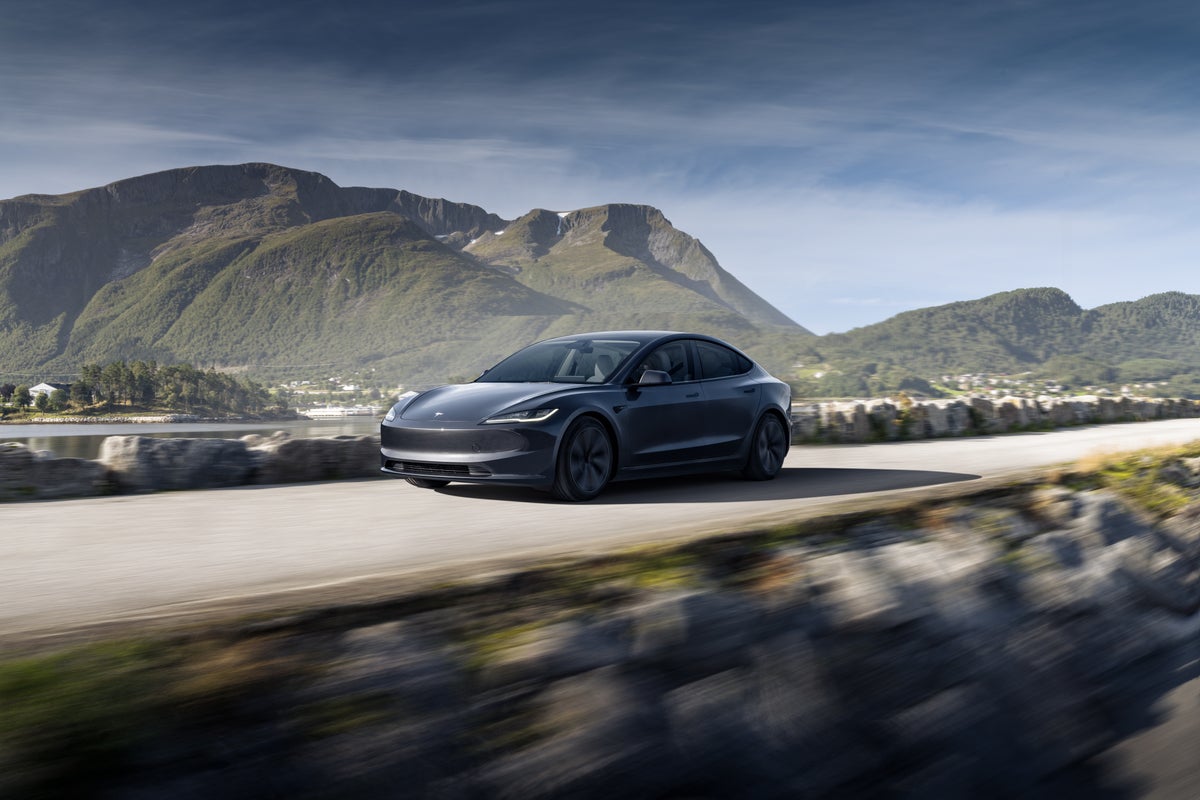
Tesla Q2 Delivery Estimates Raised Amid Challenges

- Analyst Estimates Raised: RBC, UBS, and Goldman Sachs project Tesla's Q2 deliveries to exceed 400,000 units, reflecting optimism about improving sales trends despite a 14% year-over-year decline from last year's 384,122 deliveries, indicating challenges during the company's transition.
- Impact of New Models: Tesla's discontinuation of Model S and X production in Q2 is seen as a strategic shift towards robotaxi and humanoid robot initiatives, which may pressure traditional vehicle sales, highlighting the company's balancing act between technological innovation and market demand.
- Market Sentiment Volatility: Investor sentiment has been affected by the NHTSA probe into a fatal Tesla crash, leading to a 6% drop in TSLA shares on Tuesday, reflecting uncertainty about the company's future performance, even as analysts remain optimistic about Q2 delivery expectations.
- Retail Investor Reactions: On Stocktwits, retail sentiment around TSLA remains in the 'extremely bearish' territory, with low message volume, yet discussions surged by 493% over the past 30 days, indicating investor concerns about the safety of Tesla's full self-driving technology.
See More
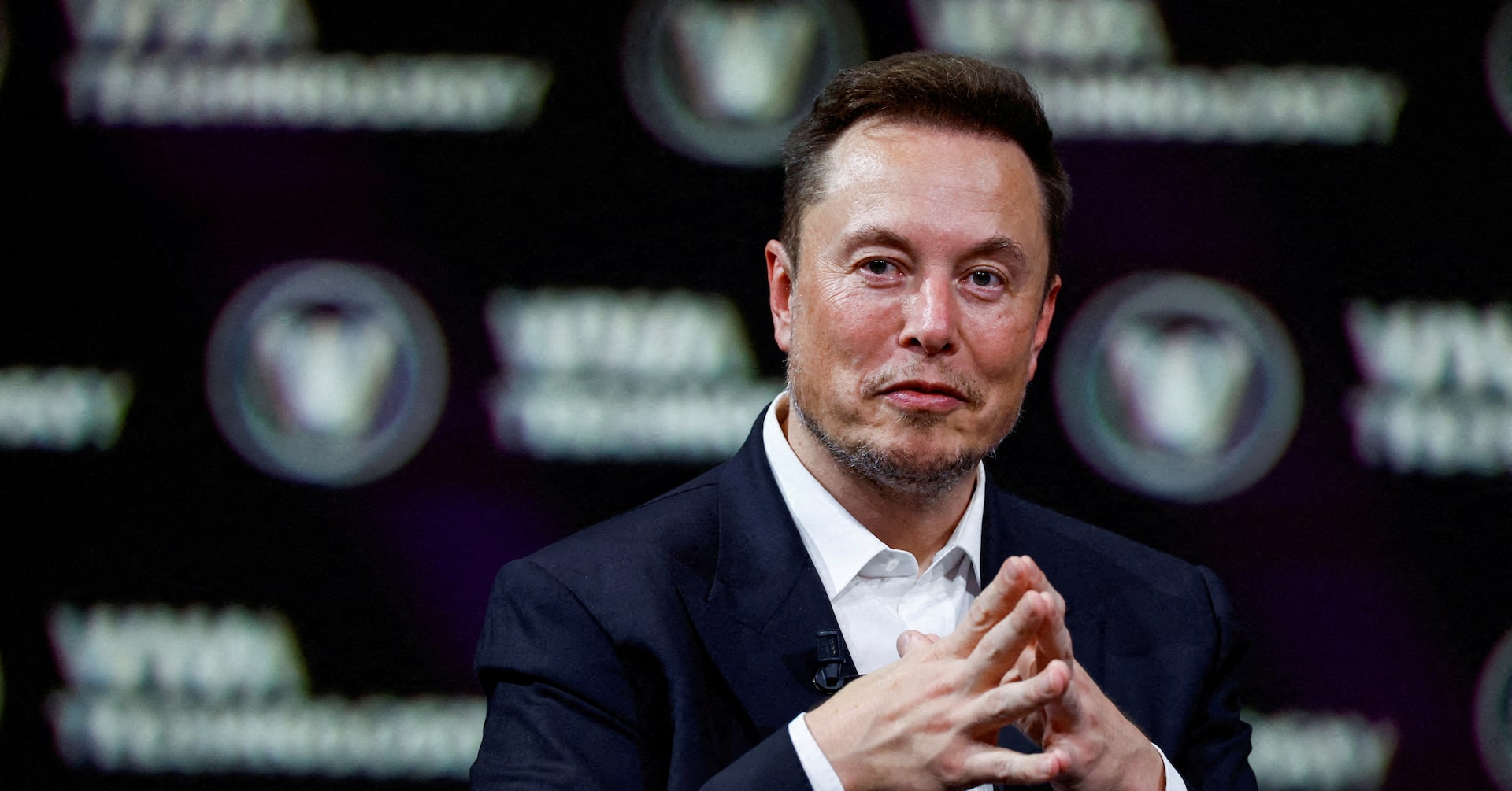
Finland May Approve Tesla's Self-Driving System Ahead of EU Decision
- Finland's Regulatory Update: Finland's transport authority indicated that it may approve Tesla's self-driving assistance system earlier than the anticipated EU-wide decision, paving the way for Tesla's further expansion in the European market.
- Netherlands' Lead Approval: The Netherlands became the first European country to grant provisional approval for Tesla's Full Self-Driving (FSD) system in April, marking a significant advancement for Tesla in Europe and potentially prompting other countries to follow suit.
- Cautious Reception Elsewhere: Countries like Estonia and Belgium have also allowed the technology, although some regulators have expressed caution regarding its safety, which may influence Tesla's promotional strategies in these markets.
- EU-Wide Rollout Potential: Should a qualified majority of member states support it, Tesla's FSD system could see a broader rollout across the EU, positively impacting Tesla's market share and future growth prospects.
See More

SpaceX Sets Record for Largest IPO in Wall Street History


- Record IPO Size: On June 12, SpaceX successfully went public, setting the record for the largest initial public offering (IPO) in Wall Street history, raising nearly three times the capital of the previous record holder, Saudi Aramco, indicating strong market confidence in its future potential.
- Market Valuation Surge: On its debut, SpaceX's market cap briefly approached $3 trillion, reflecting extraordinary retail investor demand for its dual focus on artificial intelligence and the space economy, although such demand may prove unsustainable over time.
- Price Volatility Risk: According to Truist Financial, tech-driven IPOs over the past 14 years have experienced an average drawdown of 55% within the first 12 months, suggesting that SpaceX's stock could fall to $101.53 in the coming year, highlighting its high volatility and investment risks.
- Lockup Period Impact: SpaceX's staggered lockup period for insiders may lead to significant selling pressure on retail investors after the initial hype fades, compounded by the company's plans to issue debt and equity for infrastructure expansion, increasing the risk of shareholder dilution.
See More
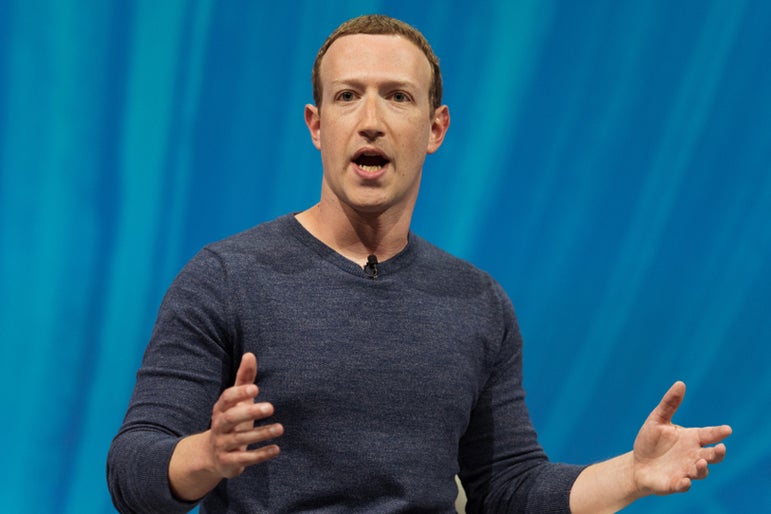
SpaceX Sets Record for Largest IPO in History
- Record IPO: On June 12, SpaceX made history by launching the largest IPO on Wall Street, raising nearly three times the capital of the previous record holder, Saudi Aramco, and briefly reaching a market cap of nearly $3 trillion, showcasing its immense potential in the AI and space economy sectors.
- Strong Investor Demand: Retail investor interest in SpaceX shares has been extraordinarily high due to CEO Musk's successful track record with Tesla, despite historical data indicating that tech IPOs typically experience an average drawdown of 55% in their first year, suggesting SpaceX could be an unusual outlier.
- Future Price Predictions: Analysts forecast that SpaceX's share price could reach $401 by the end of 2027, with a market cap of $5.3 trillion; however, considering historical trends, a maximum drawdown could push its price down to $101.53, reflecting significant uncertainty regarding its future performance.
- Lockup Period Risks: Unlike the typical 180-day lockup period, SpaceX's staggered lockup allows insiders to sell shares based on various time and performance metrics, which could severely impact retail investors and lead to increased stock price volatility.
See More
Impact of SpaceX IPO on Tesla Stock
- Market Valuation Comparison: SpaceX's market cap stands at $2 trillion, while Tesla's is at $1.5 trillion, despite Tesla nearing $98 billion in annual sales and boasting a stronger profitability with a 4.9% operating margin.
- Revenue and Loss Analysis: SpaceX generated only $19.3 billion in revenue over the past year, incurring a loss of $8.7 billion, whereas Tesla has been profitable since 2019, generating $7 billion in free cash flow annually, highlighting significant financial health differences.
- Future Growth Potential: SpaceX's future revenue is heavily tied to AI infrastructure, with a projected market opportunity of $26.5 trillion, while Tesla aims for higher valuations through autonomous driving software and robotics, potentially pushing its market cap to $5 trillion.
- Strategic Collaboration Outlook: SpaceX and Tesla share engineering resources and intellectual property, with plans to deepen their strategic collaboration, potentially considering a merger, which could lead to Tesla's stock being acquired at a higher valuation by SpaceX, influencing investor decisions.
See More
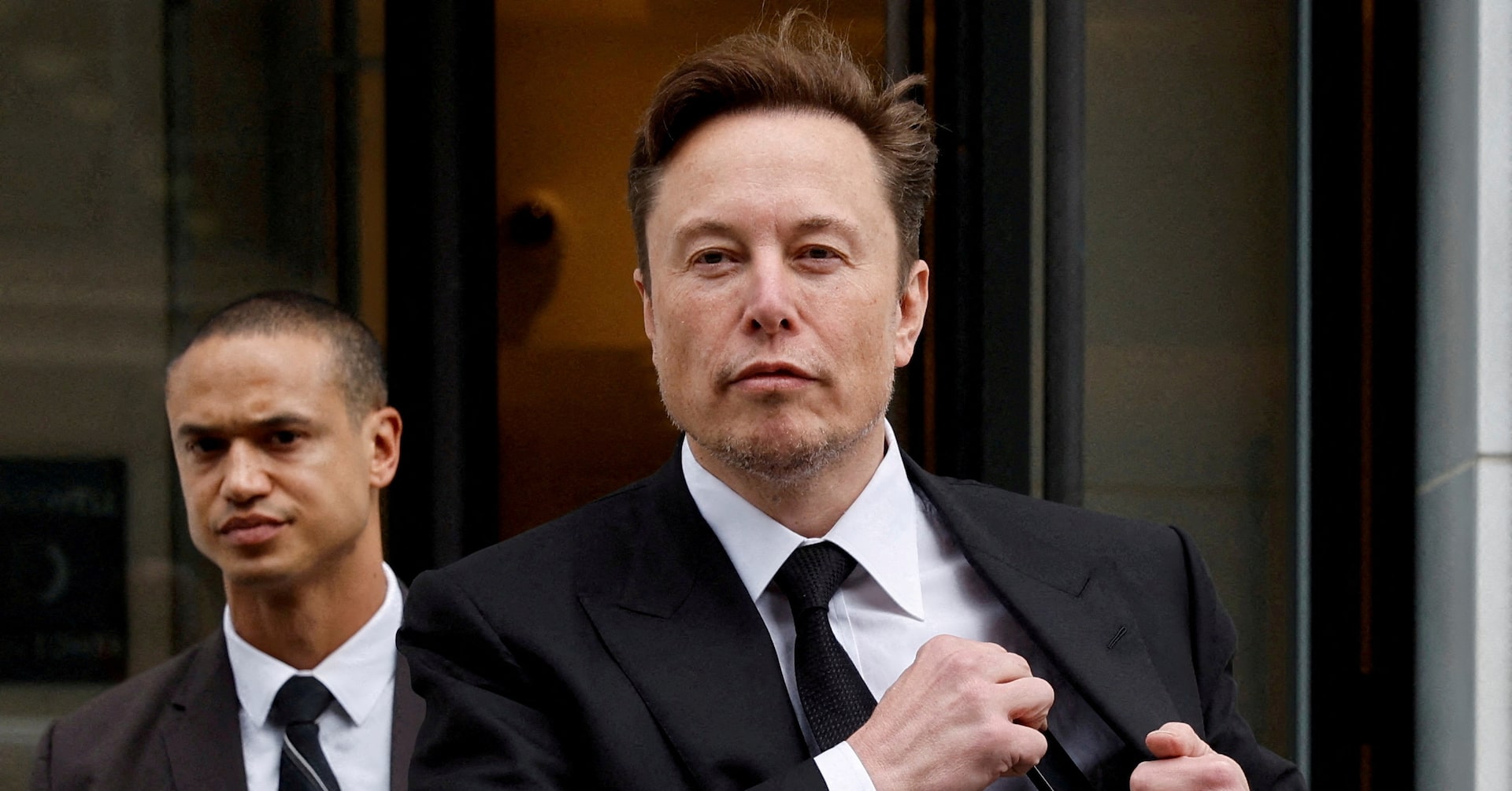
Investment Comparison: SpaceX vs. Tesla
- Financial Performance Comparison: Tesla boasts nearly $98 billion in annual sales and has been profitable since 2019, generating $7 billion in free cash flow, while SpaceX's revenue stands at only $19.3 billion with a staggering loss of $8.7 billion, highlighting a significant disparity in financial health between the two.
- Market Valuation Discrepancy: Despite Tesla's market cap of $1.5 trillion, SpaceX is valued at $2 trillion, yet it faces a more precarious financial situation with over $30 billion in debt and nearly $20 billion in annual cash burn, reflecting differing market expectations regarding future prospects.
- Strategic Collaboration Potential: SpaceX plans to deepen its strategic collaboration with Tesla by sharing engineering resources and intellectual property, which could lay the groundwork for a future merger, potentially using SpaceX's higher valuation to acquire Tesla, thereby impacting both companies' market dynamics.
- Investment Recommendations: Although SpaceX garners significant attention for its technological innovations, the analyst team has not included it among the best stocks to buy currently, indicating a cautious stance on its future profitability, suggesting investors consider more stable options.
See More
Tesla Q2 Delivery Estimates Raised Amid Challenges
- Analyst Estimates Raised: RBC, UBS, and Goldman Sachs project Tesla's Q2 deliveries to exceed 400,000 units, reflecting optimism about improving sales trends despite a 14% year-over-year decline from last year's 384,122 deliveries, indicating challenges during the company's transition.
- Impact of New Models: Tesla's discontinuation of Model S and X production in Q2 is seen as a strategic shift towards robotaxi and humanoid robot initiatives, which may pressure traditional vehicle sales, highlighting the company's balancing act between technological innovation and market demand.
- Market Sentiment Volatility: Investor sentiment has been affected by the NHTSA probe into a fatal Tesla crash, leading to a 6% drop in TSLA shares on Tuesday, reflecting uncertainty about the company's future performance, even as analysts remain optimistic about Q2 delivery expectations.
- Retail Investor Reactions: On Stocktwits, retail sentiment around TSLA remains in the 'extremely bearish' territory, with low message volume, yet discussions surged by 493% over the past 30 days, indicating investor concerns about the safety of Tesla's full self-driving technology.
See More
Finland May Approve Tesla's Self-Driving System Ahead of EU Decision
- Finland's Regulatory Update: Finland's transport authority indicated that it may approve Tesla's self-driving assistance system earlier than the anticipated EU-wide decision, paving the way for Tesla's further expansion in the European market.
- Netherlands' Lead Approval: The Netherlands became the first European country to grant provisional approval for Tesla's Full Self-Driving (FSD) system in April, marking a significant advancement for Tesla in Europe and potentially prompting other countries to follow suit.
- Cautious Reception Elsewhere: Countries like Estonia and Belgium have also allowed the technology, although some regulators have expressed caution regarding its safety, which may influence Tesla's promotional strategies in these markets.
- EU-Wide Rollout Potential: Should a qualified majority of member states support it, Tesla's FSD system could see a broader rollout across the EU, positively impacting Tesla's market share and future growth prospects.
See More
SpaceX Sets Record for Largest IPO in Wall Street History
- Record IPO Size: On June 12, SpaceX successfully went public, setting the record for the largest initial public offering (IPO) in Wall Street history, raising nearly three times the capital of the previous record holder, Saudi Aramco, indicating strong market confidence in its future potential.
- Market Valuation Surge: On its debut, SpaceX's market cap briefly approached $3 trillion, reflecting extraordinary retail investor demand for its dual focus on artificial intelligence and the space economy, although such demand may prove unsustainable over time.
- Price Volatility Risk: According to Truist Financial, tech-driven IPOs over the past 14 years have experienced an average drawdown of 55% within the first 12 months, suggesting that SpaceX's stock could fall to $101.53 in the coming year, highlighting its high volatility and investment risks.
- Lockup Period Impact: SpaceX's staggered lockup period for insiders may lead to significant selling pressure on retail investors after the initial hype fades, compounded by the company's plans to issue debt and equity for infrastructure expansion, increasing the risk of shareholder dilution.
See More
SpaceX Sets Record for Largest IPO in History
- Record IPO: On June 12, SpaceX made history by launching the largest IPO on Wall Street, raising nearly three times the capital of the previous record holder, Saudi Aramco, and briefly reaching a market cap of nearly $3 trillion, showcasing its immense potential in the AI and space economy sectors.
- Strong Investor Demand: Retail investor interest in SpaceX shares has been extraordinarily high due to CEO Musk's successful track record with Tesla, despite historical data indicating that tech IPOs typically experience an average drawdown of 55% in their first year, suggesting SpaceX could be an unusual outlier.
- Future Price Predictions: Analysts forecast that SpaceX's share price could reach $401 by the end of 2027, with a market cap of $5.3 trillion; however, considering historical trends, a maximum drawdown could push its price down to $101.53, reflecting significant uncertainty regarding its future performance.
- Lockup Period Risks: Unlike the typical 180-day lockup period, SpaceX's staggered lockup allows insiders to sell shares based on various time and performance metrics, which could severely impact retail investors and lead to increased stock price volatility.
See More
Impact of SpaceX IPO on Tesla Stock
- Market Valuation Comparison: SpaceX's market cap stands at $2 trillion, while Tesla's is at $1.5 trillion, despite Tesla nearing $98 billion in annual sales and boasting a stronger profitability with a 4.9% operating margin.
- Revenue and Loss Analysis: SpaceX generated only $19.3 billion in revenue over the past year, incurring a loss of $8.7 billion, whereas Tesla has been profitable since 2019, generating $7 billion in free cash flow annually, highlighting significant financial health differences.
- Future Growth Potential: SpaceX's future revenue is heavily tied to AI infrastructure, with a projected market opportunity of $26.5 trillion, while Tesla aims for higher valuations through autonomous driving software and robotics, potentially pushing its market cap to $5 trillion.
- Strategic Collaboration Outlook: SpaceX and Tesla share engineering resources and intellectual property, with plans to deepen their strategic collaboration, potentially considering a merger, which could lead to Tesla's stock being acquired at a higher valuation by SpaceX, influencing investor decisions.
See More
Investment Comparison: SpaceX vs. Tesla
- Financial Performance Comparison: Tesla boasts nearly $98 billion in annual sales and has been profitable since 2019, generating $7 billion in free cash flow, while SpaceX's revenue stands at only $19.3 billion with a staggering loss of $8.7 billion, highlighting a significant disparity in financial health between the two.
- Market Valuation Discrepancy: Despite Tesla's market cap of $1.5 trillion, SpaceX is valued at $2 trillion, yet it faces a more precarious financial situation with over $30 billion in debt and nearly $20 billion in annual cash burn, reflecting differing market expectations regarding future prospects.
- Strategic Collaboration Potential: SpaceX plans to deepen its strategic collaboration with Tesla by sharing engineering resources and intellectual property, which could lay the groundwork for a future merger, potentially using SpaceX's higher valuation to acquire Tesla, thereby impacting both companies' market dynamics.
- Investment Recommendations: Although SpaceX garners significant attention for its technological innovations, the analyst team has not included it among the best stocks to buy currently, indicating a cautious stance on its future profitability, suggesting investors consider more stable options.
See More