Moody's Q4 Earnings Exceed Expectations
Written by Emily J. Thompson, Senior Investment Analyst
Updated: Feb 18 2026
0mins
Source: seekingalpha
- Earnings Beat: Moody's reported a Q4 non-GAAP EPS of $3.64, surpassing expectations by $0.20, indicating strong profitability and boosting investor confidence in the company's financial health.
- Significant Revenue Growth: The company achieved Q4 revenue of $1.89 billion, a 13.2% year-over-year increase that exceeded expectations by $20 million, reflecting robust market performance and sustained demand across its services.
- Segment Performance: Revenue growth was driven by a 12% increase in Decision Solutions, 6% in Research and Insights, and 8% in Data & Information, showcasing the company's success in diversifying its business and solidifying its market position.
- Positive Market Outlook: Moody's was upgraded to Buy by Stifel due to favorable debt issuance outlook, leading to a stock price increase, which indicates market optimism regarding its future growth potential and may attract more investor interest.
Trade with 70% Backtested Accuracy
Stop guessing "Should I Buy MCO?" and start using high-conviction signals backed by rigorous historical data.
Sign up today to access powerful investing tools and make smarter, data-driven decisions.
Analyst Views on MCO
Wall Street analysts forecast MCO stock price to rise
10 Analyst Rating
8 Buy
2 Hold
0 Sell
Strong Buy
Current: 456.220

Low
526.00
Averages
586.50
High
660.00
Current: 456.220
Low
526.00
Averages
586.50
High
660.00
About MCO
Moody's Corporation is a global provider of integrated perspectives on risk that empowers organizations and investors to make decisions. The Company's segments include Moody's Analytics (MA) and Moody's Investors Service (MIS). MA segment comprises three interconnected businesses: Research & Insights, which provides credit research, economic analysis and scenario modeling used in investment and risk decisions; Data & Information, which is powered by the database on companies and credit and serves as a critical input to financial analysis and AI model development/risk assessment, and Decision Solutions, a set of cloud-based platforms embedding Moody's data and analytics directly into regulated banking, insurance and KYC workflows. MIS segment publishes credit ratings and provides assessment services on a range of debt obligations, programs and facilities, and the entities that issue such obligations in markets worldwide, including various corporate, and structured finance securities.
About the author

Emily J. Thompson
Emily J. Thompson, a Chartered Financial Analyst (CFA) with 12 years in investment research, graduated with honors from the Wharton School. Specializing in industrial and technology stocks, she provides in-depth analysis for Intellectia’s earnings and market brief reports.

Bitcoin Declines as Fed Signals Rate Hikes Ahead


- Bitcoin Price Fluctuation: Bitcoin traded around $63,000 on June 19, down from $65,000 at the week's start, reflecting market sensitivity to the Fed's interest rate hike signals, which may further weaken investor confidence.
- Bearish Options Traders: Options traders are betting that Bitcoin's price could fall to $52,000 in the coming weeks, indicating a panic sentiment in the market regarding interest rate hikes, potentially leading to more investors exiting digital assets.
- Ethereum Foundation Executive Resignation: Hsiao-Wei Wang, the executive director of the Ethereum Foundation, has resigned, marking turmoil in the organization's leadership that could impact its strategic direction and project advancement.
- New ETF Plans: Franklin Templeton is planning to launch ETFs that convert corporate dividends into Bitcoin, which, if approved, would provide investors with new investment avenues and potentially boost Bitcoin demand.
See More

Moody's Expands Credit Ratings to Tokenized Bonds on Solana


- Expansion of Credit Ratings: Moody's has expanded its credit rating services to include tokenized bonds and fixed-income securities, directly integrating these ratings onto Solana's blockchain, which is expected to enhance investor confidence in tokenized assets and boost Solana's market appeal.
- Increased Trading Efficiency: By converting fixed-income securities into digital tokens, Moody's integration allows investors to trade 24/7 without intermediaries, significantly reducing transaction costs and simplifying the investment process, which is likely to attract more investors.
- Competitive Market Advantage: While Ethereum remains the market leader, Solana's Layer-1 blockchain offers significantly faster speeds, and Moody's support is set to further solidify Solana's competitive position in tokenized asset trading, especially with the upcoming Alpenglow upgrade.
- Future Growth Potential: Moody's backing not only strengthens Solana's prospects as a high-speed highway for blockchain transactions but also indicates its increasing importance among financial institutions, suggesting that despite this year's crypto market volatility, Solana could still have a bright future.
See More

Moody's Integrates Credit Ratings with Solana Blockchain

- Credit Rating Integration: Moody's integration of its credit ratings directly onto Solana's blockchain signifies increased confidence in tokenized assets, which is expected to enhance investor trust and usage frequency on the Solana platform.
- Trading Efficiency Boost: By tokenizing fixed-income securities, Moody's enables these assets to be traded instantly on the blockchain, reducing transaction costs and eliminating the need for intermediaries, allowing investors to trade more swiftly.
- Enhanced Market Competitiveness: While Ethereum remains the market leader, Solana's Layer-1 blockchain is significantly faster, and Moody's support may attract more financial institutions to tokenize assets on Solana, further strengthening its market position.
- Optimistic Future Outlook: Moody's integration not only serves as a vote of confidence for Solana but also indicates potential future collaborations with other blockchains like Ethereum, suggesting ongoing expansion potential for Solana in the blockchain transaction space.
See More

Moody's Expands Credit Rating Services to Tokenized Bonds

- Credit Rating Expansion: Moody's is expanding its credit rating services to cover tokenized bonds and fixed-income securities by directly placing ratings on Solana's blockchain, aiming to enhance investor confidence in tokenized assets and drive their adoption in the blockchain market.
- Efficiency in Trading: By tokenizing fixed-income securities, Moody's enables more efficient bond trading, allowing investors to trade 24/7 without intermediaries, significantly reducing transaction costs and eliminating cumbersome paperwork, thereby greatly enhancing market liquidity.
- Market Outlook for Solana: This move by Moody's provides strong support for Solana, as more financial institutions tokenize assets on the blockchain, Solana is likely to attract more investors, further solidifying its position as an efficient trading platform.
- Technological Competitive Edge: While Ethereum remains the market leader, Solana's Layer-1 blockchain offers significant speed advantages, and Moody's integration signals confidence in Solana's future development, potentially attracting more technological investments and application development.
See More

Moody's Stock Rises on Amazon Quick Integration

- Stock Surge: Moody's shares rose 3.68% to $470.75 during Tuesday's afternoon trading, approaching the highest close since early March, indicating strong market confidence in the new product integration.
- Intelligent Analytics Integration: Moody's connected intelligence is now available in Amazon Quick through a dedicated Model Context Protocol server, allowing AWS customers direct access to Moody's ratings and research, significantly enhancing its competitive edge in the business intelligence sector.
- Rich Data Resources: This integration provides users with detailed data on over 600 million public and private entities, including firmographics, ownership, financials, and macroeconomic forecasts, thereby strengthening customer decision-making capabilities with robust data support.
- Strategic Market Implications: By partnering with Amazon, Moody's not only enhances the visibility of its products but also solidifies its leadership position in the rapidly evolving AI-driven business intelligence market, which is expected to drive future revenue growth.
See More
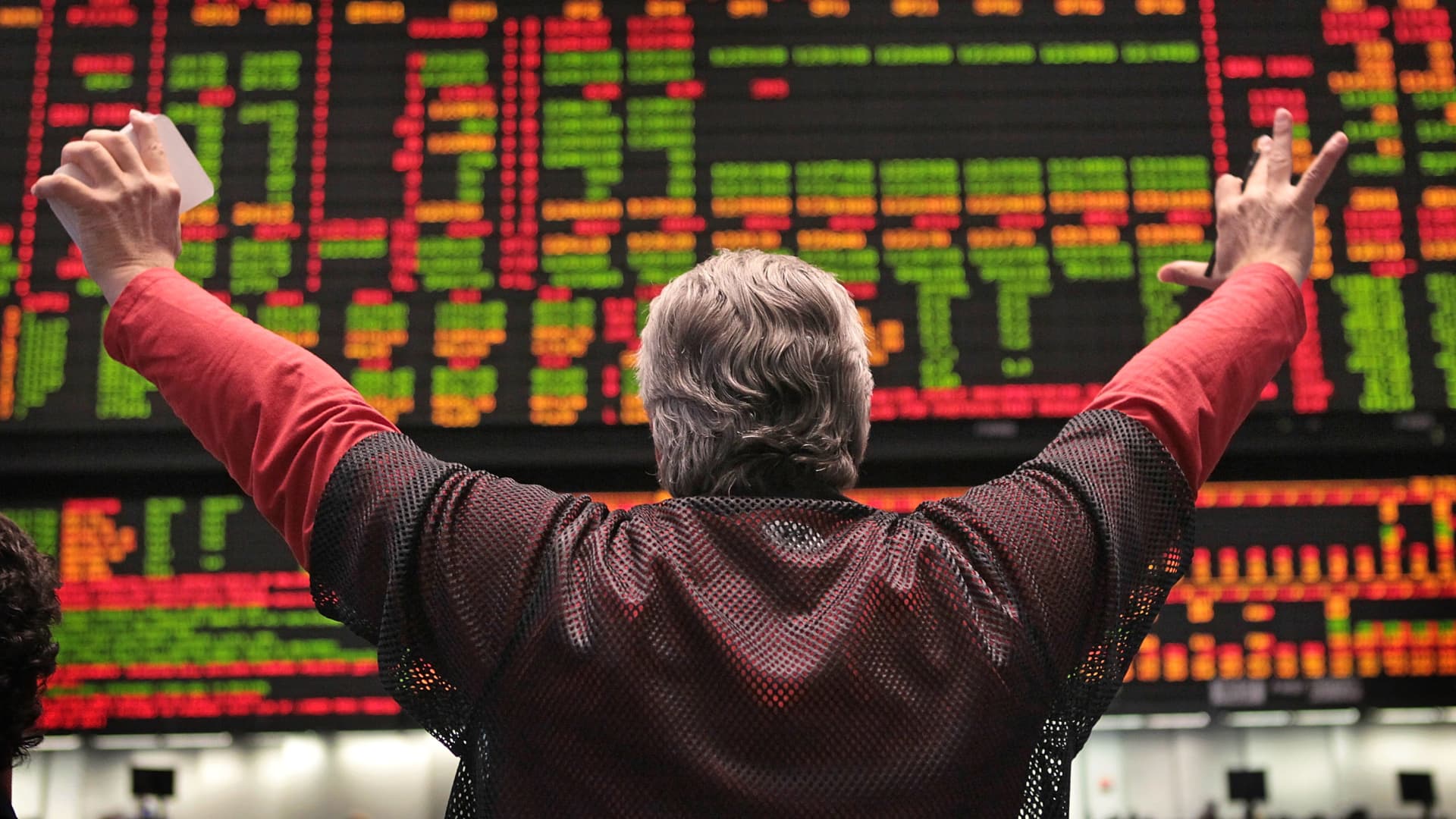
Federal Reserve May Hike Rates, Increasing Household Burdens


- Rate Hike Expectations: Under new Chair Kevin Warsh, the Federal Reserve is expected to keep interest rates steady; however, with current inflation rates approximately double the 2% target, experts suggest a potential rate hike, which could exacerbate financial pressures on households.
- Policy Balancing Challenge: The dual impact of high interest rates and prices poses significant challenges for consumers, necessitating careful balancing in the Fed's decisions, with Americans likely facing higher-than-desired rates in the near future, further straining household budgets.
- Core vs. Trimmed Mean Inflation: Warsh expressed a preference for using the
See More
Bitcoin Declines as Fed Signals Rate Hikes Ahead
- Bitcoin Price Fluctuation: Bitcoin traded around $63,000 on June 19, down from $65,000 at the week's start, reflecting market sensitivity to the Fed's interest rate hike signals, which may further weaken investor confidence.
- Bearish Options Traders: Options traders are betting that Bitcoin's price could fall to $52,000 in the coming weeks, indicating a panic sentiment in the market regarding interest rate hikes, potentially leading to more investors exiting digital assets.
- Ethereum Foundation Executive Resignation: Hsiao-Wei Wang, the executive director of the Ethereum Foundation, has resigned, marking turmoil in the organization's leadership that could impact its strategic direction and project advancement.
- New ETF Plans: Franklin Templeton is planning to launch ETFs that convert corporate dividends into Bitcoin, which, if approved, would provide investors with new investment avenues and potentially boost Bitcoin demand.
See More
Moody's Expands Credit Ratings to Tokenized Bonds on Solana
- Expansion of Credit Ratings: Moody's has expanded its credit rating services to include tokenized bonds and fixed-income securities, directly integrating these ratings onto Solana's blockchain, which is expected to enhance investor confidence in tokenized assets and boost Solana's market appeal.
- Increased Trading Efficiency: By converting fixed-income securities into digital tokens, Moody's integration allows investors to trade 24/7 without intermediaries, significantly reducing transaction costs and simplifying the investment process, which is likely to attract more investors.
- Competitive Market Advantage: While Ethereum remains the market leader, Solana's Layer-1 blockchain offers significantly faster speeds, and Moody's support is set to further solidify Solana's competitive position in tokenized asset trading, especially with the upcoming Alpenglow upgrade.
- Future Growth Potential: Moody's backing not only strengthens Solana's prospects as a high-speed highway for blockchain transactions but also indicates its increasing importance among financial institutions, suggesting that despite this year's crypto market volatility, Solana could still have a bright future.
See More
Moody's Integrates Credit Ratings with Solana Blockchain
- Credit Rating Integration: Moody's integration of its credit ratings directly onto Solana's blockchain signifies increased confidence in tokenized assets, which is expected to enhance investor trust and usage frequency on the Solana platform.
- Trading Efficiency Boost: By tokenizing fixed-income securities, Moody's enables these assets to be traded instantly on the blockchain, reducing transaction costs and eliminating the need for intermediaries, allowing investors to trade more swiftly.
- Enhanced Market Competitiveness: While Ethereum remains the market leader, Solana's Layer-1 blockchain is significantly faster, and Moody's support may attract more financial institutions to tokenize assets on Solana, further strengthening its market position.
- Optimistic Future Outlook: Moody's integration not only serves as a vote of confidence for Solana but also indicates potential future collaborations with other blockchains like Ethereum, suggesting ongoing expansion potential for Solana in the blockchain transaction space.
See More
Moody's Expands Credit Rating Services to Tokenized Bonds
- Credit Rating Expansion: Moody's is expanding its credit rating services to cover tokenized bonds and fixed-income securities by directly placing ratings on Solana's blockchain, aiming to enhance investor confidence in tokenized assets and drive their adoption in the blockchain market.
- Efficiency in Trading: By tokenizing fixed-income securities, Moody's enables more efficient bond trading, allowing investors to trade 24/7 without intermediaries, significantly reducing transaction costs and eliminating cumbersome paperwork, thereby greatly enhancing market liquidity.
- Market Outlook for Solana: This move by Moody's provides strong support for Solana, as more financial institutions tokenize assets on the blockchain, Solana is likely to attract more investors, further solidifying its position as an efficient trading platform.
- Technological Competitive Edge: While Ethereum remains the market leader, Solana's Layer-1 blockchain offers significant speed advantages, and Moody's integration signals confidence in Solana's future development, potentially attracting more technological investments and application development.
See More
Moody's Stock Rises on Amazon Quick Integration
- Stock Surge: Moody's shares rose 3.68% to $470.75 during Tuesday's afternoon trading, approaching the highest close since early March, indicating strong market confidence in the new product integration.
- Intelligent Analytics Integration: Moody's connected intelligence is now available in Amazon Quick through a dedicated Model Context Protocol server, allowing AWS customers direct access to Moody's ratings and research, significantly enhancing its competitive edge in the business intelligence sector.
- Rich Data Resources: This integration provides users with detailed data on over 600 million public and private entities, including firmographics, ownership, financials, and macroeconomic forecasts, thereby strengthening customer decision-making capabilities with robust data support.
- Strategic Market Implications: By partnering with Amazon, Moody's not only enhances the visibility of its products but also solidifies its leadership position in the rapidly evolving AI-driven business intelligence market, which is expected to drive future revenue growth.
See More
Federal Reserve May Hike Rates, Increasing Household Burdens
- Rate Hike Expectations: Under new Chair Kevin Warsh, the Federal Reserve is expected to keep interest rates steady; however, with current inflation rates approximately double the 2% target, experts suggest a potential rate hike, which could exacerbate financial pressures on households.
- Policy Balancing Challenge: The dual impact of high interest rates and prices poses significant challenges for consumers, necessitating careful balancing in the Fed's decisions, with Americans likely facing higher-than-desired rates in the near future, further straining household budgets.
- Core vs. Trimmed Mean Inflation: Warsh expressed a preference for using the
See More