Molson Coors Reintroduces Keystone Ice Amid Value Beer Strategy
Written by Emily J. Thompson, Senior Investment Analyst
Updated: May 04 2026
0mins
Source: seekingalpha
- Brand Relaunch: Molson Coors plans to reintroduce Keystone Ice in 2023 as part of its value beer strategy, responding to consumer demand for low-priced, higher-ABV beers, particularly as many consumers trade down while still seeking recognizable legacy brands.
- Market Context: The Keystone family has been around since 1989, targeting price-conscious drinkers, with Keystone Ice launched in the mid-1990s and registering an ABV of 5.9%, aimed at attracting young adults seeking more alcohol per dollar.
- Strategic Shift: In 2021, Molson Coors announced the permanent discontinuation of Keystone Ice along with ten other economy-tier brands to streamline its portfolio and focus on higher-margin products, indicating a strategic pivot in response to market dynamics.
- Distribution Feedback: During the latest earnings call, Molson Coors management noted that the decision to reintroduce Keystone Ice was extremely well received by the distribution network, highlighting strong market demand for this classic brand.
Trade with 70% Backtested Accuracy
Stop guessing "Should I Buy TAP?" and start using high-conviction signals backed by rigorous historical data.
Sign up today to access powerful investing tools and make smarter, data-driven decisions.
Analyst Views on TAP
Wall Street analysts forecast TAP stock price to rise
15 Analyst Rating
5 Buy
9 Hold
1 Sell
Moderate Buy
Current: 40.570

Low
46.00
Averages
52.00
High
72.00
Current: 40.570
Low
46.00
Averages
52.00
High
72.00
About TAP
Molson Coors Beverage Company is a holding company. The Company operates in two segments: Americas and EMEA&APAC. The Americas segment consists of the production, importing, marketing, distribution and sales of its owned brands and partner brands and licensed brands in the United States, Canada and various countries in Latin America. It operates nine primary breweries, three craft breweries and two container operations. It also includes partnership arrangements for the distribution of beer in Ontario and the western provinces of Canada. The EMEA&APAC segment consists of the production, marketing and sales of its primary brands as well as other owned and licensed brands in Bulgaria, Croatia, Czech Republic, Hungary, Montenegro, the Republic of Ireland, Romania, Serbia, the United Kingdom, various other European countries and certain countries within the Middle East, Africa and Asia Pacific regions. It operates approximately 10 primary breweries, three craft breweries and one cidery.
About the author

Emily J. Thompson
Emily J. Thompson, a Chartered Financial Analyst (CFA) with 12 years in investment research, graduated with honors from the Wharton School. Specializing in industrial and technology stocks, she provides in-depth analysis for Intellectia’s earnings and market brief reports.
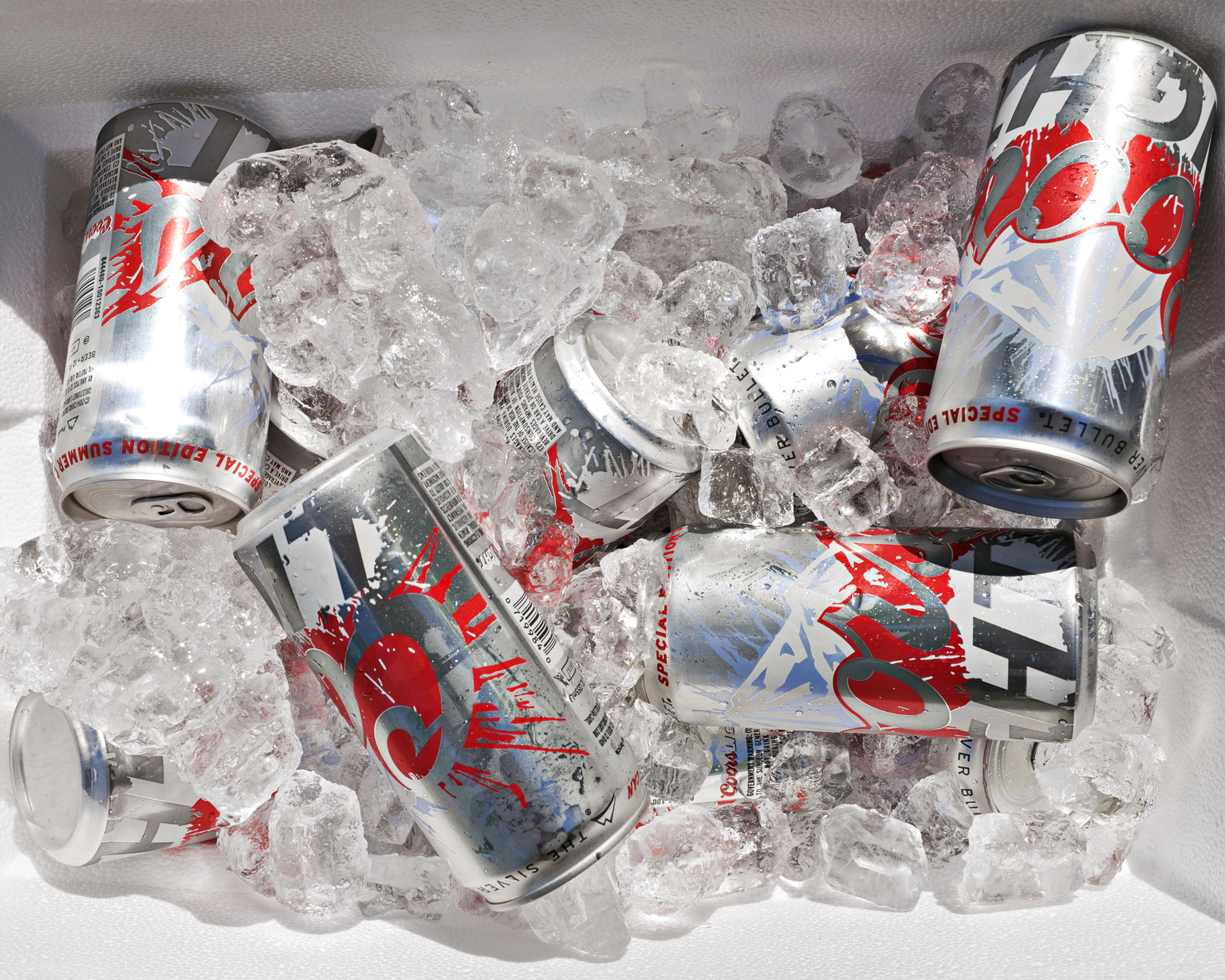
Molson Coors Lowers Full-Year Guidance Amid Price Target Cuts
- Full-Year Guidance Cut: Molson Coors (TAP) faces downward pressure as it lowers its full-year guidance, prompting widespread price target reductions on Wall Street, with Bernstein slashing its target by 40% to $45, despite a 7% upside potential, indicating market concerns about the company's future performance.
- Weak Sales Outlook: The company anticipates flat net sales with a range of plus or minus 1%, and a projected underlying loss decline of 15% to 18% by 2025, highlighting the severe market environment and cost pressures it is facing.
- Significant Aluminum Price Impact: CFO Tracey Joubert estimates that rising aluminum prices will negatively affect pre-tax income growth by 9% to 10%, translating to at least $125 million in additional costs by 2025, demonstrating the direct threat of raw material costs on profitability.
- Negative Market Reaction: Molson Coors shares have dropped over 3%, putting pressure on peers such as The Boston Beer Company (SAM), Anheuser-Busch InBev (BUD), and Constellation Brands (STZ), reflecting investor concerns about the outlook for the entire industry.
See More
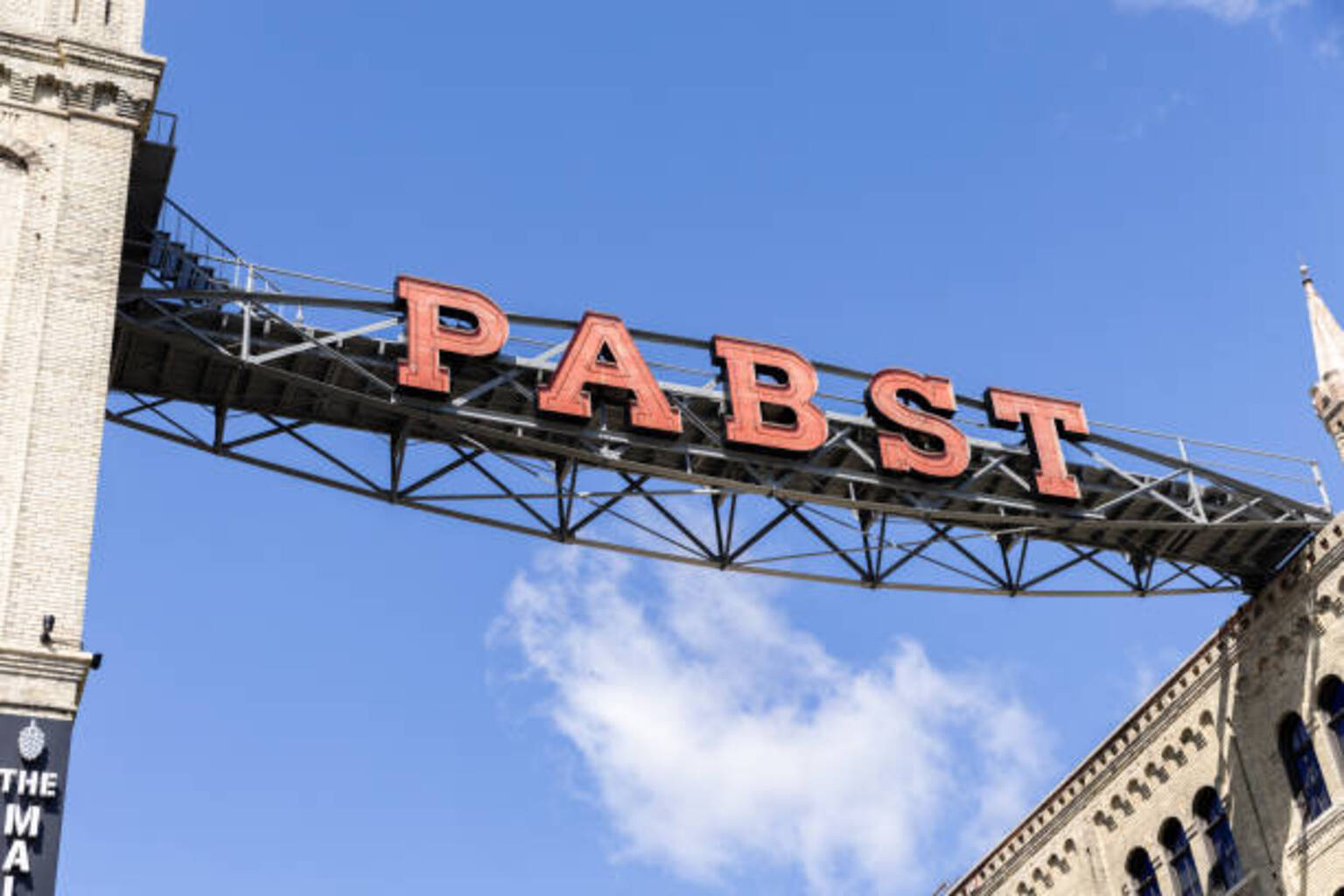
Pabst Brewing Places Schlitz Brand on Hiatus, Ending 177-Year History

- Production Hiatus: Pabst Brewing Company has confirmed the hiatus of Schlitz Premium due to unsustainable economics, indicating that the brand's volume has fallen below the minimum production requirements at the Anheuser-Busch plant in Texas.
- Historic Brand: With a brewing history of 177 years, Schlitz was the largest brewer in the world during the 1950s; however, cost-cutting measures that altered its recipe led to a decline in brand loyalty and sales.
- Market Impact: The cessation of Schlitz production marks the end of an era and reflects broader changes in the U.S. beer market, where many century-old brands face similar challenges, potentially affecting consumer perceptions of traditional brands.
- Cultural Legacy: Schlitz has a rich history in Chicago, having provided drinking water to residents after the Great Chicago Fire of 1871, and its disappearance signifies a significant loss to local culture and history.
See More

Molson Coors Prices $1.5B Senior Notes Offering
- Bond Offering Size: Molson Coors has announced a $1.5 billion senior notes offering, which includes $500 million of 4.900% senior notes due in 2031 and $1 billion of 5.500% senior notes due in 2036, providing crucial funding for the company.
- Clear Use of Proceeds: The funds raised will be used for general purposes, including repaying $2 billion in 3.00% senior notes maturing in 2026, aimed at optimizing the company's capital structure and reducing future interest burdens.
- Strong Underwriter Lineup: Citigroup, BofA Securities, and Goldman Sachs serve as joint book-running managers for this bond offering, reflecting market confidence in Molson Coors and expected to attract significant investor interest.
- Transaction Timeline: The bond offering is set to close around May 27, 2026, pending usual closing conditions, providing the company ample time to prepare and execute related financial strategies.
See More
Molson Coors Announces CAD 500 Million Senior Notes Offering
- Offering Size: Molson Coors is conducting a private placement offering of CAD 500 million in 4.300% Senior Notes through its wholly-owned subsidiary, expected to close on May 27, 2026, indicating the company's active engagement in capital markets and financing capabilities.
- Use of Proceeds: The net proceeds from this offering will be utilized for general corporate purposes, including the repayment of CAD 500 million in 3.44% Senior Notes maturing in 2026, demonstrating the company's strategic intent to optimize its capital structure and reduce financing costs.
- Investor Restrictions: The Notes are sold exclusively to Canadian investors under Regulation S, and have not been qualified under Canadian securities laws, reflecting the company's cautious approach to compliance and market positioning.
- Legal Compliance: The Notes are not registered under the U.S. Securities Act and will not be offered in the U.S. unless registered, highlighting the company's emphasis on legal compliance and strategic considerations in international markets.
See More

Molson Coors Launches Canadian Dollar Private Offering
- International Expansion: Molson Coors Beverage (TAP) has launched a private offering denominated in Canadian dollars through its international unit, aimed at enhancing its financing capabilities in the Canadian market, although specific funding amounts have not been disclosed.
- Market Reaction: The introduction of this private offering may have a neutral impact on Molson Coors' stock price, as the market's response to its financing strategy remains unclear, prompting investors to monitor subsequent market developments.
- Strategic Significance: Through this private offering, Molson Coors aims to optimize its capital structure and strengthen its competitiveness in international markets, particularly in the rapidly evolving beverage industry landscape.
- Future Outlook: While detailed financial data is currently lacking, the success of this private offering will directly influence Molson Coors' future investment plans and market expansion strategies.
See More
Molson Coors Launches Private Placement of Senior Notes
- Private Placement Announcement: Molson Coors International LP has initiated a private placement in Canada for Canadian dollar-denominated senior notes, expected to close around May 27, 2026, indicating the company's focus on optimizing its capital structure.
- Clear Use of Proceeds: The net proceeds from this offering will be utilized for general corporate purposes, including the repayment of CAD $500 million in 3.44% senior notes, reflecting the company's proactive strategy in debt management.
- Compliance and Restrictions: The notes will be sold exclusively to Canadian investors under Regulation S, and have not been registered under U.S. securities laws, demonstrating the company's cautious approach to legal compliance.
- Market Outlook: Molson Coors' debt management strategy aligns with its long-term growth objectives, aiming to enhance financial flexibility through capital structure optimization to support future business expansion and competitive positioning.
See More
Molson Coors Lowers Full-Year Guidance Amid Price Target Cuts
- Full-Year Guidance Cut: Molson Coors (TAP) faces downward pressure as it lowers its full-year guidance, prompting widespread price target reductions on Wall Street, with Bernstein slashing its target by 40% to $45, despite a 7% upside potential, indicating market concerns about the company's future performance.
- Weak Sales Outlook: The company anticipates flat net sales with a range of plus or minus 1%, and a projected underlying loss decline of 15% to 18% by 2025, highlighting the severe market environment and cost pressures it is facing.
- Significant Aluminum Price Impact: CFO Tracey Joubert estimates that rising aluminum prices will negatively affect pre-tax income growth by 9% to 10%, translating to at least $125 million in additional costs by 2025, demonstrating the direct threat of raw material costs on profitability.
- Negative Market Reaction: Molson Coors shares have dropped over 3%, putting pressure on peers such as The Boston Beer Company (SAM), Anheuser-Busch InBev (BUD), and Constellation Brands (STZ), reflecting investor concerns about the outlook for the entire industry.
See More
Pabst Brewing Places Schlitz Brand on Hiatus, Ending 177-Year History
- Production Hiatus: Pabst Brewing Company has confirmed the hiatus of Schlitz Premium due to unsustainable economics, indicating that the brand's volume has fallen below the minimum production requirements at the Anheuser-Busch plant in Texas.
- Historic Brand: With a brewing history of 177 years, Schlitz was the largest brewer in the world during the 1950s; however, cost-cutting measures that altered its recipe led to a decline in brand loyalty and sales.
- Market Impact: The cessation of Schlitz production marks the end of an era and reflects broader changes in the U.S. beer market, where many century-old brands face similar challenges, potentially affecting consumer perceptions of traditional brands.
- Cultural Legacy: Schlitz has a rich history in Chicago, having provided drinking water to residents after the Great Chicago Fire of 1871, and its disappearance signifies a significant loss to local culture and history.
See More
Molson Coors Prices $1.5B Senior Notes Offering
- Bond Offering Size: Molson Coors has announced a $1.5 billion senior notes offering, which includes $500 million of 4.900% senior notes due in 2031 and $1 billion of 5.500% senior notes due in 2036, providing crucial funding for the company.
- Clear Use of Proceeds: The funds raised will be used for general purposes, including repaying $2 billion in 3.00% senior notes maturing in 2026, aimed at optimizing the company's capital structure and reducing future interest burdens.
- Strong Underwriter Lineup: Citigroup, BofA Securities, and Goldman Sachs serve as joint book-running managers for this bond offering, reflecting market confidence in Molson Coors and expected to attract significant investor interest.
- Transaction Timeline: The bond offering is set to close around May 27, 2026, pending usual closing conditions, providing the company ample time to prepare and execute related financial strategies.
See More
Molson Coors Announces CAD 500 Million Senior Notes Offering
- Offering Size: Molson Coors is conducting a private placement offering of CAD 500 million in 4.300% Senior Notes through its wholly-owned subsidiary, expected to close on May 27, 2026, indicating the company's active engagement in capital markets and financing capabilities.
- Use of Proceeds: The net proceeds from this offering will be utilized for general corporate purposes, including the repayment of CAD 500 million in 3.44% Senior Notes maturing in 2026, demonstrating the company's strategic intent to optimize its capital structure and reduce financing costs.
- Investor Restrictions: The Notes are sold exclusively to Canadian investors under Regulation S, and have not been qualified under Canadian securities laws, reflecting the company's cautious approach to compliance and market positioning.
- Legal Compliance: The Notes are not registered under the U.S. Securities Act and will not be offered in the U.S. unless registered, highlighting the company's emphasis on legal compliance and strategic considerations in international markets.
See More
Molson Coors Launches Canadian Dollar Private Offering
- International Expansion: Molson Coors Beverage (TAP) has launched a private offering denominated in Canadian dollars through its international unit, aimed at enhancing its financing capabilities in the Canadian market, although specific funding amounts have not been disclosed.
- Market Reaction: The introduction of this private offering may have a neutral impact on Molson Coors' stock price, as the market's response to its financing strategy remains unclear, prompting investors to monitor subsequent market developments.
- Strategic Significance: Through this private offering, Molson Coors aims to optimize its capital structure and strengthen its competitiveness in international markets, particularly in the rapidly evolving beverage industry landscape.
- Future Outlook: While detailed financial data is currently lacking, the success of this private offering will directly influence Molson Coors' future investment plans and market expansion strategies.
See More
Molson Coors Launches Private Placement of Senior Notes
- Private Placement Announcement: Molson Coors International LP has initiated a private placement in Canada for Canadian dollar-denominated senior notes, expected to close around May 27, 2026, indicating the company's focus on optimizing its capital structure.
- Clear Use of Proceeds: The net proceeds from this offering will be utilized for general corporate purposes, including the repayment of CAD $500 million in 3.44% senior notes, reflecting the company's proactive strategy in debt management.
- Compliance and Restrictions: The notes will be sold exclusively to Canadian investors under Regulation S, and have not been registered under U.S. securities laws, demonstrating the company's cautious approach to legal compliance.
- Market Outlook: Molson Coors' debt management strategy aligns with its long-term growth objectives, aiming to enhance financial flexibility through capital structure optimization to support future business expansion and competitive positioning.
See More