Microsoft Faces 15% Stock Decline in 2026 Start Amid AI Spending Concerns
Written by Emily J. Thompson, Senior Investment Analyst
Updated: Feb 19 2026
0mins
Source: Fool
- Stock Volatility: Microsoft has seen a 15% decline in stock price at the start of 2026, including a 10% drop on January 28, indicating investor concerns about the company's future profitability following its latest earnings report.
- Earnings Performance: Although Microsoft exceeded analysts' revenue and earnings per share estimates in its latest report, significant spending on artificial intelligence and data center infrastructure is expected to weaken short-term free cash flow and profitability, leading to negative market reactions.
- Core Business Growth: Microsoft's core operations remain robust, with a 16% increase in Productivity and Business Processes revenue and a 29% rise in Intelligent Cloud revenue, totaling $81.3 billion in overall revenue, demonstrating a solid foundation for long-term growth.
- Investor Sentiment: The current stock decline is viewed as an overreaction by investors to short-term uncertainties, despite strong business performance, suggesting that Microsoft remains a worthwhile investment as a blue-chip stock in the long run.
Trade with 70% Backtested Accuracy
Stop guessing "Should I Buy MSFT?" and start using high-conviction signals backed by rigorous historical data.
Sign up today to access powerful investing tools and make smarter, data-driven decisions.
Analyst Views on MSFT
Wall Street analysts forecast MSFT stock price to rise
34 Analyst Rating
32 Buy
2 Hold
0 Sell
Strong Buy
Current: 378.910

Low
500.00
Averages
631.36
High
678.00
Current: 378.910
Low
500.00
Averages
631.36
High
678.00
About MSFT
Microsoft Corporation is a technology company. The Company develops and supports software, services, devices, and solutions. The Company’s segments include Productivity and Business Processes, Intelligent Cloud, and More Personal Computing. The Productivity and Business Processes segment consists of products and services in its portfolio of productivity, communication, and information services. This segment primarily comprises: Office Commercial, Office Consumer, LinkedIn, and Dynamics business solutions. The Intelligent Cloud segment consists of server products and cloud services, including Azure and other cloud services, SQL Server, Windows Server, Visual Studio, System Center, and related Client Access Licenses (CALs), and Nuance and GitHub; and Enterprise Services, including enterprise support services, industry solutions and Nuance professional services. The More Personal Computing segment primarily comprises Windows, Devices, Gaming, and search and news advertising.
About the author

Emily J. Thompson
Emily J. Thompson, a Chartered Financial Analyst (CFA) with 12 years in investment research, graduated with honors from the Wharton School. Specializing in industrial and technology stocks, she provides in-depth analysis for Intellectia’s earnings and market brief reports.

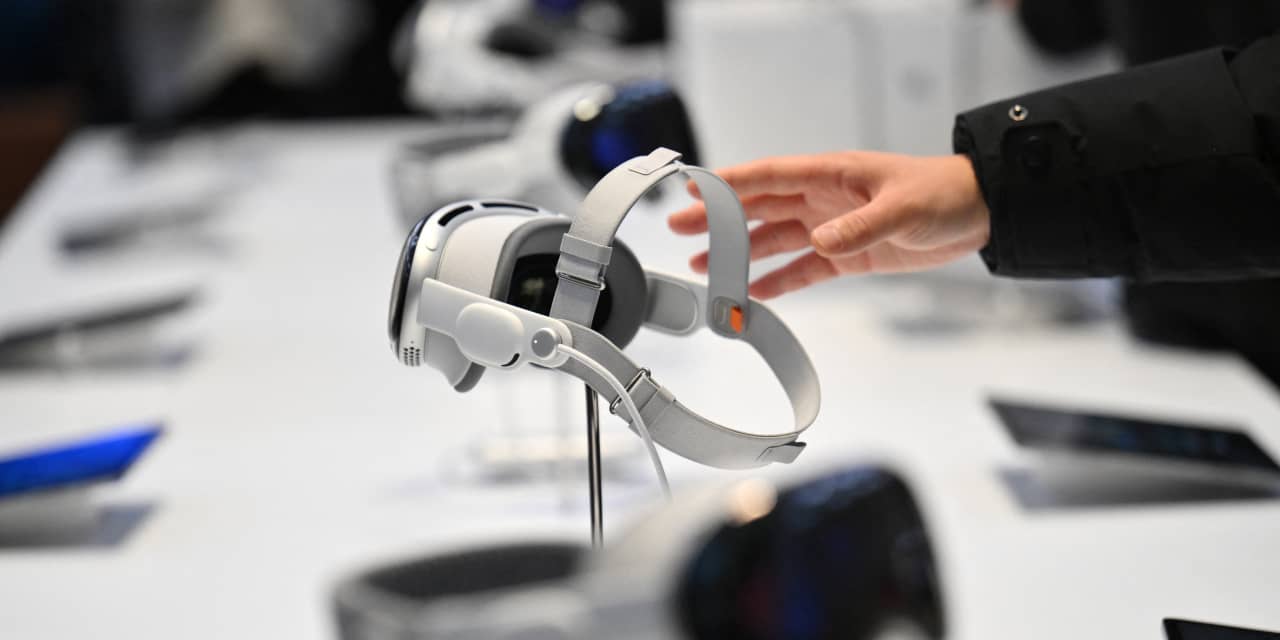
Apple Device Update Limitations Impact Users


- Device Aging Impact: Apple ceases hardware service and software updates for devices after seven years, rendering iPods unable to connect to newer Macs, which limits functionality and negatively impacts user experience and long-term device value.
- Microsoft Office Limitations: Starting July 13, 2026, some Mac users will face reduced functionality in Office applications, unable to edit or save files, forcing users to upgrade their operating systems to maintain full software functionality, which affects work efficiency.
- Update Requirements: Users of Office must meet the requirements of macOS 14 or later and Office version 16.83 or later; those unable to update their older devices will miss out on the latest security patches and features, increasing security risks.
- Widespread User Impact: By 2024, approximately 143 million iPhone users in the U.S. may be affected, and while most users can resolve issues by updating their OS and apps, those with older devices will face greater challenges in continuing to use Office documents.
See More
QQQ Fund Shows Strong Performance, Optimistic AI Investment Outlook

- Significant Annual Returns: As of June 18, 2026, the QQQ fund has risen 20.56% year-to-date and 40.01% over the past year, demonstrating strong market performance that attracts increased investor interest.
- Concentration in Top Holdings: The top three holdings, NVIDIA, Microsoft, and Apple, account for 25% of the fund's total assets, indicating that investors need to manage position sizes carefully to mitigate potential concentration risks and avoid impacts from individual stock volatility.
- Improving Macro Environment: The Fed funds rate has decreased to 3.75%, down 0.75 percentage points over the past 12 months, which enhances the present value of future earnings, providing a better valuation basis for growth stocks and further driving QQQ's growth potential.
- Long-Term Investment Value: With a staggering 591.13% return over the past decade, QQQ demonstrates its potential as a crucial component of retirement portfolios, especially in the current market environment, appealing to investors seeking stable growth.
See More

SpaceX IPO Sparks Investment Frenzy

- Record-Breaking IPO: SpaceX raised approximately $85 billion in its June 12 IPO, achieving a valuation close to $1.8 trillion, marking it as one of the largest IPOs in U.S. history and reflecting strong market interest in the space economy.
- Strong Stock Performance: On its IPO day, SpaceX's stock opened at $135 and closed at $161, representing a 19% gain, with the stock peaking at $229.40 shortly thereafter, indicating investor confidence in its growth potential.
- Revenue Growth Potential: SpaceX's revenue is expected to more than double due to recent compute deals with Anthropic and Alphabet, while Starlink's revenue grew by 50% year-over-year in 2025, boasting a 63% adjusted EBITDA margin, highlighting significant market opportunities.
- Valuation Controversy: Despite optimism about SpaceX's future, its market cap trading at over 100 times trailing revenue raises concerns about valuation, with Morningstar estimating its fair value at only $780 billion, suggesting potential risks for a stock price correction.
See More
SpaceX Stock Soars Nearly 40% Post-IPO Amid Valuation Debate

- IPO Fundraising Scale: SpaceX raised approximately $85 billion in its June 12 IPO, achieving a valuation close to $1.8 trillion, marking the largest IPO in U.S. history and demonstrating strong market confidence in its growth potential.
- First Day Trading Performance: The stock opened at $150 on IPO day and closed at $161, representing a 19% gain, with a peak of $229.40 shortly thereafter, surpassing Microsoft's market cap, reflecting investor optimism about its future prospects.
- Revenue Growth Potential: SpaceX's revenue is expected to more than double due to recent compute deals with Anthropic and Alphabet, while Starlink achieved a 50% year-over-year growth in 2025 with a 63% adjusted EBITDA margin, indicating significant untapped market opportunities.
- Valuation Controversy: Despite substantial stock gains, SpaceX trades at over 100 times its trailing revenue, with Morningstar estimating its fair value at only $780 billion, highlighting a significant divergence in market expectations and the need for investors to carefully assess risks.
See More

Tech Companies Face Rising Debt Risks Amid AI Expansion

- Increased Debt Financing Demand: With tech giants like Amazon, Google, Microsoft, and Meta projected to invest $750 billion in AI infrastructure by 2026, the demand for debt financing has surged, particularly as rising interest rates increase borrowing costs, impacting the present value of future cash flows.
- Cash Flow Strain: An anticipated capital expenditure of up to $920 billion poses a risk of negative free cash flow for many tech companies, with Amazon expected to report negative cash flow, indicating that these firms are facing challenges similar to traditional capital-intensive industries.
- Heightened Rate Impact: Fed Chairman Kevin Warsh's indication of a potential rate hike in 2026 has triggered equity sell-offs and rising rates, with the 10-year Treasury yield nearing 4.45%, placing greater pressure on tech companies that rely on future profits, especially smaller firms.
- Shifting Market Reactions: Investors are beginning to pay attention to interest rates and inflation data, requiring tech investors to adapt to a new market environment, where debt financing has become a critical strategy for expansion in the high-risk AI investment sector, despite facing higher borrowing costs.
See More

Tech Giants Face Rising Debt Amid Cash Flow Strains

- Rising Debt Burden: Tech giants are significantly increasing debt for data center expansions, with a potential rate hike in 2026 leading to equity sell-offs and higher borrowing costs, intensifying pressure on smaller tech firms.
- Surge in Capital Expenditure: Goldman Sachs projects capital expenditures to approach $920 billion in 2023, with capital spending as a percentage of cash flow at its highest since the dot-com era, indicating a sharp rise in funding needs for tech companies.
- Cash Flow Volatility: Amazon is expected to report negative free cash flow this year, highlighting the challenges faced by tech firms in capital-intensive sectors, prompting investors to monitor access to debt and equity markets for financing.
- Individual Company Risk Assessment: Despite sector-wide pressures, Nvidia's free cash flow surged to $48.5 billion in the latest quarter, showcasing its strong cash reserves that provide financing flexibility and alleviate concerns over debt risks.
See More
Apple Device Update Limitations Impact Users
- Device Aging Impact: Apple ceases hardware service and software updates for devices after seven years, rendering iPods unable to connect to newer Macs, which limits functionality and negatively impacts user experience and long-term device value.
- Microsoft Office Limitations: Starting July 13, 2026, some Mac users will face reduced functionality in Office applications, unable to edit or save files, forcing users to upgrade their operating systems to maintain full software functionality, which affects work efficiency.
- Update Requirements: Users of Office must meet the requirements of macOS 14 or later and Office version 16.83 or later; those unable to update their older devices will miss out on the latest security patches and features, increasing security risks.
- Widespread User Impact: By 2024, approximately 143 million iPhone users in the U.S. may be affected, and while most users can resolve issues by updating their OS and apps, those with older devices will face greater challenges in continuing to use Office documents.
See More
QQQ Fund Shows Strong Performance, Optimistic AI Investment Outlook
- Significant Annual Returns: As of June 18, 2026, the QQQ fund has risen 20.56% year-to-date and 40.01% over the past year, demonstrating strong market performance that attracts increased investor interest.
- Concentration in Top Holdings: The top three holdings, NVIDIA, Microsoft, and Apple, account for 25% of the fund's total assets, indicating that investors need to manage position sizes carefully to mitigate potential concentration risks and avoid impacts from individual stock volatility.
- Improving Macro Environment: The Fed funds rate has decreased to 3.75%, down 0.75 percentage points over the past 12 months, which enhances the present value of future earnings, providing a better valuation basis for growth stocks and further driving QQQ's growth potential.
- Long-Term Investment Value: With a staggering 591.13% return over the past decade, QQQ demonstrates its potential as a crucial component of retirement portfolios, especially in the current market environment, appealing to investors seeking stable growth.
See More
SpaceX IPO Sparks Investment Frenzy
- Record-Breaking IPO: SpaceX raised approximately $85 billion in its June 12 IPO, achieving a valuation close to $1.8 trillion, marking it as one of the largest IPOs in U.S. history and reflecting strong market interest in the space economy.
- Strong Stock Performance: On its IPO day, SpaceX's stock opened at $135 and closed at $161, representing a 19% gain, with the stock peaking at $229.40 shortly thereafter, indicating investor confidence in its growth potential.
- Revenue Growth Potential: SpaceX's revenue is expected to more than double due to recent compute deals with Anthropic and Alphabet, while Starlink's revenue grew by 50% year-over-year in 2025, boasting a 63% adjusted EBITDA margin, highlighting significant market opportunities.
- Valuation Controversy: Despite optimism about SpaceX's future, its market cap trading at over 100 times trailing revenue raises concerns about valuation, with Morningstar estimating its fair value at only $780 billion, suggesting potential risks for a stock price correction.
See More
SpaceX Stock Soars Nearly 40% Post-IPO Amid Valuation Debate
- IPO Fundraising Scale: SpaceX raised approximately $85 billion in its June 12 IPO, achieving a valuation close to $1.8 trillion, marking the largest IPO in U.S. history and demonstrating strong market confidence in its growth potential.
- First Day Trading Performance: The stock opened at $150 on IPO day and closed at $161, representing a 19% gain, with a peak of $229.40 shortly thereafter, surpassing Microsoft's market cap, reflecting investor optimism about its future prospects.
- Revenue Growth Potential: SpaceX's revenue is expected to more than double due to recent compute deals with Anthropic and Alphabet, while Starlink achieved a 50% year-over-year growth in 2025 with a 63% adjusted EBITDA margin, indicating significant untapped market opportunities.
- Valuation Controversy: Despite substantial stock gains, SpaceX trades at over 100 times its trailing revenue, with Morningstar estimating its fair value at only $780 billion, highlighting a significant divergence in market expectations and the need for investors to carefully assess risks.
See More
Tech Companies Face Rising Debt Risks Amid AI Expansion
- Increased Debt Financing Demand: With tech giants like Amazon, Google, Microsoft, and Meta projected to invest $750 billion in AI infrastructure by 2026, the demand for debt financing has surged, particularly as rising interest rates increase borrowing costs, impacting the present value of future cash flows.
- Cash Flow Strain: An anticipated capital expenditure of up to $920 billion poses a risk of negative free cash flow for many tech companies, with Amazon expected to report negative cash flow, indicating that these firms are facing challenges similar to traditional capital-intensive industries.
- Heightened Rate Impact: Fed Chairman Kevin Warsh's indication of a potential rate hike in 2026 has triggered equity sell-offs and rising rates, with the 10-year Treasury yield nearing 4.45%, placing greater pressure on tech companies that rely on future profits, especially smaller firms.
- Shifting Market Reactions: Investors are beginning to pay attention to interest rates and inflation data, requiring tech investors to adapt to a new market environment, where debt financing has become a critical strategy for expansion in the high-risk AI investment sector, despite facing higher borrowing costs.
See More
Tech Giants Face Rising Debt Amid Cash Flow Strains
- Rising Debt Burden: Tech giants are significantly increasing debt for data center expansions, with a potential rate hike in 2026 leading to equity sell-offs and higher borrowing costs, intensifying pressure on smaller tech firms.
- Surge in Capital Expenditure: Goldman Sachs projects capital expenditures to approach $920 billion in 2023, with capital spending as a percentage of cash flow at its highest since the dot-com era, indicating a sharp rise in funding needs for tech companies.
- Cash Flow Volatility: Amazon is expected to report negative free cash flow this year, highlighting the challenges faced by tech firms in capital-intensive sectors, prompting investors to monitor access to debt and equity markets for financing.
- Individual Company Risk Assessment: Despite sector-wide pressures, Nvidia's free cash flow surged to $48.5 billion in the latest quarter, showcasing its strong cash reserves that provide financing flexibility and alleviate concerns over debt risks.
See More