Micron Technology Projects Earnings of $32.14 for FY 2026 Amid Strong Demand
Written by Emily J. Thompson, Senior Investment Analyst
Updated: Jan 04 2026
0mins
Source: Fool
- Significant Earnings Growth: Micron Technology projects earnings of $32.14 per share for FY 2026, a substantial increase from $8.29 last year, reflecting strong demand from data centers driving a 20% rise in DRAM prices.
- Demand Exceeds Supply: During the FY 2026 Q1 earnings call, management highlighted that memory demand continues to outstrip supply, a condition expected to persist through 2026, further solidifying the company's market position.
- High-Bandwidth Memory Sold Out: Micron has sold out its entire supply of high-bandwidth memory products for 2026, indicating robust demand for advanced memory chips, with the addressable market projected to grow at a 40% annual rate, reaching $100 billion by 2028.
- Caution for Investors: While the current stock price reflects strong market demand, Micron's cyclical history poses investment risks, particularly as further investments in data center infrastructure could potentially drive the stock higher.
Trade with 70% Backtested Accuracy
Stop guessing "Should I Buy MU?" and start using high-conviction signals backed by rigorous historical data.
Sign up today to access powerful investing tools and make smarter, data-driven decisions.
Analyst Views on MU
Wall Street analysts forecast MU stock price to fall
26 Analyst Rating
24 Buy
2 Hold
0 Sell
Strong Buy
Current: 981.610

Low
235.00
Averages
336.12
High
500.00
Current: 981.610
Low
235.00
Averages
336.12
High
500.00
About MU
Micron Technology, Inc. provides memory and storage solutions. The Company delivers a portfolio of high-performance dynamic random-access memory (DRAM), NAND, and NOR memory and storage products through its Micron and Crucial brands. The Company's products enable advancing in artificial intelligence (AI) and compute-intensive applications. Its segments include Cloud Memory Business Unit (CMBU), Core Data Center Business Unit (CDBU), Mobile and Client Business Unit (MCBU) and Automotive and Embedded Business Unit (AEBU). CMBU is focused on memory solutions for large hyperscale cloud customers, and high bandwidth memory (HBM) for all data center customers. CDBU is focused on memory solutions for mid-tier cloud, enterprise, and OEM data center customers and storage solutions for all data center customers. MCBU is focused on memory and storage solutions for mobile and client segments. AEBU is focused on memory and storage solutions for the automotive, industrial, and consumer segments.
About the author

Emily J. Thompson
Emily J. Thompson, a Chartered Financial Analyst (CFA) with 12 years in investment research, graduated with honors from the Wharton School. Specializing in industrial and technology stocks, she provides in-depth analysis for Intellectia’s earnings and market brief reports.
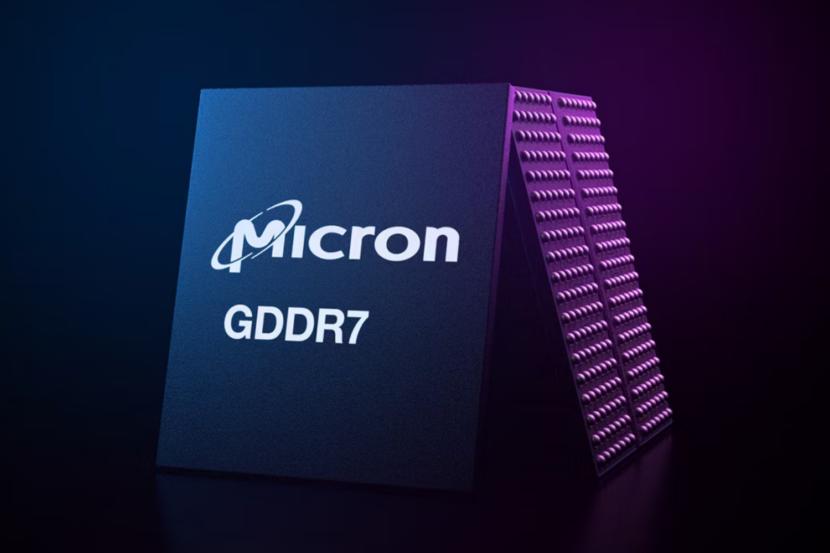
TD Cowen Raises Micron Price Target Significantly Ahead of Earnings

- Price Target Increase: TD Cowen analyst Krish Sankar raised Micron's (MU) price target from $660 to $1,500, reflecting optimism about sustained demand for memory in AI systems outpacing supply, which could drive the stock price higher.
- Earnings Forecast Upgrade: Sankar expects Micron to earn $23 per share in Q3, surpassing Wall Street's estimate of $20, and this positive earnings outlook is likely to boost investor confidence and attract more buying interest.
- Market Focus Areas: Investors will closely monitor updates in Micron's upcoming earnings report regarding pricing, AI server demand, and long-term customer agreements, as these factors could shape expectations for 2027 and further influence stock price movements.
- Market Cycle Confidence: Despite Micron's significant stock price rally this year, TD Cowen's price target increase indicates confidence in the current memory cycle, suggesting that there may still be room for further development in this cycle, enhancing market optimism about Micron's future performance.
See More
Tech Stocks and ETFs Show Promising Growth Potential
- Strong Tech Performance: Over the past decade, the iShares U.S. Technology ETF has achieved a total return of 865%, significantly outperforming the S&P 500's 207%, indicating the immense investment potential within the tech sector and attracting more investor interest.
- Semiconductor-Driven Growth: Nearly half of the ETF's portfolio is allocated to semiconductor stocks, which are experiencing rising demand due to the booming AI technology, suggesting that the ETF's growth potential could further increase as AI continues to thrive.
- Importance of Investment Strategy: While ETFs offer diversified investment options, the volatility of tech stocks in the short term makes a long-term investment strategy crucial for wealth accumulation, prompting investors to choose wisely.
- Intense Market Competition: Despite the strong performance of the iShares U.S. Technology ETF, analysts note that there are currently 10 other stocks considered better investment opportunities, urging investors to pay attention to these potential high-return options.
See More
Micron Technology Stock Surges 240% Amid AI Demand

- Exceptional Financial Performance: Micron Technology reported a remarkable revenue of $23.8 billion in Q2 of fiscal 2026, reflecting a 196% year-over-year increase, while adjusted earnings surged 682% to $12.20 per share, underscoring its strong position as a key supplier in the AI-driven memory chip market.
- Supply and Demand Dynamics: The severe shortage of memory chips has led to NAND and DRAM prices tripling and quadrupling respectively over the past year, which, while boosting Micron's profitability in the short term, raises concerns about the sustainability of such pricing power.
- Cautious Future Outlook: Analysts project that Micron's adjusted earnings could reach $98.52 per share in fiscal 2027, with an annual growth rate of 172%, yet they caution that increased production capacity may lead to oversupply by 2028, potentially triggering price declines and reduced profitability.
- Intensifying Industry Competition: Despite strong financial results, Micron's market share in NAND and DRAM has declined, highlighting the cyclical risks inherent in the memory chip industry, prompting investors to carefully assess the stock's future value amidst increasing competition.
See More

Micron Technology Soars 240%, Expected to Reach $1,500 by 2027
- Outstanding Stock Performance: Micron Technology has seen its stock price soar by 240% year-to-date, making it one of the best performers in the S&P 500, reflecting strong demand and market recognition in the artificial intelligence sector.
- Impressive Financial Results: In the second quarter of fiscal 2026, Micron reported a 196% year-over-year revenue increase to $23.8 billion, with non-GAAP net income surging 682% to $12.20 per diluted share, showcasing robust profitability amid a memory chip supply shortage.
- Intensifying Market Competition: Despite strong financial results, Micron lost market share in NAND and DRAM, indicating a lack of competitive moat, which may lead to increased market pressure in the future.
- Cautious Future Outlook: The memory chip market is expected to face oversupply by 2028; although Micron has secured a five-year contract with hyperscalers to ensure supply, cyclical fluctuations may still lead to significant sales declines, prompting investors to carefully assess the company's future valuation.
See More
Western Digital Stock Surges 16%, Attracts Market Attention

- Stock Surge: Western Digital (WDC) shares surged 16% on Monday, extending a total gain of 33% over the last three sessions, indicating strong market demand and investor confidence that could further drive the company's market capitalization growth.
- Sentiment Shift: On Stocktwits, sentiment for WDC shifted from 'bearish' to 'extremely bullish', with message volume skyrocketing to over 2,900, reflecting a significant increase in retail investor interest that may attract more capital inflows.
- Analyst Optimism: Morgan Stanley raised its price target for WDC from $488 to $650, although this target is below Monday's closing price of $653.53, yet analysts express increased confidence in the strengthening demand for hard disk drives, which is expected to drive future performance growth.
- Industry Recovery: Following the U.S.-Iran peace deal, global market sentiment improved, leading to a broad rally in memory chip stocks, with Western Digital's strong performance potentially leading the industry's recovery and further boosting investor confidence in the sector.
See More

U.S. Markets Surge on Iran Deal Breakthrough


- Positive Market Reaction: U.S. markets surged due to the U.S.-Iran deal, with the S&P 500 closing up 1.65% and the Nasdaq rising 3.07%, indicating investor optimism about easing tensions in the Middle East, which may drive a return to risk assets.
- Oil Price Decline: Despite the stock market rally, oil prices fell, with Brent crude futures up 0.28% to around $83.40 per barrel, as the market believes that lower oil prices will alleviate inflationary pressures, potentially influencing the Fed's rate hike decisions.
- SpaceX's Continued Strength: SpaceX continued its post-debut rally, with shares jumping 20% at close and market capitalization exceeding $2.52 trillion, although analysts noted that the company would need a 50x revenue increase over the next five years to justify its current valuation, highlighting market focus on its future prospects.
- Fed Meeting Outlook: Markets are keenly awaiting the first meeting under new Fed Chair Kevin Warsh this week, with expectations of steady rates, as investors believe that falling oil prices will reduce the need for aggressive hikes, reflecting a cautiously optimistic view on economic health.
See More
TD Cowen Raises Micron Price Target Significantly Ahead of Earnings
- Price Target Increase: TD Cowen analyst Krish Sankar raised Micron's (MU) price target from $660 to $1,500, reflecting optimism about sustained demand for memory in AI systems outpacing supply, which could drive the stock price higher.
- Earnings Forecast Upgrade: Sankar expects Micron to earn $23 per share in Q3, surpassing Wall Street's estimate of $20, and this positive earnings outlook is likely to boost investor confidence and attract more buying interest.
- Market Focus Areas: Investors will closely monitor updates in Micron's upcoming earnings report regarding pricing, AI server demand, and long-term customer agreements, as these factors could shape expectations for 2027 and further influence stock price movements.
- Market Cycle Confidence: Despite Micron's significant stock price rally this year, TD Cowen's price target increase indicates confidence in the current memory cycle, suggesting that there may still be room for further development in this cycle, enhancing market optimism about Micron's future performance.
See More
Tech Stocks and ETFs Show Promising Growth Potential
- Strong Tech Performance: Over the past decade, the iShares U.S. Technology ETF has achieved a total return of 865%, significantly outperforming the S&P 500's 207%, indicating the immense investment potential within the tech sector and attracting more investor interest.
- Semiconductor-Driven Growth: Nearly half of the ETF's portfolio is allocated to semiconductor stocks, which are experiencing rising demand due to the booming AI technology, suggesting that the ETF's growth potential could further increase as AI continues to thrive.
- Importance of Investment Strategy: While ETFs offer diversified investment options, the volatility of tech stocks in the short term makes a long-term investment strategy crucial for wealth accumulation, prompting investors to choose wisely.
- Intense Market Competition: Despite the strong performance of the iShares U.S. Technology ETF, analysts note that there are currently 10 other stocks considered better investment opportunities, urging investors to pay attention to these potential high-return options.
See More
Micron Technology Stock Surges 240% Amid AI Demand
- Exceptional Financial Performance: Micron Technology reported a remarkable revenue of $23.8 billion in Q2 of fiscal 2026, reflecting a 196% year-over-year increase, while adjusted earnings surged 682% to $12.20 per share, underscoring its strong position as a key supplier in the AI-driven memory chip market.
- Supply and Demand Dynamics: The severe shortage of memory chips has led to NAND and DRAM prices tripling and quadrupling respectively over the past year, which, while boosting Micron's profitability in the short term, raises concerns about the sustainability of such pricing power.
- Cautious Future Outlook: Analysts project that Micron's adjusted earnings could reach $98.52 per share in fiscal 2027, with an annual growth rate of 172%, yet they caution that increased production capacity may lead to oversupply by 2028, potentially triggering price declines and reduced profitability.
- Intensifying Industry Competition: Despite strong financial results, Micron's market share in NAND and DRAM has declined, highlighting the cyclical risks inherent in the memory chip industry, prompting investors to carefully assess the stock's future value amidst increasing competition.
See More
Micron Technology Soars 240%, Expected to Reach $1,500 by 2027
- Outstanding Stock Performance: Micron Technology has seen its stock price soar by 240% year-to-date, making it one of the best performers in the S&P 500, reflecting strong demand and market recognition in the artificial intelligence sector.
- Impressive Financial Results: In the second quarter of fiscal 2026, Micron reported a 196% year-over-year revenue increase to $23.8 billion, with non-GAAP net income surging 682% to $12.20 per diluted share, showcasing robust profitability amid a memory chip supply shortage.
- Intensifying Market Competition: Despite strong financial results, Micron lost market share in NAND and DRAM, indicating a lack of competitive moat, which may lead to increased market pressure in the future.
- Cautious Future Outlook: The memory chip market is expected to face oversupply by 2028; although Micron has secured a five-year contract with hyperscalers to ensure supply, cyclical fluctuations may still lead to significant sales declines, prompting investors to carefully assess the company's future valuation.
See More
Western Digital Stock Surges 16%, Attracts Market Attention
- Stock Surge: Western Digital (WDC) shares surged 16% on Monday, extending a total gain of 33% over the last three sessions, indicating strong market demand and investor confidence that could further drive the company's market capitalization growth.
- Sentiment Shift: On Stocktwits, sentiment for WDC shifted from 'bearish' to 'extremely bullish', with message volume skyrocketing to over 2,900, reflecting a significant increase in retail investor interest that may attract more capital inflows.
- Analyst Optimism: Morgan Stanley raised its price target for WDC from $488 to $650, although this target is below Monday's closing price of $653.53, yet analysts express increased confidence in the strengthening demand for hard disk drives, which is expected to drive future performance growth.
- Industry Recovery: Following the U.S.-Iran peace deal, global market sentiment improved, leading to a broad rally in memory chip stocks, with Western Digital's strong performance potentially leading the industry's recovery and further boosting investor confidence in the sector.
See More
U.S. Markets Surge on Iran Deal Breakthrough
- Positive Market Reaction: U.S. markets surged due to the U.S.-Iran deal, with the S&P 500 closing up 1.65% and the Nasdaq rising 3.07%, indicating investor optimism about easing tensions in the Middle East, which may drive a return to risk assets.
- Oil Price Decline: Despite the stock market rally, oil prices fell, with Brent crude futures up 0.28% to around $83.40 per barrel, as the market believes that lower oil prices will alleviate inflationary pressures, potentially influencing the Fed's rate hike decisions.
- SpaceX's Continued Strength: SpaceX continued its post-debut rally, with shares jumping 20% at close and market capitalization exceeding $2.52 trillion, although analysts noted that the company would need a 50x revenue increase over the next five years to justify its current valuation, highlighting market focus on its future prospects.
- Fed Meeting Outlook: Markets are keenly awaiting the first meeting under new Fed Chair Kevin Warsh this week, with expectations of steady rates, as investors believe that falling oil prices will reduce the need for aggressive hikes, reflecting a cautiously optimistic view on economic health.
See More