Michael Burry Sees Acquisition Potential in Lululemon
Written by Emily J. Thompson, Senior Investment Analyst
Updated: Feb 02 2026
0mins
Should l Buy LULU?
Source: seekingalpha
- Investor Interest: Renowned investor Michael Burry labeled Lululemon (LULU) as a “tempting” acquisition candidate, indicating a growing interest in the company for private equity buyouts, which may attract more investor attention.
- Increased Holdings: Burry initiated a 50,000 share position in Lululemon through Scion Management in Q2 2025 and doubled it to 100,000 shares in Q3, raising its portfolio weight to approximately 2%, reflecting his confidence in the company.
- Strong Financials: At the end of Q3, Lululemon held $1 billion in cash and cash equivalents, with the capacity to borrow an additional $593 million under its revolving credit facility, indicating robust financial health and the ability to navigate market fluctuations.
- Stock Price Volatility: Despite a 42% decline in Lululemon's stock price over recent months, shares rose 3% on Monday, suggesting a potential reassessment of the company's future prospects, which may present buying opportunities for investors.
Trade with 70% Backtested Accuracy
Stop guessing "Should I Buy LULU?" and start using high-conviction signals backed by rigorous historical data.
Sign up today to access powerful investing tools and make smarter, data-driven decisions.
Analyst Views on LULU
Wall Street analysts forecast LULU stock price to rise
22 Analyst Rating
1 Buy
21 Hold
0 Sell
Hold
Current: 158.810

Low
146.00
Averages
207.12
High
303.00
Current: 158.810
Low
146.00
Averages
207.12
High
303.00
About LULU
lululemon athletica inc. is a technical athletic apparel, footwear, and accessories company. The Company organizes its operations into four regional markets: the Americas, China Mainland, Asia Pacific (APAC), and Europe and the Middle East (EMEA). It conducts its business through a number of different channels in each market, including the Company-operated stores, e-commerce, temporary locations, wholesale, outlets, a re-commerce program, and license and supply arrangements. The Company offers a comprehensive line of technical athletic apparel, footwear, and accessories marketed under the lululemon brand. Its apparel assortment includes items such as shorts, tops, and jackets designed for a healthy lifestyle, including athletic activities such as yoga, running, training, and most other activities. It also offers apparel designed for being on the move and fitness-inspired accessories. It operates stores in the United States, Canada, China Mainland, Australia, South Korea and others.
About the author

Emily J. Thompson
Emily J. Thompson, a Chartered Financial Analyst (CFA) with 12 years in investment research, graduated with honors from the Wharton School. Specializing in industrial and technology stocks, she provides in-depth analysis for Intellectia’s earnings and market brief reports.
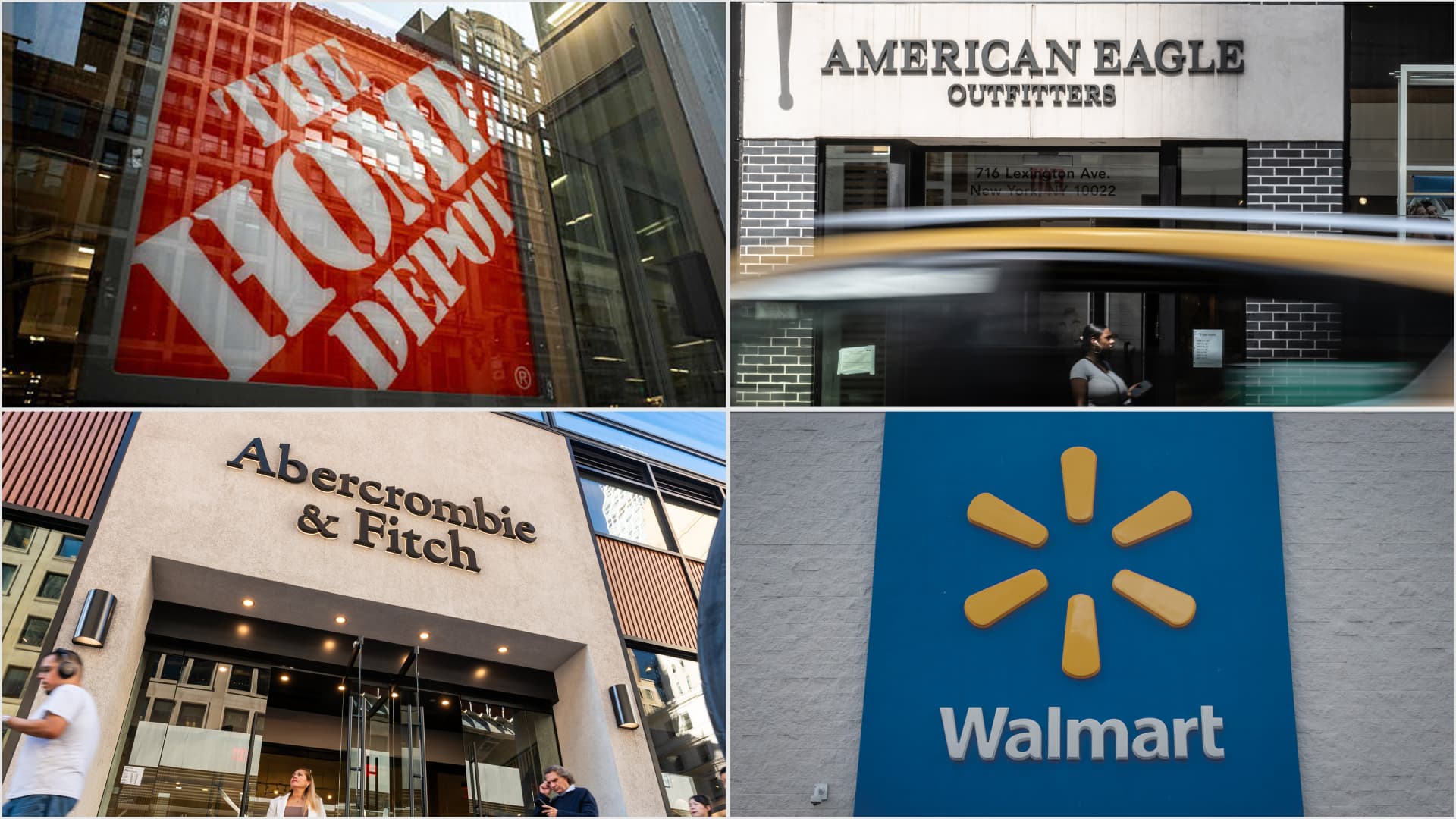
Impact of Trump's Tariffs One Year Later


- Widespread Tariff Impact: Trump's tariff policies have placed significant economic pressure on U.S. businesses over the past year, with approximately 80% to 85% of costs absorbed by companies, leading to reduced profits and increased consumer prices, thereby exacerbating overall economic uncertainty.
- Retail Sector Adaptation: While large retailers like Walmart have emerged relatively unscathed, smaller businesses have been severely impacted, with Home Depot aiming to limit purchases from any single country to 10% to reduce dependency and enhance supply chain flexibility.
- Automotive Industry Cost Surge: Automakers such as General Motors and Toyota are facing tariff impacts estimated at up to $9.5 billion, and although the Trump administration has taken steps to alleviate overlapping tariffs, overall costs remain significant, forcing companies to reassess their supply chain strategies.
- Pharmaceutical Sector Stability: Pharmaceutical companies have secured three-year tariff exemptions through pricing agreements with Trump, although new tariffs impose 100% on companies that do not reach agreements, the overall industry is still striving to increase investments in U.S. manufacturing.
See More

Nike Reports Strong Q3 Earnings, Guidance Raises Concerns

- Earnings Highlights: Nike's fiscal Q3 results showed approximately $11.3 billion in sales and earnings per share of $0.35, surpassing Wall Street's expectation of $0.28, despite an overall revenue decline of about 3% year-over-year.
- China Market Challenges: The Greater China segment saw a 10% year-over-year revenue drop, with management guiding for a 20% decline in the current quarter, raising concerns about future performance and potentially affecting investor confidence.
- Stock Price Reaction: Following the earnings report and guidance, Nike's stock fell over 15%, a significant pullback that has ripple effects across the consumer goods sector, prompting investors to monitor related companies closely.
- Competitor Performance: In contrast, Lululemon reported a 28% sales growth in China and is expected to maintain double-digit growth, indicating strong demand in the region that could impact Nike's market share.
See More

Nike's Earnings Report Triggers Stock Plunge
- Sales Decline in China: Nike's guidance indicates a projected 20% sales decline in China, leading to a stock drop of over 15%, which reflects market concerns about its future performance in a highly competitive consumer goods sector.
- Earnings Beat Expectations: Despite reporting earnings per share of $0.35, surpassing Wall Street's expectation of $0.28, and approximately $11.3 billion in sales, Nike's overall revenue fell 3% year-over-year, highlighting challenges in the global market.
- Comparison with Lululemon and Tapestry: In contrast to Nike, Lululemon achieved a 28% sales growth in China and is expected to maintain double-digit growth, while Tapestry reported a 34% increase in its Chinese sales, illustrating the varying performances of brands in the Chinese market.
- Market Reaction and Investor Focus: Nike's weak performance has drawn attention to other consumer goods companies, particularly Lululemon and Tapestry, as investors closely monitor these firms' results to assess the overall health of the Chinese market.
See More
Nike Reports Disappointing Earnings, Stock Plummets

- Weak Sales: Nike's fiscal Q3 2026 results showed flat year-over-year sales and a 35% decline in net income to $520 million, primarily due to rising tariffs in North America and sluggish performance in China, indicating significant challenges during the company's turnaround phase.
- Narrowing Gross Margin: The company's gross margin contracted by 130 basis points to 40.2%, which not only impacted profitability but also led to a 35% drop in earnings per share to $0.35, reflecting pressures on cost control and market competition.
- Bleak Outlook for China: Management's guidance for a 20% year-over-year decline in sales in China is startling, especially after a 10% drop in Q3, highlighting Nike's loss of market share to competitors in the region.
- Wholesale Channel Growth: Despite challenges, Nike's wholesale revenues increased by 5% year-over-year to $6.5 billion, demonstrating that the company's renewed focus on the wholesale channel is yielding revenue stability in North America and strengthening its financial foundation.
See More

Nike Reports 35% Decline in Q3 Net Income Amid Tariff Pressures
- Significant Net Income Drop: Nike's net income for fiscal Q3 2026 plummeted 35% year-over-year to $520 million, primarily due to a 130 basis point contraction in gross margin to 40.2% from increased North American tariffs, posing considerable pressure on the company's financial health.
- Wholesale Revenue Growth: Despite flat overall sales, Nike's wholesale revenue rose 5% year-over-year to $6.5 billion, indicating a resurgence in the wholesale channel that could support future revenue growth amid ongoing challenges.
- Challenges in China Market: Nike anticipates a startling 20% decline in Greater China sales, particularly concerning given that sales had already fallen 10% in Q3, reflecting the urgency of the company's efforts to clean up market inventory.
- Strong Financial Foundation: Ending the quarter with $8.1 billion in cash and short-term investments, Nike managed to return $609 million to shareholders via dividends in Q3, demonstrating its financial resilience even in the face of significant challenges.
See More
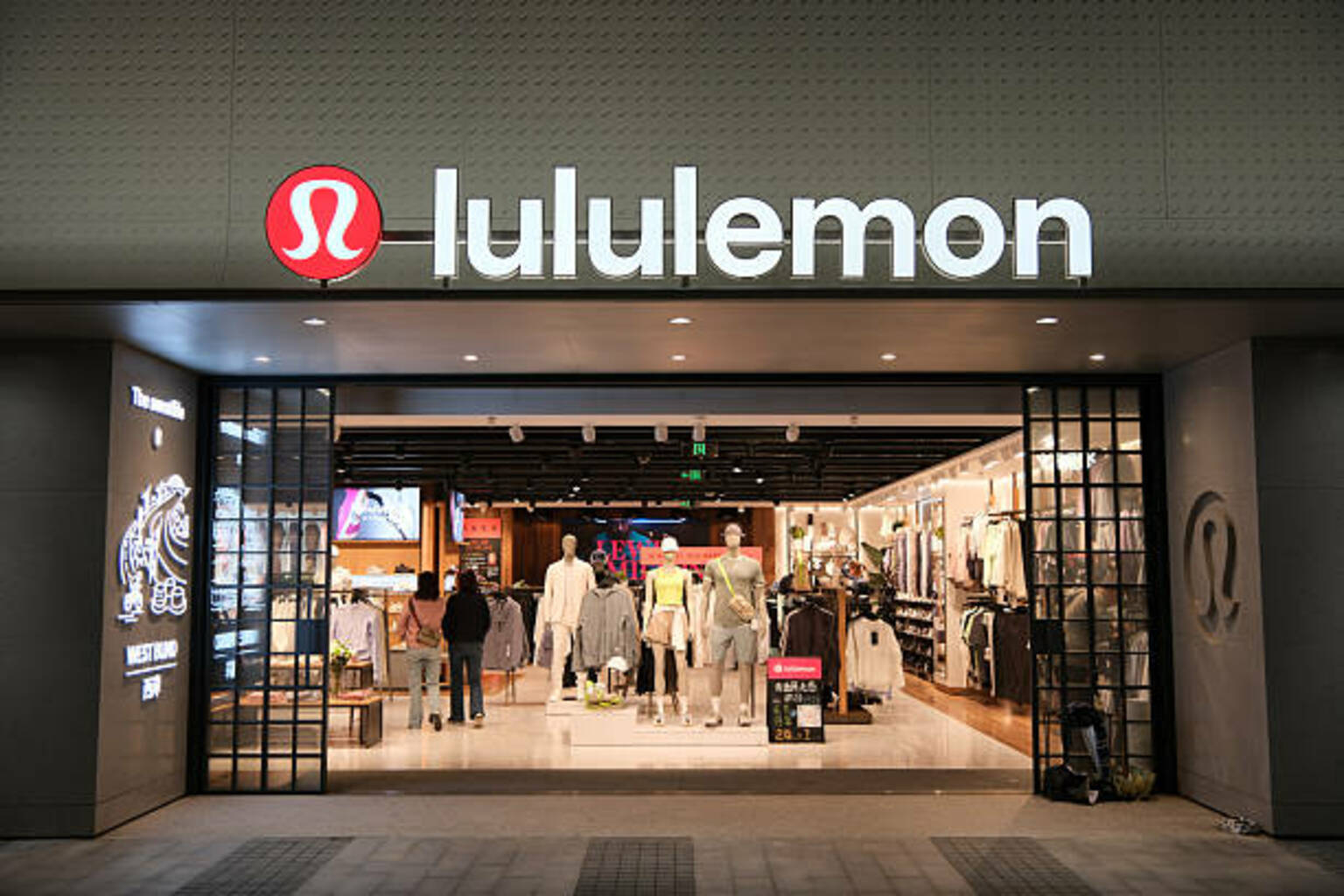
Lululemon Founder Advocates for Management Change
- Shareholder Letter Issued: Lululemon founder Chip Wilson has issued a letter to shareholders urging support for his campaign to implement board changes and new leadership, reflecting his dissatisfaction with the current management team.
- Call for Brand Return: Wilson and his allies argue that Lululemon has drifted from the creative, brand-driven culture they established, seeking shareholder backing for a fresh slate of board nominees to restore the company's original spirit.
- Stock Price Warning: The letter highlights the sharp decline in share price following the Breezethrough and Gte Loe recalls, emphasizing the urgency and necessity for management change, which could impact investor confidence.
- Proxy Voting Strategy: Wilson plans to utilize a universal proxy card, allowing shareholders to mix and match candidates from both sides, indicating a more flexible approach in his push for change to enhance shareholder engagement and support.
See More
Impact of Trump's Tariffs One Year Later
- Widespread Tariff Impact: Trump's tariff policies have placed significant economic pressure on U.S. businesses over the past year, with approximately 80% to 85% of costs absorbed by companies, leading to reduced profits and increased consumer prices, thereby exacerbating overall economic uncertainty.
- Retail Sector Adaptation: While large retailers like Walmart have emerged relatively unscathed, smaller businesses have been severely impacted, with Home Depot aiming to limit purchases from any single country to 10% to reduce dependency and enhance supply chain flexibility.
- Automotive Industry Cost Surge: Automakers such as General Motors and Toyota are facing tariff impacts estimated at up to $9.5 billion, and although the Trump administration has taken steps to alleviate overlapping tariffs, overall costs remain significant, forcing companies to reassess their supply chain strategies.
- Pharmaceutical Sector Stability: Pharmaceutical companies have secured three-year tariff exemptions through pricing agreements with Trump, although new tariffs impose 100% on companies that do not reach agreements, the overall industry is still striving to increase investments in U.S. manufacturing.
See More
Nike Reports Strong Q3 Earnings, Guidance Raises Concerns
- Earnings Highlights: Nike's fiscal Q3 results showed approximately $11.3 billion in sales and earnings per share of $0.35, surpassing Wall Street's expectation of $0.28, despite an overall revenue decline of about 3% year-over-year.
- China Market Challenges: The Greater China segment saw a 10% year-over-year revenue drop, with management guiding for a 20% decline in the current quarter, raising concerns about future performance and potentially affecting investor confidence.
- Stock Price Reaction: Following the earnings report and guidance, Nike's stock fell over 15%, a significant pullback that has ripple effects across the consumer goods sector, prompting investors to monitor related companies closely.
- Competitor Performance: In contrast, Lululemon reported a 28% sales growth in China and is expected to maintain double-digit growth, indicating strong demand in the region that could impact Nike's market share.
See More
Nike's Earnings Report Triggers Stock Plunge
- Sales Decline in China: Nike's guidance indicates a projected 20% sales decline in China, leading to a stock drop of over 15%, which reflects market concerns about its future performance in a highly competitive consumer goods sector.
- Earnings Beat Expectations: Despite reporting earnings per share of $0.35, surpassing Wall Street's expectation of $0.28, and approximately $11.3 billion in sales, Nike's overall revenue fell 3% year-over-year, highlighting challenges in the global market.
- Comparison with Lululemon and Tapestry: In contrast to Nike, Lululemon achieved a 28% sales growth in China and is expected to maintain double-digit growth, while Tapestry reported a 34% increase in its Chinese sales, illustrating the varying performances of brands in the Chinese market.
- Market Reaction and Investor Focus: Nike's weak performance has drawn attention to other consumer goods companies, particularly Lululemon and Tapestry, as investors closely monitor these firms' results to assess the overall health of the Chinese market.
See More
Nike Reports Disappointing Earnings, Stock Plummets
- Weak Sales: Nike's fiscal Q3 2026 results showed flat year-over-year sales and a 35% decline in net income to $520 million, primarily due to rising tariffs in North America and sluggish performance in China, indicating significant challenges during the company's turnaround phase.
- Narrowing Gross Margin: The company's gross margin contracted by 130 basis points to 40.2%, which not only impacted profitability but also led to a 35% drop in earnings per share to $0.35, reflecting pressures on cost control and market competition.
- Bleak Outlook for China: Management's guidance for a 20% year-over-year decline in sales in China is startling, especially after a 10% drop in Q3, highlighting Nike's loss of market share to competitors in the region.
- Wholesale Channel Growth: Despite challenges, Nike's wholesale revenues increased by 5% year-over-year to $6.5 billion, demonstrating that the company's renewed focus on the wholesale channel is yielding revenue stability in North America and strengthening its financial foundation.
See More
Nike Reports 35% Decline in Q3 Net Income Amid Tariff Pressures
- Significant Net Income Drop: Nike's net income for fiscal Q3 2026 plummeted 35% year-over-year to $520 million, primarily due to a 130 basis point contraction in gross margin to 40.2% from increased North American tariffs, posing considerable pressure on the company's financial health.
- Wholesale Revenue Growth: Despite flat overall sales, Nike's wholesale revenue rose 5% year-over-year to $6.5 billion, indicating a resurgence in the wholesale channel that could support future revenue growth amid ongoing challenges.
- Challenges in China Market: Nike anticipates a startling 20% decline in Greater China sales, particularly concerning given that sales had already fallen 10% in Q3, reflecting the urgency of the company's efforts to clean up market inventory.
- Strong Financial Foundation: Ending the quarter with $8.1 billion in cash and short-term investments, Nike managed to return $609 million to shareholders via dividends in Q3, demonstrating its financial resilience even in the face of significant challenges.
See More
Lululemon Founder Advocates for Management Change
- Shareholder Letter Issued: Lululemon founder Chip Wilson has issued a letter to shareholders urging support for his campaign to implement board changes and new leadership, reflecting his dissatisfaction with the current management team.
- Call for Brand Return: Wilson and his allies argue that Lululemon has drifted from the creative, brand-driven culture they established, seeking shareholder backing for a fresh slate of board nominees to restore the company's original spirit.
- Stock Price Warning: The letter highlights the sharp decline in share price following the Breezethrough and Gte Loe recalls, emphasizing the urgency and necessity for management change, which could impact investor confidence.
- Proxy Voting Strategy: Wilson plans to utilize a universal proxy card, allowing shareholders to mix and match candidates from both sides, indicating a more flexible approach in his push for change to enhance shareholder engagement and support.
See More