Market Volatility and Risks During Trump's Presidency
Written by Emily J. Thompson, Senior Investment Analyst
Updated: 1 hour ago
0mins
Source: Fool
- Significant Market Returns: During Trump's first term, the Dow Jones, S&P 500, and Nasdaq surged by 57%, 70%, and 142%, respectively, indicating strong market performance but also extreme volatility, suggesting potential risks ahead.
- Valuation Concerns Rise: The Shiller P/E ratio for the S&P 500 is nearing a historical high of 42.84, just 3.5% away from the dot-com bubble peak of 44.19, indicating overvaluation that could lead to significant corrections in the future.
- Margin Debt Surge: As of May 2026, U.S. margin debt reached a record $1.416 trillion, up 54% from $850.6 billion in April 2025, a rapid increase that typically signals investor euphoria and an impending market crash.
- Historical Warning Signals: Since 1871, there have been six instances where the Shiller P/E exceeded 30, all followed by declines of over 20%, suggesting that the current market environment mirrors past high points, indicating a potential for severe market adjustments.
Trade with 70% Backtested Accuracy
Stop guessing "Should I Buy SPCX?" and start using high-conviction signals backed by rigorous historical data.
Sign up today to access powerful investing tools and make smarter, data-driven decisions.
Analyst Views on SPCX
Wall Street analysts forecast SPCX stock price to rise
0 Analyst Rating
0 Buy
0 Hold
0 Sell
Current: 153.000

Low
Averages
High
Current: 153.000
Low
Averages
High
About SPCX
Space Exploration Technologies Corp. designs, manufactures, launches, and operates products and services built on technologies, including rockets and spacecraft. The Company's segments include Space, Connectivity, and artificial intelligence (AI). Its Space segment designs, manufactures, and launches reusable rockets to provide access to space. Its Connectivity segment operates broadband data and communications network powered by approximately 9,600 Starlink broadband and mobile satellites in Low-Earth orbit, delivering connectivity to consumer, enterprises, and government customers over 164 countries, territories, and other markets. In its AI segment, it operates a vertically integrated AI platform spanning its truth-seeking frontier model Grok, AI solutions for consumer and enterprise customers, X-its real-time information, entertainment, and free speech platform and AI computational infrastructure.
About the author

Emily J. Thompson
Emily J. Thompson, a Chartered Financial Analyst (CFA) with 12 years in investment research, graduated with honors from the Wharton School. Specializing in industrial and technology stocks, she provides in-depth analysis for Intellectia’s earnings and market brief reports.

SpaceX Quickly Joins Nasdaq-100 Index Following IPO

- Fast-Track Inclusion: SpaceX has become eligible for the Nasdaq-100 index just 15 trading days post-IPO, highlighting its rapid ascent in the capital markets and likely attracting increased attention from passive investors.
- Index Fund Inflows: With SpaceX's inclusion, over $800 billion in assets will begin purchasing its shares, particularly from index funds and ETFs tracking the Nasdaq-100, which is expected to significantly boost market demand.
- Market Impact: The inclusion of SpaceX marks it as one of the first beneficiaries of Nasdaq's newly adopted fast-track inclusion framework, altering how investors access newly public companies and shortening the waiting period, thereby enhancing market liquidity.
- Float Constraints: Although SpaceX's index weighting is expected to be less than 1%, its relatively small tradable float could necessitate substantial purchases from passive investment vehicles, potentially driving up the stock price.
See More

SpaceX Sets IPO Record at $75 Billion Amid Stock Volatility
- Record IPO Financing: SpaceX raised $75 billion in its initial public offering, setting a new record for IPO financing, with a valuation of $1.77 trillion, indicating strong market confidence in its future potential.
- Stock Price Volatility: Despite an initial price surge post-IPO, SpaceX's stock has declined by 3% as of June 23, reflecting uncertainty in market expectations and advising investors to proceed with caution.
- Lock-Up Period Schedule: Following SEC recommendations, SpaceX has established a lock-up period, with 20% to 30% of shares expected to be released in the coming months, which may exert downward pressure on the stock, particularly after the 90-day mark when the second block of shares is unlocked.
- Changes in Market Liquidity: With only 4% of shares available to the public, the gradual release of additional shares will increase market liquidity, necessitating investor attention to how these changes may impact stock prices.
See More
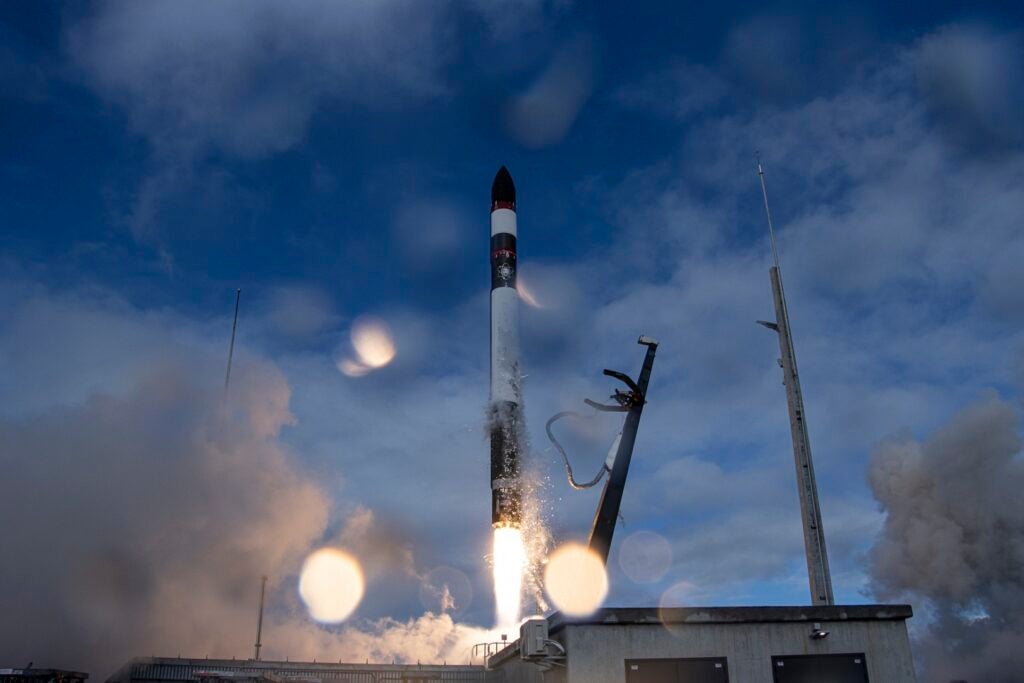
Rocket Lab Stock Plummets 25.3% Amid Broader Market Trends

- Significant Stock Drop: Rocket Lab's stock experienced a sharp decline of 25.3% this week, while the S&P 500 and Nasdaq Composite fell by 2% and 4.6%, respectively, indicating a widespread bearish sentiment towards space stocks in the market.
- Market Trend Impact: Despite the absence of negative news specific to Rocket Lab, investors sold off space stocks due to concerns over potential interest rate hikes by the Federal Reserve, resulting in a 44% drop from the stock's all-time high earlier this year, reflecting a reassessment of growth stocks in the market.
- Successful Launch Progress: Rocket Lab announced the successful deployment of the Pioneer spacecraft for the U.S. Space Force's Victus Haze mission, completing the launch with its Electron rocket within 17 hours of receiving the order, setting a new record for space mission response time and showcasing the company's operational efficiency.
- NASA Contract Approval: The company secured a contract with NASA for three Electron rocket launches to support the PoISIR and TSIS-2 missions, which led to a significant rally in Rocket Lab's stock late in the week, indicating market recognition of the company's future potential despite ongoing volatility in space stocks.
See More
SpaceX IPO Sparks Interest, MercadoLibre and On Holding Show Better Performance


- Successful SpaceX IPO: SpaceX raised $86 billion in its historic IPO, oversubscribed by more than four times; however, investors should remain cautious of its high valuation and spending patterns, which may impact future investment returns.
- Strong Growth for MercadoLibre: In Q1 2026, MercadoLibre's revenue grew 49% year-over-year, with active buyers increasing by 26%, showcasing its leadership in e-commerce and fintech, and despite short-term profit pressures, long-term market opportunities remain significant.
- On Holding Brand Expansion: On Holding's sales increased by 26% year-over-year in Q1 2026, with gross margin rising from 59.9% to 64.2%, indicating robust performance in the premium activewear market, and brand penetration in the U.S. reached 30% for the first time.
- Market Competition Analysis: Compared to SpaceX's 105 price-to-sales ratio, MercadoLibre's price-to-earnings ratio stands at only 43, while On Holding trades at 39, indicating that both companies present more attractive investment opportunities in the current market environment.
See More
Which Company Will Be the Next to Reach a $3 Trillion Valuation?


- Current Market Status: Currently, only three companies exceed a $4 trillion market cap, and while Microsoft is below the $3 trillion mark, it typically surpasses this threshold in favorable market conditions, indicating potential volatility in its market valuation.
- Amazon's AI Potential: With a market cap of $2.5 trillion, Amazon's AWS contributes over half of its profits despite being a small portion of total revenue, highlighting its growth potential and strategic importance in the AI sector.
- TSMC's Growth Opportunity: TSMC, valued at $2.26 trillion, is experiencing a surge in demand for AI chips, with projected revenue growth of 26%, although it still falls short of the $3 trillion threshold, its market position remains strong.
- Broadcom's Strong Outlook: Broadcom, with a market cap of $1.8 trillion, is expected to see its custom AI chip business grow by 62% by 2027, nearly meeting the growth rate required to reach a $3 trillion valuation, showcasing its competitive edge in the future market.
See More
Market Volatility and Risks During Trump's Presidency
- Significant Market Returns: During Trump's first term, the Dow Jones, S&P 500, and Nasdaq surged by 57%, 70%, and 142%, respectively, indicating strong market performance but also extreme volatility, suggesting potential risks ahead.
- Valuation Concerns Rise: The Shiller P/E ratio for the S&P 500 is nearing a historical high of 42.84, just 3.5% away from the dot-com bubble peak of 44.19, indicating overvaluation that could lead to significant corrections in the future.
- Margin Debt Surge: As of May 2026, U.S. margin debt reached a record $1.416 trillion, up 54% from $850.6 billion in April 2025, a rapid increase that typically signals investor euphoria and an impending market crash.
- Historical Warning Signals: Since 1871, there have been six instances where the Shiller P/E exceeded 30, all followed by declines of over 20%, suggesting that the current market environment mirrors past high points, indicating a potential for severe market adjustments.
See More
SpaceX Quickly Joins Nasdaq-100 Index Following IPO
- Fast-Track Inclusion: SpaceX has become eligible for the Nasdaq-100 index just 15 trading days post-IPO, highlighting its rapid ascent in the capital markets and likely attracting increased attention from passive investors.
- Index Fund Inflows: With SpaceX's inclusion, over $800 billion in assets will begin purchasing its shares, particularly from index funds and ETFs tracking the Nasdaq-100, which is expected to significantly boost market demand.
- Market Impact: The inclusion of SpaceX marks it as one of the first beneficiaries of Nasdaq's newly adopted fast-track inclusion framework, altering how investors access newly public companies and shortening the waiting period, thereby enhancing market liquidity.
- Float Constraints: Although SpaceX's index weighting is expected to be less than 1%, its relatively small tradable float could necessitate substantial purchases from passive investment vehicles, potentially driving up the stock price.
See More
SpaceX Sets IPO Record at $75 Billion Amid Stock Volatility
- Record IPO Financing: SpaceX raised $75 billion in its initial public offering, setting a new record for IPO financing, with a valuation of $1.77 trillion, indicating strong market confidence in its future potential.
- Stock Price Volatility: Despite an initial price surge post-IPO, SpaceX's stock has declined by 3% as of June 23, reflecting uncertainty in market expectations and advising investors to proceed with caution.
- Lock-Up Period Schedule: Following SEC recommendations, SpaceX has established a lock-up period, with 20% to 30% of shares expected to be released in the coming months, which may exert downward pressure on the stock, particularly after the 90-day mark when the second block of shares is unlocked.
- Changes in Market Liquidity: With only 4% of shares available to the public, the gradual release of additional shares will increase market liquidity, necessitating investor attention to how these changes may impact stock prices.
See More
Rocket Lab Stock Plummets 25.3% Amid Broader Market Trends
- Significant Stock Drop: Rocket Lab's stock experienced a sharp decline of 25.3% this week, while the S&P 500 and Nasdaq Composite fell by 2% and 4.6%, respectively, indicating a widespread bearish sentiment towards space stocks in the market.
- Market Trend Impact: Despite the absence of negative news specific to Rocket Lab, investors sold off space stocks due to concerns over potential interest rate hikes by the Federal Reserve, resulting in a 44% drop from the stock's all-time high earlier this year, reflecting a reassessment of growth stocks in the market.
- Successful Launch Progress: Rocket Lab announced the successful deployment of the Pioneer spacecraft for the U.S. Space Force's Victus Haze mission, completing the launch with its Electron rocket within 17 hours of receiving the order, setting a new record for space mission response time and showcasing the company's operational efficiency.
- NASA Contract Approval: The company secured a contract with NASA for three Electron rocket launches to support the PoISIR and TSIS-2 missions, which led to a significant rally in Rocket Lab's stock late in the week, indicating market recognition of the company's future potential despite ongoing volatility in space stocks.
See More
SpaceX IPO Sparks Interest, MercadoLibre and On Holding Show Better Performance
- Successful SpaceX IPO: SpaceX raised $86 billion in its historic IPO, oversubscribed by more than four times; however, investors should remain cautious of its high valuation and spending patterns, which may impact future investment returns.
- Strong Growth for MercadoLibre: In Q1 2026, MercadoLibre's revenue grew 49% year-over-year, with active buyers increasing by 26%, showcasing its leadership in e-commerce and fintech, and despite short-term profit pressures, long-term market opportunities remain significant.
- On Holding Brand Expansion: On Holding's sales increased by 26% year-over-year in Q1 2026, with gross margin rising from 59.9% to 64.2%, indicating robust performance in the premium activewear market, and brand penetration in the U.S. reached 30% for the first time.
- Market Competition Analysis: Compared to SpaceX's 105 price-to-sales ratio, MercadoLibre's price-to-earnings ratio stands at only 43, while On Holding trades at 39, indicating that both companies present more attractive investment opportunities in the current market environment.
See More
Which Company Will Be the Next to Reach a $3 Trillion Valuation?
- Current Market Status: Currently, only three companies exceed a $4 trillion market cap, and while Microsoft is below the $3 trillion mark, it typically surpasses this threshold in favorable market conditions, indicating potential volatility in its market valuation.
- Amazon's AI Potential: With a market cap of $2.5 trillion, Amazon's AWS contributes over half of its profits despite being a small portion of total revenue, highlighting its growth potential and strategic importance in the AI sector.
- TSMC's Growth Opportunity: TSMC, valued at $2.26 trillion, is experiencing a surge in demand for AI chips, with projected revenue growth of 26%, although it still falls short of the $3 trillion threshold, its market position remains strong.
- Broadcom's Strong Outlook: Broadcom, with a market cap of $1.8 trillion, is expected to see its custom AI chip business grow by 62% by 2027, nearly meeting the growth rate required to reach a $3 trillion valuation, showcasing its competitive edge in the future market.
See More
Market Volatility and Risks During Trump's Presidency
- Significant Market Returns: During Trump's first term, the Dow Jones, S&P 500, and Nasdaq surged by 57%, 70%, and 142%, respectively, indicating strong market performance but also extreme volatility, suggesting potential risks ahead.
- Valuation Concerns Rise: The Shiller P/E ratio for the S&P 500 is nearing a historical high of 42.84, just 3.5% away from the dot-com bubble peak of 44.19, indicating overvaluation that could lead to significant corrections in the future.
- Margin Debt Surge: As of May 2026, U.S. margin debt reached a record $1.416 trillion, up 54% from $850.6 billion in April 2025, a rapid increase that typically signals investor euphoria and an impending market crash.
- Historical Warning Signals: Since 1871, there have been six instances where the Shiller P/E exceeded 30, all followed by declines of over 20%, suggesting that the current market environment mirrors past high points, indicating a potential for severe market adjustments.
See More