

Lucid Group Faces Deepening Financial Crisis
Written by Emily J. Thompson, Senior Investment Analyst
Updated: Feb 04 2026
0mins
Should l Buy LCID?
Source: Fool
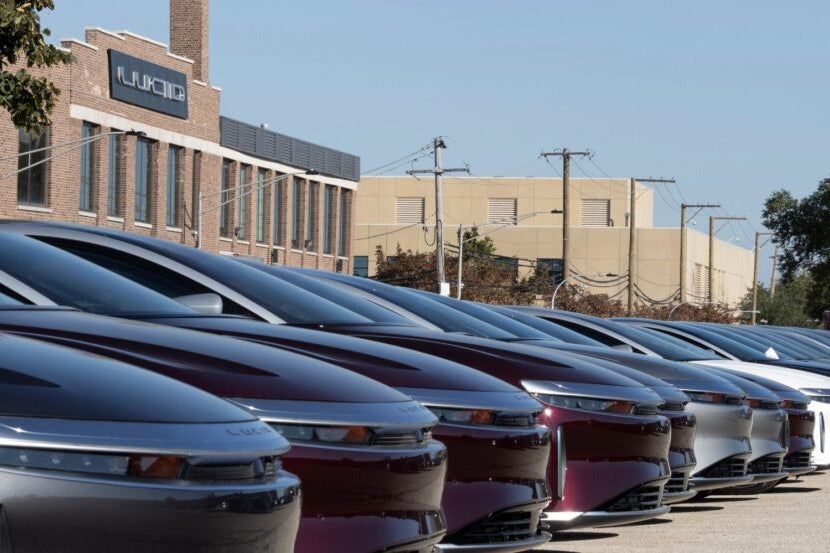
- Weak Revenue Growth: Lucid Group reported $337 million in revenue for Q3 2025, a 68.5% increase from Q3 2024, but new vehicle deliveries only rose by 47% year-over-year, indicating insufficient market demand to sustain growth.
- Cash Flow Crisis: The company burned through nearly half of its cash reserves in 2025, starting the year with over $5 billion and dropping to $2.9 billion by September 30, coupled with $2.8 billion in debt, raising concerns about future operations.
- Out-of-Control Costs: Despite a $136 million revenue increase, costs surged by $257.7 million, leading to only a slight reduction in net losses from $992.5 million in Q3 2024 to $978.4 million in Q3 2025, highlighting ongoing profitability issues.
- Competitive Market Pressure: Lucid's Gravity SUV is priced higher than the Tesla Model Y, and the lack of a competitor to the Model 3 diminishes its appeal to price-sensitive consumers, resulting in a bleak outlook for future sales.
Trade with 70% Backtested Accuracy
Stop guessing "Should I Buy LCID?" and start using high-conviction signals backed by rigorous historical data.
Sign up today to access powerful investing tools and make smarter, data-driven decisions.
Analyst Views on LCID
Wall Street analysts forecast LCID stock price to rise
6 Analyst Rating
1 Buy
4 Hold
1 Sell
Hold
Current: 9.560

Low
10.00
Averages
17.00
High
30.00
Current: 9.560
Low
10.00
Averages
17.00
High
30.00
About LCID
Lucid Group, Inc. is a technology company, which designs, engineers, and manufactures electric vehicles (EVs), EV powertrains, and battery systems in-house using its equipment and factories. It sells vehicles directly to consumers through its retail sales network and through online channels. Its vehicles include Lucid Air and Lucid Gravity. Lucid Air is an advanced sedan, featuring powertrain technology. It offers 420 miles of Environmental Protection Agency (EPA)-estimated range, with an 84-kWh battery pack. The Lucid Air Sapphire is the highest-performance version of the Lucid Air, boasting 1,234 horsepower from three motors, 427 miles of an EPA-estimated range. The Lucid Gravity provides the interior space and practicality of a full-size sport utility vehicle (SUV) within the exterior footprint of a mid-size SUV. It provides space for up to seven adults. It has engineered the Lucid Gravity Grand Touring to deliver up to 450 miles of EPA-estimated range.
About the author

Emily J. Thompson
Emily J. Thompson, a Chartered Financial Analyst (CFA) with 12 years in investment research, graduated with honors from the Wharton School. Specializing in industrial and technology stocks, she provides in-depth analysis for Intellectia’s earnings and market brief reports.
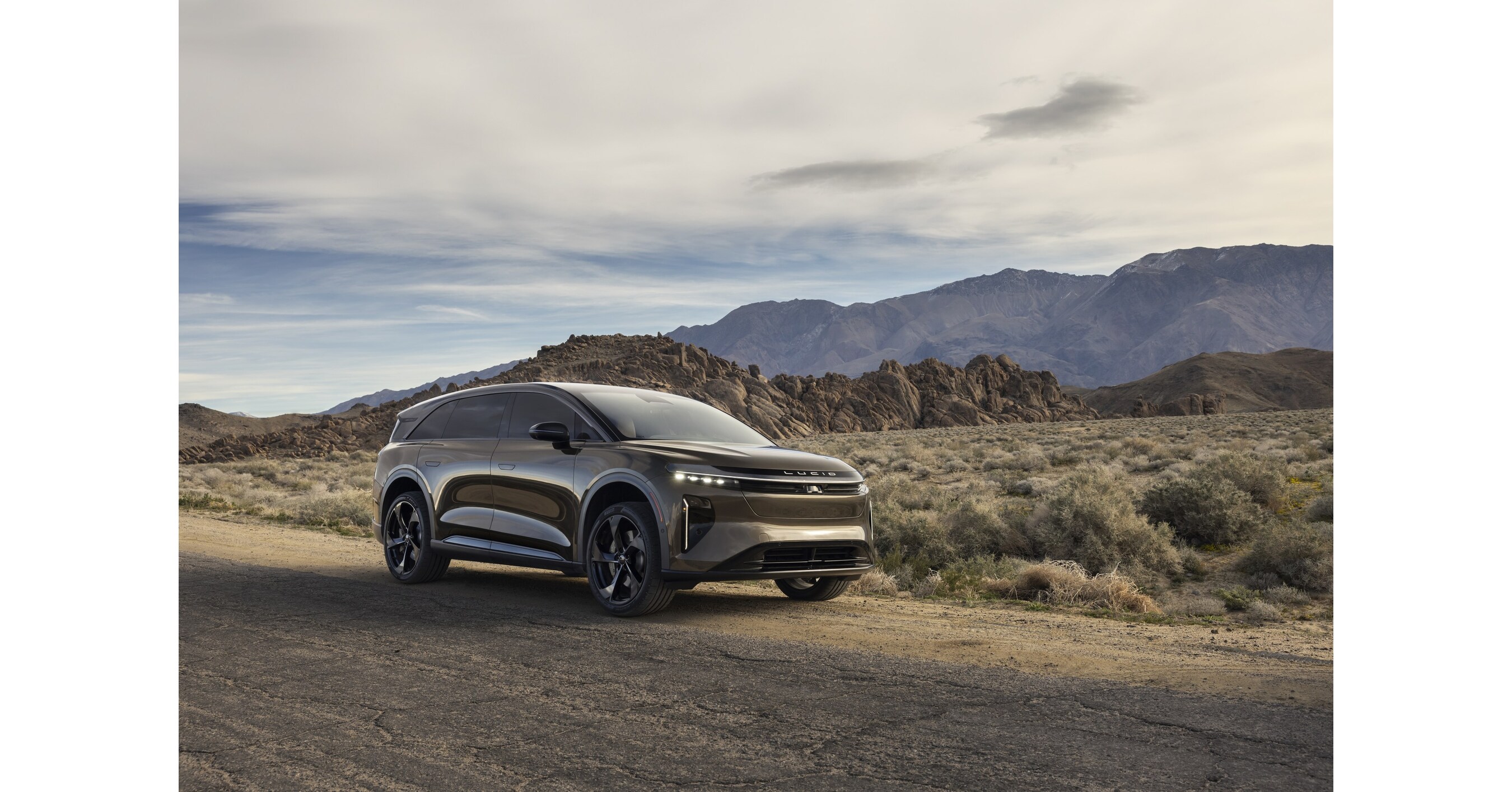
Lucid Gravity Named 2026 World Luxury Car of the Year
- World Luxury Car Award: Lucid Gravity has been named the 2026 World Luxury Car of the Year, highlighting its exceptional performance among electric, hybrid, and internal combustion vehicles, further solidifying Lucid's leadership in the premium automotive market.
- Model Innovation: The Gravity delivers full-size SUV practicality within a midsize footprint, comfortably seating seven passengers while featuring sliding second-row seats and integrated convenience tables, enhancing the back-seat experience for family and adventure needs.
- Exceptional Performance: Built on a brand-new platform with dual motors and all-wheel drive, the Gravity features a standard adjustable air suspension that ensures a smooth ride across various terrains, while its rear-axle steering system enhances high-speed handling and maneuverability in urban settings.
- Charging Efficiency: The high-efficiency powertrain of the Lucid Gravity offers an EPA-estimated range of up to 450 miles, with DC fast charging capable of adding 200 miles in under 11 minutes, ensuring a convenient charging experience at over 32,500 fast charging stations across North America.
See More

SpaceX Achieves Rocket Recovery, IPO on the Horizon


- Rocket Recovery Milestone: In October 2024, SpaceX successfully landed a previously launched rocket, marking a historic first that signifies a major breakthrough in aerospace technology, likely attracting increased investor interest in the space sector.
- Massive IPO Potential: SpaceX is projected to reach a valuation of $1.75 trillion, and if it goes public, it would become the largest IPO in market history, expected to have a profound impact on space-related stocks, similar to Tesla's influence on the electric vehicle market.
- Stock Price Surge: Following the news of SpaceX's impending IPO, stocks of companies like AST SpaceMobile, Rocket Lab, and Firefly Aerospace surged by 12%, 11.78%, and nearly 20% respectively, reflecting growing market confidence in the space economy.
- Reduced Launch Costs: SpaceX's reusable rocket technology is set to significantly lower launch costs, with traditional launches costing up to $1.5 billion compared to SpaceX's average of $62 million, and further reductions are anticipated, promoting sustainable growth in the aerospace industry.
See More

SpaceX IPO Set to Transform Space Economy
- IPO Buzz Ignites Market: SpaceX's impending IPO could value the company at $1.75 trillion, making it the largest IPO in market history, which is expected to instill confidence in space stocks similarly to how Tesla transformed the EV market.
- Space Stocks Surge: Following the IPO news, shares of AST SpaceMobile rose by 12%, Rocket Lab by 11.78%, and Firefly Aerospace by nearly 20%, reflecting a growing optimism and investment enthusiasm in the space sector.
- Significant Cost Reductions: SpaceX's reusable rocket technology has dramatically cut launch costs from approximately $2.1 billion for the Space Shuttle to around $62 million, with expectations for further reductions, enhancing the economic viability of space travel.
- Investment Opportunities in Smaller Firms: As SpaceX's IPO approaches, interest in smaller space companies is rising, encouraging investors to consider these firms ahead of the IPO to capitalize on the anticipated growth in the space economy.
See More
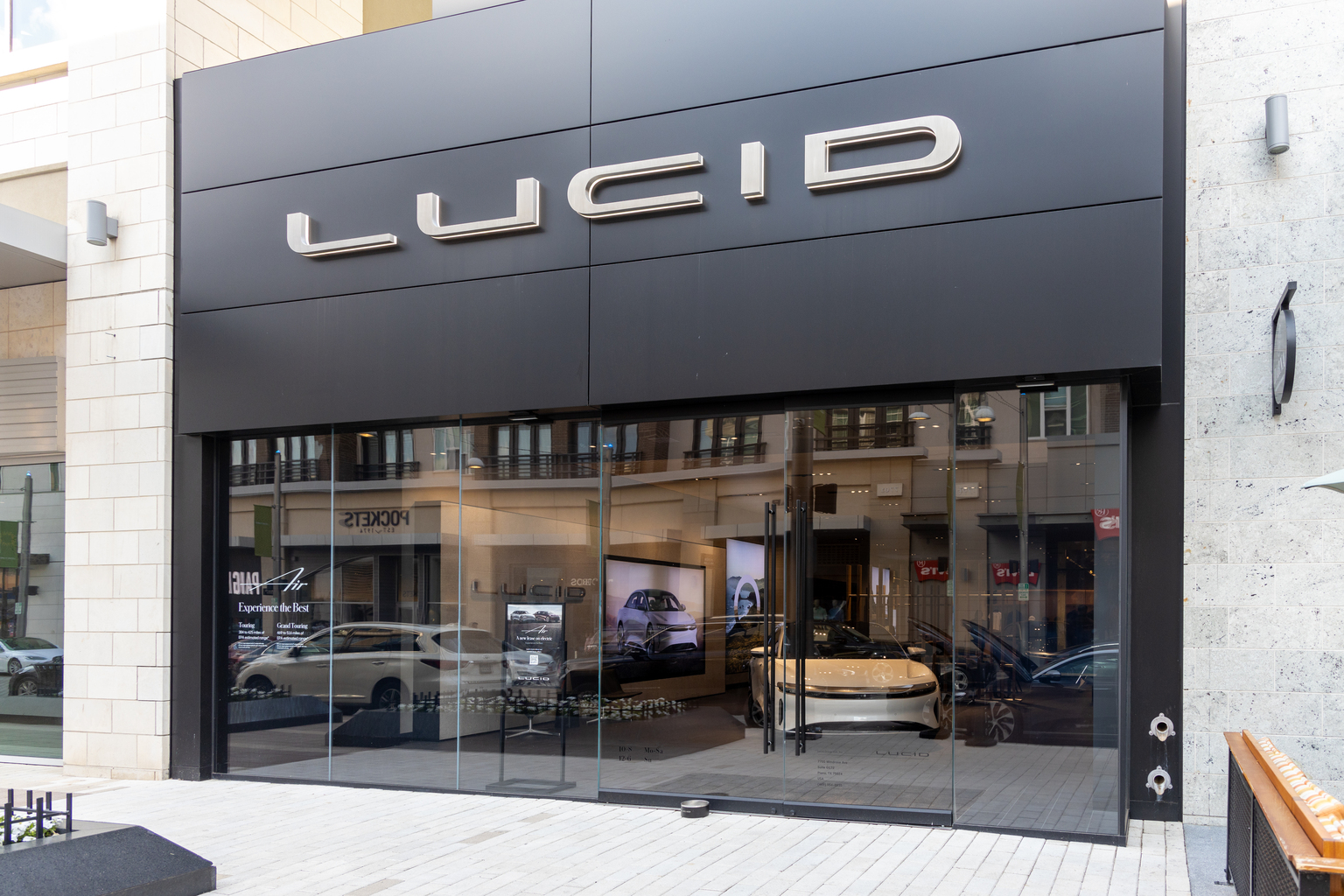
Lucid Unveils 2027 Gravity Lineup with New Features
- New Model Launch: Lucid (LCID) unveiled its 2027 Gravity lineup, with the Gravity Touring SUV featuring standard DreamDrive 2 Premium driver-assistance technology and an additional key fob at a price of $79,000, aimed at enhancing user experience and strengthening market competitiveness.
- Rich Customization Options: The Gravity Touring can be personalized with packages covering comfort and convenience, enhanced technology, power, dynamic handling, and 'Surreal Sound,' catering to diverse consumer preferences and further expanding market share.
- Sales Data Controversy: While Cox Automotive reported that Lucid sold only 230 Gravity units in 2025, Lucid claims sales were 'in the thousands,' acknowledging supply chain issues that hampered production, highlighting the complexities of market challenges and the company's response strategies.
- Production Capacity Enhancement: To meet the demand for upgraded models, Lucid is adding a second shift to the final assembly section of its factory, which is expected to significantly boost production capacity and help the company secure a more advantageous position in the competitive electric vehicle market.
See More
Lucid Group Enhances 2027 Gravity Model Lineup
- Model Updates: Lucid Group announces enhancements to the 2027 Gravity lineup, introducing standard features like the DreamDrive™ 2 Premium driver assistance system, which improves user experience and strengthens market competitiveness.
- Pricing Strategy: The 2027 Gravity Touring starts at $79,900, while the Grand Touring starts at $98,900, reflecting Lucid's pricing strategy and value proposition in the luxury electric vehicle market.
- Market Recognition: Gravity was recently named the 2026 World Luxury Car, highlighting its influence in the global luxury market and laying a foundation for future sales growth.
- Customization Options: The new models offer various personalization options, including the Prestige Package, further catering to consumer demands for luxury and individuality, which is expected to drive sales growth.
See More
Lucid Unveils Updated 2027 Gravity Lineup with Enhanced Features
- Model Update: Lucid enhances the 2027 Gravity lineup with expanded standard features and simplified packaging, reinforcing its position in the global luxury market while improving everyday convenience for consumers.
- Luxury Features: The Gravity Grand Touring introduces the new Prestige Package, which includes 22"/23" wheels, Surreal Sound™ Pro, and Dynamic Handling, priced at $10,500, aimed at attracting high-end buyers seeking exclusivity.
- Market Strategy: As Lucid's second vehicle, Gravity complements the Lucid Air, supporting the company's growth strategy and is expected to enhance its market share in the electric vehicle sector, particularly in the luxury SUV segment.
- Technological Innovation: All Lucid models now come standard with the DreamDrive™ 2 Premium advanced driver assistance system, enhancing safety and convenience, reflecting Lucid's ongoing commitment to technological advancement.
See More
Lucid Gravity Named 2026 World Luxury Car of the Year
- World Luxury Car Award: Lucid Gravity has been named the 2026 World Luxury Car of the Year, highlighting its exceptional performance among electric, hybrid, and internal combustion vehicles, further solidifying Lucid's leadership in the premium automotive market.
- Model Innovation: The Gravity delivers full-size SUV practicality within a midsize footprint, comfortably seating seven passengers while featuring sliding second-row seats and integrated convenience tables, enhancing the back-seat experience for family and adventure needs.
- Exceptional Performance: Built on a brand-new platform with dual motors and all-wheel drive, the Gravity features a standard adjustable air suspension that ensures a smooth ride across various terrains, while its rear-axle steering system enhances high-speed handling and maneuverability in urban settings.
- Charging Efficiency: The high-efficiency powertrain of the Lucid Gravity offers an EPA-estimated range of up to 450 miles, with DC fast charging capable of adding 200 miles in under 11 minutes, ensuring a convenient charging experience at over 32,500 fast charging stations across North America.
See More
SpaceX Achieves Rocket Recovery, IPO on the Horizon
- Rocket Recovery Milestone: In October 2024, SpaceX successfully landed a previously launched rocket, marking a historic first that signifies a major breakthrough in aerospace technology, likely attracting increased investor interest in the space sector.
- Massive IPO Potential: SpaceX is projected to reach a valuation of $1.75 trillion, and if it goes public, it would become the largest IPO in market history, expected to have a profound impact on space-related stocks, similar to Tesla's influence on the electric vehicle market.
- Stock Price Surge: Following the news of SpaceX's impending IPO, stocks of companies like AST SpaceMobile, Rocket Lab, and Firefly Aerospace surged by 12%, 11.78%, and nearly 20% respectively, reflecting growing market confidence in the space economy.
- Reduced Launch Costs: SpaceX's reusable rocket technology is set to significantly lower launch costs, with traditional launches costing up to $1.5 billion compared to SpaceX's average of $62 million, and further reductions are anticipated, promoting sustainable growth in the aerospace industry.
See More
SpaceX IPO Set to Transform Space Economy
- IPO Buzz Ignites Market: SpaceX's impending IPO could value the company at $1.75 trillion, making it the largest IPO in market history, which is expected to instill confidence in space stocks similarly to how Tesla transformed the EV market.
- Space Stocks Surge: Following the IPO news, shares of AST SpaceMobile rose by 12%, Rocket Lab by 11.78%, and Firefly Aerospace by nearly 20%, reflecting a growing optimism and investment enthusiasm in the space sector.
- Significant Cost Reductions: SpaceX's reusable rocket technology has dramatically cut launch costs from approximately $2.1 billion for the Space Shuttle to around $62 million, with expectations for further reductions, enhancing the economic viability of space travel.
- Investment Opportunities in Smaller Firms: As SpaceX's IPO approaches, interest in smaller space companies is rising, encouraging investors to consider these firms ahead of the IPO to capitalize on the anticipated growth in the space economy.
See More
Lucid Unveils 2027 Gravity Lineup with New Features
- New Model Launch: Lucid (LCID) unveiled its 2027 Gravity lineup, with the Gravity Touring SUV featuring standard DreamDrive 2 Premium driver-assistance technology and an additional key fob at a price of $79,000, aimed at enhancing user experience and strengthening market competitiveness.
- Rich Customization Options: The Gravity Touring can be personalized with packages covering comfort and convenience, enhanced technology, power, dynamic handling, and 'Surreal Sound,' catering to diverse consumer preferences and further expanding market share.
- Sales Data Controversy: While Cox Automotive reported that Lucid sold only 230 Gravity units in 2025, Lucid claims sales were 'in the thousands,' acknowledging supply chain issues that hampered production, highlighting the complexities of market challenges and the company's response strategies.
- Production Capacity Enhancement: To meet the demand for upgraded models, Lucid is adding a second shift to the final assembly section of its factory, which is expected to significantly boost production capacity and help the company secure a more advantageous position in the competitive electric vehicle market.
See More
Lucid Group Enhances 2027 Gravity Model Lineup
- Model Updates: Lucid Group announces enhancements to the 2027 Gravity lineup, introducing standard features like the DreamDrive™ 2 Premium driver assistance system, which improves user experience and strengthens market competitiveness.
- Pricing Strategy: The 2027 Gravity Touring starts at $79,900, while the Grand Touring starts at $98,900, reflecting Lucid's pricing strategy and value proposition in the luxury electric vehicle market.
- Market Recognition: Gravity was recently named the 2026 World Luxury Car, highlighting its influence in the global luxury market and laying a foundation for future sales growth.
- Customization Options: The new models offer various personalization options, including the Prestige Package, further catering to consumer demands for luxury and individuality, which is expected to drive sales growth.
See More
Lucid Unveils Updated 2027 Gravity Lineup with Enhanced Features
- Model Update: Lucid enhances the 2027 Gravity lineup with expanded standard features and simplified packaging, reinforcing its position in the global luxury market while improving everyday convenience for consumers.
- Luxury Features: The Gravity Grand Touring introduces the new Prestige Package, which includes 22"/23" wheels, Surreal Sound™ Pro, and Dynamic Handling, priced at $10,500, aimed at attracting high-end buyers seeking exclusivity.
- Market Strategy: As Lucid's second vehicle, Gravity complements the Lucid Air, supporting the company's growth strategy and is expected to enhance its market share in the electric vehicle sector, particularly in the luxury SUV segment.
- Technological Innovation: All Lucid models now come standard with the DreamDrive™ 2 Premium advanced driver assistance system, enhancing safety and convenience, reflecting Lucid's ongoing commitment to technological advancement.
See More




