Lowe's Cautious FY26 Outlook Triggers Stock Sell-Off
Written by Emily J. Thompson, Senior Investment Analyst
Updated: Feb 26 2026
0mins
Source: seekingalpha
- Conservative Financial Guidance: Lowe's conservative guidance for FY26 led to a significant stock sell-off, with CEO Marvin Ellison highlighting the lack of favorable conditions in the housing market, which poses challenges and impacts investor confidence.
- Supply-Demand Imbalance: Industry data reveals a significant gap between buyers, who view home prices as too high and mortgage rates as still elevated, and sellers, who cannot secure contracts as quickly as before, exacerbating market uncertainty.
- Analysts' Optimistic Outlook: Despite challenges, analysts remain bullish on Lowe's future, citing strong comparable sales and the potential for a housing market rebound to support stock performance, with Morgan Stanley suggesting the industry is bottoming out, making Lowe's investment case favorable.
- Strong Professional Segment: The robust performance of the professional segment will offset struggles in the DIY sector, with BofA Securities noting that rising tax refunds and HELOC activity will support Lowe's bottom line, enhancing confidence in future valuation multiple expansion.
Trade with 70% Backtested Accuracy
Stop guessing "Should I Buy LOW?" and start using high-conviction signals backed by rigorous historical data.
Sign up today to access powerful investing tools and make smarter, data-driven decisions.
Analyst Views on LOW
Wall Street analysts forecast LOW stock price to rise
22 Analyst Rating
16 Buy
6 Hold
0 Sell
Moderate Buy
Current: 207.530

Low
250.00
Averages
278.27
High
316.00
Current: 207.530
Low
250.00
Averages
278.27
High
316.00
About LOW
Lowe's Companies, Inc. is a home improvement company. The Company offers a complete line of products for construction, maintenance, repair, remodeling, and decorating. It offers home improvement products in various categories, including appliances, seasonal and outdoor living, lumber, lawn and garden, kitchens and bath, hardware, building materials, millwork, paint, rough plumbing, tools, electrical, flooring, and decor. It is focused on offering a wide selection of national brand-name merchandise complemented by its selection of private brands. Its services include installed sales and Lowe's Protection Plans and Repair Services. The Company offers installation services through independent contractors in many of its product categories. It offers extended protection plans for certain products within the appliances, kitchens and bath, decor, millwork, rough plumbing, electrical, seasonal and outdoor living, tools, and hardware categories. It operates over 1,700 home improvement stores.
About the author

Emily J. Thompson
Emily J. Thompson, a Chartered Financial Analyst (CFA) with 12 years in investment research, graduated with honors from the Wharton School. Specializing in industrial and technology stocks, she provides in-depth analysis for Intellectia’s earnings and market brief reports.

Sales Outlook for Home Depot and PepsiCo

- Home Depot's Market Dominance: Home Depot generated $164.7 billion in sales in the latest fiscal year, nearly double that of its nearest competitor Lowe's at $86.3 billion, establishing a strong position in the home improvement retail market, although recent sales growth has slowed due to high interest rates and inflation.
- Acquisition Expansion Strategy: Home Depot plans to acquire SRS Distribution for $18.3 billion in 2024, followed by a $5.5 billion purchase of GMS, demonstrating its focus on the professional market and aiming to enhance market share through expanded service offerings.
- PepsiCo's Pricing Strategy: PepsiCo's selective price reductions have led to a 2.6% year-over-year sales increase in the first quarter, indicating that management's strategy effectively boosted consumer purchasing willingness, showcasing the company's adaptability under economic pressures.
- Attractive Investment Opportunity: Home Depot's P/E ratio has decreased from 25 to 22, slightly below its 10-year average of 23, combined with its strong market position, making it an appealing choice for long-term investors despite facing short-term volatility.
See More
Investment Potential of Home Depot and PepsiCo
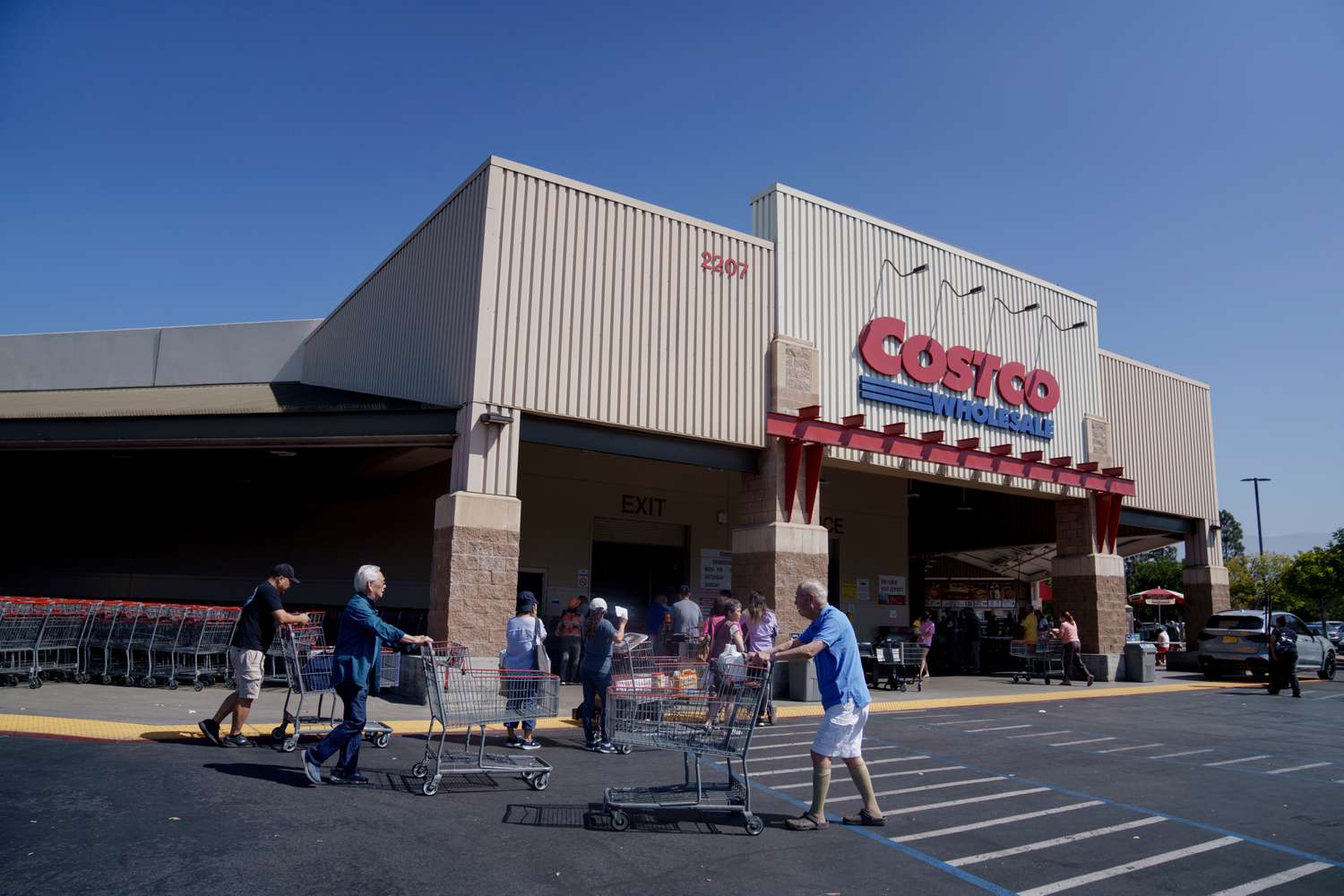
- Home Depot's Market Dominance: Home Depot generated $164.7 billion in sales in the latest fiscal year, nearly double that of its closest competitor Lowe's, showcasing its dominance in the home improvement retail sector; despite sluggish sales growth due to high interest rates and inflation, its strong market position and attractive valuation make it an ideal choice for long-term investors.
- Acquisition Strategy: Home Depot's acquisition of SRS Distribution for $18.3 billion in 2024, followed by a $5.5 billion purchase of GMS, further solidifies its penetration into the professional customer market, which is expected to drive future sales growth.
- PepsiCo's Sales Growth: PepsiCo's first-quarter adjusted sales grew 2.6% year-over-year; despite facing consumer spending pressures, the company's selective price reduction strategy successfully stimulated demand, indicating effective management responses.
- Attractive Valuation: PepsiCo's P/E ratio stands at 22, up from last year, yet still below its long-term historical average of 26; combined with strong brand power and pricing strategies, the stock is poised to deliver substantial returns for long-term shareholders.
See More

Analysis of JGLO Stock Price Fluctuations and ETF Dynamics

- Price Fluctuation Range: JGLO's 52-week low is $61.83 and high is $71.825, with the latest trade at $70.81, indicating price volatility near the high point, which may influence investor buying decisions.
- Technical Analysis Tool: Comparing the latest stock price to the 200-day moving average can provide valuable insights for investors, helping to assess market trends and potential buying opportunities.
- ETF Trading Mechanism: Exchange-traded funds (ETFs) trade like stocks, where investors buy and sell 'units' that can be created or destroyed based on demand, impacting liquidity and market performance.
- Inflows and Outflows Monitoring: Weekly monitoring of changes in shares outstanding for ETFs focuses on those experiencing notable inflows (new units created) or outflows (old units destroyed), assessing their impact on underlying assets and market sentiment.
See More
Lowe's, Medtronic, and UnitedHealth Raise Dividends


- Lowe's Dividend Increase: Lowe's announced a 4% increase in its quarterly dividend to $1.25 per share, and despite a 14% decline in stock price this year, its 2.4% yield remains significantly above the S&P 500's 1% average.
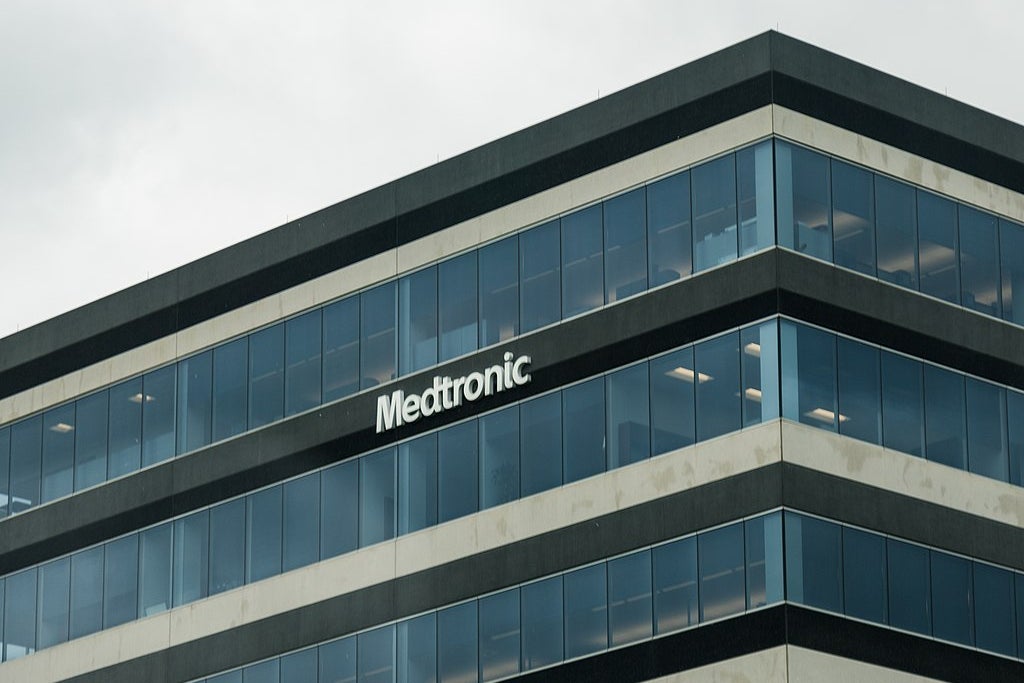
- Medtronic's Revenue Growth: Medtronic reported an 8.4% annual revenue growth for fiscal 2026, reaching $36.4 billion, and raised its dividend to $0.72, marking the 49th consecutive year of increases, underscoring its appeal as a quality dividend stock.
- UnitedHealth's Dividend Boost: UnitedHealth increased its quarterly dividend by 5% to $2.32 per share, with a 60% rise over the past five years, averaging a compounded annual growth rate of about 10%, providing investors with a hedge against inflation.
- Healthcare Sector Outlook: While Medtronic and UnitedHealth's stock prices have fallen by 15% and risen by 20% respectively this year, their forward P/E ratios of 12 and 21 indicate strong appeal for dividend investors, particularly in the medical devices and health insurance sectors.
See More
Three High-Yield Stocks Increase Dividends
- Lowe's Dividend Increase: Lowe's announced a 4% increase in its quarterly dividend to $1.25 per share, yielding 2.4%, which is significantly higher than the S&P 500's 1%, despite a 14% drop in stock price this year; this move underscores the company's long-standing commitment to dividend payments, as home repairs remain essential for homeowners in the long run.
- Medtronic Annual Performance: Medtronic reported a record revenue of $36.4 billion for fiscal 2026, an 8.4% increase year-over-year, and raised its dividend to $0.72 per share, marking the 49th consecutive year of increases; while the increment is modest, its 3.5% yield continues to attract investors, reflecting its solid position in the medical device sector.
- UnitedHealth Dividend Boost: UnitedHealth increased its quarterly dividend by 5% to $2.32 per share, with a remarkable 60% rise over the past five years, averaging a 10% compound annual growth rate, which not only offsets inflation but also boosts investor confidence in its future performance, as the stock has risen 20% this year while remaining reasonably priced.
- Market Outlook Analysis: All three companies demonstrate strong performance in their respective sectors, and despite market fluctuations, Lowe's and Medtronic's low P/E ratios of 16 and 12 make them attractive options for investors, while UnitedHealth's improved control over medical expenses provides confidence for future growth.
See More

Market Dynamics and Dividend Announcements
- Strong Economic Data: The ISM Manufacturing Purchasing Managers' Index (PMI) rose to 54 in May, marking a four-year high and indicating ongoing economic expansion, although first-quarter GDP growth was revised down to 1.6%, suggesting a slowdown.
- Stable Jobless Claims: Jobless claims remained low at 215,000, reflecting resilience in the labor market, despite weakened consumer sentiment due to high inflation and geopolitical risks, which may impact future spending.
- Dividend Growth Trend: UnitedHealth Group (UNH) announced a dividend of $2.32 per share payable on June 23, having increased its dividend six times over the past five years, with a current payout ratio of 54%, indicating a solid financial structure.
- Diversification Opportunities: In the current market environment, investors may consider companies like UnitedHealth, Donaldson (DCI), Lowe's, and ePlus, all of which have stable dividend records that can provide a safety margin amid market volatility.
See More
Sales Outlook for Home Depot and PepsiCo
- Home Depot's Market Dominance: Home Depot generated $164.7 billion in sales in the latest fiscal year, nearly double that of its nearest competitor Lowe's at $86.3 billion, establishing a strong position in the home improvement retail market, although recent sales growth has slowed due to high interest rates and inflation.
- Acquisition Expansion Strategy: Home Depot plans to acquire SRS Distribution for $18.3 billion in 2024, followed by a $5.5 billion purchase of GMS, demonstrating its focus on the professional market and aiming to enhance market share through expanded service offerings.
- PepsiCo's Pricing Strategy: PepsiCo's selective price reductions have led to a 2.6% year-over-year sales increase in the first quarter, indicating that management's strategy effectively boosted consumer purchasing willingness, showcasing the company's adaptability under economic pressures.
- Attractive Investment Opportunity: Home Depot's P/E ratio has decreased from 25 to 22, slightly below its 10-year average of 23, combined with its strong market position, making it an appealing choice for long-term investors despite facing short-term volatility.
See More
Investment Potential of Home Depot and PepsiCo
- Home Depot's Market Dominance: Home Depot generated $164.7 billion in sales in the latest fiscal year, nearly double that of its closest competitor Lowe's, showcasing its dominance in the home improvement retail sector; despite sluggish sales growth due to high interest rates and inflation, its strong market position and attractive valuation make it an ideal choice for long-term investors.
- Acquisition Strategy: Home Depot's acquisition of SRS Distribution for $18.3 billion in 2024, followed by a $5.5 billion purchase of GMS, further solidifies its penetration into the professional customer market, which is expected to drive future sales growth.
- PepsiCo's Sales Growth: PepsiCo's first-quarter adjusted sales grew 2.6% year-over-year; despite facing consumer spending pressures, the company's selective price reduction strategy successfully stimulated demand, indicating effective management responses.
- Attractive Valuation: PepsiCo's P/E ratio stands at 22, up from last year, yet still below its long-term historical average of 26; combined with strong brand power and pricing strategies, the stock is poised to deliver substantial returns for long-term shareholders.
See More
Analysis of JGLO Stock Price Fluctuations and ETF Dynamics
- Price Fluctuation Range: JGLO's 52-week low is $61.83 and high is $71.825, with the latest trade at $70.81, indicating price volatility near the high point, which may influence investor buying decisions.
- Technical Analysis Tool: Comparing the latest stock price to the 200-day moving average can provide valuable insights for investors, helping to assess market trends and potential buying opportunities.
- ETF Trading Mechanism: Exchange-traded funds (ETFs) trade like stocks, where investors buy and sell 'units' that can be created or destroyed based on demand, impacting liquidity and market performance.
- Inflows and Outflows Monitoring: Weekly monitoring of changes in shares outstanding for ETFs focuses on those experiencing notable inflows (new units created) or outflows (old units destroyed), assessing their impact on underlying assets and market sentiment.
See More
Lowe's, Medtronic, and UnitedHealth Raise Dividends
- Lowe's Dividend Increase: Lowe's announced a 4% increase in its quarterly dividend to $1.25 per share, and despite a 14% decline in stock price this year, its 2.4% yield remains significantly above the S&P 500's 1% average.
- Medtronic's Revenue Growth: Medtronic reported an 8.4% annual revenue growth for fiscal 2026, reaching $36.4 billion, and raised its dividend to $0.72, marking the 49th consecutive year of increases, underscoring its appeal as a quality dividend stock.
- UnitedHealth's Dividend Boost: UnitedHealth increased its quarterly dividend by 5% to $2.32 per share, with a 60% rise over the past five years, averaging a compounded annual growth rate of about 10%, providing investors with a hedge against inflation.
- Healthcare Sector Outlook: While Medtronic and UnitedHealth's stock prices have fallen by 15% and risen by 20% respectively this year, their forward P/E ratios of 12 and 21 indicate strong appeal for dividend investors, particularly in the medical devices and health insurance sectors.
See More
Three High-Yield Stocks Increase Dividends
- Lowe's Dividend Increase: Lowe's announced a 4% increase in its quarterly dividend to $1.25 per share, yielding 2.4%, which is significantly higher than the S&P 500's 1%, despite a 14% drop in stock price this year; this move underscores the company's long-standing commitment to dividend payments, as home repairs remain essential for homeowners in the long run.
- Medtronic Annual Performance: Medtronic reported a record revenue of $36.4 billion for fiscal 2026, an 8.4% increase year-over-year, and raised its dividend to $0.72 per share, marking the 49th consecutive year of increases; while the increment is modest, its 3.5% yield continues to attract investors, reflecting its solid position in the medical device sector.
- UnitedHealth Dividend Boost: UnitedHealth increased its quarterly dividend by 5% to $2.32 per share, with a remarkable 60% rise over the past five years, averaging a 10% compound annual growth rate, which not only offsets inflation but also boosts investor confidence in its future performance, as the stock has risen 20% this year while remaining reasonably priced.
- Market Outlook Analysis: All three companies demonstrate strong performance in their respective sectors, and despite market fluctuations, Lowe's and Medtronic's low P/E ratios of 16 and 12 make them attractive options for investors, while UnitedHealth's improved control over medical expenses provides confidence for future growth.
See More
Market Dynamics and Dividend Announcements
- Strong Economic Data: The ISM Manufacturing Purchasing Managers' Index (PMI) rose to 54 in May, marking a four-year high and indicating ongoing economic expansion, although first-quarter GDP growth was revised down to 1.6%, suggesting a slowdown.
- Stable Jobless Claims: Jobless claims remained low at 215,000, reflecting resilience in the labor market, despite weakened consumer sentiment due to high inflation and geopolitical risks, which may impact future spending.
- Dividend Growth Trend: UnitedHealth Group (UNH) announced a dividend of $2.32 per share payable on June 23, having increased its dividend six times over the past five years, with a current payout ratio of 54%, indicating a solid financial structure.
- Diversification Opportunities: In the current market environment, investors may consider companies like UnitedHealth, Donaldson (DCI), Lowe's, and ePlus, all of which have stable dividend records that can provide a safety margin amid market volatility.
See More