

Long-Term Economic Impact of Wars
Written by Emily J. Thompson, Senior Investment Analyst
Updated: Apr 08 2026
0mins
Source: seekingalpha
- Significant Economic Losses: The IMF analysis reveals that conflicts reduce economic output by approximately 7% within five years of onset, with losses often persisting beyond the cessation of hostilities, highlighting severe consequences such as destroyed infrastructure, disrupted trade, and declines in productivity.
- Global Economic Impact: Conflicts not only affect directly impacted countries but also exert pressure on regional and global growth through trade, migration, and financial channels, exacerbating economic challenges, particularly in nations with constrained fiscal space.
- Rising Military Expenditure: The IMF warns that global defense spending is projected to reach $2.63 trillion by 2025, with increasing military expenditures potentially widening fiscal deficits and pushing up public debt; while such spending may provide short-term economic support, it often undermines investment in critical areas.
- Policy-Making Challenges: The IMF emphasizes that policymakers face “difficult macroeconomic trade-offs” as they balance security needs with economic stability, noting that rebuilding post-conflict economies requires sustained reforms, strong institutions, and international support to restore confidence and achieve durable growth.
Trade with 70% Backtested Accuracy
Stop guessing "Should I Buy LMT?" and start using high-conviction signals backed by rigorous historical data.
Sign up today to access powerful investing tools and make smarter, data-driven decisions.
Analyst Views on LMT
Wall Street analysts forecast LMT stock price to fall
12 Analyst Rating
4 Buy
7 Hold
1 Sell
Hold
Current: 535.950

Low
430.00
Averages
535.50
High
605.00
Current: 535.950
Low
430.00
Averages
535.50
High
605.00
About LMT
Lockheed Martin Corporation is an aerospace and defense technology company. The Company's segments include Aeronautics, Missiles and Fire Control (MFC), Rotary and Mission Systems (RMS) and Space. The Aeronautics segment is engaged in research, design, development, manufacture, integration, sustainment, support and upgrade of advanced military aircraft, including combat and air mobility aircraft, unmanned air vehicles and related technologies. The MFC segment provides air and missile defense systems; tactical missiles and precision strike weapon systems; logistics; fire control systems; engineering support and integration services. The RMS segment designs, manufactures, services and supports various military and commercial helicopters, sea and land-based missile defense systems. The Space segment is engaged in the research and design, development, engineering and production of satellites, space transportation systems, and strategic, advanced strike, and defensive systems.
About the author

Emily J. Thompson
Emily J. Thompson, a Chartered Financial Analyst (CFA) with 12 years in investment research, graduated with honors from the Wharton School. Specializing in industrial and technology stocks, she provides in-depth analysis for Intellectia’s earnings and market brief reports.

Lockheed Martin Celebrates 75th Anniversary with Job Growth and Innovation

- Historic Milestone: Lockheed Martin celebrates its 75th anniversary in Marietta, Georgia, showcasing cutting-edge technology and innovation that ensure the delivery of solutions for the nation and its allies, highlighting its critical role in global security.
- Job Creation: The announcement of 1,200 new jobs in Marietta not only injects vitality into Georgia's economy but also creates meaningful career opportunities for local residents, supporting the production of world-class aircraft like the C-130J Super Hercules and F-35 Lightning II.
- Economic Impact: In 2025, Lockheed Martin generated $4.5 billion in economic impact for Georgia, employing 5,600 people, with the Marietta site serving as a global hub that provides production, sustainment, and a robust supply chain for U.S. and international customers.
- Community Contribution: Lockheed Martin employees contribute 21,000 volunteer hours annually to the community and partner with technical colleges and universities to promote STEM initiatives, demonstrating the company's commitment to social responsibility.
See More

Peace Deals Have Limited Impact on Defense Spending
- Sustained Defense Demand: Despite potential impacts from peace deals on defense spending, demand for the F-35 remains robust among U.S. allies, with Lockheed Martin delivering a record 191 F-35s in 2025, underscoring its pivotal role in global air forces.
- Record Backlog: Lockheed Martin ended 2025 with a backlog of approximately $194 billion, with projected sales growth to between $77.5 billion and $80 billion in 2026, indicating a stable revenue stream for the coming years.
- Increased Missile Defense Demand: Recent geopolitical events have led Lockheed to sign an agreement with the Pentagon to boost THAAD interceptor production from 96 to 400 missiles annually, reflecting a rising demand for missile defense systems.
- Geopolitical Risks Persist: While the peace deal with Iran may reduce the urgency for immediate defense spending, countries are likely to enhance missile inventories and air defense capabilities, ensuring Lockheed Martin's long-term investment thesis remains intact.
See More
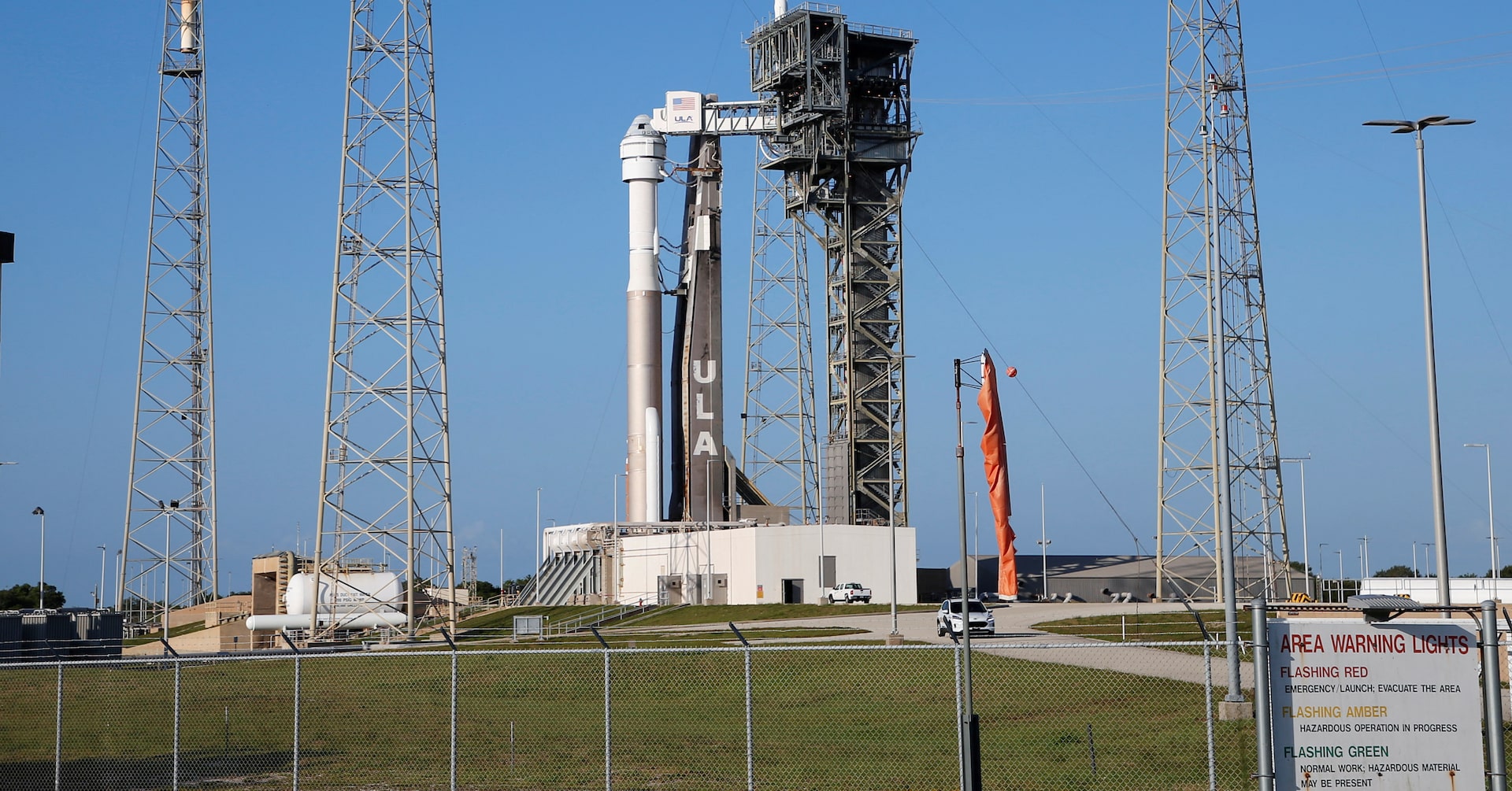
Impact of US-Iran Peace Deal on Lockheed Martin
- Record Backlog: Lockheed Martin ended 2025 with a backlog of approximately $194 billion, ensuring years of contracted work ahead, which underscores the company's strong demand and stable revenue sources in the defense sector.
- Sustained Revenue Growth: The company generated $75 billion in revenue for 2025, reflecting a 6% increase year-over-year, with expectations for sales to rise to between $77.5 billion and $80 billion in 2026, indicating robust growth potential in defense spending.
- Increased Missile Defense Demand: In response to Iran's extensive use of ballistic missiles, Lockheed signed an agreement with the Pentagon to boost THAAD interceptor production from 96 to 400 missiles annually, highlighting the ongoing need for advanced defense systems.
- Optimistic International Sales Outlook: Forecasts suggest that Lockheed Martin and RTX Corporation could see over $21 billion in foreign military sales approved for Middle Eastern partners in Q1 2026, demonstrating that defense spending remains a priority even amid peace negotiations.
See More

Defense Authorization Act Limits Stock Buybacks

- Bill Passage: The Senate Armed Services Committee approved the National Defense Authorization Act with an 18-9 vote, which includes a provision that could bar certain defense contractors from executing stock buybacks or paying dividends without Defense Department approval, indicating a significant shift in defense industry regulation.
- Implementation Timeline: This provision will take effect on June 15, 2027, requiring contractors to agree in writing not to engage in stock buybacks or dividend payments before entering contracts, thereby pushing contractors to focus more on fulfilling government contracts.
- Industry Opposition: Major defense contractors such as Lockheed Martin, Northrop Grumman, and Boeing are expected to strongly oppose this provision, arguing that it restricts their capital allocation freedom and could negatively impact industry competitiveness.
- Bipartisan Support: Despite the anticipated backlash, the provision has garnered bipartisan support, reflecting Congress's intent to regulate defense contractor behavior, which may alter the Pentagon's interactions with large businesses.
See More
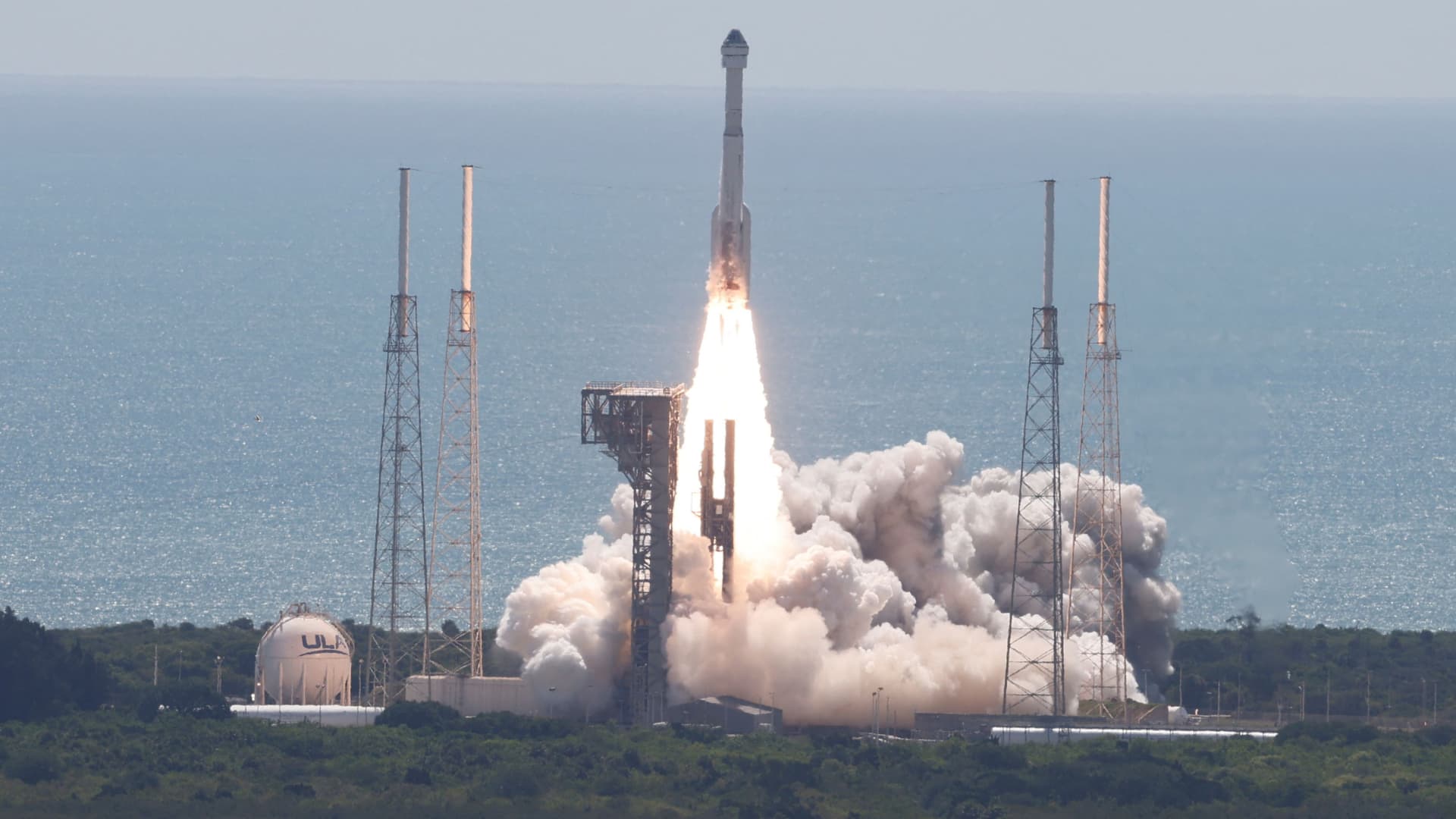
Lockheed Martin Celebrates 75 Years of Excellence in Aerospace Manufacturing
- Job Creation: Lockheed Martin's announcement of 1,200 new jobs in Marietta not only injects vitality into Georgia's economy but also provides meaningful career opportunities for local residents, further solidifying the company's leadership in the global aerospace manufacturing sector.
- Historical Milestone: The C-130 production line at the Marietta facility is recognized as the longest continuously running military aircraft production line in history, showcasing the company's outstanding achievements in aviation while laying the groundwork for future innovations.
- Economic Impact: In 2025, Lockheed Martin generated $4.5 billion in economic impact for Georgia, demonstrating its strength as a global defense contractor and providing significant support and development opportunities for the local community.
- Future Vision: As the company celebrates its 75th anniversary, it emphasizes its commitment to maintaining a leading position in aerospace manufacturing and developing next-generation capabilities to address evolving security challenges and customer demands.
See More

Driftwood Capital's Strategic Investments in Florida's Space Economy


- Positive Market Outlook: Carlos Rodriguez, executive chairman of Driftwood Capital, has invested in Brevard County, Florida, believing in the potential of the private space industry despite limited demand after the shuttle program's cancellation in 2011, indicating a bright future ahead.
- Major Investment Project: Driftwood is constructing the $420 million Westin Cocoa Beach Resort & Spa, set to open in 2025, which will control about 11% of hotel inventory and 62% of beachfront inventory in the region, significantly enhancing market share.
- Strategic Expansion: Alongside the Westin, Driftwood has also invested in the Element and Crowne Plaza hotels in Melbourne, further solidifying its hotel business in Florida to meet the growing demands of the space industry.
- Industry Trend Insights: Rodriguez sees new opportunities in real estate investment driven by the establishment of the U.S. Space Force and rapid developments in the space sector, particularly in catering to the needs of aerospace companies, highlighting significant future investment potential.
See More
Lockheed Martin Celebrates 75th Anniversary with Job Growth and Innovation
- Historic Milestone: Lockheed Martin celebrates its 75th anniversary in Marietta, Georgia, showcasing cutting-edge technology and innovation that ensure the delivery of solutions for the nation and its allies, highlighting its critical role in global security.
- Job Creation: The announcement of 1,200 new jobs in Marietta not only injects vitality into Georgia's economy but also creates meaningful career opportunities for local residents, supporting the production of world-class aircraft like the C-130J Super Hercules and F-35 Lightning II.
- Economic Impact: In 2025, Lockheed Martin generated $4.5 billion in economic impact for Georgia, employing 5,600 people, with the Marietta site serving as a global hub that provides production, sustainment, and a robust supply chain for U.S. and international customers.
- Community Contribution: Lockheed Martin employees contribute 21,000 volunteer hours annually to the community and partner with technical colleges and universities to promote STEM initiatives, demonstrating the company's commitment to social responsibility.
See More
Peace Deals Have Limited Impact on Defense Spending
- Sustained Defense Demand: Despite potential impacts from peace deals on defense spending, demand for the F-35 remains robust among U.S. allies, with Lockheed Martin delivering a record 191 F-35s in 2025, underscoring its pivotal role in global air forces.
- Record Backlog: Lockheed Martin ended 2025 with a backlog of approximately $194 billion, with projected sales growth to between $77.5 billion and $80 billion in 2026, indicating a stable revenue stream for the coming years.
- Increased Missile Defense Demand: Recent geopolitical events have led Lockheed to sign an agreement with the Pentagon to boost THAAD interceptor production from 96 to 400 missiles annually, reflecting a rising demand for missile defense systems.
- Geopolitical Risks Persist: While the peace deal with Iran may reduce the urgency for immediate defense spending, countries are likely to enhance missile inventories and air defense capabilities, ensuring Lockheed Martin's long-term investment thesis remains intact.
See More
Impact of US-Iran Peace Deal on Lockheed Martin
- Record Backlog: Lockheed Martin ended 2025 with a backlog of approximately $194 billion, ensuring years of contracted work ahead, which underscores the company's strong demand and stable revenue sources in the defense sector.
- Sustained Revenue Growth: The company generated $75 billion in revenue for 2025, reflecting a 6% increase year-over-year, with expectations for sales to rise to between $77.5 billion and $80 billion in 2026, indicating robust growth potential in defense spending.
- Increased Missile Defense Demand: In response to Iran's extensive use of ballistic missiles, Lockheed signed an agreement with the Pentagon to boost THAAD interceptor production from 96 to 400 missiles annually, highlighting the ongoing need for advanced defense systems.
- Optimistic International Sales Outlook: Forecasts suggest that Lockheed Martin and RTX Corporation could see over $21 billion in foreign military sales approved for Middle Eastern partners in Q1 2026, demonstrating that defense spending remains a priority even amid peace negotiations.
See More
Defense Authorization Act Limits Stock Buybacks
- Bill Passage: The Senate Armed Services Committee approved the National Defense Authorization Act with an 18-9 vote, which includes a provision that could bar certain defense contractors from executing stock buybacks or paying dividends without Defense Department approval, indicating a significant shift in defense industry regulation.
- Implementation Timeline: This provision will take effect on June 15, 2027, requiring contractors to agree in writing not to engage in stock buybacks or dividend payments before entering contracts, thereby pushing contractors to focus more on fulfilling government contracts.
- Industry Opposition: Major defense contractors such as Lockheed Martin, Northrop Grumman, and Boeing are expected to strongly oppose this provision, arguing that it restricts their capital allocation freedom and could negatively impact industry competitiveness.
- Bipartisan Support: Despite the anticipated backlash, the provision has garnered bipartisan support, reflecting Congress's intent to regulate defense contractor behavior, which may alter the Pentagon's interactions with large businesses.
See More
Lockheed Martin Celebrates 75 Years of Excellence in Aerospace Manufacturing
- Job Creation: Lockheed Martin's announcement of 1,200 new jobs in Marietta not only injects vitality into Georgia's economy but also provides meaningful career opportunities for local residents, further solidifying the company's leadership in the global aerospace manufacturing sector.
- Historical Milestone: The C-130 production line at the Marietta facility is recognized as the longest continuously running military aircraft production line in history, showcasing the company's outstanding achievements in aviation while laying the groundwork for future innovations.
- Economic Impact: In 2025, Lockheed Martin generated $4.5 billion in economic impact for Georgia, demonstrating its strength as a global defense contractor and providing significant support and development opportunities for the local community.
- Future Vision: As the company celebrates its 75th anniversary, it emphasizes its commitment to maintaining a leading position in aerospace manufacturing and developing next-generation capabilities to address evolving security challenges and customer demands.
See More
Driftwood Capital's Strategic Investments in Florida's Space Economy
- Positive Market Outlook: Carlos Rodriguez, executive chairman of Driftwood Capital, has invested in Brevard County, Florida, believing in the potential of the private space industry despite limited demand after the shuttle program's cancellation in 2011, indicating a bright future ahead.
- Major Investment Project: Driftwood is constructing the $420 million Westin Cocoa Beach Resort & Spa, set to open in 2025, which will control about 11% of hotel inventory and 62% of beachfront inventory in the region, significantly enhancing market share.
- Strategic Expansion: Alongside the Westin, Driftwood has also invested in the Element and Crowne Plaza hotels in Melbourne, further solidifying its hotel business in Florida to meet the growing demands of the space industry.
- Industry Trend Insights: Rodriguez sees new opportunities in real estate investment driven by the establishment of the U.S. Space Force and rapid developments in the space sector, particularly in catering to the needs of aerospace companies, highlighting significant future investment potential.
See More





