Lattice Collaborates with TI to Simplify Sensor Integration
Written by Emily J. Thompson, Senior Investment Analyst
Updated: Apr 20 2026
0mins

Source: Yahoo Finance
- Collaborative Innovation: Lattice Semiconductor partners with Texas Instruments (TI) to combine TI's sensing technologies with Lattice's Holoscan Sensor Bridge solution, aiming to simplify sensor integration and scale real-time edge AI systems, thereby advancing robotics and industrial applications.
- Low Latency Data Processing: By integrating TI's mmWave radar with Lattice's low-power FPGA technology, developers can achieve low-latency sensor data pipelines that deliver synchronized sensor data directly into GPU-accessible memory, enhancing perception capabilities for robotics and industrial edge AI applications.
- Market Demand Response: Lattice's VP Raemin Wang emphasizes that as edge AI systems scale, developers require flexible platforms that simplify sensor integration while delivering predictable real-time performance, and this collaboration is designed to meet that market demand.
- Ecosystem Expansion: The ecosystem of Lattice Holoscan solutions is growing through collaborations with industry-leading sensor, compute, and software partners, providing developers with a strong foundation to build scalable, production-ready edge AI systems.
Trade with 70% Backtested Accuracy
Stop guessing "Should I Buy TXN?" and start using high-conviction signals backed by rigorous historical data.
Sign up today to access powerful investing tools and make smarter, data-driven decisions.
Analyst Views on TXN
Wall Street analysts forecast TXN stock price to fall
20 Analyst Rating
10 Buy
5 Hold
5 Sell
Hold
Current: 298.410

Low
125.00
Averages
193.53
High
245.00
Current: 298.410
Low
125.00
Averages
193.53
High
245.00
About TXN
Texas Instruments Incorporated is engaged in the design and manufacture of semiconductors. The Company operates through two segments, which include Analog and Embedded Processing. Its Analog segment semiconductors are used to manage power in all electronic equipment by converting, distributing, storing, discharging, isolating, and measuring electrical energy. It consists of two products, which include Power and Signal Chain. The Analog segment includes product lines, such as Power and Signal Chain. Power includes products that help customers manage power in electronic systems. Signal Chain products include amplifiers, data converters, interface products, motor drives, clocks, logic, and sensing products. Its portfolio is designed to manage power requirements across different voltage levels. The Embedded Processing segment products are designed to handle specific tasks and can be optimized for various combinations of performance, power, and cost, depending on the application.
About the author

Emily J. Thompson
Emily J. Thompson, a Chartered Financial Analyst (CFA) with 12 years in investment research, graduated with honors from the Wharton School. Specializing in industrial and technology stocks, she provides in-depth analysis for Intellectia’s earnings and market brief reports.

Texas Instruments to Host Q2 Earnings Call

- Earnings Call Schedule: Texas Instruments is set to host its second quarter earnings conference call on July 22 at 3:30 p.m. Central time, aiming to enhance communication and transparency with investors by discussing financial performance and addressing audience questions.
- Executive Participation: The call will feature CEO Haviv Ilan, CFO Rafael Lizardi, and VP of Investor Relations Mike Beckman, ensuring that investors receive direct insights from the company's leadership regarding its financial status and future outlook.
- Webcast Access: Investors can access the audio webcast through the Investor Relations section of Texas Instruments' website, facilitating real-time updates for global investors and improving the ease of information retrieval.
- Replay Availability: An archived version of the webcast will be available shortly after the call concludes, allowing investors who could not attend live to access the information, thereby enhancing interaction and connection between the company and its investors.
See More
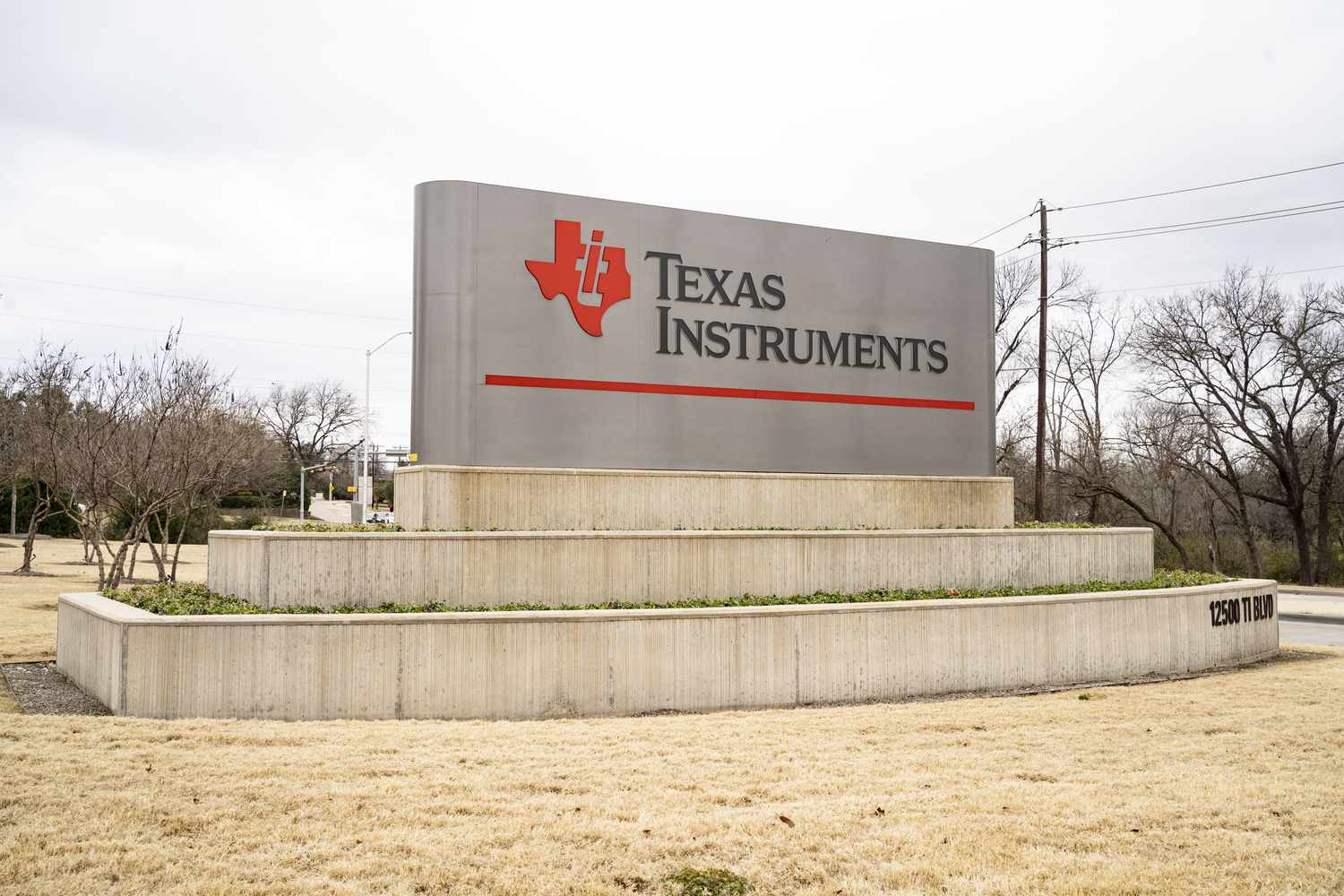
Texas Instruments to Host Q2 Earnings Call
- Earnings Call Schedule: Texas Instruments is set to host its Q2 earnings conference call on July 22, 2026, at 3:30 PM Central Time, where company executives will discuss financial results and address investor questions, aiming to enhance transparency and investor confidence.
- Executive Participation: The call will feature CEO Haviv Ilan, CFO Rafael Lizardi, and VP of Investor Relations Mike Beckman, ensuring investors receive comprehensive insights into financial performance and future outlook.
- Webcast Access: Investors can access the audio webcast through the Investor Relations section of Texas Instruments' website, with an archived recording available shortly after the call concludes, allowing those unable to attend live to catch up on key information.
- Company Background: Texas Instruments is a leading global semiconductor company that designs, manufactures, and sells analog and embedded processing chips for various markets, including industrial and automotive, committed to making electronics more affordable through semiconductor technology.
See More

U.S. Stocks Close Higher, Led by Tech Sector Gains


- Tech Sector Rally: Driven by investor anticipation of a strong upcoming earnings season, technology stocks, particularly chipmakers, propelled the Nasdaq 100 index up 1.68%, reaching a one-week high, reflecting optimism surrounding the AI investment boom.
- Labor Market Resilience: The May JOLTS job openings unexpectedly rose by 9,000 to a two-year high of 7.594 million, surpassing expectations of 7.296 million, indicating a robust U.S. labor market that could influence Federal Reserve policy decisions.
- Positive Global Economic Signals: China's June manufacturing PMI increased to 50.3, exceeding expectations of 50.1, suggesting potential for global economic recovery and bolstering market confidence in future growth prospects.
- Oil Price Volatility and Geopolitics: WTI crude oil prices fell over 1% amid escalating tensions in the Middle East, with markets closely monitoring U.S.-Iran negotiations, as energy supply levels return to pre-war norms, potentially impacting future oil price trends.
See More

Nvidia's Stock Underperforms; Needs Aggressive Buybacks


- Semiconductor Sector Surge: The Philadelphia Semiconductor Index soared over 80% in Q2, driven by a surge in AI computing demand, highlighting strong market interest in semiconductors, while Nvidia's stock only gained about 12%, failing to keep pace with industry growth.
- Intensifying Competition Impact: Nvidia faces competitive pressure from major clients like Google and Amazon, who are developing their own AI chips, leading to diminished investor confidence in Nvidia's future growth and potentially impacting its market share and profitability.
- Insufficient Buyback Plans: Despite Nvidia's plan to repurchase $80 billion in stock in FY2025, analysts argue this is inadequate and recommend the company adopt a more aggressive buyback strategy similar to Apple's to enhance earnings per share and shareholder returns.
- Increasing R&D Investments: Nvidia's R&D spending reached $13.65 billion in FY2024, a 45% increase year-over-year, yet market expectations for future growth remain clouded by competition and market dynamics, necessitating buybacks to bolster investor confidence.
See More

US Stocks Rally as Tech Leads Gains Amid Strong Economic Signals
- Tech Stocks Lead Market: The S&P 500 rose by 0.34% and the Nasdaq 100 by 0.97%, reflecting investor optimism ahead of a strong earnings season, particularly driven by an investment boom in artificial intelligence.
- Strong Labor Market: May JOLTS job openings unexpectedly increased by 9,000 to a two-year high of 7.594 million, indicating a stronger labor market than anticipated, which may influence the Fed's monetary policy direction.
- Positive Global Economic Signals: China's June manufacturing PMI rose to 50.3, exceeding expectations, indicating signs of economic recovery that support global growth prospects and further bolster market confidence.
- Optimistic Earnings Outlook: Bloomberg Intelligence forecasts a 23% increase in Q2 earnings, close to Q1's 30% growth, primarily driven by AI infrastructure stocks expected to contribute nearly 60% of S&P 500 earnings growth.
See More

U.S. Stocks Edge Up, Led by Technology Sector
- Tech Sector Drives Market: The S&P 500 and Nasdaq 100 indices rose by 0.08% and 0.50%, respectively, reaching one-week highs, reflecting investor optimism ahead of a strong earnings season, particularly driven by an investment boom in artificial intelligence.
- Economic Data Beats Expectations: The April S&P CoreLogic Case-Shiller 20-City Home Price Index increased by 1.14% year-over-year, surpassing the expected 0.90%, indicating resilience in the housing market that could further support stock performance.
- China's Economic Recovery: China's June manufacturing PMI rose to 50.3, exceeding expectations of 50.1, signaling improved global growth prospects and boosting market confidence in economic recovery.
- Optimistic Earnings Outlook: Bloomberg Intelligence forecasts a 23% increase in Q2 earnings, close to Q1's 30% growth, indicating that AI infrastructure stocks are expected to contribute nearly 60% of earnings growth, further enhancing market sentiment.
See More
Texas Instruments to Host Q2 Earnings Call
- Earnings Call Schedule: Texas Instruments is set to host its second quarter earnings conference call on July 22 at 3:30 p.m. Central time, aiming to enhance communication and transparency with investors by discussing financial performance and addressing audience questions.
- Executive Participation: The call will feature CEO Haviv Ilan, CFO Rafael Lizardi, and VP of Investor Relations Mike Beckman, ensuring that investors receive direct insights from the company's leadership regarding its financial status and future outlook.
- Webcast Access: Investors can access the audio webcast through the Investor Relations section of Texas Instruments' website, facilitating real-time updates for global investors and improving the ease of information retrieval.
- Replay Availability: An archived version of the webcast will be available shortly after the call concludes, allowing investors who could not attend live to access the information, thereby enhancing interaction and connection between the company and its investors.
See More
Texas Instruments to Host Q2 Earnings Call
- Earnings Call Schedule: Texas Instruments is set to host its Q2 earnings conference call on July 22, 2026, at 3:30 PM Central Time, where company executives will discuss financial results and address investor questions, aiming to enhance transparency and investor confidence.
- Executive Participation: The call will feature CEO Haviv Ilan, CFO Rafael Lizardi, and VP of Investor Relations Mike Beckman, ensuring investors receive comprehensive insights into financial performance and future outlook.
- Webcast Access: Investors can access the audio webcast through the Investor Relations section of Texas Instruments' website, with an archived recording available shortly after the call concludes, allowing those unable to attend live to catch up on key information.
- Company Background: Texas Instruments is a leading global semiconductor company that designs, manufactures, and sells analog and embedded processing chips for various markets, including industrial and automotive, committed to making electronics more affordable through semiconductor technology.
See More
U.S. Stocks Close Higher, Led by Tech Sector Gains
- Tech Sector Rally: Driven by investor anticipation of a strong upcoming earnings season, technology stocks, particularly chipmakers, propelled the Nasdaq 100 index up 1.68%, reaching a one-week high, reflecting optimism surrounding the AI investment boom.
- Labor Market Resilience: The May JOLTS job openings unexpectedly rose by 9,000 to a two-year high of 7.594 million, surpassing expectations of 7.296 million, indicating a robust U.S. labor market that could influence Federal Reserve policy decisions.
- Positive Global Economic Signals: China's June manufacturing PMI increased to 50.3, exceeding expectations of 50.1, suggesting potential for global economic recovery and bolstering market confidence in future growth prospects.
- Oil Price Volatility and Geopolitics: WTI crude oil prices fell over 1% amid escalating tensions in the Middle East, with markets closely monitoring U.S.-Iran negotiations, as energy supply levels return to pre-war norms, potentially impacting future oil price trends.
See More
Nvidia's Stock Underperforms; Needs Aggressive Buybacks
- Semiconductor Sector Surge: The Philadelphia Semiconductor Index soared over 80% in Q2, driven by a surge in AI computing demand, highlighting strong market interest in semiconductors, while Nvidia's stock only gained about 12%, failing to keep pace with industry growth.
- Intensifying Competition Impact: Nvidia faces competitive pressure from major clients like Google and Amazon, who are developing their own AI chips, leading to diminished investor confidence in Nvidia's future growth and potentially impacting its market share and profitability.
- Insufficient Buyback Plans: Despite Nvidia's plan to repurchase $80 billion in stock in FY2025, analysts argue this is inadequate and recommend the company adopt a more aggressive buyback strategy similar to Apple's to enhance earnings per share and shareholder returns.
- Increasing R&D Investments: Nvidia's R&D spending reached $13.65 billion in FY2024, a 45% increase year-over-year, yet market expectations for future growth remain clouded by competition and market dynamics, necessitating buybacks to bolster investor confidence.
See More
US Stocks Rally as Tech Leads Gains Amid Strong Economic Signals
- Tech Stocks Lead Market: The S&P 500 rose by 0.34% and the Nasdaq 100 by 0.97%, reflecting investor optimism ahead of a strong earnings season, particularly driven by an investment boom in artificial intelligence.
- Strong Labor Market: May JOLTS job openings unexpectedly increased by 9,000 to a two-year high of 7.594 million, indicating a stronger labor market than anticipated, which may influence the Fed's monetary policy direction.
- Positive Global Economic Signals: China's June manufacturing PMI rose to 50.3, exceeding expectations, indicating signs of economic recovery that support global growth prospects and further bolster market confidence.
- Optimistic Earnings Outlook: Bloomberg Intelligence forecasts a 23% increase in Q2 earnings, close to Q1's 30% growth, primarily driven by AI infrastructure stocks expected to contribute nearly 60% of S&P 500 earnings growth.
See More
U.S. Stocks Edge Up, Led by Technology Sector
- Tech Sector Drives Market: The S&P 500 and Nasdaq 100 indices rose by 0.08% and 0.50%, respectively, reaching one-week highs, reflecting investor optimism ahead of a strong earnings season, particularly driven by an investment boom in artificial intelligence.
- Economic Data Beats Expectations: The April S&P CoreLogic Case-Shiller 20-City Home Price Index increased by 1.14% year-over-year, surpassing the expected 0.90%, indicating resilience in the housing market that could further support stock performance.
- China's Economic Recovery: China's June manufacturing PMI rose to 50.3, exceeding expectations of 50.1, signaling improved global growth prospects and boosting market confidence in economic recovery.
- Optimistic Earnings Outlook: Bloomberg Intelligence forecasts a 23% increase in Q2 earnings, close to Q1's 30% growth, indicating that AI infrastructure stocks are expected to contribute nearly 60% of earnings growth, further enhancing market sentiment.
See More