L3Harris to Separate Missile Division; Lockheed and Three Other Stocks May Follow Suit.
- Emerging Trend: Investors in the global defense industry are now considering the trend of deconsolidation alongside the impact of recent policy changes.
- Impact of Policy Changes: Several dramatic policy changes are influencing investor sentiment and strategies within the defense sector.
- Industry Dynamics: The shift towards deconsolidation suggests a potential restructuring of companies within the defense industry.
- Investor Considerations: Investors must navigate both the implications of policy changes and the emerging trend of deconsolidation in their decision-making processes.
Trade with 70% Backtested Accuracy
Analyst Views on RTX

About RTX
About the author


RTX Secures $230M Defense Contract for F135 Propulsion Systems

- Contract Value: RTX has been awarded a not-to-exceed $230 million fixed-price-incentive contract to procure long-lead materials, parts, and components for the F135 Lot 20 propulsion system, ensuring timely delivery schedules.
- Production Support: This contract supports the production of 138 propulsion systems for the U.S. Air Force, Marine Corps, and Navy, while also catering to non-U.S. Department of Defense partners and Foreign Military Sales customers, highlighting RTX's influence in international markets.
- Funding Allocation: At the time of the award, $35 million in fiscal 2025 aircraft procurement funds, approximately $26 million in additional fiscal 2025 aircraft procurement funds, around $42 million from non-U.S. DOD partners (Navy), and about $126 million in FMS funds will be obligated, ensuring ample project financing.
- Project Completion Timeline: Work under this contract is expected to be completed by May 2031, indicating RTX's commitment and capability in long-term defense projects, further solidifying its position in the defense industry.

Trump Administration Secretly Smuggles Starlink Terminals into Iran


- Covert Operation: The Trump administration secretly smuggled approximately 6,000 Starlink satellite internet terminals into Iran following the regime's crackdown on protesters, marking a significant escalation in U.S. support for anti-regime activists.
- Funding Redirection: The State Department redirected funds from other Iran internet freedom programs to acquire SpaceX devices after purchasing nearly 7,000 terminals, indicating a strategic shift in U.S. policy towards supporting dissent in Iran.
- Legal Risks and Usage: Possession of a Starlink terminal is illegal in Iran and punishable by years in prison; however, tens of thousands of Iranians are using these devices to bypass government censorship, highlighting a strong demand for information freedom among the populace.
- Rising Geopolitical Risks: As the U.S. engages in high-stakes nuclear negotiations with Iran, market predictions indicate a 44% chance of a U.S. strike on Iran by June, suggesting that defense contractors may benefit from the escalating tensions and the integration of commercial technology into national security operations.

Defense Stocks Rally Nearly 100%, Optimism Grows


- Rapid Defense Budget Growth: The U.S. defense budget has surpassed $1 trillion, with NATO countries expected to increase core defense spending to 3.5% of GDP by 2035, potentially adding around $370 billion in spending from non-U.S. NATO members, indicating a robust growth trend in defense budgets.
- Potential $1.5 Trillion Budget: At a recent Defense Outlook Forum, retired Gen. Arnold Punaro expressed optimism that the U.S. defense budget could grow to $1.5 trillion, representing a roughly 50% increase from fiscal 2026 levels, although analysts remain cautious about the feasibility of such growth.
- AI and Automation in Warfare: The Department of Defense emphasizes the increasing importance of automation, autonomy, and artificial intelligence in warfare, pushing contractors to enhance output, reduce costs, and build a lasting software advantage, which could enable defense firms to achieve margins similar to those in commercial aerospace or technology sectors.
- Valuation Concerns for Defense Stocks: Despite a nearly 100% rally in defense stocks raising valuation concerns, this surge appears grounded in fundamentals, as governments commit to multi-year budget increases, geopolitical tensions remain high, and global missile and munitions inventories are depleted, making defense a clear policy priority for the U.S. and NATO allies.

The Job Market Appears Robust, Yet These Red Flags Indicate AI's Rising Risk.


Job Market Overview: The recent jobs report appears strong, but there are underlying concerns regarding the impact of artificial intelligence on employment.
Sector Vulnerability: Certain professions, like software development, may be more at risk from AI advancements compared to others, such as nursing.

Analysts Adjust Ratings on Semiconductor and AI Infrastructure Stocks

- Celestica Upgrade: Analyst Danil Sereda upgraded Celestica (CLS) from Hold to Buy following strong Q4 results and record hyperscaler bookings, projecting CCS segment revenue to reach $7 billion by 2027, indicating robust growth potential in the market.
- ON Semiconductor Rating Change: Tech Stock Pros upgraded ON Semiconductor (ON) from Sell to Hold, noting mixed Q4 results but signs of stabilization in automotive and industrial markets, suggesting the company is moving towards a healthier position post-inventory correction, although EV demand recovery remains critical.
- RTX Corporation Downgrade: The Value Portfolio downgraded RTX Corporation (RTX) from Buy to Sell, citing a high P/E ratio near 30x with only mid-single-digit growth projected, alongside political risks that could impact margins and future returns for defense contractors.
- Varonis Systems Downgrade: May Investing Ideas downgraded Varonis Systems (VRNS) from Buy to Hold, highlighting decelerating SaaS ARR growth and stagnant net retention rates, indicating that tangible improvements are necessary before the stock becomes attractive again.
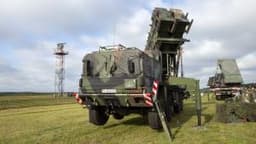
El Paso Airport Shutdown Highlights Trends in Military Drone Technology.

Drone Technology in Military: Drone technology is increasingly important in military strategies, particularly for the United States.
Focus on Dominance: The development of drone dominance is a key objective for America, highlighting its significance in modern warfare.
Impact on Travelers: The emphasis on drone technology may lead to complications for travelers, suggesting potential disruptions.
Current Trends: The growing interest in drones reflects broader trends in military innovation and defense strategies.
RTX Secures $230M Defense Contract for F135 Propulsion Systems
- Contract Value: RTX has been awarded a not-to-exceed $230 million fixed-price-incentive contract to procure long-lead materials, parts, and components for the F135 Lot 20 propulsion system, ensuring timely delivery schedules.
- Production Support: This contract supports the production of 138 propulsion systems for the U.S. Air Force, Marine Corps, and Navy, while also catering to non-U.S. Department of Defense partners and Foreign Military Sales customers, highlighting RTX's influence in international markets.
- Funding Allocation: At the time of the award, $35 million in fiscal 2025 aircraft procurement funds, approximately $26 million in additional fiscal 2025 aircraft procurement funds, around $42 million from non-U.S. DOD partners (Navy), and about $126 million in FMS funds will be obligated, ensuring ample project financing.
- Project Completion Timeline: Work under this contract is expected to be completed by May 2031, indicating RTX's commitment and capability in long-term defense projects, further solidifying its position in the defense industry.
Trump Administration Secretly Smuggles Starlink Terminals into Iran
- Covert Operation: The Trump administration secretly smuggled approximately 6,000 Starlink satellite internet terminals into Iran following the regime's crackdown on protesters, marking a significant escalation in U.S. support for anti-regime activists.
- Funding Redirection: The State Department redirected funds from other Iran internet freedom programs to acquire SpaceX devices after purchasing nearly 7,000 terminals, indicating a strategic shift in U.S. policy towards supporting dissent in Iran.
- Legal Risks and Usage: Possession of a Starlink terminal is illegal in Iran and punishable by years in prison; however, tens of thousands of Iranians are using these devices to bypass government censorship, highlighting a strong demand for information freedom among the populace.
- Rising Geopolitical Risks: As the U.S. engages in high-stakes nuclear negotiations with Iran, market predictions indicate a 44% chance of a U.S. strike on Iran by June, suggesting that defense contractors may benefit from the escalating tensions and the integration of commercial technology into national security operations.
Defense Stocks Rally Nearly 100%, Optimism Grows
- Rapid Defense Budget Growth: The U.S. defense budget has surpassed $1 trillion, with NATO countries expected to increase core defense spending to 3.5% of GDP by 2035, potentially adding around $370 billion in spending from non-U.S. NATO members, indicating a robust growth trend in defense budgets.
- Potential $1.5 Trillion Budget: At a recent Defense Outlook Forum, retired Gen. Arnold Punaro expressed optimism that the U.S. defense budget could grow to $1.5 trillion, representing a roughly 50% increase from fiscal 2026 levels, although analysts remain cautious about the feasibility of such growth.
- AI and Automation in Warfare: The Department of Defense emphasizes the increasing importance of automation, autonomy, and artificial intelligence in warfare, pushing contractors to enhance output, reduce costs, and build a lasting software advantage, which could enable defense firms to achieve margins similar to those in commercial aerospace or technology sectors.
- Valuation Concerns for Defense Stocks: Despite a nearly 100% rally in defense stocks raising valuation concerns, this surge appears grounded in fundamentals, as governments commit to multi-year budget increases, geopolitical tensions remain high, and global missile and munitions inventories are depleted, making defense a clear policy priority for the U.S. and NATO allies.
The Job Market Appears Robust, Yet These Red Flags Indicate AI's Rising Risk.
Job Market Overview: The recent jobs report appears strong, but there are underlying concerns regarding the impact of artificial intelligence on employment.
Sector Vulnerability: Certain professions, like software development, may be more at risk from AI advancements compared to others, such as nursing.
Analysts Adjust Ratings on Semiconductor and AI Infrastructure Stocks
- Celestica Upgrade: Analyst Danil Sereda upgraded Celestica (CLS) from Hold to Buy following strong Q4 results and record hyperscaler bookings, projecting CCS segment revenue to reach $7 billion by 2027, indicating robust growth potential in the market.
- ON Semiconductor Rating Change: Tech Stock Pros upgraded ON Semiconductor (ON) from Sell to Hold, noting mixed Q4 results but signs of stabilization in automotive and industrial markets, suggesting the company is moving towards a healthier position post-inventory correction, although EV demand recovery remains critical.
- RTX Corporation Downgrade: The Value Portfolio downgraded RTX Corporation (RTX) from Buy to Sell, citing a high P/E ratio near 30x with only mid-single-digit growth projected, alongside political risks that could impact margins and future returns for defense contractors.
- Varonis Systems Downgrade: May Investing Ideas downgraded Varonis Systems (VRNS) from Buy to Hold, highlighting decelerating SaaS ARR growth and stagnant net retention rates, indicating that tangible improvements are necessary before the stock becomes attractive again.
El Paso Airport Shutdown Highlights Trends in Military Drone Technology.
Drone Technology in Military: Drone technology is increasingly important in military strategies, particularly for the United States.
Focus on Dominance: The development of drone dominance is a key objective for America, highlighting its significance in modern warfare.
Impact on Travelers: The emphasis on drone technology may lead to complications for travelers, suggesting potential disruptions.
Current Trends: The growing interest in drones reflects broader trends in military innovation and defense strategies.