Joby and Archer's Legal Dispute Escalates
Written by Emily J. Thompson, Senior Investment Analyst
Updated: 56 minutes ago
0mins
Source: Fool
- Escalating Legal Dispute: Joby has filed a lawsuit against Archer, alleging that former employee Kivork stole trade secrets and disclosed confidential information about strategic partners, highlighting the fierce competition between the two companies for FAA commercial approval.
- Court Ruling Impact: A Northern California judge dismissed several claims from Joby but allowed the misappropriation of confidential information against Archer to proceed, indicating that Joby still has a chance in the legal battle, which could affect its stock performance.
- Counterclaims and Rebuttals: Archer's counterclaims involve fraud and import misclassification, which were dismissed by the judge, yet Archer has the opportunity to refile by June 29, potentially impacting investor confidence in its future.
- Importance of FAA Approval: Despite the ongoing legal disputes, investors should focus on both companies' progress toward obtaining FAA commercial approval, as failure to secure this approval would have a far greater impact on stock prices than the legal issues at hand.
Trade with 70% Backtested Accuracy
Stop guessing "Should I Buy JOBY?" and start using high-conviction signals backed by rigorous historical data.
Sign up today to access powerful investing tools and make smarter, data-driven decisions.
Analyst Views on JOBY
Wall Street analysts forecast JOBY stock price to rise
6 Analyst Rating
1 Buy
3 Hold
2 Sell
Hold
Current: 9.390

Low
8.00
Averages
15.67
High
22.00
Current: 9.390
Low
8.00
Averages
15.67
High
22.00
About JOBY
Joby Aviation, Inc. is a transportation company developing an all-electric, vertical take-off and landing air taxi. The Company is engaged in designing and testing a piloted all-electric, vertical take-off and landing (eVTOL) aircraft. The Joby eVTOL is designed to transport a pilot and up to four passengers or an expected payload of up to 1,000 pounds at speeds of up to 200 miles per hour (mph). The aircraft is optimized for urban routes, with a target range of up to 100 miles on a single charge. The Company plans to manufacture, own and operate its aircraft itself, building a vertically integrated transportation company that delivers transportation services to customers, including government agencies such as the United States Air Force (USAF) through sales or contracted operations, and to individual end-users through a convenient app-based aerial ridesharing service. It also offers a network of terminals and loyal flyers in markets like New York and in Southern Europe.
About the author

Emily J. Thompson
Emily J. Thompson, a Chartered Financial Analyst (CFA) with 12 years in investment research, graduated with honors from the Wharton School. Specializing in industrial and technology stocks, she provides in-depth analysis for Intellectia’s earnings and market brief reports.

Joby Aviation Advances in FAA Certification Process

- FAA Certification Progress: Joby Aviation has been closely collaborating with the FAA since the late 2010s, becoming the first eVTOL company to sign a G-1 certification basis, currently advancing through Stage 4 of the FAA's five-stage certification process, highlighting its leadership in the aviation sector.
- Successful Flight Demonstration: In late April 2026, Joby successfully conducted the first point-to-point eVTOL flight in New York City, showcasing the effectiveness of its technology and enhancing the likelihood of launching commercial operations in the city, marking a significant step towards market entry.
- Massive Market Opportunity: Analysts predict that the long-term market opportunity for eVTOLs and urban mobility could exceed $1 trillion in the coming decades, with Joby poised to provide not only airport shuttle services but also critical transport for medical and military applications, demonstrating the versatility of its business model.
- Investment Risks and Opportunities: Despite Joby's market valuation of approximately $10 billion and the lack of FAA certification for commercial operations, the current dip in stock price may present an attractive entry point for investors, particularly those optimistic about the future of transportation.
See More
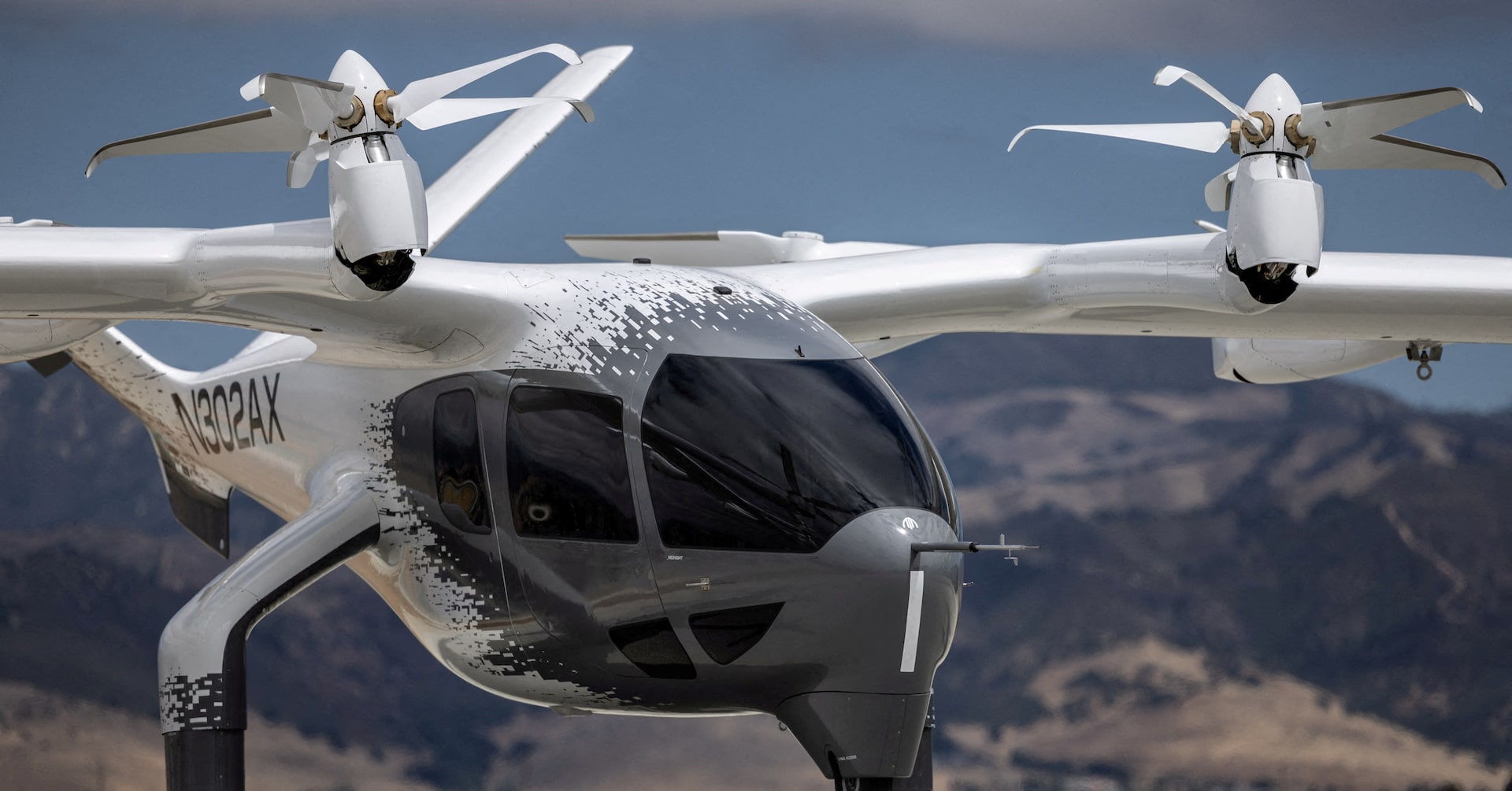
Joby and Archer's Legal Dispute Escalates

- Escalating Legal Dispute: Joby has filed a lawsuit against Archer, alleging that former employee Kivork stole trade secrets and disclosed confidential information about strategic partners, highlighting the fierce competition between the two companies for FAA commercial approval.
- Court Ruling Impact: A Northern California judge dismissed several claims from Joby but allowed the misappropriation of confidential information against Archer to proceed, indicating that Joby still has a chance in the legal battle, which could affect its stock performance.
- Counterclaims and Rebuttals: Archer's counterclaims involve fraud and import misclassification, which were dismissed by the judge, yet Archer has the opportunity to refile by June 29, potentially impacting investor confidence in its future.
- Importance of FAA Approval: Despite the ongoing legal disputes, investors should focus on both companies' progress toward obtaining FAA commercial approval, as failure to secure this approval would have a far greater impact on stock prices than the legal issues at hand.
See More
Joby and Archer Lawsuits Progress in California Court
- Lawsuit Developments: Joby Aviation and Archer Aviation have filed lawsuits against each other in California district court, with some of Joby's claims allowed to proceed while all of Archer's counterclaims were dismissed, highlighting the fierce competition in the electric vertical takeoff and landing (eVTOL) market.
- Core Allegations: Joby alleges that Archer and former employee Kivork stole trade secrets and disclosed confidential information regarding an exclusive agreement with a real estate developer, and while some claims were dismissed, the core allegations can still move forward, which is crucial for Joby's case.
- Counterclaim Dismissal: Archer's counterclaims against Joby, particularly those related to fraud and import misclassification, were dismissed due to insufficient evidence, providing Joby with a temporary legal victory, although both companies can refile amended claims in the future.
- Market Impact: While the legal disputes may have limited immediate effects on stock prices, investors should focus on the companies' progress toward obtaining FAA commercial approval, as failure to secure this approval could significantly impact their share prices.
See More

Comparative Investment Outlook for AST SpaceMobile and Joby Aviation

- AST SpaceMobile Growth Potential: AST SpaceMobile has partnered with over 50 mobile network operators, serving nearly 3 billion users, achieving $70.9 million in revenue for FY 2025, a significant increase from FY 2024, yet it still faces a net loss of approximately $341.9 million, highlighting financial challenges during its high-growth phase.
- Joby Aviation Market Positioning: Joby Aviation focuses on electric vertical takeoff and landing aircraft, with FY 2025 revenue reaching $53.4 million, nearly a 400-fold increase from FY 2024, despite a net loss of about $929.8 million, reflecting high R&D investments and market development risks.
- Risks and Challenges: AST SpaceMobile faces regulatory risks and execution challenges, particularly in deploying its complex satellite network, while Joby Aviation must navigate stringent aviation certification processes and supply chain dependencies, where any delays could impact its commercialization timeline.
- Valuation Comparison: While AST SpaceMobile's sales multiple stands at 472.8x, Joby Aviation's is more attractive at 168.5x, indicating that both companies operate in high-risk, high-reward investment landscapes, necessitating careful evaluation by investors.
See More

Investment Outlook for AST SpaceMobile and Joby Aviation
- AST SpaceMobile Growth Potential: In FY 2025, AST SpaceMobile's revenue reached approximately $70.9 million, a significant increase from $4.4 million the previous year, despite a net loss of about $341.9 million, indicating both expansion potential and inherent risks in the global broadband market.
- Joby Aviation Market Positioning: Joby Aviation reported revenue of approximately $53.4 million in FY 2025, a massive increase from nearly $136,000 in FY 2024, but incurred a net loss of around $929.8 million, reflecting high R&D costs and market challenges in the electric vertical takeoff and landing aircraft sector.
- Financial Health Comparison: AST SpaceMobile has a debt-to-equity ratio of 1.2, indicating capital structure pressure, while Joby Aviation maintains a 0.0 ratio, suggesting relative financial stability, with current ratios of 16.4 and 24.1 respectively, demonstrating strong short-term liquidity.
- Regulatory and Market Risks: AST SpaceMobile faces complex regulatory risks, including federal approvals and uncertainties surrounding satellite licensing, while Joby Aviation must navigate stringent aviation certification processes, where any delays could impact commercialization, highlighting the high-risk nature of both companies in their respective fields.
See More
Joby Aviation: A Pioneer in Future Aerial Mobility
- Market Leadership: Joby Aviation is widely recognized as the frontrunner in certifying eVTOL aircraft in the U.S., having closely collaborated with the FAA since the late 2010s and being the first eVTOL company to sign a G-1 certification basis, showcasing its technological edge and market potential in aviation.
- Key Milestone: Joby has begun testing FAA-conforming aircraft for Type Inspection Authorization (TIA), marking its progress through Stage 4 of the FAA's five-stage certification process, which further enhances its prospects for commercial operations.
- Future Market Opportunity: Despite Joby's current market valuation of approximately $10 billion and lack of FAA commercial operation certification, analysts at Morgan Stanley believe the long-term market opportunity for eVTOLs and urban mobility could exceed $1 trillion, indicating significant growth potential.
- Successful Technology Demonstration: Joby successfully showcased its aircraft in New York City’s first point-to-point eVTOL flight in April 2026, enhancing the credibility of its technology and laying the groundwork for future commercial operations in multiple U.S. cities.
See More
Joby Aviation Advances in FAA Certification Process
- FAA Certification Progress: Joby Aviation has been closely collaborating with the FAA since the late 2010s, becoming the first eVTOL company to sign a G-1 certification basis, currently advancing through Stage 4 of the FAA's five-stage certification process, highlighting its leadership in the aviation sector.
- Successful Flight Demonstration: In late April 2026, Joby successfully conducted the first point-to-point eVTOL flight in New York City, showcasing the effectiveness of its technology and enhancing the likelihood of launching commercial operations in the city, marking a significant step towards market entry.
- Massive Market Opportunity: Analysts predict that the long-term market opportunity for eVTOLs and urban mobility could exceed $1 trillion in the coming decades, with Joby poised to provide not only airport shuttle services but also critical transport for medical and military applications, demonstrating the versatility of its business model.
- Investment Risks and Opportunities: Despite Joby's market valuation of approximately $10 billion and the lack of FAA certification for commercial operations, the current dip in stock price may present an attractive entry point for investors, particularly those optimistic about the future of transportation.
See More
Joby and Archer's Legal Dispute Escalates
- Escalating Legal Dispute: Joby has filed a lawsuit against Archer, alleging that former employee Kivork stole trade secrets and disclosed confidential information about strategic partners, highlighting the fierce competition between the two companies for FAA commercial approval.
- Court Ruling Impact: A Northern California judge dismissed several claims from Joby but allowed the misappropriation of confidential information against Archer to proceed, indicating that Joby still has a chance in the legal battle, which could affect its stock performance.
- Counterclaims and Rebuttals: Archer's counterclaims involve fraud and import misclassification, which were dismissed by the judge, yet Archer has the opportunity to refile by June 29, potentially impacting investor confidence in its future.
- Importance of FAA Approval: Despite the ongoing legal disputes, investors should focus on both companies' progress toward obtaining FAA commercial approval, as failure to secure this approval would have a far greater impact on stock prices than the legal issues at hand.
See More
Joby and Archer Lawsuits Progress in California Court
- Lawsuit Developments: Joby Aviation and Archer Aviation have filed lawsuits against each other in California district court, with some of Joby's claims allowed to proceed while all of Archer's counterclaims were dismissed, highlighting the fierce competition in the electric vertical takeoff and landing (eVTOL) market.
- Core Allegations: Joby alleges that Archer and former employee Kivork stole trade secrets and disclosed confidential information regarding an exclusive agreement with a real estate developer, and while some claims were dismissed, the core allegations can still move forward, which is crucial for Joby's case.
- Counterclaim Dismissal: Archer's counterclaims against Joby, particularly those related to fraud and import misclassification, were dismissed due to insufficient evidence, providing Joby with a temporary legal victory, although both companies can refile amended claims in the future.
- Market Impact: While the legal disputes may have limited immediate effects on stock prices, investors should focus on the companies' progress toward obtaining FAA commercial approval, as failure to secure this approval could significantly impact their share prices.
See More
Comparative Investment Outlook for AST SpaceMobile and Joby Aviation
- AST SpaceMobile Growth Potential: AST SpaceMobile has partnered with over 50 mobile network operators, serving nearly 3 billion users, achieving $70.9 million in revenue for FY 2025, a significant increase from FY 2024, yet it still faces a net loss of approximately $341.9 million, highlighting financial challenges during its high-growth phase.
- Joby Aviation Market Positioning: Joby Aviation focuses on electric vertical takeoff and landing aircraft, with FY 2025 revenue reaching $53.4 million, nearly a 400-fold increase from FY 2024, despite a net loss of about $929.8 million, reflecting high R&D investments and market development risks.
- Risks and Challenges: AST SpaceMobile faces regulatory risks and execution challenges, particularly in deploying its complex satellite network, while Joby Aviation must navigate stringent aviation certification processes and supply chain dependencies, where any delays could impact its commercialization timeline.
- Valuation Comparison: While AST SpaceMobile's sales multiple stands at 472.8x, Joby Aviation's is more attractive at 168.5x, indicating that both companies operate in high-risk, high-reward investment landscapes, necessitating careful evaluation by investors.
See More
Investment Outlook for AST SpaceMobile and Joby Aviation
- AST SpaceMobile Growth Potential: In FY 2025, AST SpaceMobile's revenue reached approximately $70.9 million, a significant increase from $4.4 million the previous year, despite a net loss of about $341.9 million, indicating both expansion potential and inherent risks in the global broadband market.
- Joby Aviation Market Positioning: Joby Aviation reported revenue of approximately $53.4 million in FY 2025, a massive increase from nearly $136,000 in FY 2024, but incurred a net loss of around $929.8 million, reflecting high R&D costs and market challenges in the electric vertical takeoff and landing aircraft sector.
- Financial Health Comparison: AST SpaceMobile has a debt-to-equity ratio of 1.2, indicating capital structure pressure, while Joby Aviation maintains a 0.0 ratio, suggesting relative financial stability, with current ratios of 16.4 and 24.1 respectively, demonstrating strong short-term liquidity.
- Regulatory and Market Risks: AST SpaceMobile faces complex regulatory risks, including federal approvals and uncertainties surrounding satellite licensing, while Joby Aviation must navigate stringent aviation certification processes, where any delays could impact commercialization, highlighting the high-risk nature of both companies in their respective fields.
See More
Joby Aviation: A Pioneer in Future Aerial Mobility
- Market Leadership: Joby Aviation is widely recognized as the frontrunner in certifying eVTOL aircraft in the U.S., having closely collaborated with the FAA since the late 2010s and being the first eVTOL company to sign a G-1 certification basis, showcasing its technological edge and market potential in aviation.
- Key Milestone: Joby has begun testing FAA-conforming aircraft for Type Inspection Authorization (TIA), marking its progress through Stage 4 of the FAA's five-stage certification process, which further enhances its prospects for commercial operations.
- Future Market Opportunity: Despite Joby's current market valuation of approximately $10 billion and lack of FAA commercial operation certification, analysts at Morgan Stanley believe the long-term market opportunity for eVTOLs and urban mobility could exceed $1 trillion, indicating significant growth potential.
- Successful Technology Demonstration: Joby successfully showcased its aircraft in New York City’s first point-to-point eVTOL flight in April 2026, enhancing the credibility of its technology and laying the groundwork for future commercial operations in multiple U.S. cities.
See More