Investors Quietly Reduce Exposure to Semiconductor Stocks
Written by Emily J. Thompson, Senior Investment Analyst
Updated: 4 hours ago
0mins

Should l Buy AMD?
Source: Benzinga
- Valuations at a Tipping Point: Despite significant gains from high-flying stocks like Nvidia (NASDAQ:NVDA) and AMD (NASDAQ:AMD), their stock prices are beginning to exceed the fundamentals, raising investor concerns about growth sustainability and potentially prompting a shift to less risky sectors.
- Earnings Trends Signal Caution: While quarterly reports from major chipmakers show continued revenue growth, guidance for upcoming quarters is more tempered, particularly as Intel (NASDAQ:INTC) faces execution challenges on new process nodes, which may impact its near-term competitiveness and lead investors to rebalance portfolios.
- Macro Factors Shaping Sentiment: Rising interest rates and the potential for tighter monetary policy increase the opportunity cost of holding high-multiple growth stocks, especially in the semiconductor sector, which is sensitive to future earnings growth, leading investors to navigate between high expectations and moderate growth.
- Sector Rotation Trends: Investors are increasingly drawn to sectors like energy, consumer staples, and healthcare, where earnings are less sensitive to economic swings and cash flows are more reliable, indicating a shift in focus from semiconductor stocks after years of tech-led gains, emphasizing risk management and portfolio balance.
Trade with 70% Backtested Accuracy
Stop guessing "Should I Buy AMD?" and start using high-conviction signals backed by rigorous historical data.
Sign up today to access powerful investing tools and make smarter, data-driven decisions.
Analyst Views on AMD
Wall Street analysts forecast AMD stock price to rise
33 Analyst Rating
25 Buy
8 Hold
0 Sell
Strong Buy
Current: 207.320

Low
210.00
Averages
289.13
High
377.00
Current: 207.320
Low
210.00
Averages
289.13
High
377.00
About AMD
Advanced Micro Devices, Inc. is a global semiconductor company. The Company is focused on high-performance computing, graphics and visualization technologies. Its segments include Data Center, Client and Gaming, and Embedded. Data Center segment includes artificial intelligence (AI) accelerators, microprocessors (CPUs) for servers, graphics processing units (GPUs), accelerated processing units (APUs), data processing units (DPUs), Field Programmable Gate Arrays (FPGAs), smart network interface Cards (SmartNICs) and Adaptive system-on-Chip (SoC) products for data centers. Client and Gaming segment includes CPUs, APUs, chipsets for desktops and notebooks, discrete GPUs, and semi-custom SoC products and development services. Embedded segment includes embedded CPUs, GPUs, APUs, FPGAs, system on modules (SOMs), and Adaptive SoC products. It markets and sells its products under the AMD trademark. Its products include AMD EPYC, AMD Ryzen, AMD Ryzen PRO, Virtex UltraScale+, and others.
About the author

Emily J. Thompson
Emily J. Thompson, a Chartered Financial Analyst (CFA) with 12 years in investment research, graduated with honors from the Wharton School. Specializing in industrial and technology stocks, she provides in-depth analysis for Intellectia’s earnings and market brief reports.

Stock Market Rebounds Slightly, Nvidia Gains from Meta AI Deal


- Market Rebound: The stock market experienced a slight rebound on Tuesday, despite remaining divided, indicating cautious optimism among investors that may provide some support for future trading.
- Nvidia Gains: Nvidia's stock rose late in the session due to a deal with Meta in the AI sector, highlighting its ongoing leadership in AI and potential new growth opportunities for the company.
- AMD and Broadcom Decline: In contrast, AMD and Broadcom saw their stock prices slump, reflecting market concerns about the semiconductor industry, which could impact investor confidence and future investment decisions in this sector.
- Divergent Investor Sentiment: While Nvidia performed strongly, the overall market sentiment remains divided, prompting investors to closely monitor industry dynamics and company fundamentals to make more informed investment choices.
See More

Appaloosa Management Adjusts Investment Portfolio

- Increased Stake in American Airlines: Appaloosa raised its holdings in American Airlines Group from 9.25 million shares to 14.15 million shares, indicating confidence in the airline industry's recovery and potential benefits from rising travel demand.
- Reduced Tech Holdings: The fund decreased its stake in Nvidia from 1.9 million shares to 1.7 million shares, along with cuts in investments in AMD, Alibaba, and Amazon, reflecting a cautious outlook on the short-term performance of tech stocks.
- New Position in Ball Corporation: Appaloosa initiated a new stake in Ball Corporation with 1.2 million shares, suggesting optimism about the packaging industry, particularly in sustainable packaging solutions.
- Exited Multiple Investments: The fund exited positions in Fiserv, Caesars Entertainment, and Western Alliance Bancorp, demonstrating a risk management strategy amid uncertain market conditions.
See More
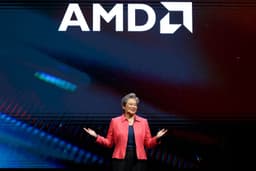
Eminence Capital Adjusts Portfolio in Q4

- Portfolio Adjustment: Eminence Capital reduced its holdings in AMD from 1.5 million shares to approximately 968,000 shares in Q4 2023, reflecting a cautious stance on the semiconductor sector that may impact future earnings performance.
- Increased Stakes in Meta and Salesforce: The firm raised its stake in Meta from 59,000 shares to 62,000 shares and Salesforce from 831,000 shares to 1 million shares, indicating confidence in the long-term growth potential of these tech companies, which could enhance overall portfolio performance.
- New Positions and Exits: Eminence Capital established a new position in Union Pacific by acquiring about 352,000 shares while completely exiting Warner Bros. Discovery and Norwegian Cruise Line, demonstrating a keen response to market dynamics that may optimize the risk-reward profile of its investment portfolio.
- Diversified Investment Strategy: The fund also increased its holdings in DraftKings and Peloton, from 6.3 million shares to 8.4 million shares and from 18.1 million shares to 18.2 million shares respectively, reflecting a diversified investment strategy in the consumer and entertainment sectors aimed at capturing opportunities from market recovery.
See More

Meta Expands Partnership with Nvidia for AI Chip Deployment
- Expanded Collaboration: Meta has announced a new deal with Nvidia to deploy millions of AI chips across U.S. data centers, marking a significant upgrade in their technology partnership and is expected to further propel Meta's advancements in AI.
- Investment Commitment: Meta plans to invest $600 billion in the U.S. by 2028 for data centers and infrastructure, including the construction of its two largest AI data centers, Prometheus and Hyperion, demonstrating a long-term commitment to AI technology.
- New Technology Deployment: The partnership will see Meta independently deploy Nvidia's Grace CPUs for the first time, aimed at optimizing AI inference workloads, thereby enhancing its data processing capabilities and strengthening its competitive position in the market.
- Supply Chain Assurance: By collaborating closely with Nvidia, Meta secures a stable supply of Blackwell and Rubin GPUs, alleviating current chip shortages while also developing next-generation AI models to enhance its technological prowess.
See More

Meta Strikes Major Chip Deal with Nvidia for AI Expansion
- Strategic Partnership Expansion: Meta's new agreement with Nvidia will enable the use of millions of Nvidia chips, including standalone CPUs and next-generation Vera Rubin systems in its AI data centers, significantly enhancing its AI processing capabilities and advancing Meta's vision of delivering personal superintelligence globally.
- Massive Investment Scale: Although specific financial terms were not disclosed, analysts estimate the deal's value to be in the tens of billions, with Meta planning to invest up to $135 billion in AI by 2026, demonstrating its long-term commitment to technological infrastructure.
- Cutting-Edge Technology Innovation: Meta becomes the first company to deploy Nvidia's Grace CPUs independently in its data centers, optimizing the processing efficiency of AI inference workloads and further solidifying Meta's competitive position in the AI sector.
- Data Center Expansion Plans: Meta aims to invest $600 billion in the U.S. by 2028 to build 30 data centers, including the Prometheus and Hyperion AI data centers currently under construction, reflecting its strong confidence in the future development of AI technologies.
See More

Nvidia's Stock Surge Amid AI Revolution
- Significant Stock Growth: Nvidia's stock has surged 700% over the past three years, driven by the acceleration of the AI revolution, which has led to double and triple-digit revenue and profit growth, with the latest fiscal year revenue surpassing $130 billion, indicating strong market demand.
- Increased Market Competition: While Nvidia remains a leader in AI chip design, it faces pressure from competitors like AMD and challenges from some customers who produce their own chips, which could impact its market share and future growth potential.
- Investor Confidence Fluctuations: Recently, investors have expressed concerns about the high valuations of AI stocks, leading Nvidia's price-to-earnings ratio to drop to its lowest level in nearly a year; however, AI spending remains robust, with expectations that the market will reach trillions in the coming years.
- Diversified Investment Strategy: Experts recommend that investors choose a variety of quality companies to minimize risk, with Nvidia being an ideal choice for growth-oriented investors, especially at current valuations, potentially providing significant wealth growth opportunities.
See More
Stock Market Rebounds Slightly, Nvidia Gains from Meta AI Deal
- Market Rebound: The stock market experienced a slight rebound on Tuesday, despite remaining divided, indicating cautious optimism among investors that may provide some support for future trading.
- Nvidia Gains: Nvidia's stock rose late in the session due to a deal with Meta in the AI sector, highlighting its ongoing leadership in AI and potential new growth opportunities for the company.
- AMD and Broadcom Decline: In contrast, AMD and Broadcom saw their stock prices slump, reflecting market concerns about the semiconductor industry, which could impact investor confidence and future investment decisions in this sector.
- Divergent Investor Sentiment: While Nvidia performed strongly, the overall market sentiment remains divided, prompting investors to closely monitor industry dynamics and company fundamentals to make more informed investment choices.
See More
Appaloosa Management Adjusts Investment Portfolio
- Increased Stake in American Airlines: Appaloosa raised its holdings in American Airlines Group from 9.25 million shares to 14.15 million shares, indicating confidence in the airline industry's recovery and potential benefits from rising travel demand.
- Reduced Tech Holdings: The fund decreased its stake in Nvidia from 1.9 million shares to 1.7 million shares, along with cuts in investments in AMD, Alibaba, and Amazon, reflecting a cautious outlook on the short-term performance of tech stocks.
- New Position in Ball Corporation: Appaloosa initiated a new stake in Ball Corporation with 1.2 million shares, suggesting optimism about the packaging industry, particularly in sustainable packaging solutions.
- Exited Multiple Investments: The fund exited positions in Fiserv, Caesars Entertainment, and Western Alliance Bancorp, demonstrating a risk management strategy amid uncertain market conditions.
See More
Eminence Capital Adjusts Portfolio in Q4
- Portfolio Adjustment: Eminence Capital reduced its holdings in AMD from 1.5 million shares to approximately 968,000 shares in Q4 2023, reflecting a cautious stance on the semiconductor sector that may impact future earnings performance.
- Increased Stakes in Meta and Salesforce: The firm raised its stake in Meta from 59,000 shares to 62,000 shares and Salesforce from 831,000 shares to 1 million shares, indicating confidence in the long-term growth potential of these tech companies, which could enhance overall portfolio performance.
- New Positions and Exits: Eminence Capital established a new position in Union Pacific by acquiring about 352,000 shares while completely exiting Warner Bros. Discovery and Norwegian Cruise Line, demonstrating a keen response to market dynamics that may optimize the risk-reward profile of its investment portfolio.
- Diversified Investment Strategy: The fund also increased its holdings in DraftKings and Peloton, from 6.3 million shares to 8.4 million shares and from 18.1 million shares to 18.2 million shares respectively, reflecting a diversified investment strategy in the consumer and entertainment sectors aimed at capturing opportunities from market recovery.
See More
Meta Expands Partnership with Nvidia for AI Chip Deployment
- Expanded Collaboration: Meta has announced a new deal with Nvidia to deploy millions of AI chips across U.S. data centers, marking a significant upgrade in their technology partnership and is expected to further propel Meta's advancements in AI.
- Investment Commitment: Meta plans to invest $600 billion in the U.S. by 2028 for data centers and infrastructure, including the construction of its two largest AI data centers, Prometheus and Hyperion, demonstrating a long-term commitment to AI technology.
- New Technology Deployment: The partnership will see Meta independently deploy Nvidia's Grace CPUs for the first time, aimed at optimizing AI inference workloads, thereby enhancing its data processing capabilities and strengthening its competitive position in the market.
- Supply Chain Assurance: By collaborating closely with Nvidia, Meta secures a stable supply of Blackwell and Rubin GPUs, alleviating current chip shortages while also developing next-generation AI models to enhance its technological prowess.
See More
Meta Strikes Major Chip Deal with Nvidia for AI Expansion
- Strategic Partnership Expansion: Meta's new agreement with Nvidia will enable the use of millions of Nvidia chips, including standalone CPUs and next-generation Vera Rubin systems in its AI data centers, significantly enhancing its AI processing capabilities and advancing Meta's vision of delivering personal superintelligence globally.
- Massive Investment Scale: Although specific financial terms were not disclosed, analysts estimate the deal's value to be in the tens of billions, with Meta planning to invest up to $135 billion in AI by 2026, demonstrating its long-term commitment to technological infrastructure.
- Cutting-Edge Technology Innovation: Meta becomes the first company to deploy Nvidia's Grace CPUs independently in its data centers, optimizing the processing efficiency of AI inference workloads and further solidifying Meta's competitive position in the AI sector.
- Data Center Expansion Plans: Meta aims to invest $600 billion in the U.S. by 2028 to build 30 data centers, including the Prometheus and Hyperion AI data centers currently under construction, reflecting its strong confidence in the future development of AI technologies.
See More
Nvidia's Stock Surge Amid AI Revolution
- Significant Stock Growth: Nvidia's stock has surged 700% over the past three years, driven by the acceleration of the AI revolution, which has led to double and triple-digit revenue and profit growth, with the latest fiscal year revenue surpassing $130 billion, indicating strong market demand.
- Increased Market Competition: While Nvidia remains a leader in AI chip design, it faces pressure from competitors like AMD and challenges from some customers who produce their own chips, which could impact its market share and future growth potential.
- Investor Confidence Fluctuations: Recently, investors have expressed concerns about the high valuations of AI stocks, leading Nvidia's price-to-earnings ratio to drop to its lowest level in nearly a year; however, AI spending remains robust, with expectations that the market will reach trillions in the coming years.
- Diversified Investment Strategy: Experts recommend that investors choose a variety of quality companies to minimize risk, with Nvidia being an ideal choice for growth-oriented investors, especially at current valuations, potentially providing significant wealth growth opportunities.
See More