Investment Choices Between Lockheed Martin and Boeing
Written by Emily J. Thompson, Senior Investment Analyst
Updated: 18 hours ago
0mins
Source: Fool
- Lockheed Martin Stability: In FY 2025, Lockheed Martin reported revenue of $75.1 billion, a 5.7% increase, with approximately 72% of sales derived from the U.S. government, highlighting its strong reliance on defense contracts, which also introduces customer concentration risks.
- Boeing Growth Potential: Boeing achieved nearly $89.5 billion in revenue for FY 2025, representing a 34.5% growth, successfully returning to profitability with a net income of approximately $2.2 billion, indicating recovery potential in its commercial aviation segment despite ongoing production and certification challenges.
- Financial Health Comparison: Lockheed Martin's debt-to-equity ratio stands at 3.2x, indicating relatively low financial leverage, while Boeing's ratio is a concerning 10.0x, reflecting a high-risk financial structure, although Boeing's current ratio of 1.2 slightly outperforms Lockheed's 1.1.
- Investor Choice Considerations: For investors seeking stability and income, Lockheed Martin offers reliable cash flow and steady dividends, while those willing to accept higher risks for potentially greater rewards may consider Boeing's long-term prospects, especially given the strong demand for its commercial aviation products.
Trade with 70% Backtested Accuracy
Stop guessing "Should I Buy LMT?" and start using high-conviction signals backed by rigorous historical data.
Sign up today to access powerful investing tools and make smarter, data-driven decisions.
Analyst Views on LMT
Wall Street analysts forecast LMT stock price to fall
12 Analyst Rating
4 Buy
7 Hold
1 Sell
Hold
Current: 537.210

Low
430.00
Averages
535.50
High
605.00
Current: 537.210
Low
430.00
Averages
535.50
High
605.00
About LMT
Lockheed Martin Corporation is an aerospace and defense technology company. The Company's segments include Aeronautics, Missiles and Fire Control (MFC), Rotary and Mission Systems (RMS) and Space. The Aeronautics segment is engaged in research, design, development, manufacture, integration, sustainment, support and upgrade of advanced military aircraft, including combat and air mobility aircraft, unmanned air vehicles and related technologies. The MFC segment provides air and missile defense systems; tactical missiles and precision strike weapon systems; logistics; fire control systems; engineering support and integration services. The RMS segment designs, manufactures, services and supports various military and commercial helicopters, sea and land-based missile defense systems. The Space segment is engaged in the research and design, development, engineering and production of satellites, space transportation systems, and strategic, advanced strike, and defensive systems.
About the author

Emily J. Thompson
Emily J. Thompson, a Chartered Financial Analyst (CFA) with 12 years in investment research, graduated with honors from the Wharton School. Specializing in industrial and technology stocks, she provides in-depth analysis for Intellectia’s earnings and market brief reports.

Lockheed Martin Secures Nearly $380M in Defense Contracts

- Significant Contract Value: Lockheed Martin has secured two defense contracts worth up to $380.82 million, including a $200.82 million contract aimed at supporting AEGIS training and other related work, expected to be completed by June 2031, indicating sustained demand in the defense sector.
- International Customer Support: The second contract, valued at up to $180 million, focuses on logistics support for HIMARS and MLRS programs under an IDIQ agreement, aimed at serving international clients and expected to be completed by May 30, 2031, further solidifying the company's position in the global defense market.
- Flexible Funding Arrangement: The first contract does not obligate funds at the time of award, with payments to be made through individual task orders, allowing Lockheed Martin to better manage project risks and resource allocation.
- Clear Management Structure: Both contracts are managed by the Naval Air Warfare Center Training Systems Command and the Army Contracting Command, ensuring professionalism and execution efficiency in project management, reflecting the company's strong capabilities in defense contract management.
See More

US-Iran Conflict Escalates, Oil Prices Surge Amid Economic Uncertainty


- Escalation of US-Iran Conflict: Following weeks of paused action, the US and Iran have resumed airstrikes, complicating hopes for a permanent resolution to the conflict, which is impacting global oil supplies and market sentiment.
- Strong Stock Market Performance: Despite rising geopolitical tensions, both the S&P 500 and Nasdaq Composite closed at record highs, primarily driven by a surge in AI-related stocks, indicating strong market confidence in the technology sector.
- Oil Price Warning: ExxonMobil has warned that oil inventories are on track to reach dangerously low levels in the coming weeks, forcing prices to spike and curbing demand, reflecting market concerns over energy supply.
- Wealthy Investors Pulling Out: According to the UBS Global Family Office Report, 60% of family offices plan to adjust their investment allocations in the next year, with many reducing US holdings and increasing exposure to emerging markets, highlighting a growing trend of 'de-dollarization'.
See More

Investment Choices Between Lockheed Martin and Boeing

- Lockheed Martin Stability: In FY 2025, Lockheed Martin reported revenue of $75.1 billion, a 5.7% increase, with approximately 72% of sales derived from the U.S. government, highlighting its strong reliance on defense contracts, which also introduces customer concentration risks.
- Boeing Growth Potential: Boeing achieved nearly $89.5 billion in revenue for FY 2025, representing a 34.5% growth, successfully returning to profitability with a net income of approximately $2.2 billion, indicating recovery potential in its commercial aviation segment despite ongoing production and certification challenges.
- Financial Health Comparison: Lockheed Martin's debt-to-equity ratio stands at 3.2x, indicating relatively low financial leverage, while Boeing's ratio is a concerning 10.0x, reflecting a high-risk financial structure, although Boeing's current ratio of 1.2 slightly outperforms Lockheed's 1.1.
- Investor Choice Considerations: For investors seeking stability and income, Lockheed Martin offers reliable cash flow and steady dividends, while those willing to accept higher risks for potentially greater rewards may consider Boeing's long-term prospects, especially given the strong demand for its commercial aviation products.
See More

Lockheed Martin Delivers First Integrated Combat System Software to U.S. Navy
- Accelerated Software Upgrades: Lockheed Martin's delivery of the first Integrated Combat System software baseline to the U.S. Navy establishes a six-month cadence for software updates and certifications, enabling the Navy to roll out new capabilities more frequently across ships equipped with the Aegis combat system.
- Long-Term Revenue Potential: This milestone highlights the Pentagon's emphasis on software-defined warfare, which could provide Lockheed Martin with longer-term revenue streams tied to upgrades, sustainment, and systems integration rather than one-time hardware sales, particularly as the Navy seeks greater interoperability across its fleet.
- Integrated Combat Architecture: The Integrated Combat System is designed to combine legacy combat functions with newer software infrastructure to expedite the deployment of sensors, weapons, and operational capabilities, with future baseline updates incrementally adding capabilities, sensors, and effectors while moving the fleet toward a common combat architecture.
- Cost Control and Commitment: Lockheed Martin emphasizes that this delivery underscores its commitment to partnering with the U.S. Navy to reduce costs and enable surface combatants to receive updated combat capabilities on a predictable schedule, addressing evolving threats from adversaries like China.
See More

U.S.-Iran Negotiation Fluctuations Impact Markets
- Oil Price Plunge: Oil prices dropped over 5% on Wednesday after Secretary of State Marco Rubio indicated that Washington was giving Iran talks 'every chance to succeed,' reflecting market sensitivity to diplomatic efforts and potentially impacting energy sector profitability.
- Escalation of Military Actions: New U.S. airstrikes in Iran targeted a military site deemed a threat to U.S. forces and commercial maritime traffic, adding uncertainty to the ongoing diplomatic negotiations and prompting investors to reassess risk levels in the market.
- Strong Tech Stock Performance: Shares of cloud-based AI and data platform company Snowflake surged 36% following a strong earnings report and a $6 billion investment plan in Amazon Web Services, showcasing investment enthusiasm and market confidence in the tech sector amid rising AI demand.
- Inflation Data Focus: Investors are closely watching the upcoming April inflation reading, which is expected to influence the Fed's future rate decisions, as Minneapolis Fed President Neel Kashkari emphasized that lowering inflation remains a top priority, indicating market sensitivity to economic policy.
See More
Lockheed Martin Projects Long-Term Growth Amid Rising Defense Demand
- Rising Global Demand: Lockheed Martin (LMT) executives noted that increasing global demand for missile defense systems and autonomous technologies is enhancing the company's long-term growth outlook, particularly as conflicts in Ukraine and the Middle East reshape defense priorities.
- Multi-Year Procurement Opportunities: The company anticipates securing multi-year procurement contracts for PAC-3, Patriot, and THAAD programs this year, enabling it to invest ahead of demand, thereby improving production capacity and operational efficiency, which is expected to drive mid-teens revenue growth over the next five years.
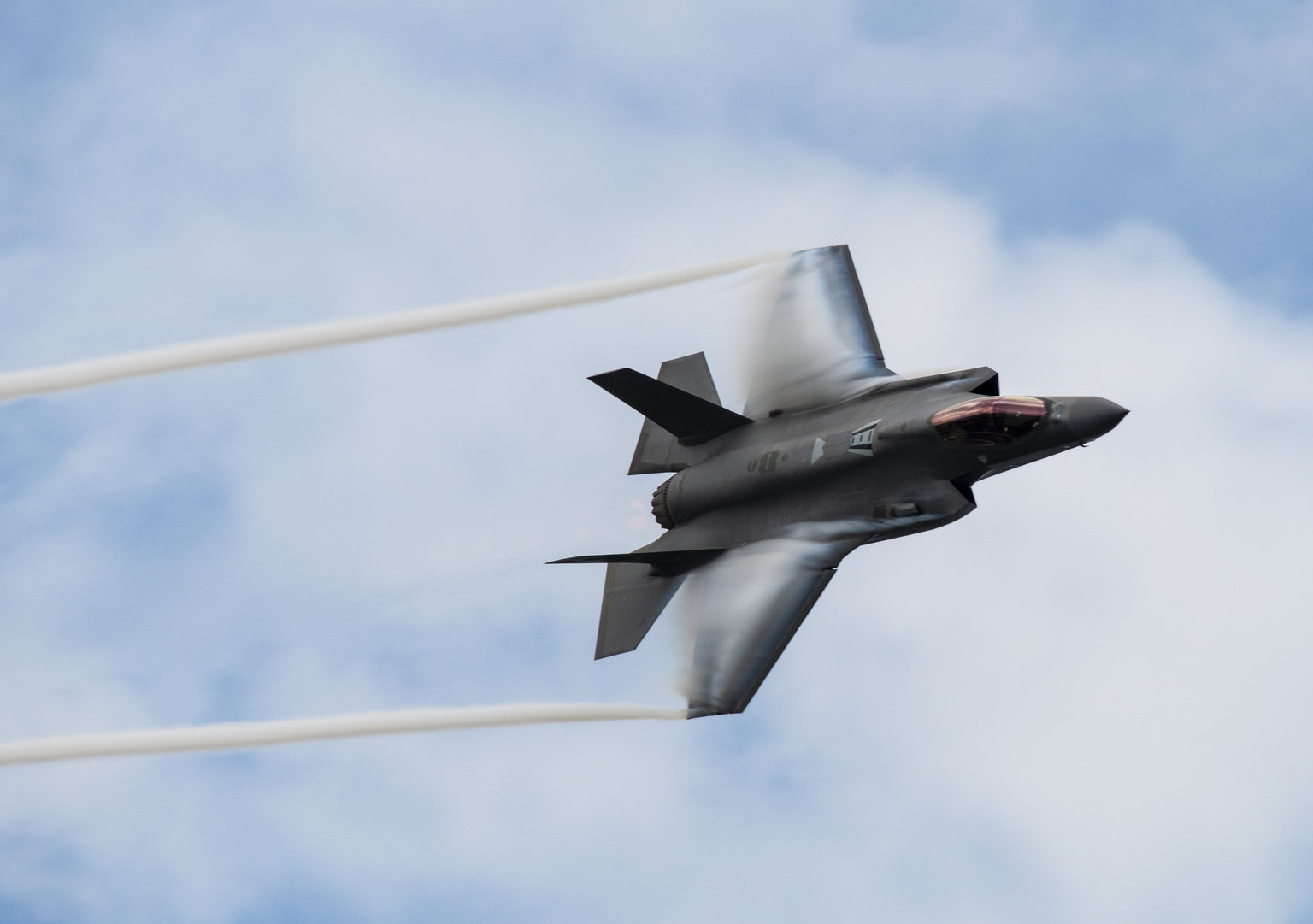
- F-35 Program as a Growth Driver: Sustainment and upgrade work on the F-35 program is projected to outpace aircraft production growth, with production likely remaining in low single digits while sustainment revenue is expected to grow at a high-single-digit rate, underscoring the program's strategic importance to the company.
- Expansion in Small Satellite Business: Lockheed has significantly expanded its role in small satellite systems, becoming a leader in military small sats despite previous perceptions of focusing primarily on large platforms, reflecting rapid growth in its space and missile defense sectors.
See More
Lockheed Martin Secures Nearly $380M in Defense Contracts
- Significant Contract Value: Lockheed Martin has secured two defense contracts worth up to $380.82 million, including a $200.82 million contract aimed at supporting AEGIS training and other related work, expected to be completed by June 2031, indicating sustained demand in the defense sector.
- International Customer Support: The second contract, valued at up to $180 million, focuses on logistics support for HIMARS and MLRS programs under an IDIQ agreement, aimed at serving international clients and expected to be completed by May 30, 2031, further solidifying the company's position in the global defense market.
- Flexible Funding Arrangement: The first contract does not obligate funds at the time of award, with payments to be made through individual task orders, allowing Lockheed Martin to better manage project risks and resource allocation.
- Clear Management Structure: Both contracts are managed by the Naval Air Warfare Center Training Systems Command and the Army Contracting Command, ensuring professionalism and execution efficiency in project management, reflecting the company's strong capabilities in defense contract management.
See More
US-Iran Conflict Escalates, Oil Prices Surge Amid Economic Uncertainty
- Escalation of US-Iran Conflict: Following weeks of paused action, the US and Iran have resumed airstrikes, complicating hopes for a permanent resolution to the conflict, which is impacting global oil supplies and market sentiment.
- Strong Stock Market Performance: Despite rising geopolitical tensions, both the S&P 500 and Nasdaq Composite closed at record highs, primarily driven by a surge in AI-related stocks, indicating strong market confidence in the technology sector.
- Oil Price Warning: ExxonMobil has warned that oil inventories are on track to reach dangerously low levels in the coming weeks, forcing prices to spike and curbing demand, reflecting market concerns over energy supply.
- Wealthy Investors Pulling Out: According to the UBS Global Family Office Report, 60% of family offices plan to adjust their investment allocations in the next year, with many reducing US holdings and increasing exposure to emerging markets, highlighting a growing trend of 'de-dollarization'.
See More
Investment Choices Between Lockheed Martin and Boeing
- Lockheed Martin Stability: In FY 2025, Lockheed Martin reported revenue of $75.1 billion, a 5.7% increase, with approximately 72% of sales derived from the U.S. government, highlighting its strong reliance on defense contracts, which also introduces customer concentration risks.
- Boeing Growth Potential: Boeing achieved nearly $89.5 billion in revenue for FY 2025, representing a 34.5% growth, successfully returning to profitability with a net income of approximately $2.2 billion, indicating recovery potential in its commercial aviation segment despite ongoing production and certification challenges.
- Financial Health Comparison: Lockheed Martin's debt-to-equity ratio stands at 3.2x, indicating relatively low financial leverage, while Boeing's ratio is a concerning 10.0x, reflecting a high-risk financial structure, although Boeing's current ratio of 1.2 slightly outperforms Lockheed's 1.1.
- Investor Choice Considerations: For investors seeking stability and income, Lockheed Martin offers reliable cash flow and steady dividends, while those willing to accept higher risks for potentially greater rewards may consider Boeing's long-term prospects, especially given the strong demand for its commercial aviation products.
See More
Lockheed Martin Delivers First Integrated Combat System Software to U.S. Navy
- Accelerated Software Upgrades: Lockheed Martin's delivery of the first Integrated Combat System software baseline to the U.S. Navy establishes a six-month cadence for software updates and certifications, enabling the Navy to roll out new capabilities more frequently across ships equipped with the Aegis combat system.
- Long-Term Revenue Potential: This milestone highlights the Pentagon's emphasis on software-defined warfare, which could provide Lockheed Martin with longer-term revenue streams tied to upgrades, sustainment, and systems integration rather than one-time hardware sales, particularly as the Navy seeks greater interoperability across its fleet.
- Integrated Combat Architecture: The Integrated Combat System is designed to combine legacy combat functions with newer software infrastructure to expedite the deployment of sensors, weapons, and operational capabilities, with future baseline updates incrementally adding capabilities, sensors, and effectors while moving the fleet toward a common combat architecture.
- Cost Control and Commitment: Lockheed Martin emphasizes that this delivery underscores its commitment to partnering with the U.S. Navy to reduce costs and enable surface combatants to receive updated combat capabilities on a predictable schedule, addressing evolving threats from adversaries like China.
See More
U.S.-Iran Negotiation Fluctuations Impact Markets
- Oil Price Plunge: Oil prices dropped over 5% on Wednesday after Secretary of State Marco Rubio indicated that Washington was giving Iran talks 'every chance to succeed,' reflecting market sensitivity to diplomatic efforts and potentially impacting energy sector profitability.
- Escalation of Military Actions: New U.S. airstrikes in Iran targeted a military site deemed a threat to U.S. forces and commercial maritime traffic, adding uncertainty to the ongoing diplomatic negotiations and prompting investors to reassess risk levels in the market.
- Strong Tech Stock Performance: Shares of cloud-based AI and data platform company Snowflake surged 36% following a strong earnings report and a $6 billion investment plan in Amazon Web Services, showcasing investment enthusiasm and market confidence in the tech sector amid rising AI demand.
- Inflation Data Focus: Investors are closely watching the upcoming April inflation reading, which is expected to influence the Fed's future rate decisions, as Minneapolis Fed President Neel Kashkari emphasized that lowering inflation remains a top priority, indicating market sensitivity to economic policy.
See More
Lockheed Martin Projects Long-Term Growth Amid Rising Defense Demand
- Rising Global Demand: Lockheed Martin (LMT) executives noted that increasing global demand for missile defense systems and autonomous technologies is enhancing the company's long-term growth outlook, particularly as conflicts in Ukraine and the Middle East reshape defense priorities.
- Multi-Year Procurement Opportunities: The company anticipates securing multi-year procurement contracts for PAC-3, Patriot, and THAAD programs this year, enabling it to invest ahead of demand, thereby improving production capacity and operational efficiency, which is expected to drive mid-teens revenue growth over the next five years.
- F-35 Program as a Growth Driver: Sustainment and upgrade work on the F-35 program is projected to outpace aircraft production growth, with production likely remaining in low single digits while sustainment revenue is expected to grow at a high-single-digit rate, underscoring the program's strategic importance to the company.
- Expansion in Small Satellite Business: Lockheed has significantly expanded its role in small satellite systems, becoming a leader in military small sats despite previous perceptions of focusing primarily on large platforms, reflecting rapid growth in its space and missile defense sectors.
See More