Intel Could Still Be a Big Winner in the AI Server Boom
Written by Emily J. Thompson, Senior Investment Analyst
Updated: Jul 05 2025
0mins
Should l Buy INTC?
Source: Fool
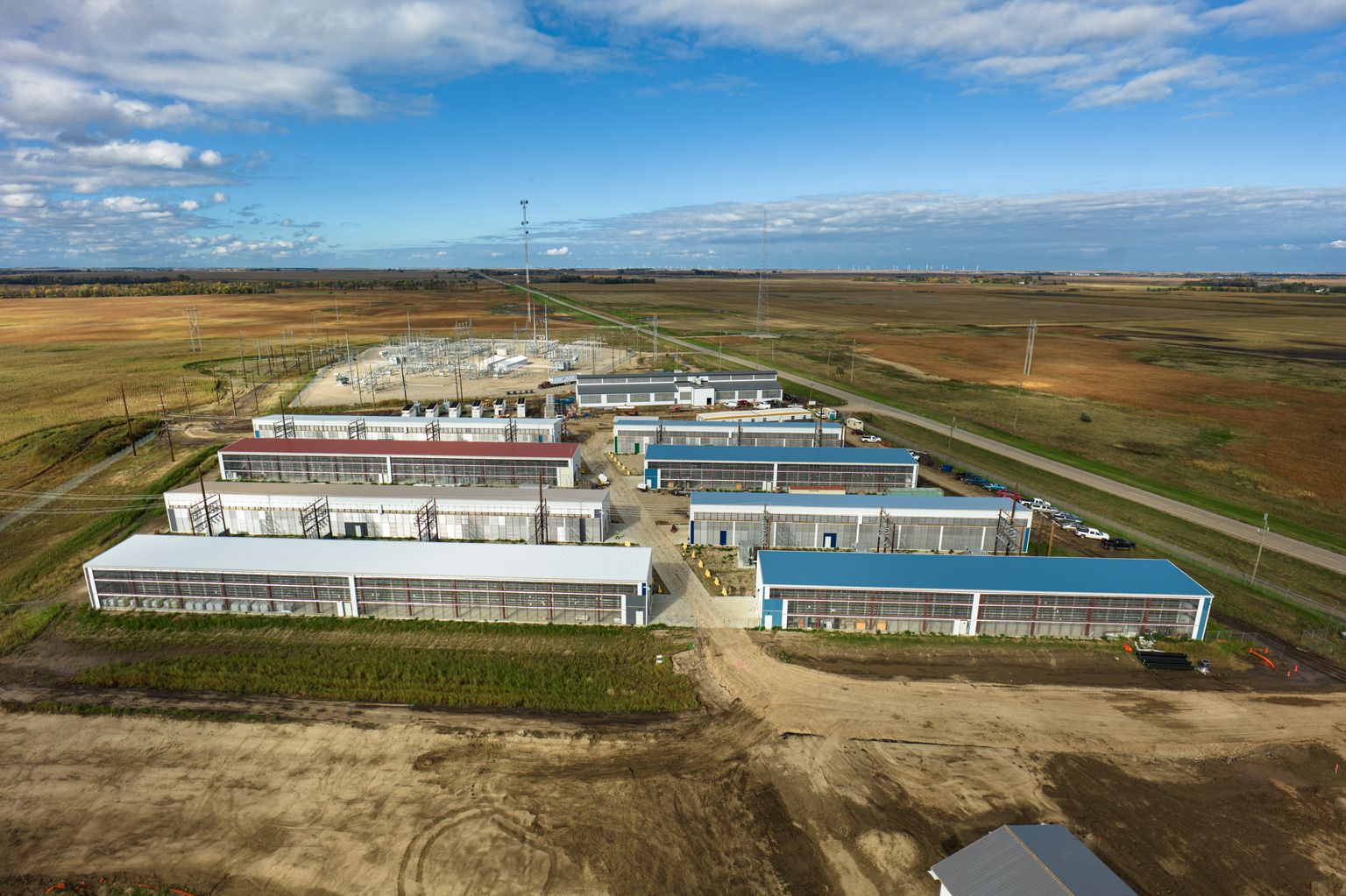
AI Infrastructure Demand: There is a significant global demand for AI infrastructure, with companies and countries heavily investing in AI data centers to avoid falling behind. The server market is projected to grow rapidly, with global sales expected to reach nearly $600 billion by 2029, driven largely by AI servers.
Intel's Position: Intel has struggled in the AI accelerator market but has made progress in its server CPU business, launching new products that improve performance and efficiency. Despite facing competition from AMD and the rise of Arm-based servers, Intel is positioned to benefit from the growing demand for AI-driven server sales.
Trade with 70% Backtested Accuracy
Stop guessing "Should I Buy INTC?" and start using high-conviction signals backed by rigorous historical data.
Sign up today to access powerful investing tools and make smarter, data-driven decisions.
Analyst Views on INTC
Wall Street analysts forecast INTC stock price to fall
29 Analyst Rating
5 Buy
19 Hold
5 Sell
Hold
Current: 108.770

Low
20.00
Averages
39.30
High
52.00
Current: 108.770
Low
20.00
Averages
39.30
High
52.00
About INTC
Intel Corporation is a global designer and manufacturer of semiconductor products. The Company's segments include Intel Products, Intel Foundry, and All Other. Its Intel Products comprise Client Computing Group (CCG) and Data Center and AI (DCAI). CCG delivers platforms and processors that power PCs and edge devices, enabling enhanced performance, connectivity and user experience for consumer and commercial markets with capabilities that also support retail, industrial robotics and AI ecosystems at the edge. DCAI delivers workload-optimized solutions based upon its x86 architecture for data centers, including CPUs, AI accelerators, NICs, IPUs and custom ASICs, enabling performance and scalability for cloud, enterprise, telecommunication and HPC environments. The Intel Foundry segment comprises technology development, manufacturing and foundry services, developing new semiconductor process technologies and advanced packaging technologies. All Other segments include Mobileye and Other.
About the author

Emily J. Thompson
Emily J. Thompson, a Chartered Financial Analyst (CFA) with 12 years in investment research, graduated with honors from the Wharton School. Specializing in industrial and technology stocks, she provides in-depth analysis for Intellectia’s earnings and market brief reports.

Trump Discusses U.S. Government Stake in Intel

- Trump's Investment Perspective: In a recent interview, Trump stated he should have 'asked for more' regarding the U.S. government's roughly 10% stake in Intel, a comment that drew market attention and led to a 1% drop in Intel's premarket shares.
- Investment Details: In August 2025, the U.S. government invested $11.1 billion in Intel, purchasing 433.3 million shares at $20.47 each, equating to a 9.9% stake, along with a five-year warrant for an additional 5% of shares, contingent on Intel's ownership of its foundry business.
- Market Reaction and Stock Performance: Despite Trump's claim of generating over $30 billion for the U.S., Intel's shares have surged over 400% in the past year, yet recent declines indicate market concerns regarding government ownership.
- Patriotism and Economic Impact: Trump emphasized that this investment supports American companies, facing criticism for potentially being viewed as 'un-American', yet he believes it will enhance both Intel's growth and the U.S. economy.
See More

Shift in AI Infrastructure Market Towards Inference Workloads


- Rise of Inference Workloads: Deloitte estimates that inference workloads will account for two-thirds of AI data center computing power this year, a significant increase from 50% in 2025, driving demand for both compute and storage, which will influence investment strategies across the industry.
- Surge in Memory Demand: The explosive growth in inference requests is expected to benefit memory manufacturers like Micron and Sandisk, with Micron's stock rising 639% over the past year and Sandisk's soaring nearly 3,400%, reflecting strong market demand for memory products.
- Supply Shortage Warning: Industry participants warn that supply shortages may persist until next year, potentially leading to further price hikes in DRAM and NAND flash, with Gartner predicting the memory industry's revenue will reach $633.3 billion by 2026, significantly outpacing the growth of the non-memory semiconductor market.
- Attractive Investment Opportunity: Despite substantial stock price increases, Micron and Sandisk have forward P/E ratios of 7.6 and 24, respectively, indicating they are undervalued; given their earnings growth potential, investing in these stocks is considered a smart move.
See More

Stock Index Futures Decline as Traders Await Nvidia Earnings Report

- Intel Stock Decline: Intel (INTC) fell 1% in premarket trading after President Trump stated he should have “asked for more” regarding the U.S. government's 10% stake in the company, raising concerns about government intervention that could impact investor confidence.
- Hims & Hers Health Financing: Hims & Hers Health (HIMS) dropped nearly 4% in premarket trading after proposing a $300 million private offering of convertible senior notes due 2032, with an additional 13-day purchase option for initial purchasers, potentially diluting existing shareholders' equity.
- Macy's Stock Rise: Macy's (M) rose 3.2% in premarket trading following Berkshire Hathaway's disclosure of a $55 million investment, representing approximately 3 million shares or 1.1% of the company, which is significant given the timing amid Macy's critical “Bold New Chapter” turnaround strategy.
- Arm Holdings Antitrust Investigation: Arm Holdings (ARM) edged up 0.36% in premarket trading despite facing a U.S. antitrust investigation into whether it is using its dominant position in semiconductor licensing to disadvantage rivals, which could pose potential risks to its future business operations.
See More
Citi Raises Price Targets for Intel and AMD Amid CPU Market Growth

- Market Size Expectations: Citi analyst Atif Malik forecasts that the total addressable market for CPUs will expand from $29.3 billion in 2025 to $131.5 billion by 2030, representing a 35% compound annual growth rate, which presents significant market opportunities for Intel and AMD.
- Segment Growth: By 2030, the general-purpose CPU market is expected to grow at a 20% CAGR to $50.9 billion, AI head nodes at a 21% CAGR to $21.1 billion, and agentic CPUs at an astonishing 185% CAGR to $59.4 billion, indicating strong demand in AI and intelligent computing.
- Market Share Outlook: By 2030, Intel is projected to hold a 47% market share, AMD 34%, and ARM/others 19%, suggesting that both Intel and AMD will maintain competitive advantages in the rapidly growing AI and intelligent computing sectors.
- Price Target Adjustments: Citi raised Intel's price target from $95 to $130 and AMD's from $358 to $460, reflecting an optimistic outlook on both companies' future market performance, which could positively impact their stock prices.
See More
Trump Says He Should Have Asked for Bigger Intel Stake

- Equity Stake Reflection: Trump stated in a Fortune interview that he should have asked for a larger stake in Intel, despite the U.S. government acquiring a 9.9% stake last year, which helped reverse the company's declining stock price at the time.
- Stock Surge: Since the U.S. government converted $5.7 billion in CHIPS Act grants into equity, Intel's stock has soared over 300%, reflecting market confidence in its future and highlighting the importance of government support for corporate recovery.
- Market Competition Insight: Trump suggested that had he implemented tariff protections during his presidency, Intel could have become the largest company globally, indicating concerns over the competitiveness of U.S. firms against Chinese chip manufacturers and emphasizing America's strategic position in the global semiconductor market.
- Future Outlook: With a resurgence in demand for central processing units (CPUs), Bank of America predicts the CPU market could double by 2030, and Intel's core role in the AI era is increasingly vital, as CEO Tan noted that demand for data center CPUs exceeds supply, signaling significant growth potential ahead.
See More
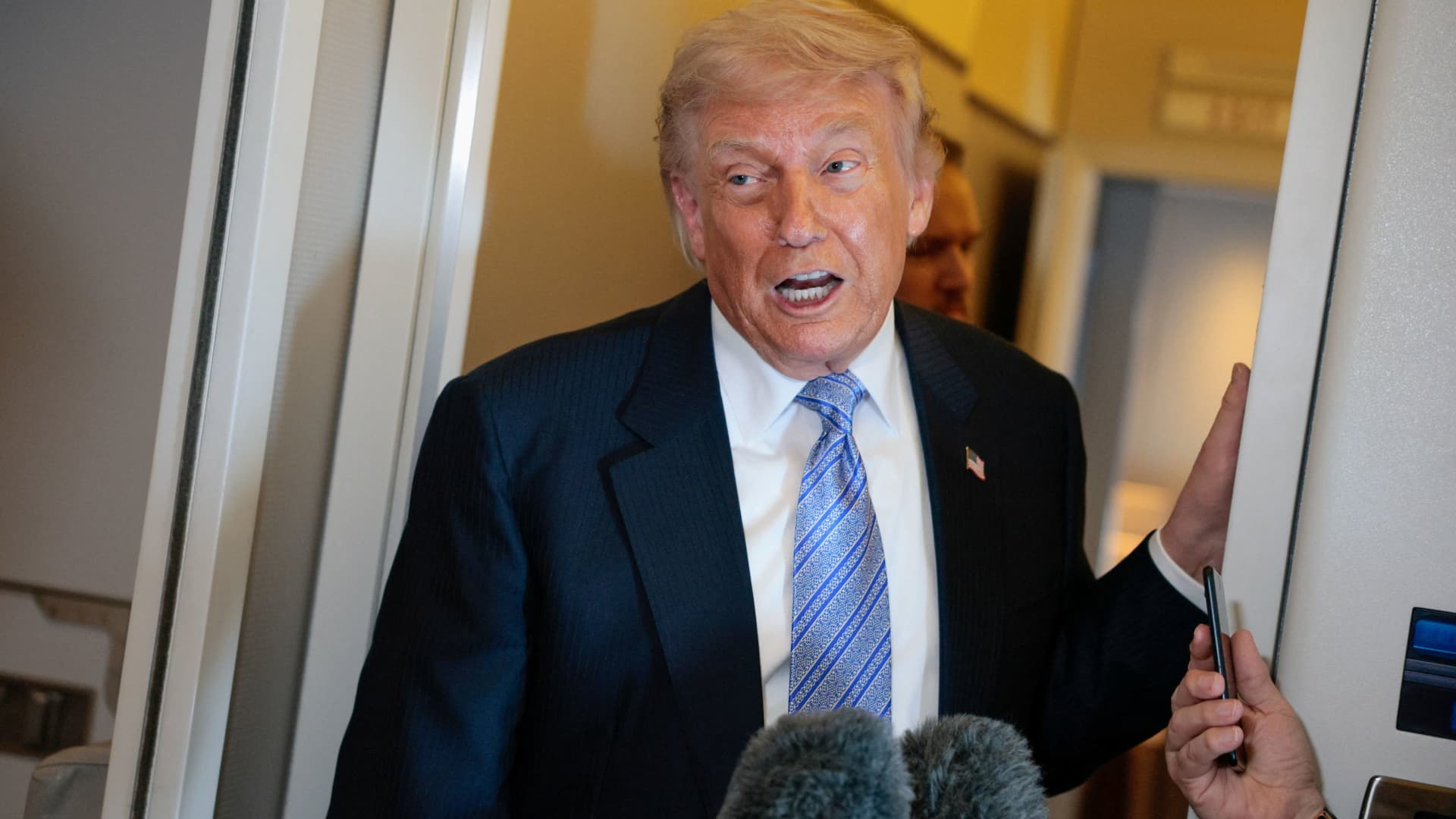
Trump Regrets Not Asking for Larger Stake in Intel

- Government Stake Impact: The U.S. government's 9.9% stake in Intel was achieved by converting $5.7 billion in CHIPS Act grants into equity, which not only stabilized Intel's stock price but also laid the groundwork for future growth.
- Stock Price Recovery: Intel's stock has surged over 300% in the past year, closely tied to a resurgence in demand for its central processing units (CPUs), indicating a renewed recognition of the company's importance in the AI era.
- Market Competition Dynamics: Trump noted that had he implemented tariffs during his presidency, Intel would be the largest company globally, reflecting his concern for U.S. semiconductor competitiveness and implicitly challenging TSMC's market position.
- Future Outlook: Bank of America predicts the CPU market could double by 2030, with Intel's CEO stating that demand for data center CPUs exceeds supply, suggesting the company's strategic position in the AI sector will further strengthen.
See More
Trump Discusses U.S. Government Stake in Intel
- Trump's Investment Perspective: In a recent interview, Trump stated he should have 'asked for more' regarding the U.S. government's roughly 10% stake in Intel, a comment that drew market attention and led to a 1% drop in Intel's premarket shares.
- Investment Details: In August 2025, the U.S. government invested $11.1 billion in Intel, purchasing 433.3 million shares at $20.47 each, equating to a 9.9% stake, along with a five-year warrant for an additional 5% of shares, contingent on Intel's ownership of its foundry business.
- Market Reaction and Stock Performance: Despite Trump's claim of generating over $30 billion for the U.S., Intel's shares have surged over 400% in the past year, yet recent declines indicate market concerns regarding government ownership.
- Patriotism and Economic Impact: Trump emphasized that this investment supports American companies, facing criticism for potentially being viewed as 'un-American', yet he believes it will enhance both Intel's growth and the U.S. economy.
See More
Shift in AI Infrastructure Market Towards Inference Workloads
- Rise of Inference Workloads: Deloitte estimates that inference workloads will account for two-thirds of AI data center computing power this year, a significant increase from 50% in 2025, driving demand for both compute and storage, which will influence investment strategies across the industry.
- Surge in Memory Demand: The explosive growth in inference requests is expected to benefit memory manufacturers like Micron and Sandisk, with Micron's stock rising 639% over the past year and Sandisk's soaring nearly 3,400%, reflecting strong market demand for memory products.
- Supply Shortage Warning: Industry participants warn that supply shortages may persist until next year, potentially leading to further price hikes in DRAM and NAND flash, with Gartner predicting the memory industry's revenue will reach $633.3 billion by 2026, significantly outpacing the growth of the non-memory semiconductor market.
- Attractive Investment Opportunity: Despite substantial stock price increases, Micron and Sandisk have forward P/E ratios of 7.6 and 24, respectively, indicating they are undervalued; given their earnings growth potential, investing in these stocks is considered a smart move.
See More
Stock Index Futures Decline as Traders Await Nvidia Earnings Report
- Intel Stock Decline: Intel (INTC) fell 1% in premarket trading after President Trump stated he should have “asked for more” regarding the U.S. government's 10% stake in the company, raising concerns about government intervention that could impact investor confidence.
- Hims & Hers Health Financing: Hims & Hers Health (HIMS) dropped nearly 4% in premarket trading after proposing a $300 million private offering of convertible senior notes due 2032, with an additional 13-day purchase option for initial purchasers, potentially diluting existing shareholders' equity.
- Macy's Stock Rise: Macy's (M) rose 3.2% in premarket trading following Berkshire Hathaway's disclosure of a $55 million investment, representing approximately 3 million shares or 1.1% of the company, which is significant given the timing amid Macy's critical “Bold New Chapter” turnaround strategy.
- Arm Holdings Antitrust Investigation: Arm Holdings (ARM) edged up 0.36% in premarket trading despite facing a U.S. antitrust investigation into whether it is using its dominant position in semiconductor licensing to disadvantage rivals, which could pose potential risks to its future business operations.
See More
Citi Raises Price Targets for Intel and AMD Amid CPU Market Growth
- Market Size Expectations: Citi analyst Atif Malik forecasts that the total addressable market for CPUs will expand from $29.3 billion in 2025 to $131.5 billion by 2030, representing a 35% compound annual growth rate, which presents significant market opportunities for Intel and AMD.
- Segment Growth: By 2030, the general-purpose CPU market is expected to grow at a 20% CAGR to $50.9 billion, AI head nodes at a 21% CAGR to $21.1 billion, and agentic CPUs at an astonishing 185% CAGR to $59.4 billion, indicating strong demand in AI and intelligent computing.
- Market Share Outlook: By 2030, Intel is projected to hold a 47% market share, AMD 34%, and ARM/others 19%, suggesting that both Intel and AMD will maintain competitive advantages in the rapidly growing AI and intelligent computing sectors.
- Price Target Adjustments: Citi raised Intel's price target from $95 to $130 and AMD's from $358 to $460, reflecting an optimistic outlook on both companies' future market performance, which could positively impact their stock prices.
See More
Trump Says He Should Have Asked for Bigger Intel Stake
- Equity Stake Reflection: Trump stated in a Fortune interview that he should have asked for a larger stake in Intel, despite the U.S. government acquiring a 9.9% stake last year, which helped reverse the company's declining stock price at the time.
- Stock Surge: Since the U.S. government converted $5.7 billion in CHIPS Act grants into equity, Intel's stock has soared over 300%, reflecting market confidence in its future and highlighting the importance of government support for corporate recovery.
- Market Competition Insight: Trump suggested that had he implemented tariff protections during his presidency, Intel could have become the largest company globally, indicating concerns over the competitiveness of U.S. firms against Chinese chip manufacturers and emphasizing America's strategic position in the global semiconductor market.
- Future Outlook: With a resurgence in demand for central processing units (CPUs), Bank of America predicts the CPU market could double by 2030, and Intel's core role in the AI era is increasingly vital, as CEO Tan noted that demand for data center CPUs exceeds supply, signaling significant growth potential ahead.
See More
Trump Regrets Not Asking for Larger Stake in Intel
- Government Stake Impact: The U.S. government's 9.9% stake in Intel was achieved by converting $5.7 billion in CHIPS Act grants into equity, which not only stabilized Intel's stock price but also laid the groundwork for future growth.
- Stock Price Recovery: Intel's stock has surged over 300% in the past year, closely tied to a resurgence in demand for its central processing units (CPUs), indicating a renewed recognition of the company's importance in the AI era.
- Market Competition Dynamics: Trump noted that had he implemented tariffs during his presidency, Intel would be the largest company globally, reflecting his concern for U.S. semiconductor competitiveness and implicitly challenging TSMC's market position.
- Future Outlook: Bank of America predicts the CPU market could double by 2030, with Intel's CEO stating that demand for data center CPUs exceeds supply, suggesting the company's strategic position in the AI sector will further strengthen.
See More