Impact of SpaceX IPO on Tesla
Written by Emily J. Thompson, Senior Investment Analyst
Updated: Jun 01 2026
0mins
Source: NASDAQ.COM
- Investor Attention Shift: The planned SpaceX IPO could lead investors to divert their attention and capital away from Tesla, particularly given SpaceX's rapid growth potential across multiple industries, which may exert short-term pressure on Tesla's stock price.
- Increased Market Competition: With SpaceX going public, many retail investors might opt to reduce their Tesla holdings to invest in SpaceX, and this capital shift could impact Tesla's market performance, especially in a context of limited investor capital.
- Ecosystem Strategy Reinforcement: Despite the short-term risks, SpaceX's successful IPO could enhance investor confidence in Musk's technology ecosystem, thereby indirectly supporting Tesla's long-term growth potential in artificial intelligence and autonomous driving.
- Governance Risks Rising: As Musk manages multiple companies simultaneously, investors may begin to scrutinize whether Tesla receives fair value from partnerships with SpaceX and whether Musk's attention is too divided, which could lead to greater scrutiny of Tesla's stock during market volatility.
Trade with 70% Backtested Accuracy
Stop guessing "Should I Buy TSLA?" and start using high-conviction signals backed by rigorous historical data.
Sign up today to access powerful investing tools and make smarter, data-driven decisions.
Analyst Views on TSLA
Wall Street analysts forecast TSLA stock price to fall
30 Analyst Rating
12 Buy
11 Hold
7 Sell
Hold
Current: 405.050

Low
25.28
Averages
401.93
High
600.00
Current: 405.050
Low
25.28
Averages
401.93
High
600.00
About TSLA
Tesla, Inc. designs, develops, manufactures, sells and leases high-performance fully electric vehicles and energy generation and storage systems, and offers services related to its products. Its segments include automotive, and energy generation and storage. The automotive segment includes the design, development, manufacturing, sales and leasing of high-performance fully electric vehicles, and sales of automotive regulatory credits. It also includes sales of used vehicles, non-warranty maintenance services and collisions, part sales, paid supercharging, insurance services revenue and retail merchandise sales. The energy generation and storage segment include the design, manufacture, installation, sales and leasing of solar energy generation and energy storage products and related services and sales of solar energy systems incentives. Its consumer vehicles include the Model 3, Y, S, X and Cybertruck. Its lithium-ion battery energy storage products include Powerwall and Megapack.
About the author

Emily J. Thompson
Emily J. Thompson, a Chartered Financial Analyst (CFA) with 12 years in investment research, graduated with honors from the Wharton School. Specializing in industrial and technology stocks, she provides in-depth analysis for Intellectia’s earnings and market brief reports.
Tesla Q2 Delivery Estimates Raised Amid Challenges

- Analyst Estimates Raised: RBC, UBS, and Goldman Sachs project Tesla's Q2 deliveries to exceed 400,000 units, reflecting optimism about improving sales trends despite a 14% year-over-year decline from last year's 384,122 deliveries, indicating challenges during the company's transition.
- Impact of New Models: Tesla's discontinuation of Model S and X production in Q2 is seen as a strategic shift towards robotaxi and humanoid robot initiatives, which may pressure traditional vehicle sales, highlighting the company's balancing act between technological innovation and market demand.
- Market Sentiment Volatility: Investor sentiment has been affected by the NHTSA probe into a fatal Tesla crash, leading to a 6% drop in TSLA shares on Tuesday, reflecting uncertainty about the company's future performance, even as analysts remain optimistic about Q2 delivery expectations.
- Retail Investor Reactions: On Stocktwits, retail sentiment around TSLA remains in the 'extremely bearish' territory, with low message volume, yet discussions surged by 493% over the past 30 days, indicating investor concerns about the safety of Tesla's full self-driving technology.
See More
Finland May Approve Tesla's Self-Driving System Ahead of EU Decision
- Finland's Regulatory Update: Finland's transport authority indicated that it may approve Tesla's self-driving assistance system earlier than the anticipated EU-wide decision, paving the way for Tesla's further expansion in the European market.
- Netherlands' Lead Approval: The Netherlands became the first European country to grant provisional approval for Tesla's Full Self-Driving (FSD) system in April, marking a significant advancement for Tesla in Europe and potentially prompting other countries to follow suit.
- Cautious Reception Elsewhere: Countries like Estonia and Belgium have also allowed the technology, although some regulators have expressed caution regarding its safety, which may influence Tesla's promotional strategies in these markets.
- EU-Wide Rollout Potential: Should a qualified majority of member states support it, Tesla's FSD system could see a broader rollout across the EU, positively impacting Tesla's market share and future growth prospects.
See More
SpaceX and Tesla Collaborate on Semiconductor Plant

- Semiconductor Plant Collaboration: SpaceX and Tesla are collaborating to build the world's largest vertically integrated semiconductor manufacturing plant, Terafab, which is expected to cover 100 million square feet, ten times the size of Tesla's Giga Texas factory, aimed at accelerating chip production to support future growth objectives for both companies.
- AI Satellite Design Challenges: SpaceX plans to design AI compute satellites to support its data centers but faces limitations in compute capacity; Tesla's energy storage technology could help address these challenges, enhancing satellite efficiency and reducing light pollution.
- Strategic Merger Implications: Merging SpaceX with Tesla would consolidate Musk's various innovative projects, streamline financing processes, and accelerate the construction of Terafab, thereby strengthening both companies' competitiveness in AI and energy sectors.
- Investor Focus: Investors should pay attention to SpaceX's upcoming earnings call to see if Musk discusses merger prospects and their potential impact on both companies, especially in light of SpaceX's stock price decline of 31.5%.
See More

SpaceX Shares Plunge 16.4% Amid Merger Talks with Tesla

- Significant Stock Drop: On June 22, SpaceX's stock plummeted 16.4% to $154.60 per share, marking a 31.5% decline from its intraday high of $225.64, indicating market concerns over its growth prospects and potentially shaking investor confidence.
- Strategic Merger Simplification: A merger between SpaceX and Tesla would consolidate their innovations in robotics, energy storage, and autonomous driving under one umbrella, enhancing operational efficiency and making the growth stock more appealing to long-term investors.
- Terafab Collaboration: The collaborative Terafab project between SpaceX, Tesla, and xAI aims to build the world's largest chip plant, covering 100 million square feet, which, if successful, could significantly boost both companies' AI computing capabilities and reduce reliance on external suppliers.
- Space Energy Storage Potential: SpaceX's ambition to create AI compute satellite constellations in space could harness solar energy, and Tesla's energy storage technology could help mitigate light pollution while enhancing satellite efficiency, fostering collaboration in space technology between the two companies.
See More
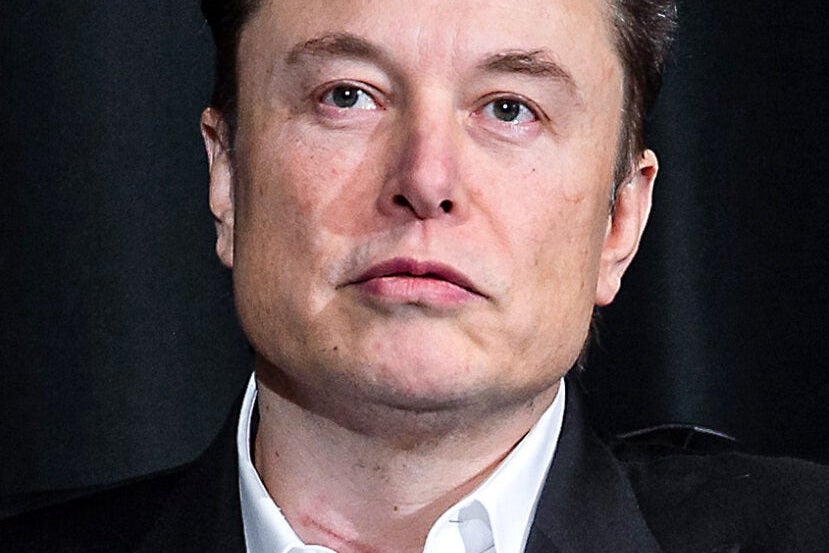
SpaceX Stock Soars on Debut but Faces Risks
- Debut Trading Performance: SpaceX's stock surged 23% on its first trading day, attracting significant retail investor interest, which reflects strong market confidence in the company's innovative potential and the broader space exploration sector.
- Diverse Revenue Streams: Starlink contributed over $11 billion of SpaceX's total revenue of $18 billion in 2022, with subscriber numbers skyrocketing from 2.3 million to over 10 million, indicating rapid global expansion and enhancing the company's financial stability.
- High Investment Risks: SpaceX's capital expenditures in the AI sector reached $12 billion, which, while potentially paving the way for future growth, has also led to a net loss for the company, prompting investors to closely monitor its path to profitability.
- Cautious Future Outlook: Despite significant advancements in technology, SpaceX's ongoing high investments may delay profitability, necessitating careful evaluation of potential technological risks and market volatility before considering stock purchases.
See More
Morgan Stanley Upgrades Outlook for China's Humanoid Robotics Market

- Optimistic Market Outlook: Morgan Stanley has raised its forecast for China's humanoid robot shipments from 28,000 to 50,000 units, nearly doubling its initial projection of 14,000 units, indicating robust market demand and accelerated commercialization.
- Market Size Expansion: The Chinese humanoid robotics market is expected to reach $2 billion this year and grow to $15 billion by 2030, with annual shipments projected to hit 446,000 units by then, highlighting significant long-term growth potential in the industry.
- Policy Support Accelerating Development: The Chinese government has prioritized the development of 'embodied AI' over the next five years, providing subsidies for land and office space to local manufacturers, which will further solidify their competitive position in the global market.
- Emerging Investment Opportunities: Morgan Stanley notes that Shanghai-listed Leaderdrive will benefit from the rise of humanoid robotics, raising its target price from 269 yuan to 464 yuan, with expectations of capturing a 40% global market share, reflecting strong shipment volumes and customer exposure.
See More
Tesla Q2 Delivery Estimates Raised Amid Challenges
- Analyst Estimates Raised: RBC, UBS, and Goldman Sachs project Tesla's Q2 deliveries to exceed 400,000 units, reflecting optimism about improving sales trends despite a 14% year-over-year decline from last year's 384,122 deliveries, indicating challenges during the company's transition.
- Impact of New Models: Tesla's discontinuation of Model S and X production in Q2 is seen as a strategic shift towards robotaxi and humanoid robot initiatives, which may pressure traditional vehicle sales, highlighting the company's balancing act between technological innovation and market demand.
- Market Sentiment Volatility: Investor sentiment has been affected by the NHTSA probe into a fatal Tesla crash, leading to a 6% drop in TSLA shares on Tuesday, reflecting uncertainty about the company's future performance, even as analysts remain optimistic about Q2 delivery expectations.
- Retail Investor Reactions: On Stocktwits, retail sentiment around TSLA remains in the 'extremely bearish' territory, with low message volume, yet discussions surged by 493% over the past 30 days, indicating investor concerns about the safety of Tesla's full self-driving technology.
See More
Finland May Approve Tesla's Self-Driving System Ahead of EU Decision
- Finland's Regulatory Update: Finland's transport authority indicated that it may approve Tesla's self-driving assistance system earlier than the anticipated EU-wide decision, paving the way for Tesla's further expansion in the European market.
- Netherlands' Lead Approval: The Netherlands became the first European country to grant provisional approval for Tesla's Full Self-Driving (FSD) system in April, marking a significant advancement for Tesla in Europe and potentially prompting other countries to follow suit.
- Cautious Reception Elsewhere: Countries like Estonia and Belgium have also allowed the technology, although some regulators have expressed caution regarding its safety, which may influence Tesla's promotional strategies in these markets.
- EU-Wide Rollout Potential: Should a qualified majority of member states support it, Tesla's FSD system could see a broader rollout across the EU, positively impacting Tesla's market share and future growth prospects.
See More
SpaceX and Tesla Collaborate on Semiconductor Plant
- Semiconductor Plant Collaboration: SpaceX and Tesla are collaborating to build the world's largest vertically integrated semiconductor manufacturing plant, Terafab, which is expected to cover 100 million square feet, ten times the size of Tesla's Giga Texas factory, aimed at accelerating chip production to support future growth objectives for both companies.
- AI Satellite Design Challenges: SpaceX plans to design AI compute satellites to support its data centers but faces limitations in compute capacity; Tesla's energy storage technology could help address these challenges, enhancing satellite efficiency and reducing light pollution.
- Strategic Merger Implications: Merging SpaceX with Tesla would consolidate Musk's various innovative projects, streamline financing processes, and accelerate the construction of Terafab, thereby strengthening both companies' competitiveness in AI and energy sectors.
- Investor Focus: Investors should pay attention to SpaceX's upcoming earnings call to see if Musk discusses merger prospects and their potential impact on both companies, especially in light of SpaceX's stock price decline of 31.5%.
See More
SpaceX Shares Plunge 16.4% Amid Merger Talks with Tesla
- Significant Stock Drop: On June 22, SpaceX's stock plummeted 16.4% to $154.60 per share, marking a 31.5% decline from its intraday high of $225.64, indicating market concerns over its growth prospects and potentially shaking investor confidence.
- Strategic Merger Simplification: A merger between SpaceX and Tesla would consolidate their innovations in robotics, energy storage, and autonomous driving under one umbrella, enhancing operational efficiency and making the growth stock more appealing to long-term investors.
- Terafab Collaboration: The collaborative Terafab project between SpaceX, Tesla, and xAI aims to build the world's largest chip plant, covering 100 million square feet, which, if successful, could significantly boost both companies' AI computing capabilities and reduce reliance on external suppliers.
- Space Energy Storage Potential: SpaceX's ambition to create AI compute satellite constellations in space could harness solar energy, and Tesla's energy storage technology could help mitigate light pollution while enhancing satellite efficiency, fostering collaboration in space technology between the two companies.
See More
SpaceX Stock Soars on Debut but Faces Risks
- Debut Trading Performance: SpaceX's stock surged 23% on its first trading day, attracting significant retail investor interest, which reflects strong market confidence in the company's innovative potential and the broader space exploration sector.
- Diverse Revenue Streams: Starlink contributed over $11 billion of SpaceX's total revenue of $18 billion in 2022, with subscriber numbers skyrocketing from 2.3 million to over 10 million, indicating rapid global expansion and enhancing the company's financial stability.
- High Investment Risks: SpaceX's capital expenditures in the AI sector reached $12 billion, which, while potentially paving the way for future growth, has also led to a net loss for the company, prompting investors to closely monitor its path to profitability.
- Cautious Future Outlook: Despite significant advancements in technology, SpaceX's ongoing high investments may delay profitability, necessitating careful evaluation of potential technological risks and market volatility before considering stock purchases.
See More
Morgan Stanley Upgrades Outlook for China's Humanoid Robotics Market
- Optimistic Market Outlook: Morgan Stanley has raised its forecast for China's humanoid robot shipments from 28,000 to 50,000 units, nearly doubling its initial projection of 14,000 units, indicating robust market demand and accelerated commercialization.
- Market Size Expansion: The Chinese humanoid robotics market is expected to reach $2 billion this year and grow to $15 billion by 2030, with annual shipments projected to hit 446,000 units by then, highlighting significant long-term growth potential in the industry.
- Policy Support Accelerating Development: The Chinese government has prioritized the development of 'embodied AI' over the next five years, providing subsidies for land and office space to local manufacturers, which will further solidify their competitive position in the global market.
- Emerging Investment Opportunities: Morgan Stanley notes that Shanghai-listed Leaderdrive will benefit from the rise of humanoid robotics, raising its target price from 269 yuan to 464 yuan, with expectations of capturing a 40% global market share, reflecting strong shipment volumes and customer exposure.
See More