

How Is Raymond James’ Stock Performance Compared to Other Capital Market Stocks?
Written by Emily J. Thompson, Senior Investment Analyst
Updated: Mar 21 2025
0mins


Source: NASDAQ.COM
Company Overview: Raymond James Financial, Inc. is a diversified financial services company with a market cap of $30 billion, providing various services including asset management and banking to clients in the U.S., Canada, and Europe. Despite recent stock declines, it has shown significant growth over the past six months and year.
Stock Performance and Analyst Outlook: RJF stock has fallen 18.7% from its 52-week high but has a consensus rating of "Moderate Buy" from analysts, with a price target suggesting a potential upside of 24.4%. The company's Q1 earnings showed a 17% revenue increase, exceeding Wall Street estimates.
Trade with 70% Backtested Accuracy
Stop guessing "Should I Buy RJF?" and start using high-conviction signals backed by rigorous historical data.
Sign up today to access powerful investing tools and make smarter, data-driven decisions.
Analyst Views on RJF
Wall Street analysts forecast RJF stock price to rise
9 Analyst Rating
2 Buy
7 Hold
0 Sell
Hold
Current: 166.410

Low
176.00
Averages
184.00
High
196.00
Current: 166.410
Low
176.00
Averages
184.00
High
196.00
About RJF
Raymond James Financial, Inc. is a diversified financial services company that provides services to individuals, corporations and municipalities. The Company's segments include Private Client Group (PCG), Capital Markets, Asset Management, Bank and Other. PCG segment provides financial planning, investment advisory, and securities transaction services to clients through financial advisors. Capital Markets segment conducts investment banking, institutional sales, securities trading, equity research, and the syndication and management of investments in low-income housing funds and funds of a similar nature. Asset Management segment provides asset management, portfolio management and related administrative services to retail and institutional clients. Bank segment includes Raymond James Bank, a Florida-chartered state member bank, and TriState Capital Bank, a Pennsylvania-chartered state member bank. Other segment includes corporate cash balances and its private equity investments.
About the author

Emily J. Thompson
Emily J. Thompson, a Chartered Financial Analyst (CFA) with 12 years in investment research, graduated with honors from the Wharton School. Specializing in industrial and technology stocks, she provides in-depth analysis for Intellectia’s earnings and market brief reports.
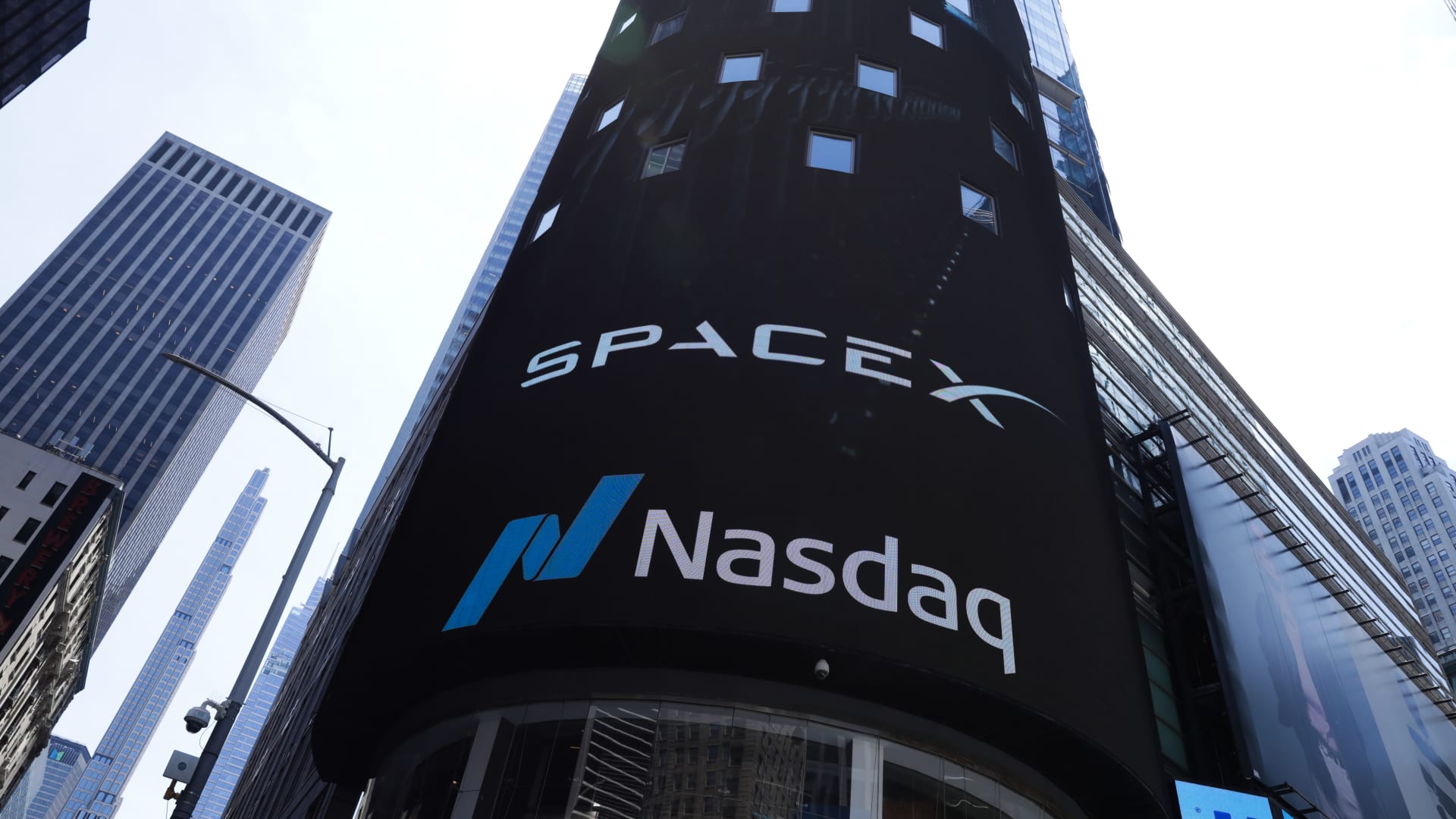
Wall Street's Major Banks Bullish on SpaceX's Future


- Analysts' Optimistic Outlook: Deutsche Bank analysts describe SpaceX as 'the apex of civilizational ambition,' indicating strong confidence in the company's future role in shaping history and technological advancement.
- Market Capitalization: With a market cap of $2.1 trillion and a closing price of $160.42 per share on Monday, SpaceX's performance post-IPO reflects market approval, although MoffettNathanson remains pessimistic about its value over the next 12 months.
- Technological Innovation Potential: Analysts at Raymond James assert that the successful deployment of Starship will industrialize orbital transportation, potentially reducing launch costs to hundreds of dollars per kilogram, thereby advancing the broader space economy.
- Diversified Business Strategy: SpaceX's integration strategy across its three business segments—Space, Connectivity, and Artificial Intelligence—is expected to enhance its competitive edge in future markets, particularly as Starlink's user base has reached 12 million, becoming a significant revenue driver.
See More

Market Update: SpaceX and Coca-Cola Reach New Highs

- SpaceX Joins Nasdaq: SpaceX was fast-tracked into the Nasdaq-100 on Tuesday, closing its first trading day at $160.95, approximately 30% below its June 16 high of $225.64, indicating strong market interest despite the decline.
- Financial Sector Surge: The S&P Financials sector surged 4.5% in the past week and 7.6% over the month, with 82 out of 85 stocks rising last week, led by Robinhood's impressive 43% increase over three months, reflecting renewed investor confidence in financial stocks.
- Coca-Cola Hits New High: Coca-Cola shares have risen 7.4% over the past three months, reaching a new high, while the S&P Staples sector remained flat, showcasing Coca-Cola's robust performance and stable consumer demand in a challenging market.
- Cybersecurity Stocks Reach All-Time Highs: CrowdStrike, Fortinet, and Palo Alto Networks all achieved record highs on Monday, with CrowdStrike up 100%, Fortinet up 97%, and Palo Alto Networks up 121% over three months, highlighting strong market interest and investment in cybersecurity solutions.
See More

AppLovin Shares Surge Following Analyst Upgrade

- Analyst Strong Buy: Andrew Marok of Raymond James initiated coverage on AppLovin with a strong buy rating and a price target of $640 per share, over 21% higher than its recent closing price, which has contributed to a more than 10% rise in shares over the past week.
- Optimistic Market Outlook: Marok's bullish view on the e-commerce advertising market's expansion is favorable for AppLovin, especially after the company opened its self-serve advertising platform in late June, attracting a broader range of advertisers and enhancing its competitive position.
- Revenue Growth Expectations: The analyst anticipates revenue growth exceeding 40% for AppLovin, with EBITDA margins surpassing 80%, indicating the company's strong profitability and market potential in the ad tech sector.
- Dual Threat Strategy: AppLovin is rapidly becoming a dual threat with its core mobile app advertising business and ongoing expansion into e-commerce, creating a high-growth combination that positions the company strongly in future markets.
See More

AppLovin Receives Strong Buy Rating Amid E-commerce Expansion
- Analyst Strong Buy: Andrew Marok from Raymond James initiated coverage on AppLovin with a strong buy rating and a price target of $640 per share, representing a 21% upside from its recent closing price, reflecting strong confidence in the company's growth prospects.
- E-commerce Platform Opened: In late June, AppLovin opened its self-serve advertising platform to all advertisers, previously requiring referrals, significantly expanding its market reach, particularly in the rapidly growing e-commerce sector.
- Revenue Growth Expectations: Marok anticipates over 40% revenue growth for AppLovin, with EBITDA margins exceeding 80%, indicating substantial potential for profitability as the company capitalizes on the e-commerce advertising market.
- Dual Threat Strategy: AppLovin is excelling in mobile app advertising while also pushing into e-commerce advertising, creating a high-growth potential combination; despite its high valuation, the market remains optimistic about its future performance.
See More

ADMA Biologics Shows Promising Profitability Outlook


- Profitability Growth: ADMA Biologics reported a net income of $407 million in Q1, reflecting a 22% year-over-year increase, indicating sustained profitability that is expected to enhance the company's competitive edge in the biopharmaceutical market.
- Significant Market Potential: Currently capturing only 4% of its total addressable market, ADMA is positioned for substantial growth, with the market projected to expand at a compound annual growth rate of 10% through 2033, suggesting significant revenue growth opportunities ahead.
- Optimistic Product Outlook: EyePoint Pharmaceuticals is on track to announce results from clinical trials for Duravyu, targeting wet age-related macular degeneration, with a market opportunity exceeding $15 billion, which could significantly elevate the company's market position if approved.
- Investment Risks and Rewards: Viking Therapeutics has an average price target 146% above its current share price, and while it remains unprofitable, its potential in obesity drug development makes it a focal point for investors, despite the inherent investment risks.
See More

SpaceX's $2 Trillion Valuation Faces Significant Hurdles Ahead
- SpaceX Valuation Analysis: Despite SpaceX's market cap hovering around $2 trillion, the company generated only $18.7 billion in revenue last year and posted a nearly $5 billion loss, indicating the fragility of its high valuation and making a doubling of its stock price over the next two to three years highly unlikely.
- ADMA Biologics Profit Growth: ADMA Biologics reported a net income of $407 million in Q1, up 22% year-over-year, with its flagship product Asceniv accounting for approximately 86% of total revenue, showcasing strong growth potential in the plasma-derived immunoglobulin market.
- EyePoint Pharmaceuticals Clinical Prospects: EyePoint Pharmaceuticals expects to announce top-line results for Duravyu soon, targeting wet age-related macular degeneration with a market opportunity exceeding $15 billion; analysts are overwhelmingly bullish, with a consensus price target 165% higher than the current share price.
- Viking Therapeutics Potential Breakthrough: Viking Therapeutics is conducting two Phase 3 trials for VK2735, and although it is currently unprofitable, its pipeline includes multiple promising therapies, with the average price target for the stock indicating a potential upside of 146%, reflecting significant growth potential.
See More
Wall Street's Major Banks Bullish on SpaceX's Future
- Analysts' Optimistic Outlook: Deutsche Bank analysts describe SpaceX as 'the apex of civilizational ambition,' indicating strong confidence in the company's future role in shaping history and technological advancement.
- Market Capitalization: With a market cap of $2.1 trillion and a closing price of $160.42 per share on Monday, SpaceX's performance post-IPO reflects market approval, although MoffettNathanson remains pessimistic about its value over the next 12 months.
- Technological Innovation Potential: Analysts at Raymond James assert that the successful deployment of Starship will industrialize orbital transportation, potentially reducing launch costs to hundreds of dollars per kilogram, thereby advancing the broader space economy.
- Diversified Business Strategy: SpaceX's integration strategy across its three business segments—Space, Connectivity, and Artificial Intelligence—is expected to enhance its competitive edge in future markets, particularly as Starlink's user base has reached 12 million, becoming a significant revenue driver.
See More
Market Update: SpaceX and Coca-Cola Reach New Highs
- SpaceX Joins Nasdaq: SpaceX was fast-tracked into the Nasdaq-100 on Tuesday, closing its first trading day at $160.95, approximately 30% below its June 16 high of $225.64, indicating strong market interest despite the decline.
- Financial Sector Surge: The S&P Financials sector surged 4.5% in the past week and 7.6% over the month, with 82 out of 85 stocks rising last week, led by Robinhood's impressive 43% increase over three months, reflecting renewed investor confidence in financial stocks.
- Coca-Cola Hits New High: Coca-Cola shares have risen 7.4% over the past three months, reaching a new high, while the S&P Staples sector remained flat, showcasing Coca-Cola's robust performance and stable consumer demand in a challenging market.
- Cybersecurity Stocks Reach All-Time Highs: CrowdStrike, Fortinet, and Palo Alto Networks all achieved record highs on Monday, with CrowdStrike up 100%, Fortinet up 97%, and Palo Alto Networks up 121% over three months, highlighting strong market interest and investment in cybersecurity solutions.
See More
AppLovin Shares Surge Following Analyst Upgrade
- Analyst Strong Buy: Andrew Marok of Raymond James initiated coverage on AppLovin with a strong buy rating and a price target of $640 per share, over 21% higher than its recent closing price, which has contributed to a more than 10% rise in shares over the past week.
- Optimistic Market Outlook: Marok's bullish view on the e-commerce advertising market's expansion is favorable for AppLovin, especially after the company opened its self-serve advertising platform in late June, attracting a broader range of advertisers and enhancing its competitive position.
- Revenue Growth Expectations: The analyst anticipates revenue growth exceeding 40% for AppLovin, with EBITDA margins surpassing 80%, indicating the company's strong profitability and market potential in the ad tech sector.
- Dual Threat Strategy: AppLovin is rapidly becoming a dual threat with its core mobile app advertising business and ongoing expansion into e-commerce, creating a high-growth combination that positions the company strongly in future markets.
See More
AppLovin Receives Strong Buy Rating Amid E-commerce Expansion
- Analyst Strong Buy: Andrew Marok from Raymond James initiated coverage on AppLovin with a strong buy rating and a price target of $640 per share, representing a 21% upside from its recent closing price, reflecting strong confidence in the company's growth prospects.
- E-commerce Platform Opened: In late June, AppLovin opened its self-serve advertising platform to all advertisers, previously requiring referrals, significantly expanding its market reach, particularly in the rapidly growing e-commerce sector.
- Revenue Growth Expectations: Marok anticipates over 40% revenue growth for AppLovin, with EBITDA margins exceeding 80%, indicating substantial potential for profitability as the company capitalizes on the e-commerce advertising market.
- Dual Threat Strategy: AppLovin is excelling in mobile app advertising while also pushing into e-commerce advertising, creating a high-growth potential combination; despite its high valuation, the market remains optimistic about its future performance.
See More
ADMA Biologics Shows Promising Profitability Outlook
- Profitability Growth: ADMA Biologics reported a net income of $407 million in Q1, reflecting a 22% year-over-year increase, indicating sustained profitability that is expected to enhance the company's competitive edge in the biopharmaceutical market.
- Significant Market Potential: Currently capturing only 4% of its total addressable market, ADMA is positioned for substantial growth, with the market projected to expand at a compound annual growth rate of 10% through 2033, suggesting significant revenue growth opportunities ahead.
- Optimistic Product Outlook: EyePoint Pharmaceuticals is on track to announce results from clinical trials for Duravyu, targeting wet age-related macular degeneration, with a market opportunity exceeding $15 billion, which could significantly elevate the company's market position if approved.
- Investment Risks and Rewards: Viking Therapeutics has an average price target 146% above its current share price, and while it remains unprofitable, its potential in obesity drug development makes it a focal point for investors, despite the inherent investment risks.
See More
SpaceX's $2 Trillion Valuation Faces Significant Hurdles Ahead
- SpaceX Valuation Analysis: Despite SpaceX's market cap hovering around $2 trillion, the company generated only $18.7 billion in revenue last year and posted a nearly $5 billion loss, indicating the fragility of its high valuation and making a doubling of its stock price over the next two to three years highly unlikely.
- ADMA Biologics Profit Growth: ADMA Biologics reported a net income of $407 million in Q1, up 22% year-over-year, with its flagship product Asceniv accounting for approximately 86% of total revenue, showcasing strong growth potential in the plasma-derived immunoglobulin market.
- EyePoint Pharmaceuticals Clinical Prospects: EyePoint Pharmaceuticals expects to announce top-line results for Duravyu soon, targeting wet age-related macular degeneration with a market opportunity exceeding $15 billion; analysts are overwhelmingly bullish, with a consensus price target 165% higher than the current share price.
- Viking Therapeutics Potential Breakthrough: Viking Therapeutics is conducting two Phase 3 trials for VK2735, and although it is currently unprofitable, its pipeline includes multiple promising therapies, with the average price target for the stock indicating a potential upside of 146%, reflecting significant growth potential.
See More





