Hinge Health Executive Sells 50,000 Shares
Written by Emily J. Thompson, Senior Investment Analyst
Updated: Apr 06 2026
0mins
Source: Fool
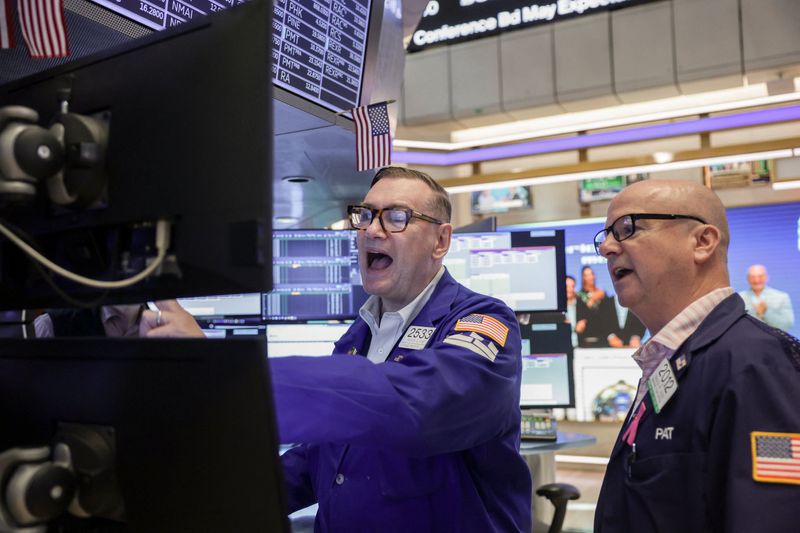
- Executive Stock Sale: On April 1, 2026, Hinge Health Director Gabriel M.I. Mecklenburg sold 50,000 Class A common shares for approximately $1.92 million, reflecting executive liquidity management amid market fluctuations.
- Ownership Change: Following this transaction, Mecklenburg's direct Class A common stock holdings dropped to zero; however, he retains 3,268,813 convertible Class B shares, ensuring ongoing indirect control and beneficial ownership.
- Trading Plan Context: This sale is part of a Rule 10b5-1 trading plan adopted by Mecklenburg on December 1, 2025, indicating a pre-established liquidity strategy rather than a discretionary action.
- Market Performance Analysis: Hinge Health's stock has risen 23% over the past year despite a 15% decline year-to-date; however, the company reported a 46% year-over-year revenue increase to $171 million in Q4, highlighting its growth potential in the health technology sector.
Trade with 70% Backtested Accuracy
Stop guessing "Should I Buy HNGE?" and start using high-conviction signals backed by rigorous historical data.
Sign up today to access powerful investing tools and make smarter, data-driven decisions.
Analyst Views on HNGE
Wall Street analysts forecast HNGE stock price to rise
14 Analyst Rating
14 Buy
0 Hold
0 Sell
Strong Buy
Current: 52.980

Low
59.00
Averages
64.50
High
72.00
Current: 52.980
Low
59.00
Averages
64.50
High
72.00
About HNGE
Hinge Health, Inc. leverages software, including artificial intelligence (AI), to largely automate care for joint and muscle health. The Company has designed its TrueMotion platform to address a spectrum of musculoskeletal (MSK) care from acute injury to chronic pain, to post-surgical rehabilitation. Members receive personalized and automated MSK care through its AI-powered motion tracking technology. It offers electrical nerve stimulation wearable device Enso, all designed and monitored by its AI-supported care team of licensed physical therapists, physicians, and board-certified health coaches. Its platform offers a range of support with multiple programs across many affected areas to provide a continuum of care from prevention to treatment of acute injury and chronic pain, as well as surgery decision support and post-surgical recovery. Enso delivers electrical nerve stimulation designed to provide non-addictive and non-invasive pain relief.
About the author

Emily J. Thompson
Emily J. Thompson, a Chartered Financial Analyst (CFA) with 12 years in investment research, graduated with honors from the Wharton School. Specializing in industrial and technology stocks, she provides in-depth analysis for Intellectia’s earnings and market brief reports.

Hinge Health (HNGE.US) Director Plans to Sell $13.28 Million in Common Stock via Form 144

Share Sale Announcement: Hinge Health (HNGE.US) plans to sell 242.1K shares of its common stock on May 7, with an estimated market value of approximately $13.28 million.
Reduction in Shareholding: Bessemer Venture Partners X Institutional LP has decreased its shareholding in Hinge Health by 500K shares since February 12, 2026, with a total value of around $20.15 million.
See More

Hinge Health Reports Strong Q1 2026 Earnings with New Migraine Program
- Strong Financial Performance: Hinge Health reported $182 million in revenue for Q1 2026, a 47% increase year-over-year, exceeding expectations and demonstrating the company's sustained strength in the muscle and joint pain sector, which is expected to drive future growth.
- New Program Launch: The company launched a migraine care program and received FDA 510(k) clearance, with over 125 clients adopting the program within weeks, covering more than 2 million eligible lives, marking a significant strategic expansion for the business.
- Improved Profitability: The first quarter saw a gross margin of 85% and an operating margin of 25%, generating $46 million in operating income, showcasing significant progress in cost control and efficiency, which is likely to enhance investor confidence.
- Optimistic Full-Year Outlook: CFO James Budge raised the revenue guidance for 2026 to $798 million to $804 million and operating income guidance to $205 million to $215 million, reflecting the company's confidence in market demand and its capabilities.
See More
Hinge Health Q1 Earnings Exceed Expectations
- Strong Earnings Performance: Hinge Health reported a Q1 non-GAAP EPS of $0.45, beating expectations by $0.05, indicating a sustained enhancement in profitability and reflecting its competitive edge in a rapidly growing market.
- Significant Revenue Growth: The company achieved Q1 revenue of $182.3 million, exceeding market expectations by $10.07 million, demonstrating success in customer acquisition and market penetration, further solidifying its market leadership.
- Improved Gross Margins: Both GAAP and non-GAAP gross margins stood at 85%, up from 81% in Q1 2025, showcasing improvements in cost control and operational efficiency, which enhance profitability.
- Substantial Operating Income Growth: GAAP operating income surged 144% to $32.1 million, while non-GAAP operating income increased by 208% to $46.2 million, indicating strong performance in business expansion and profitability, suggesting continued growth potential ahead.
See More

Hinge Health Launches Innovative Migraine Care Program
- FDA Clearance: Hinge Health's Enso device has received FDA clearance, enabling rapid, drug-free migraine relief within minutes, marking a significant technological advancement in nerve stimulation and pain management that is expected to greatly enhance patient quality of life.
- Broad Client Adoption: Over 125 clients have adopted Hinge Health's Migraine Care Program, covering more than two million people, indicating a strong demand from employers to address one of the leading causes of disability for individuals under 50, which could drive future market expansion for the company.
- Personalized Management: The program leverages AI technology to provide personalized trigger tracking and insights, helping users identify and manage environmental, lifestyle, and dietary factors, thereby reducing the frequency and severity of migraine attacks and enhancing user satisfaction.
- Preventive Interventions: Through exercise therapy and lifestyle guidance provided by expert teams, the program aims to intervene before migraine attacks occur, reducing healthcare costs and improving workplace productivity, potentially saving businesses approximately $78 billion annually.
See More

Rising Dating Costs Impact Frequency Among Young Americans

- Declining Dating Frequency: According to BMO's survey, 50% of single Americans are going on fewer dates due to rising living costs, with 48% of Gen Z and 40% of millennials stating that high dating expenses hinder their financial goals.
- Cost Analysis: Gen Z spends an average of $205 per date, while millennials spend $252, leading to an annual dating expenditure of approximately $1,845, which constitutes 3% to 5% of median annual income for full-time workers aged 16 to 34, highlighting the significant financial pressure dating imposes on young adults.
- Shifting Dating Approaches: As living costs rise, young people are adopting more conservative dating strategies, reducing high-risk social activities, which results in fewer emotional connections being formed, reflecting the profound impact of economic pressures on social behavior.
- Dating App Expenditures: About 35% of dating app users have paid for subscriptions, averaging $19 per month, and while most users utilize free versions, the
See More

Hinge Health Executive Sells 50,000 Shares
- Executive Stock Sale: On April 1, 2026, Hinge Health Director Gabriel M.I. Mecklenburg sold 50,000 Class A common shares for approximately $1.92 million, reflecting executive liquidity management amid market fluctuations.
- Ownership Change: Following this transaction, Mecklenburg's direct Class A common stock holdings dropped to zero; however, he retains 3,268,813 convertible Class B shares, ensuring ongoing indirect control and beneficial ownership.
- Trading Plan Context: This sale is part of a Rule 10b5-1 trading plan adopted by Mecklenburg on December 1, 2025, indicating a pre-established liquidity strategy rather than a discretionary action.
- Market Performance Analysis: Hinge Health's stock has risen 23% over the past year despite a 15% decline year-to-date; however, the company reported a 46% year-over-year revenue increase to $171 million in Q4, highlighting its growth potential in the health technology sector.
See More
Hinge Health (HNGE.US) Director Plans to Sell $13.28 Million in Common Stock via Form 144
Share Sale Announcement: Hinge Health (HNGE.US) plans to sell 242.1K shares of its common stock on May 7, with an estimated market value of approximately $13.28 million.
Reduction in Shareholding: Bessemer Venture Partners X Institutional LP has decreased its shareholding in Hinge Health by 500K shares since February 12, 2026, with a total value of around $20.15 million.
See More
Hinge Health Reports Strong Q1 2026 Earnings with New Migraine Program
- Strong Financial Performance: Hinge Health reported $182 million in revenue for Q1 2026, a 47% increase year-over-year, exceeding expectations and demonstrating the company's sustained strength in the muscle and joint pain sector, which is expected to drive future growth.
- New Program Launch: The company launched a migraine care program and received FDA 510(k) clearance, with over 125 clients adopting the program within weeks, covering more than 2 million eligible lives, marking a significant strategic expansion for the business.
- Improved Profitability: The first quarter saw a gross margin of 85% and an operating margin of 25%, generating $46 million in operating income, showcasing significant progress in cost control and efficiency, which is likely to enhance investor confidence.
- Optimistic Full-Year Outlook: CFO James Budge raised the revenue guidance for 2026 to $798 million to $804 million and operating income guidance to $205 million to $215 million, reflecting the company's confidence in market demand and its capabilities.
See More
Hinge Health Q1 Earnings Exceed Expectations
- Strong Earnings Performance: Hinge Health reported a Q1 non-GAAP EPS of $0.45, beating expectations by $0.05, indicating a sustained enhancement in profitability and reflecting its competitive edge in a rapidly growing market.
- Significant Revenue Growth: The company achieved Q1 revenue of $182.3 million, exceeding market expectations by $10.07 million, demonstrating success in customer acquisition and market penetration, further solidifying its market leadership.
- Improved Gross Margins: Both GAAP and non-GAAP gross margins stood at 85%, up from 81% in Q1 2025, showcasing improvements in cost control and operational efficiency, which enhance profitability.
- Substantial Operating Income Growth: GAAP operating income surged 144% to $32.1 million, while non-GAAP operating income increased by 208% to $46.2 million, indicating strong performance in business expansion and profitability, suggesting continued growth potential ahead.
See More
Hinge Health Launches Innovative Migraine Care Program
- FDA Clearance: Hinge Health's Enso device has received FDA clearance, enabling rapid, drug-free migraine relief within minutes, marking a significant technological advancement in nerve stimulation and pain management that is expected to greatly enhance patient quality of life.
- Broad Client Adoption: Over 125 clients have adopted Hinge Health's Migraine Care Program, covering more than two million people, indicating a strong demand from employers to address one of the leading causes of disability for individuals under 50, which could drive future market expansion for the company.
- Personalized Management: The program leverages AI technology to provide personalized trigger tracking and insights, helping users identify and manage environmental, lifestyle, and dietary factors, thereby reducing the frequency and severity of migraine attacks and enhancing user satisfaction.
- Preventive Interventions: Through exercise therapy and lifestyle guidance provided by expert teams, the program aims to intervene before migraine attacks occur, reducing healthcare costs and improving workplace productivity, potentially saving businesses approximately $78 billion annually.
See More
Rising Dating Costs Impact Frequency Among Young Americans
- Declining Dating Frequency: According to BMO's survey, 50% of single Americans are going on fewer dates due to rising living costs, with 48% of Gen Z and 40% of millennials stating that high dating expenses hinder their financial goals.
- Cost Analysis: Gen Z spends an average of $205 per date, while millennials spend $252, leading to an annual dating expenditure of approximately $1,845, which constitutes 3% to 5% of median annual income for full-time workers aged 16 to 34, highlighting the significant financial pressure dating imposes on young adults.
- Shifting Dating Approaches: As living costs rise, young people are adopting more conservative dating strategies, reducing high-risk social activities, which results in fewer emotional connections being formed, reflecting the profound impact of economic pressures on social behavior.
- Dating App Expenditures: About 35% of dating app users have paid for subscriptions, averaging $19 per month, and while most users utilize free versions, the
See More
Hinge Health Executive Sells 50,000 Shares
- Executive Stock Sale: On April 1, 2026, Hinge Health Director Gabriel M.I. Mecklenburg sold 50,000 Class A common shares for approximately $1.92 million, reflecting executive liquidity management amid market fluctuations.
- Ownership Change: Following this transaction, Mecklenburg's direct Class A common stock holdings dropped to zero; however, he retains 3,268,813 convertible Class B shares, ensuring ongoing indirect control and beneficial ownership.
- Trading Plan Context: This sale is part of a Rule 10b5-1 trading plan adopted by Mecklenburg on December 1, 2025, indicating a pre-established liquidity strategy rather than a discretionary action.
- Market Performance Analysis: Hinge Health's stock has risen 23% over the past year despite a 15% decline year-to-date; however, the company reported a 46% year-over-year revenue increase to $171 million in Q4, highlighting its growth potential in the health technology sector.
See More