GlobalFoundries Innovates Photonic Technology to Solve AI Bottlenecks
Written by Emily J. Thompson, Senior Investment Analyst
Updated: May 31 2026
0mins
Source: Fool
- Breakthrough in Photonics: GlobalFoundries launched the SCALE platform, utilizing co-packaged optics technology to significantly enhance bandwidth density and scalability of AI infrastructure, addressing heat and signal loss issues associated with traditional copper wiring in data transmission.
- Acquisition Boosts Capacity: By acquiring Advanced Micro Foundry in Singapore, GlobalFoundries gained manufacturing assets and intellectual property in silicon photonics, strengthening its competitive edge in supply chain diversification amid U.S.-China semiconductor tensions.
- Strong Market Demand: Silicon photonics revenue is expected to nearly double in 2026, with over 500 design wins logged in 2025, indicating robust market demand for efficient data transmission solutions and further solidifying the company's market position.
- Government Support: The U.S. government proposed a $375 million funding award to assist GlobalFoundries in building domestic quantum manufacturing infrastructure, reflecting recognition of its technology and market potential.
Trade with 70% Backtested Accuracy
Stop guessing "Should I Buy GFS?" and start using high-conviction signals backed by rigorous historical data.
Sign up today to access powerful investing tools and make smarter, data-driven decisions.
Analyst Views on GFS
Wall Street analysts forecast GFS stock price to fall
11 Analyst Rating
2 Buy
7 Hold
2 Sell
Hold
Current: 77.230

Low
35.00
Averages
41.32
High
48.50
Current: 77.230
Low
35.00
Averages
41.32
High
48.50
About GFS
GlobalFoundries Inc. is a semiconductor manufacturer. The Company offers a range of mainstream wafer fabrication services and technologies. It manufactures a range of semiconductor devices, including microprocessors, mobile application processors, baseband processors, network processors, radio frequency modems, microcontrollers, and power management units. Its specialized foundry manufacturing processes include a library consisting of qualified circuit-building block designs (known as IP titles or IP blocks), and advanced transistor and device technology. The Company's differentiated technology platforms include radio frequency (RF) silicon-on-insulator (SOI), Fin Field-Effect Transistor (FinFET), FDX, Complementary Metal-Oxide Semiconductor (CMOS), Silicon Germanium (SiGe), Gallium Nitride (GaN), Bipolar-CMOS-DMOS (BCD), and Silicon Photonics (SiPh). It is also focused on the ARC processor intellectual property (IP) solutions business.
About the author

Emily J. Thompson
Emily J. Thompson, a Chartered Financial Analyst (CFA) with 12 years in investment research, graduated with honors from the Wharton School. Specializing in industrial and technology stocks, she provides in-depth analysis for Intellectia’s earnings and market brief reports.

GlobalFoundries to Host Q2 2026 Earnings Call on August 5
- Earnings Call Announcement: GlobalFoundries will hold a conference call on August 5, 2026, at 8:30 a.m. ET to discuss its Q2 2026 financial results, aiming to provide investors and analysts with the latest insights into the company's financial health.
- Participation Details: Interested parties can register to join the call, ensuring they receive timely updates on the company's financial performance and future outlook, thereby enhancing investor engagement.
- Webcast Availability: The financial results and a webcast of the conference call will be accessible on GlobalFoundries' Investor Relations website, allowing global investors to obtain real-time information and improving transparency and communication efficiency.
- Company Overview: GlobalFoundries is a leading semiconductor manufacturer focused on delivering power-efficient solutions for high-growth markets such as automotive and aerospace, highlighting its significant role in the global semiconductor industry.
See More

Trump Signs Executive Orders to Propel Quantum Computing Initiatives


- Quantum Innovation Strategy: Trump's executive orders mandate the delivery of a scientifically relevant quantum computer to the Department of Energy by 2028 and establish the Quantum Computer for Application Development and Discovery Science initiative (QC-ADDS), which will enhance U.S. leadership in quantum technology, ensuring national security and economic benefits.
- Funding Support: The government announced $2 billion in CHIPS Act grants to nine quantum companies, with IBM receiving $1 billion to build the nation's first pure-play quantum chip foundry, Anderon, in New York, while committing over $10 billion in total quantum investment over the next five years, demonstrating its strong commitment to quantum computing.
- Infrastructure Transformation: The second executive order requires all critical federal infrastructure to migrate to post-quantum cryptography (PQC) standards by 2030 and 2031, creating a procurement mandate that will directly drive demand for PQC products, with the market projected to grow from $420 million in 2025 to $2.84 billion by 2030.
- Market Opportunities: Companies like Palo Alto Networks have launched quantum-safe products, becoming one of the few large-cap cybersecurity firms with commercial PQC offerings, and as government compliance deadlines approach, demand for their products is expected to surge, further solidifying their market position in cybersecurity.
See More

Quantum Computing Drives Infrastructure Investment
- Government Investment Surge: President Trump's signing of two executive orders places quantum computing at the forefront of U.S. economic and national security policy, mandating the delivery of a scientifically relevant quantum computer to the Department of Energy by 2028, thereby accelerating the development of quantum infrastructure.
- IBM's Major Commitment: IBM has secured $1 billion in CHIPS Act funding to establish the nation's first pure-play quantum chip foundry in Albany, New York, and has pledged over $10 billion in total quantum investment over the next five years, aiming for a fault-tolerant quantum computer by 2029, three years ahead of the government's target.
- GlobalFoundries' Strategic Role: GlobalFoundries has signed a $375 million CHIPS Act letter of intent to create a dedicated Quantum Technology Solutions division, positioning itself as a key supplier of chips for various quantum architectures, thus supporting a diverse range of competing technologies in the quantum computing space.
- Cybersecurity Market Expansion: Palo Alto Networks' launch of quantum-safe security products is projected to drive the PQC market from $420 million in 2025 to $2.84 billion by 2030, with a compound annual growth rate exceeding 46%, creating new compliance demands and budget allocations within the cybersecurity sector.
See More
JTEK Stock Price Analysis and ETF Dynamics

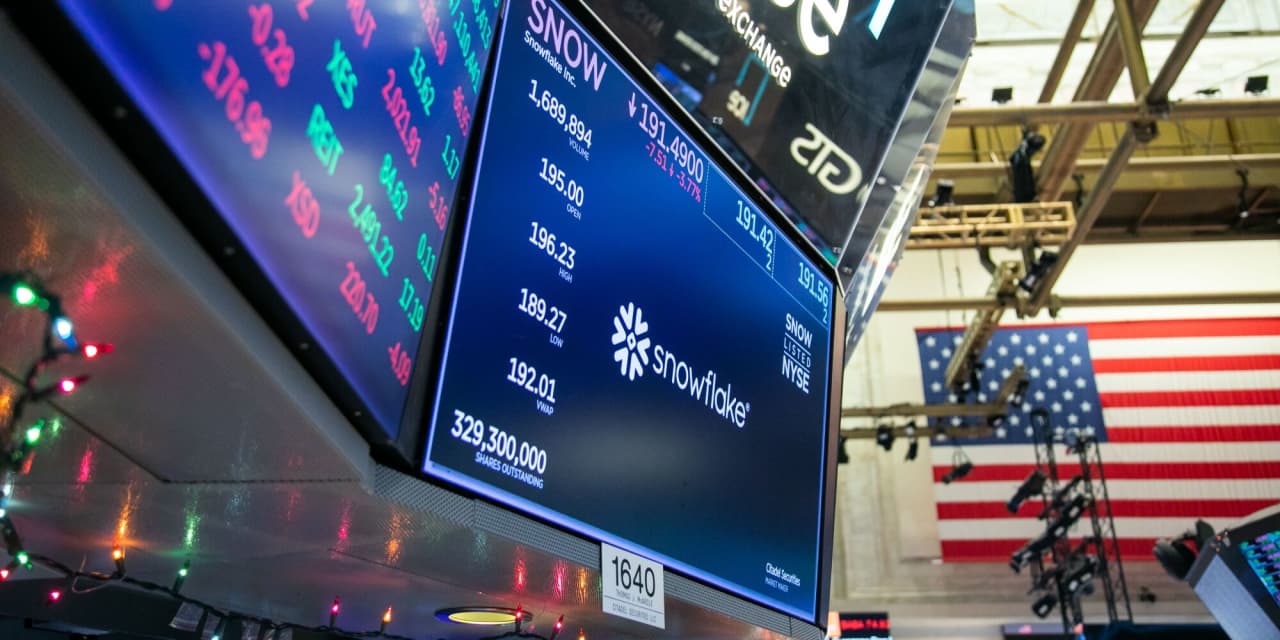
- Price Fluctuation Analysis: JTEK's 52-week low is $75.255 and high is $111.32, with the last trade at $105.20, indicating price volatility near the high point that may influence investor buying decisions.
- Technical Analysis Tool: Comparing the current stock price to the 200-day moving average can provide valuable insights for investors, aiding in market trend assessment and potential buying opportunities.
- ETF Trading Mechanism: Exchange-traded funds (ETFs) trade like stocks, where investors buy and sell 'units' that can be created or destroyed based on demand, impacting liquidity and market performance.
- Inflows and Outflows Monitoring: Weekly monitoring of changes in ETF shares outstanding focuses on those experiencing notable inflows (new units created) or outflows (old units destroyed), assessing their impact on underlying assets and market sentiment.
See More

GlobalFoundries Partners with Infosys for IT Transformation
- Shift in Collaboration Model: GlobalFoundries has entered a multi-year partnership with Infosys aimed at transitioning its IT operations from externally supported frameworks to a true managed services model driven by AI and automation, thereby enhancing operational efficiency and user experience.
- Commitment to Digital Transformation: GlobalFoundries' CIO Vishal Mehra stated that this collaboration marks a significant advancement in modernizing IT operations, focusing on improving reliability and value, which is crucial for their digital transformation journey.
- Driving Intelligent Operations: Infosys will leverage its AI capabilities to drive intelligent operations, assisting GlobalFoundries in shifting from reactive IT management to predictive and autonomous service delivery, which is expected to enhance overall service quality and responsiveness.
- Industry Impact: This partnership not only strengthens GlobalFoundries' competitive position in the semiconductor industry but also highlights Infosys' leadership in facilitating digital transformation across sectors, potentially triggering more similar collaborations.
See More
Infosys Partners with GlobalFoundries for AI-led Services
- Agreement Signed: Infosys has entered into a multi-year agreement with GlobalFoundries to enhance the chipmaker's IT operations through AI-led managed services, indicating Infosys's strong capabilities in the semiconductor sector despite undisclosed financial terms.
- IT Operations Management: Under the agreement, Infosys will manage GlobalFoundries' end-to-end application, infrastructure, data, and service desk operations, which is expected to transform IT management into a model driven by AI and automation, thereby improving operational efficiency and user experience.
- Cost Reduction Commitment: Infosys pledges to leverage its deep industry expertise and AI capabilities to help GlobalFoundries reduce incident occurrences and lower long-term total cost of ownership (TCO), which will enhance its competitive position in the market.
- Market Reaction: In pre-market trading on the NYSE, Infosys shares fell by 0.33% to $10.71, while GlobalFoundries shares dropped by 6.88% to $83.50 on the Nasdaq, reflecting a cautious market sentiment regarding the partnership.
See More
GlobalFoundries to Host Q2 2026 Earnings Call on August 5
- Earnings Call Announcement: GlobalFoundries will hold a conference call on August 5, 2026, at 8:30 a.m. ET to discuss its Q2 2026 financial results, aiming to provide investors and analysts with the latest insights into the company's financial health.
- Participation Details: Interested parties can register to join the call, ensuring they receive timely updates on the company's financial performance and future outlook, thereby enhancing investor engagement.
- Webcast Availability: The financial results and a webcast of the conference call will be accessible on GlobalFoundries' Investor Relations website, allowing global investors to obtain real-time information and improving transparency and communication efficiency.
- Company Overview: GlobalFoundries is a leading semiconductor manufacturer focused on delivering power-efficient solutions for high-growth markets such as automotive and aerospace, highlighting its significant role in the global semiconductor industry.
See More
Trump Signs Executive Orders to Propel Quantum Computing Initiatives
- Quantum Innovation Strategy: Trump's executive orders mandate the delivery of a scientifically relevant quantum computer to the Department of Energy by 2028 and establish the Quantum Computer for Application Development and Discovery Science initiative (QC-ADDS), which will enhance U.S. leadership in quantum technology, ensuring national security and economic benefits.
- Funding Support: The government announced $2 billion in CHIPS Act grants to nine quantum companies, with IBM receiving $1 billion to build the nation's first pure-play quantum chip foundry, Anderon, in New York, while committing over $10 billion in total quantum investment over the next five years, demonstrating its strong commitment to quantum computing.
- Infrastructure Transformation: The second executive order requires all critical federal infrastructure to migrate to post-quantum cryptography (PQC) standards by 2030 and 2031, creating a procurement mandate that will directly drive demand for PQC products, with the market projected to grow from $420 million in 2025 to $2.84 billion by 2030.
- Market Opportunities: Companies like Palo Alto Networks have launched quantum-safe products, becoming one of the few large-cap cybersecurity firms with commercial PQC offerings, and as government compliance deadlines approach, demand for their products is expected to surge, further solidifying their market position in cybersecurity.
See More
Quantum Computing Drives Infrastructure Investment
- Government Investment Surge: President Trump's signing of two executive orders places quantum computing at the forefront of U.S. economic and national security policy, mandating the delivery of a scientifically relevant quantum computer to the Department of Energy by 2028, thereby accelerating the development of quantum infrastructure.
- IBM's Major Commitment: IBM has secured $1 billion in CHIPS Act funding to establish the nation's first pure-play quantum chip foundry in Albany, New York, and has pledged over $10 billion in total quantum investment over the next five years, aiming for a fault-tolerant quantum computer by 2029, three years ahead of the government's target.
- GlobalFoundries' Strategic Role: GlobalFoundries has signed a $375 million CHIPS Act letter of intent to create a dedicated Quantum Technology Solutions division, positioning itself as a key supplier of chips for various quantum architectures, thus supporting a diverse range of competing technologies in the quantum computing space.
- Cybersecurity Market Expansion: Palo Alto Networks' launch of quantum-safe security products is projected to drive the PQC market from $420 million in 2025 to $2.84 billion by 2030, with a compound annual growth rate exceeding 46%, creating new compliance demands and budget allocations within the cybersecurity sector.
See More
JTEK Stock Price Analysis and ETF Dynamics
- Price Fluctuation Analysis: JTEK's 52-week low is $75.255 and high is $111.32, with the last trade at $105.20, indicating price volatility near the high point that may influence investor buying decisions.
- Technical Analysis Tool: Comparing the current stock price to the 200-day moving average can provide valuable insights for investors, aiding in market trend assessment and potential buying opportunities.
- ETF Trading Mechanism: Exchange-traded funds (ETFs) trade like stocks, where investors buy and sell 'units' that can be created or destroyed based on demand, impacting liquidity and market performance.
- Inflows and Outflows Monitoring: Weekly monitoring of changes in ETF shares outstanding focuses on those experiencing notable inflows (new units created) or outflows (old units destroyed), assessing their impact on underlying assets and market sentiment.
See More
GlobalFoundries Partners with Infosys for IT Transformation
- Shift in Collaboration Model: GlobalFoundries has entered a multi-year partnership with Infosys aimed at transitioning its IT operations from externally supported frameworks to a true managed services model driven by AI and automation, thereby enhancing operational efficiency and user experience.
- Commitment to Digital Transformation: GlobalFoundries' CIO Vishal Mehra stated that this collaboration marks a significant advancement in modernizing IT operations, focusing on improving reliability and value, which is crucial for their digital transformation journey.
- Driving Intelligent Operations: Infosys will leverage its AI capabilities to drive intelligent operations, assisting GlobalFoundries in shifting from reactive IT management to predictive and autonomous service delivery, which is expected to enhance overall service quality and responsiveness.
- Industry Impact: This partnership not only strengthens GlobalFoundries' competitive position in the semiconductor industry but also highlights Infosys' leadership in facilitating digital transformation across sectors, potentially triggering more similar collaborations.
See More
Infosys Partners with GlobalFoundries for AI-led Services
- Agreement Signed: Infosys has entered into a multi-year agreement with GlobalFoundries to enhance the chipmaker's IT operations through AI-led managed services, indicating Infosys's strong capabilities in the semiconductor sector despite undisclosed financial terms.
- IT Operations Management: Under the agreement, Infosys will manage GlobalFoundries' end-to-end application, infrastructure, data, and service desk operations, which is expected to transform IT management into a model driven by AI and automation, thereby improving operational efficiency and user experience.
- Cost Reduction Commitment: Infosys pledges to leverage its deep industry expertise and AI capabilities to help GlobalFoundries reduce incident occurrences and lower long-term total cost of ownership (TCO), which will enhance its competitive position in the market.
- Market Reaction: In pre-market trading on the NYSE, Infosys shares fell by 0.33% to $10.71, while GlobalFoundries shares dropped by 6.88% to $83.50 on the Nasdaq, reflecting a cautious market sentiment regarding the partnership.
See More