

Germany Accelerates Spending: 6 Stocks to Keep an Eye On.


Chancellor's Budget Action: German Chancellor Friedrich Merz has enacted a significant fiscal policy change by passing a budget for 2026 that includes substantial spending measures.
Market Reaction: Despite the introduction of this fiscal "bazooka," the financial markets did not show a strong reaction, indicating a lack of concern or surprise regarding the budget changes.
Trade with 70% Backtested Accuracy
Analyst Views on DAX
About the author


Shipping Giant Engages in Discussions to Acquire U.S.-Listed Competitor: Key Details on the Possible Merger.


Hapag-Lloyd Acquisition Talks: German shipping company Hapag-Lloyd is in advanced discussions to acquire ZIM Integrated Shipping Services, an Israeli cargo firm.
ZIM's Market Presence: ZIM Integrated Shipping Services is publicly traded on the New York Stock Exchange, indicating its significant presence in the shipping industry.
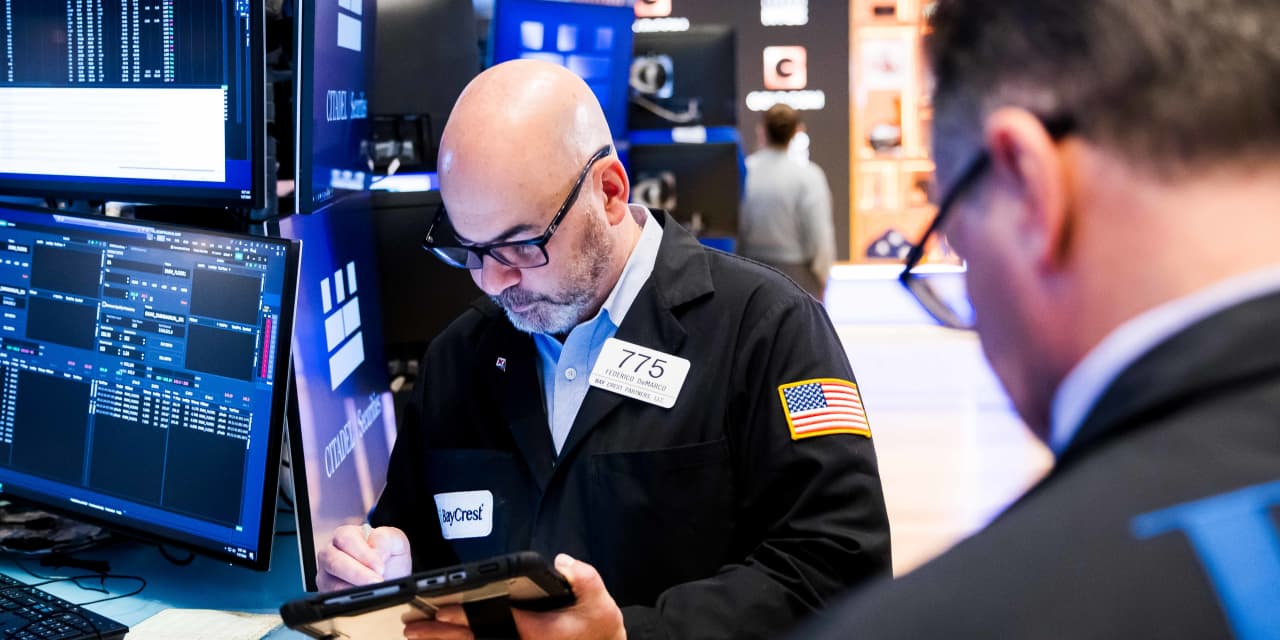
European Stocks Climb as AI Trading Surge Pauses for Presidents Day


- European Market Performance: European stocks experienced an upward trend on Monday.
- U.S. Market Stability: The U.S. market is stabilizing after a period of volatile trading.
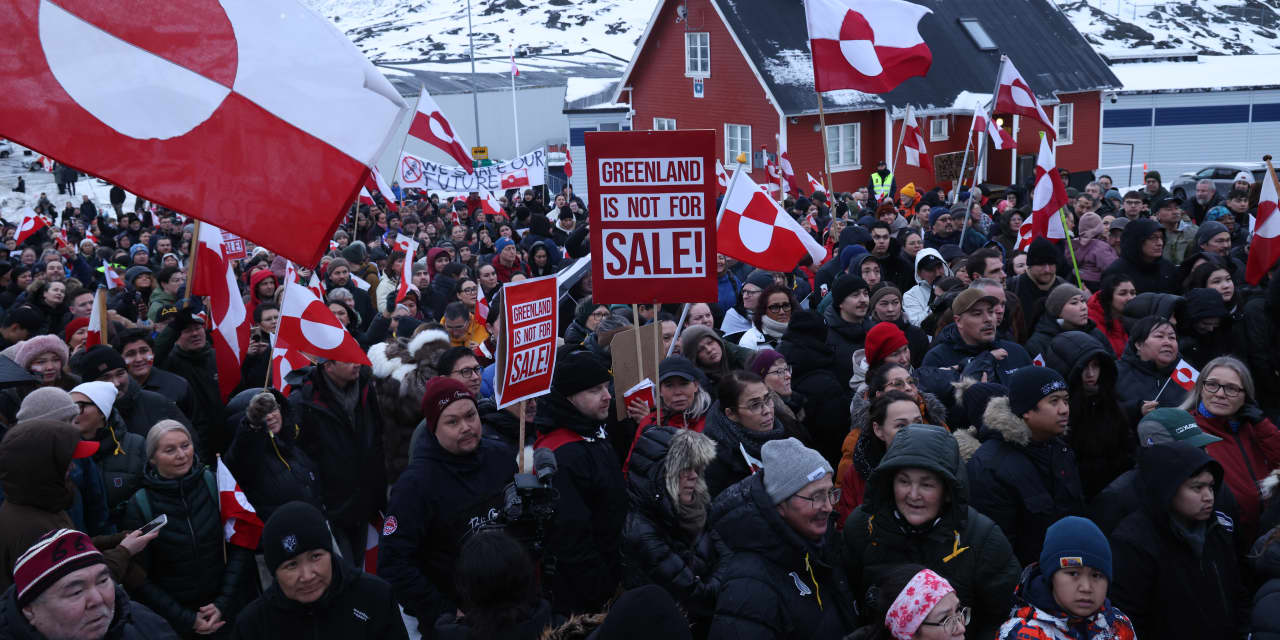
Market Update: Stocks and Dollar Decline Following Trump's Greenland Tariff Warnings.

- Market Reaction: European stocks experienced a decline amid rising tensions due to President Trump's tariff threats against eight NATO nations.
- Commodity Surge: Gold and silver prices surged to new highs as investors reacted to the geopolitical uncertainty surrounding the U.S. administration's actions.
- U.S. Foreign Policy: The White House is actively pursuing the acquisition of Greenland, which has contributed to the current market volatility.
- Investor Sentiment: The combination of tariff threats and foreign policy maneuvers has led to increased caution among investors, impacting stock markets and driving them towards safer assets like gold and silver.
Germany's Surge in Bankruptcies Creates Turbulence for Two Major Equity ETFs

Corporate Insolvency Surge: Germany is projected to experience its highest corporate insolvency rate in over a decade, with an estimated 23,900 companies expected to go bankrupt in 2025, primarily affecting small and micro-enterprises.
Impact on ETFs: The rising insolvency rates pose risks for investors in the iShares MSCI Germany ETF and Global X DAX Germany ETF, as the financial strain on small businesses can lead to supply-chain disruptions and affect the performance of larger companies.
Consumer Financial Strain: Private bankruptcies are also anticipated to rise by 6.5% in 2025, driven by over-indebted households and increasing unemployment, further complicating the economic landscape for ETFs with exposure to consumer sectors.
Challenging Economic Outlook: Creditreform warns of a deteriorating competitive position for Germany due to high costs and bureaucratic challenges, suggesting a tough economic environment for both corporate and consumer sectors leading into 2026.
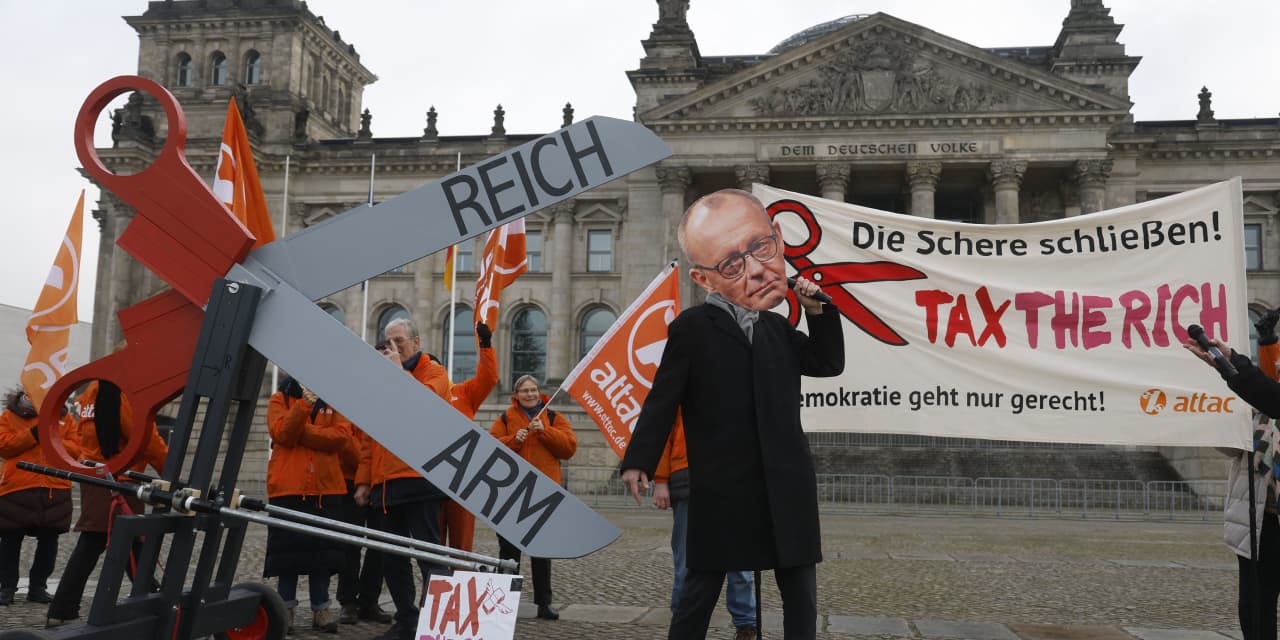
Germany Accelerates Spending: 6 Stocks to Keep an Eye On.

Chancellor's Budget Action: German Chancellor Friedrich Merz has enacted a significant fiscal policy change by passing a budget for 2026 that includes substantial spending measures.
Market Reaction: Despite the introduction of this fiscal "bazooka," the financial markets did not show a strong reaction, indicating a lack of concern or surprise regarding the budget changes.
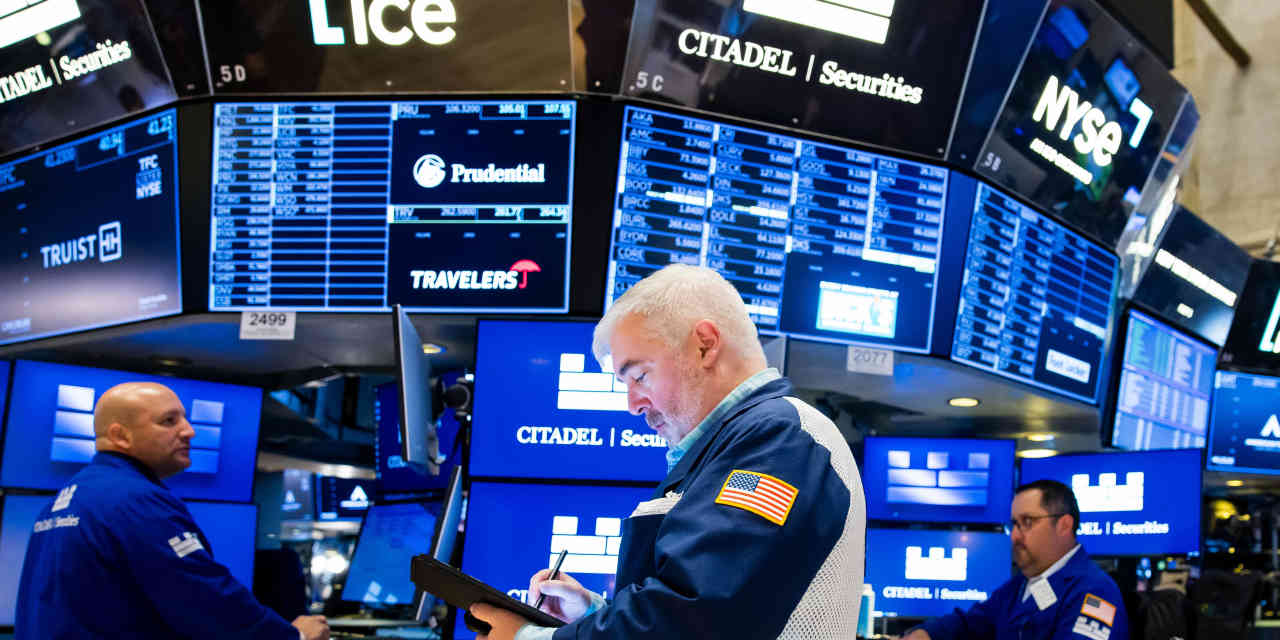
Global Stocks Pause as Dow Seeks Strongest Thanksgiving Week Performance Since 2012

- Thanksgiving Activities: Most U.S. investors will focus on Thanksgiving celebrations, including carving turkey and watching NFL games.
- Market Closure: Stock and bond markets will be closed on Thanksgiving Day, allowing investors to take a break from monitoring their portfolios.
Shipping Giant Engages in Discussions to Acquire U.S.-Listed Competitor: Key Details on the Possible Merger.
Hapag-Lloyd Acquisition Talks: German shipping company Hapag-Lloyd is in advanced discussions to acquire ZIM Integrated Shipping Services, an Israeli cargo firm.
ZIM's Market Presence: ZIM Integrated Shipping Services is publicly traded on the New York Stock Exchange, indicating its significant presence in the shipping industry.
European Stocks Climb as AI Trading Surge Pauses for Presidents Day
- European Market Performance: European stocks experienced an upward trend on Monday.
- U.S. Market Stability: The U.S. market is stabilizing after a period of volatile trading.
Market Update: Stocks and Dollar Decline Following Trump's Greenland Tariff Warnings.
- Market Reaction: European stocks experienced a decline amid rising tensions due to President Trump's tariff threats against eight NATO nations.
- Commodity Surge: Gold and silver prices surged to new highs as investors reacted to the geopolitical uncertainty surrounding the U.S. administration's actions.
- U.S. Foreign Policy: The White House is actively pursuing the acquisition of Greenland, which has contributed to the current market volatility.
- Investor Sentiment: The combination of tariff threats and foreign policy maneuvers has led to increased caution among investors, impacting stock markets and driving them towards safer assets like gold and silver.
Germany's Surge in Bankruptcies Creates Turbulence for Two Major Equity ETFs
Corporate Insolvency Surge: Germany is projected to experience its highest corporate insolvency rate in over a decade, with an estimated 23,900 companies expected to go bankrupt in 2025, primarily affecting small and micro-enterprises.
Impact on ETFs: The rising insolvency rates pose risks for investors in the iShares MSCI Germany ETF and Global X DAX Germany ETF, as the financial strain on small businesses can lead to supply-chain disruptions and affect the performance of larger companies.
Consumer Financial Strain: Private bankruptcies are also anticipated to rise by 6.5% in 2025, driven by over-indebted households and increasing unemployment, further complicating the economic landscape for ETFs with exposure to consumer sectors.
Challenging Economic Outlook: Creditreform warns of a deteriorating competitive position for Germany due to high costs and bureaucratic challenges, suggesting a tough economic environment for both corporate and consumer sectors leading into 2026.
Germany Accelerates Spending: 6 Stocks to Keep an Eye On.
Chancellor's Budget Action: German Chancellor Friedrich Merz has enacted a significant fiscal policy change by passing a budget for 2026 that includes substantial spending measures.
Market Reaction: Despite the introduction of this fiscal "bazooka," the financial markets did not show a strong reaction, indicating a lack of concern or surprise regarding the budget changes.
Global Stocks Pause as Dow Seeks Strongest Thanksgiving Week Performance Since 2012
- Thanksgiving Activities: Most U.S. investors will focus on Thanksgiving celebrations, including carving turkey and watching NFL games.
- Market Closure: Stock and bond markets will be closed on Thanksgiving Day, allowing investors to take a break from monitoring their portfolios.





