General Motors' Transformation and Challenges in the Chinese Market
Written by Emily J. Thompson, Senior Investment Analyst
Updated: Feb 14 2026
0mins
Source: Fool
- Market Share Growth: General Motors has achieved growth in both retail sales and market share in China, with nearly 1 million new-energy vehicle (NEV) sales accounting for over half of its total sales, indicating a gradual recovery in a highly competitive market.
- EV Strategy Adjustment: Despite incurring a $1.1 billion restructuring charge, GM plans to lower production costs by focusing on high-end models and NEVs, particularly through its Buick and Cadillac brands, enhancing its competitive position.
- Future Product Planning: In 2026, all new GM products in China will include NEV options, with increased local production, which is crucial for maintaining price competitiveness and demonstrates the company's long-term commitment to the EV sector.
- Changing Market Environment: Although the Chinese market is unlikely to become a second profit pillar for Detroit automakers, its vast size and advanced NEV technology make it essential for GM to compete, preparing the company for challenges from Chinese automakers in the future.
Trade with 70% Backtested Accuracy
Stop guessing "Should I Buy GM?" and start using high-conviction signals backed by rigorous historical data.
Sign up today to access powerful investing tools and make smarter, data-driven decisions.
Analyst Views on GM
Wall Street analysts forecast GM stock price to rise
19 Analyst Rating
14 Buy
4 Hold
1 Sell
Moderate Buy
Current: 78.520

Low
57.00
Averages
95.06
High
122.00
Current: 78.520
Low
57.00
Averages
95.06
High
122.00
About GM
General Motors Company designs, builds and sells trucks, crossovers, cars and automobile parts and provides software-enabled services and subscriptions worldwide. The Company's segments include GMNA, GMI and GM Financial. Its GM North America (GMNA) and GM International (GMI) segment develop, manufacture and/or markets vehicles under the Buick, Cadillac, Chevrolet and GMC brands. The Company's GM Financial segment provides automotive financing and related services. The Company is also focused on investing in electric vehicles (EVs) and autonomous vehicles (Avs), software-enabled services and subscriptions and new business opportunities. The Company's portfolio includes OnStar, GM Energy, GM Insurance, GM Genuine Parts, and the GM Company Store. Its OnStar portfolio offers safety, connectivity and hands-free driver assistance technologies. Its GM Energy provides Home EV Charging, Public EV Charging, Vehicle-To-Home and Energy Storage services.
About the author

Emily J. Thompson
Emily J. Thompson, a Chartered Financial Analyst (CFA) with 12 years in investment research, graduated with honors from the Wharton School. Specializing in industrial and technology stocks, she provides in-depth analysis for Intellectia’s earnings and market brief reports.

Tim Cook Steps Down as Apple CEO, New Leadership Ahead


- Leadership Transition: Apple announced that Tim Cook will step down as CEO in September, transitioning to executive chairman, with hardware engineering head John Ternus taking over, marking a significant shift in leadership that may influence future product innovation directions.
- Performance Review: Since Cook took over in 2011, Apple's profits have surged by 700%, with total stock returns reaching 3100%, demonstrating success in operational management and product line expansion, thereby boosting investor confidence.
- Service Business Growth: Under Cook, Apple's service revenue increased from 5% to 25%, with over 1 billion subscription users, showcasing the company's strategic success in diversifying revenue sources, which may continue to drive future growth.
- AI Challenges and Opportunities: New CEO Ternus faces the challenge of lagging AI innovation; while Apple has invested in on-device AI, market skepticism remains about its ability to launch revolutionary products, impacting investor expectations for future growth.
See More

Apple CEO Tim Cook to Step Down, John Ternus to Succeed
- Leadership Transition: Apple announced that CEO Tim Cook will step down in September, transitioning to executive chairman, with hardware engineering head John Ternus taking over as CEO, marking a significant shift in leadership that could impact future product innovation directions.
- Cook's Legacy: Since Tim Cook took over in 2011, Apple's total return has reached 3,100%, compared to just 731% for the S&P 500, showcasing Cook's exceptional performance in enhancing company value while setting high expectations for the new CEO.
- Service Revenue Growth: Under Cook's leadership, Apple's service revenue has surged from 5% to over 25%, with more than 1 billion paid subscriptions, indicating significant success in diversifying revenue streams, which will continue to drive profitability in the future.
- AI Innovation Challenge: Despite Cook's successes in various areas, his lag in AI innovation is seen as a major challenge for the new leadership, and Ternus's appointment may accelerate Apple's development in this critical field.
See More

Surge in Options Volume for MSG Entertainment and Constellation Energy


- MSGE Options Activity: Today, Madison Square Garden Entertainment Corp (MSGE) options volume reached 1,952 contracts, representing approximately 195,200 shares, which constitutes 67.8% of its average daily trading volume, indicating heightened market interest in the company's future performance.
- High Volume Put Options: Within MSGE, the $55 strike put option has seen particularly high activity with 1,946 contracts traded today, equating to about 194,600 shares, reflecting investor expectations of potential price declines.
- CEG Options Activity: Concurrently, Constellation Energy Corp (CEG) options volume hit 19,634 contracts, representing approximately 2.0 million shares, which is 67.5% of its average daily trading volume, showcasing strong market interest in the stock.
- High Volume Call Options: For CEG, the $300 strike call option has recorded 835 contracts traded today, amounting to around 83,500 shares, indicating investor confidence in the stock's future upward movement.
See More

U.S. Stocks Near All-Time Highs as Investors Eye Tech Giants' Earnings


- Strong Market Performance: The S&P 500 and Nasdaq Composite indices reached new all-time highs in April, rising over 8% and 13% respectively, indicating robust market resilience despite ongoing geopolitical tensions and AI disruption concerns, reflecting investor confidence in tech stocks.
- Earnings Pressure on Tech Giants: Next week, five of the 'Magnificent Seven' companies will report earnings, with market expectations for them to demonstrate sufficient revenue growth to justify their high AI expenditures; Alphabet, Amazon, Meta, and Microsoft have all seen stock price increases of over 10% this month, highlighting the market's keen interest in their performance.
- Federal Reserve Meeting Impact: This is expected to be Jerome Powell's last meeting as chair, with the market widely anticipating that the Fed will keep interest rates unchanged, although rising oil prices could complicate future monetary policy, necessitating close attention to how this dynamic may affect the market.
- Cautious Investor Sentiment: As the traditional market adage 'Sell in May' approaches, investors remain wary of potential downside risks, particularly in light of poor software stock performance and rising oil prices, which could further dampen market sentiment.
See More

Foreign Automakers Catch Up with Local Rivals in China


- New Model Launch: General Motors unveiled its first luxury electric SUV VISTIQ with driver-assist technology ahead of the Beijing Auto Show, priced at 468,000 yuan ($68,000), enhancing its competitive edge in the Chinese market through collaboration with local startup Momenta.
- Market Strategy Shift: Hyundai officially launched its all-electric IONIQ brand in China, aiming to reimagine its strategy as its sales share in China fell from 17% to 4%, with potential plans to export the brand to the Asia-Pacific region if successful.
- Technological Collaboration: Volkswagen announced the rollout of AI-powered voice command features in its cars starting in the second half of the year, leveraging technology from Tencent, Alibaba, and Baidu to enhance user experience and strengthen brand appeal in China.
- Sales Target Setting: Beijing Hyundai plans to introduce 20 new models over the next five years with an annual sales target of 500,000 vehicles, demonstrating the commitment of foreign automakers to long-term growth in the Chinese market.
See More
Alibaba's AI Model to Enter Electric Vehicle Market
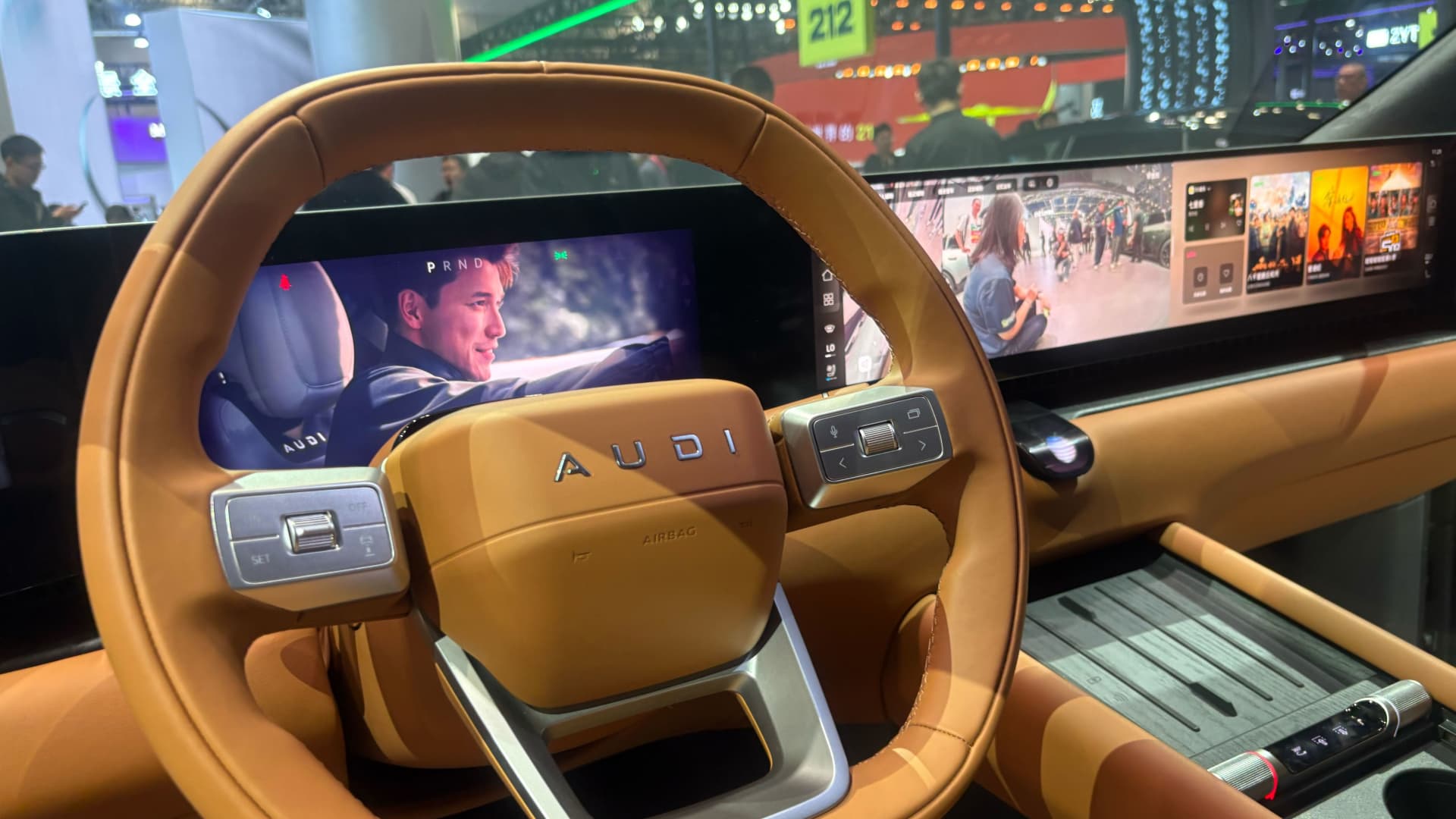
- AI Integration Progress: Alibaba announced that its Qwen AI model will be integrated into vehicles from automakers including BYD and a local joint venture of Volkswagen, aiming to enhance digital services in electric vehicles and strengthen market competitiveness.
- Diverse Functionality: The model will enable drivers to use voice commands for food delivery, hotel bookings, attraction ticket purchases, and package tracking, combining on-device processing with cloud computing to enhance user experience.
- Technical Collaboration: Qwen will operate on Nvidia's automotive chip system, ensuring functionality even with limited network connectivity, showcasing Alibaba's technological prowess in the smart vehicle sector.
- Market Competition Strategy: As the electric vehicle market slows, automakers are attracting consumers by integrating advanced in-car software and services, and Alibaba's technology integration will help its partners stand out in the competitive landscape.
See More
Tim Cook Steps Down as Apple CEO, New Leadership Ahead
- Leadership Transition: Apple announced that Tim Cook will step down as CEO in September, transitioning to executive chairman, with hardware engineering head John Ternus taking over, marking a significant shift in leadership that may influence future product innovation directions.
- Performance Review: Since Cook took over in 2011, Apple's profits have surged by 700%, with total stock returns reaching 3100%, demonstrating success in operational management and product line expansion, thereby boosting investor confidence.
- Service Business Growth: Under Cook, Apple's service revenue increased from 5% to 25%, with over 1 billion subscription users, showcasing the company's strategic success in diversifying revenue sources, which may continue to drive future growth.
- AI Challenges and Opportunities: New CEO Ternus faces the challenge of lagging AI innovation; while Apple has invested in on-device AI, market skepticism remains about its ability to launch revolutionary products, impacting investor expectations for future growth.
See More
Apple CEO Tim Cook to Step Down, John Ternus to Succeed
- Leadership Transition: Apple announced that CEO Tim Cook will step down in September, transitioning to executive chairman, with hardware engineering head John Ternus taking over as CEO, marking a significant shift in leadership that could impact future product innovation directions.
- Cook's Legacy: Since Tim Cook took over in 2011, Apple's total return has reached 3,100%, compared to just 731% for the S&P 500, showcasing Cook's exceptional performance in enhancing company value while setting high expectations for the new CEO.
- Service Revenue Growth: Under Cook's leadership, Apple's service revenue has surged from 5% to over 25%, with more than 1 billion paid subscriptions, indicating significant success in diversifying revenue streams, which will continue to drive profitability in the future.
- AI Innovation Challenge: Despite Cook's successes in various areas, his lag in AI innovation is seen as a major challenge for the new leadership, and Ternus's appointment may accelerate Apple's development in this critical field.
See More
Surge in Options Volume for MSG Entertainment and Constellation Energy
- MSGE Options Activity: Today, Madison Square Garden Entertainment Corp (MSGE) options volume reached 1,952 contracts, representing approximately 195,200 shares, which constitutes 67.8% of its average daily trading volume, indicating heightened market interest in the company's future performance.
- High Volume Put Options: Within MSGE, the $55 strike put option has seen particularly high activity with 1,946 contracts traded today, equating to about 194,600 shares, reflecting investor expectations of potential price declines.
- CEG Options Activity: Concurrently, Constellation Energy Corp (CEG) options volume hit 19,634 contracts, representing approximately 2.0 million shares, which is 67.5% of its average daily trading volume, showcasing strong market interest in the stock.
- High Volume Call Options: For CEG, the $300 strike call option has recorded 835 contracts traded today, amounting to around 83,500 shares, indicating investor confidence in the stock's future upward movement.
See More
U.S. Stocks Near All-Time Highs as Investors Eye Tech Giants' Earnings
- Strong Market Performance: The S&P 500 and Nasdaq Composite indices reached new all-time highs in April, rising over 8% and 13% respectively, indicating robust market resilience despite ongoing geopolitical tensions and AI disruption concerns, reflecting investor confidence in tech stocks.
- Earnings Pressure on Tech Giants: Next week, five of the 'Magnificent Seven' companies will report earnings, with market expectations for them to demonstrate sufficient revenue growth to justify their high AI expenditures; Alphabet, Amazon, Meta, and Microsoft have all seen stock price increases of over 10% this month, highlighting the market's keen interest in their performance.
- Federal Reserve Meeting Impact: This is expected to be Jerome Powell's last meeting as chair, with the market widely anticipating that the Fed will keep interest rates unchanged, although rising oil prices could complicate future monetary policy, necessitating close attention to how this dynamic may affect the market.
- Cautious Investor Sentiment: As the traditional market adage 'Sell in May' approaches, investors remain wary of potential downside risks, particularly in light of poor software stock performance and rising oil prices, which could further dampen market sentiment.
See More
Foreign Automakers Catch Up with Local Rivals in China
- New Model Launch: General Motors unveiled its first luxury electric SUV VISTIQ with driver-assist technology ahead of the Beijing Auto Show, priced at 468,000 yuan ($68,000), enhancing its competitive edge in the Chinese market through collaboration with local startup Momenta.
- Market Strategy Shift: Hyundai officially launched its all-electric IONIQ brand in China, aiming to reimagine its strategy as its sales share in China fell from 17% to 4%, with potential plans to export the brand to the Asia-Pacific region if successful.
- Technological Collaboration: Volkswagen announced the rollout of AI-powered voice command features in its cars starting in the second half of the year, leveraging technology from Tencent, Alibaba, and Baidu to enhance user experience and strengthen brand appeal in China.
- Sales Target Setting: Beijing Hyundai plans to introduce 20 new models over the next five years with an annual sales target of 500,000 vehicles, demonstrating the commitment of foreign automakers to long-term growth in the Chinese market.
See More
Alibaba's AI Model to Enter Electric Vehicle Market
- AI Integration Progress: Alibaba announced that its Qwen AI model will be integrated into vehicles from automakers including BYD and a local joint venture of Volkswagen, aiming to enhance digital services in electric vehicles and strengthen market competitiveness.
- Diverse Functionality: The model will enable drivers to use voice commands for food delivery, hotel bookings, attraction ticket purchases, and package tracking, combining on-device processing with cloud computing to enhance user experience.
- Technical Collaboration: Qwen will operate on Nvidia's automotive chip system, ensuring functionality even with limited network connectivity, showcasing Alibaba's technological prowess in the smart vehicle sector.
- Market Competition Strategy: As the electric vehicle market slows, automakers are attracting consumers by integrating advanced in-car software and services, and Alibaba's technology integration will help its partners stand out in the competitive landscape.
See More