General Motors Expands into Energy Storage Market
Written by Emily J. Thompson, Senior Investment Analyst
Updated: 1 hour ago
0mins
Source: seekingalpha
- Market Expansion Strategy: General Motors has unveiled a series of initiatives through its GM Energy division aimed at supplying energy storage systems to utilities, commercial customers, and data center operators, demonstrating its ambition in the rapidly growing energy storage market.
- Collaborative Technology Development: GM has partnered with Peak Energy to develop next-generation sodium-ion battery cells specifically for grid-scale energy storage, with expectations to begin supplying customers after 2028, which lowers deployment costs and enhances market competitiveness.
- Battery Recycling and Repurposing: GM's collaboration with Redwood Materials focuses on battery recycling and second-life applications, allowing the company to deploy both new and repurposed batteries in energy storage projects, thereby improving resource efficiency.
- EV Charging Simplification: GM introduced an
Trade with 70% Backtested Accuracy
Stop guessing "Should I Buy GM?" and start using high-conviction signals backed by rigorous historical data.
Sign up today to access powerful investing tools and make smarter, data-driven decisions.
Analyst Views on GM
Wall Street analysts forecast GM stock price to rise
19 Analyst Rating
14 Buy
4 Hold
1 Sell
Moderate Buy
Current: 83.770

Low
57.00
Averages
95.06
High
122.00
Current: 83.770
Low
57.00
Averages
95.06
High
122.00
About GM
General Motors Company designs, builds and sells trucks, crossovers, cars and automobile parts and provides software-enabled services and subscriptions worldwide. The Company's segments include GMNA, GMI and GM Financial. Its GM North America (GMNA) and GM International (GMI) segment develop, manufacture and/or markets vehicles under the Buick, Cadillac, Chevrolet and GMC brands. The Company's GM Financial segment provides automotive financing and related services. The Company is also focused on investing in electric vehicles (EVs) and autonomous vehicles (Avs), software-enabled services and subscriptions and new business opportunities. The Company's portfolio includes OnStar, GM Energy, GM Insurance, GM Genuine Parts, and the GM Company Store. Its OnStar portfolio offers safety, connectivity and hands-free driver assistance technologies. Its GM Energy provides Home EV Charging, Public EV Charging, Vehicle-To-Home and Energy Storage services.
About the author

Emily J. Thompson
Emily J. Thompson, a Chartered Financial Analyst (CFA) with 12 years in investment research, graduated with honors from the Wharton School. Specializing in industrial and technology stocks, she provides in-depth analysis for Intellectia’s earnings and market brief reports.
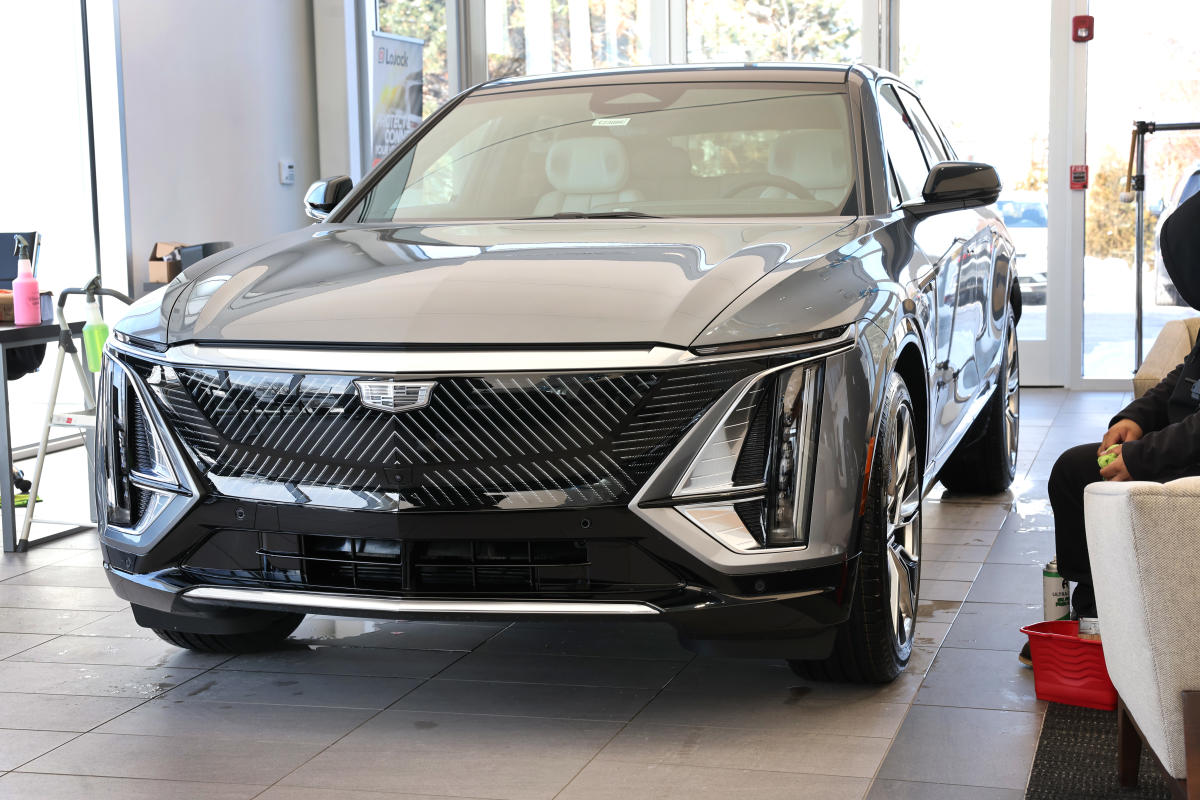
General Motors Expands into Energy Storage Market

- Market Expansion Strategy: General Motors has unveiled a series of initiatives through its GM Energy division aimed at supplying energy storage systems to utilities, commercial customers, and data center operators, demonstrating its ambition in the rapidly growing energy storage market.
- Collaborative Technology Development: GM has partnered with Peak Energy to develop next-generation sodium-ion battery cells specifically for grid-scale energy storage, with expectations to begin supplying customers after 2028, which lowers deployment costs and enhances market competitiveness.
- Battery Recycling and Repurposing: GM's collaboration with Redwood Materials focuses on battery recycling and second-life applications, allowing the company to deploy both new and repurposed batteries in energy storage projects, thereby improving resource efficiency.
- EV Charging Simplification: GM introduced an
See More
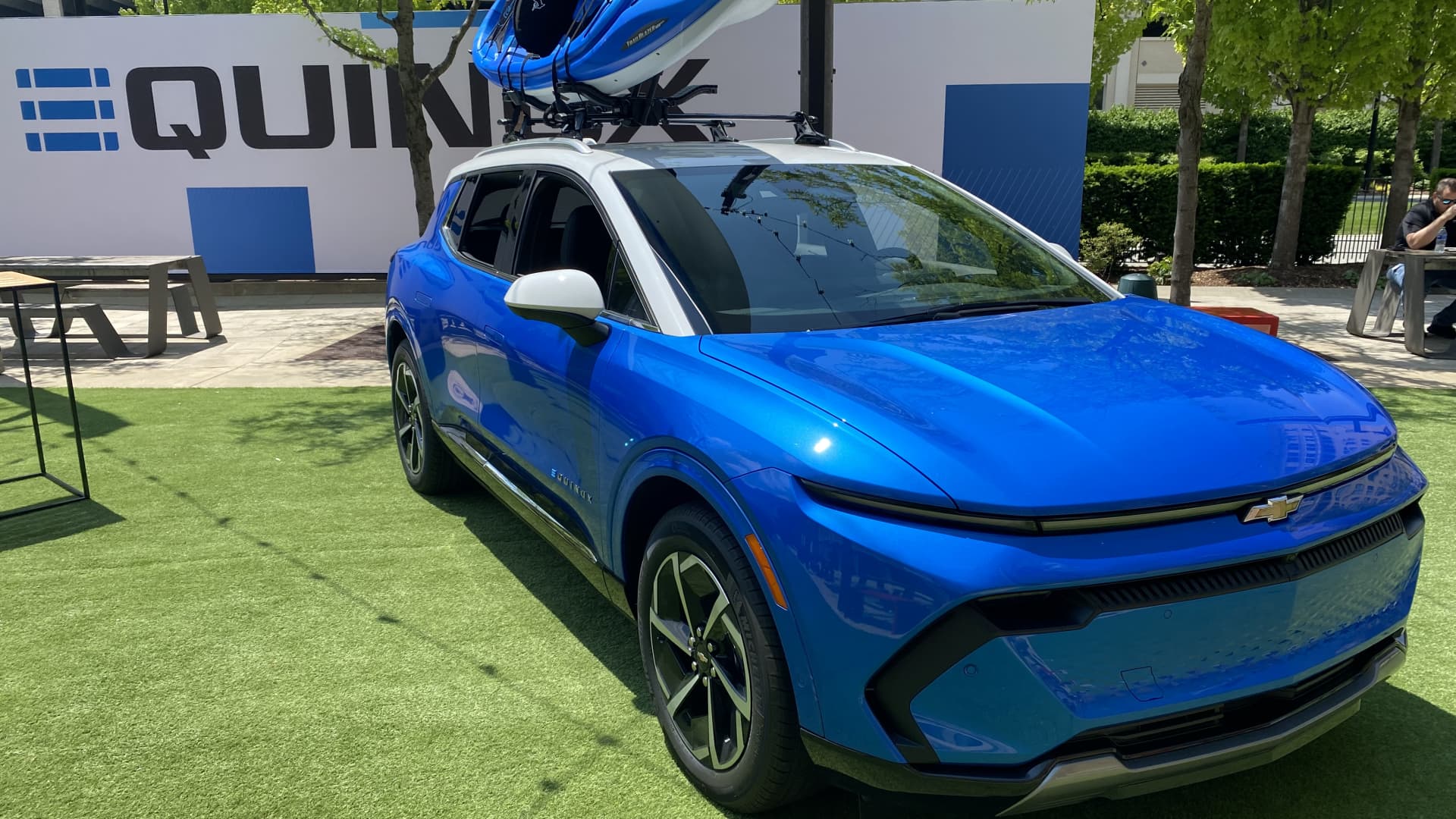
General Motors Unveils Bidirectional EVs for Home Power Supply
- Bidirectional EV Innovation: General Motors' bidirectional-capable EVs, when paired with home energy systems, can sustain a household for days during localized grid failures, significantly enhancing energy security and emergency preparedness.
- Grid Support Capability: These EVs and energy systems are engineered to support vehicle-to-grid power flow, with GM integrating bidirectional capability as a foundational standard across its entire portfolio, thereby strengthening its competitive position in the EV market.
- Large-Scale Storage System Development: GM is developing batteries for large-scale energy storage systems for utilities and major power users, leveraging connected EVs to feed power back into local residential grids, contributing to grid stability.
- Future EV Deployment Plans: By 2030, GM projects to operate a fleet of 130,000 EVs in Northern California, with over 52,000 systematically participating in grid-balancing protocols, showcasing the company's forward-looking approach to grid solutions.
See More
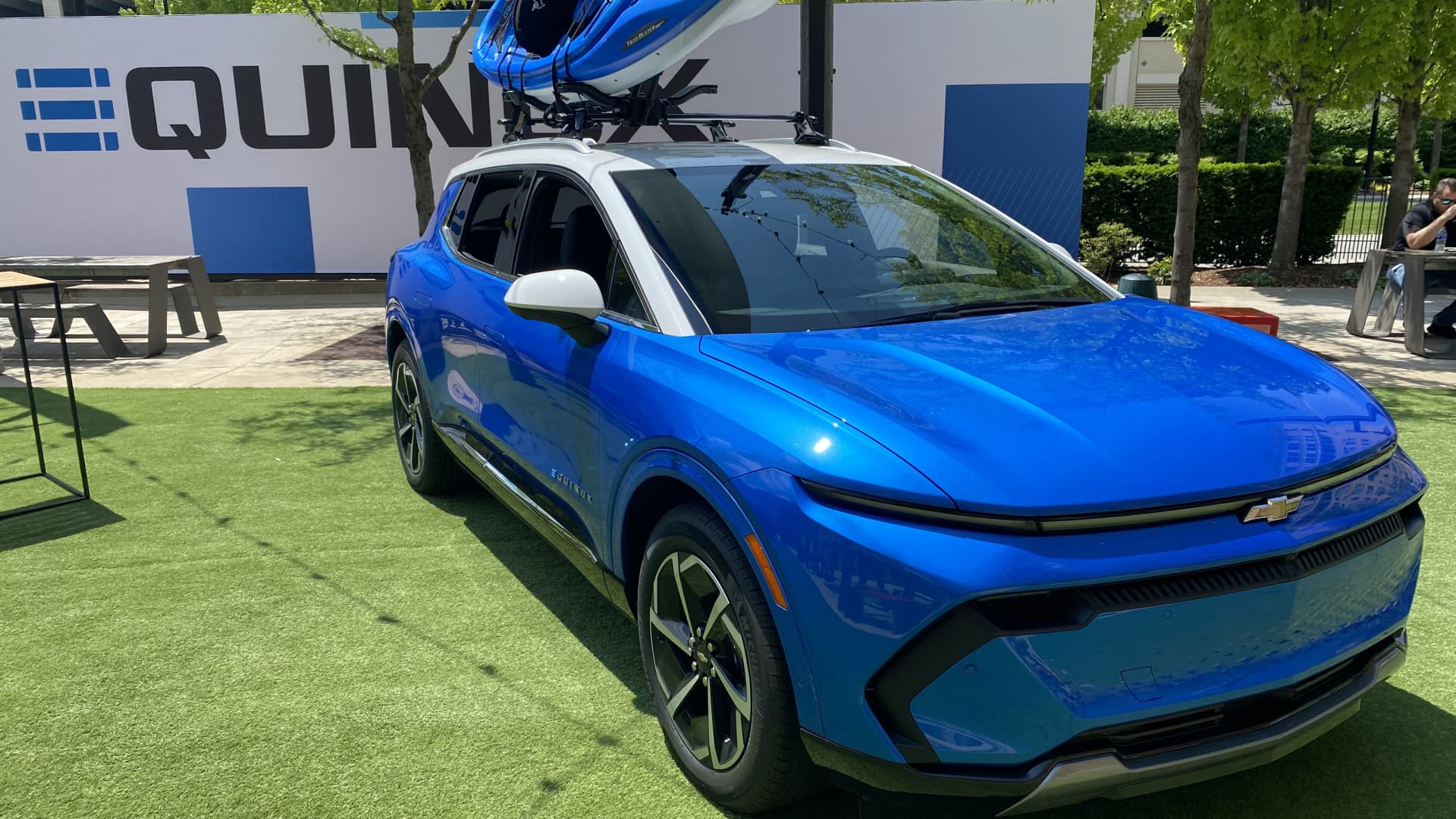
General Motors Expands Energy Infrastructure Strategy Beyond EVs
- EV and Grid Integration: GM plans to standardize bidirectional charging across its EV lineup, projecting that by 2030, 130,000 EVs in Northern California will participate in grid-balancing programs, thereby reducing energy costs for consumers and enhancing grid stability.
- Sodium-Ion Battery Development: GM is partnering with Peak Energy to develop sodium-ion battery systems specifically for stationary applications, prioritizing long cycle life and lower costs to meet the increasing electricity demand, particularly from AI data centers.
- Battery Recycling Collaboration: GM is expanding its partnership with Redwood Materials to deploy repurposed battery packs at a Michigan facility, providing 1.5 megawatts of power and 7.2 megawatt-hours of storage, with an estimated savings of over $3 million in electricity costs over the system's lifetime.
- Software Platform Integration: GM is developing a unified platform within its mobile applications to manage vehicle charging, home energy systems, and future grid interactions, enhancing user experience and promoting the use of EVs as distributed energy resources.
See More

GM Partners with Peak Energy to Develop Sodium-Ion Batteries

- Strategic Partnership: General Motors (GM) has announced a strategic partnership with startup Peak Energy to develop and manufacture next-generation sodium-ion battery cells for grid-scale energy storage, marking a significant expansion of GM's battery technology applications beyond electric vehicles.
- Technological Innovation: The collaboration will leverage GM's Michigan battery labs to develop sodium-ion cells, which Peak Energy will integrate into its proprietary passively cooled storage systems, promising a 20% cost reduction and over 99% uptime, enhancing the reliability of energy storage solutions.
- Market Outlook: This initiative not only signifies GM's repurposing of battery technology but also indicates a diversified investment in the energy storage market, particularly in the area of EV battery recycling, thereby strengthening its competitive position in the industry.
- Investor Sentiment: On Stocktwits, retail sentiment around GM shifted from 'neutral' to 'bullish', reflecting investor optimism regarding GM's entry into the energy storage sector, with GM's stock gaining over 3% this year.
See More
GM Launches Software Update for EV Grid Powering
- Software Update Release: General Motors has launched a new software update that enables U.S. electric vehicle owners to feed power back to the grid, further expanding its business opportunities in the energy sector and highlighting automakers' interest in the energy market.
- Enhanced Home Power Capability: This update not only allows EVs to power homes during blackouts but also adds the capability to supply electricity to the grid, potentially providing additional economic benefits to owners, although concerns about energy usage remain.
- Market Acceptance Uncertain: While the new feature offers added convenience, it remains unclear whether drivers will be willing to feed power back to the grid, as they may prefer to keep their vehicles charged for emergencies, which could affect the adoption of this feature.
- Energy Market Strategy: GM's initiative reflects its strategic positioning in the electric vehicle market, aiming to enhance user experience through innovative technology while exploring new revenue streams to adapt to future changes in the energy market.
See More
General Motors Accelerates Battery Technology Innovation

- Battery Technology Upgrade: General Motors plans to develop next-generation sodium-ion batteries in collaboration with Peak Energy, expected to launch by 2028, aiming to reduce costs and enhance reliability in energy storage systems, thereby gaining market advantage amid rising energy demand.
- Enhanced Grid Interaction: GM will improve its electric vehicles' capabilities to interact with the grid, allowing users to send energy back during peak hours, which is expected to help reduce energy costs and optimize grid usage, thereby strengthening the company's competitive position in the EV market.
- Cost Control Strategy: The development of sodium-ion batteries will reduce system complexity and cooling requirements, leading to lower upfront and operating costs; GM's battery VP stated that this technology will drive higher energy density, potentially outperforming existing lithium iron phosphate batteries in the future.
- Market Demand Response: With U.S. residential electricity prices rising nearly 48% since January 2020, GM's
See More
General Motors Expands into Energy Storage Market
- Market Expansion Strategy: General Motors has unveiled a series of initiatives through its GM Energy division aimed at supplying energy storage systems to utilities, commercial customers, and data center operators, demonstrating its ambition in the rapidly growing energy storage market.
- Collaborative Technology Development: GM has partnered with Peak Energy to develop next-generation sodium-ion battery cells specifically for grid-scale energy storage, with expectations to begin supplying customers after 2028, which lowers deployment costs and enhances market competitiveness.
- Battery Recycling and Repurposing: GM's collaboration with Redwood Materials focuses on battery recycling and second-life applications, allowing the company to deploy both new and repurposed batteries in energy storage projects, thereby improving resource efficiency.
- EV Charging Simplification: GM introduced an
See More
General Motors Unveils Bidirectional EVs for Home Power Supply
- Bidirectional EV Innovation: General Motors' bidirectional-capable EVs, when paired with home energy systems, can sustain a household for days during localized grid failures, significantly enhancing energy security and emergency preparedness.
- Grid Support Capability: These EVs and energy systems are engineered to support vehicle-to-grid power flow, with GM integrating bidirectional capability as a foundational standard across its entire portfolio, thereby strengthening its competitive position in the EV market.
- Large-Scale Storage System Development: GM is developing batteries for large-scale energy storage systems for utilities and major power users, leveraging connected EVs to feed power back into local residential grids, contributing to grid stability.
- Future EV Deployment Plans: By 2030, GM projects to operate a fleet of 130,000 EVs in Northern California, with over 52,000 systematically participating in grid-balancing protocols, showcasing the company's forward-looking approach to grid solutions.
See More
General Motors Expands Energy Infrastructure Strategy Beyond EVs
- EV and Grid Integration: GM plans to standardize bidirectional charging across its EV lineup, projecting that by 2030, 130,000 EVs in Northern California will participate in grid-balancing programs, thereby reducing energy costs for consumers and enhancing grid stability.
- Sodium-Ion Battery Development: GM is partnering with Peak Energy to develop sodium-ion battery systems specifically for stationary applications, prioritizing long cycle life and lower costs to meet the increasing electricity demand, particularly from AI data centers.
- Battery Recycling Collaboration: GM is expanding its partnership with Redwood Materials to deploy repurposed battery packs at a Michigan facility, providing 1.5 megawatts of power and 7.2 megawatt-hours of storage, with an estimated savings of over $3 million in electricity costs over the system's lifetime.
- Software Platform Integration: GM is developing a unified platform within its mobile applications to manage vehicle charging, home energy systems, and future grid interactions, enhancing user experience and promoting the use of EVs as distributed energy resources.
See More
GM Partners with Peak Energy to Develop Sodium-Ion Batteries
- Strategic Partnership: General Motors (GM) has announced a strategic partnership with startup Peak Energy to develop and manufacture next-generation sodium-ion battery cells for grid-scale energy storage, marking a significant expansion of GM's battery technology applications beyond electric vehicles.
- Technological Innovation: The collaboration will leverage GM's Michigan battery labs to develop sodium-ion cells, which Peak Energy will integrate into its proprietary passively cooled storage systems, promising a 20% cost reduction and over 99% uptime, enhancing the reliability of energy storage solutions.
- Market Outlook: This initiative not only signifies GM's repurposing of battery technology but also indicates a diversified investment in the energy storage market, particularly in the area of EV battery recycling, thereby strengthening its competitive position in the industry.
- Investor Sentiment: On Stocktwits, retail sentiment around GM shifted from 'neutral' to 'bullish', reflecting investor optimism regarding GM's entry into the energy storage sector, with GM's stock gaining over 3% this year.
See More
GM Launches Software Update for EV Grid Powering
- Software Update Release: General Motors has launched a new software update that enables U.S. electric vehicle owners to feed power back to the grid, further expanding its business opportunities in the energy sector and highlighting automakers' interest in the energy market.
- Enhanced Home Power Capability: This update not only allows EVs to power homes during blackouts but also adds the capability to supply electricity to the grid, potentially providing additional economic benefits to owners, although concerns about energy usage remain.
- Market Acceptance Uncertain: While the new feature offers added convenience, it remains unclear whether drivers will be willing to feed power back to the grid, as they may prefer to keep their vehicles charged for emergencies, which could affect the adoption of this feature.
- Energy Market Strategy: GM's initiative reflects its strategic positioning in the electric vehicle market, aiming to enhance user experience through innovative technology while exploring new revenue streams to adapt to future changes in the energy market.
See More
General Motors Accelerates Battery Technology Innovation
- Battery Technology Upgrade: General Motors plans to develop next-generation sodium-ion batteries in collaboration with Peak Energy, expected to launch by 2028, aiming to reduce costs and enhance reliability in energy storage systems, thereby gaining market advantage amid rising energy demand.
- Enhanced Grid Interaction: GM will improve its electric vehicles' capabilities to interact with the grid, allowing users to send energy back during peak hours, which is expected to help reduce energy costs and optimize grid usage, thereby strengthening the company's competitive position in the EV market.
- Cost Control Strategy: The development of sodium-ion batteries will reduce system complexity and cooling requirements, leading to lower upfront and operating costs; GM's battery VP stated that this technology will drive higher energy density, potentially outperforming existing lithium iron phosphate batteries in the future.
- Market Demand Response: With U.S. residential electricity prices rising nearly 48% since January 2020, GM's
See More