Gemini Space (GEMI) Q1 2026 Earnings Call Transcript
Written by Emily J. Thompson, Senior Investment Analyst
Updated: 2 days ago
0mins
Source: NASDAQ.COM
Trade with 70% Backtested Accuracy
Stop guessing "Should I Buy GEMI?" and start using high-conviction signals backed by rigorous historical data.
Sign up today to access powerful investing tools and make smarter, data-driven decisions.
Analyst Views on GEMI
Wall Street analysts forecast GEMI stock price to rise
9 Analyst Rating
6 Buy
3 Hold
0 Sell
Moderate Buy
Current: 5.290

Low
11.00
Averages
18.78
High
26.00
Current: 5.290
Low
11.00
Averages
18.78
High
26.00
About GEMI
Gemini Space Station, Inc. is a holding company. The Company, through its subsidiary, Gemini Space Station, LLC, offers a mobile and Web-based crypto asset exchange platform, proprietary wallet infrastructure and custody solutions, high-performance over-the-counter trading solutions tailored to institutions and professionals, a digital art auction platform, a proprietary United States dollar backed stablecoin, and a credit card product that offers crypto asset rewards on customer purchases. The Company operates globally and provides security solutions across all of its product offerings. Its platform simplifies and secures the process of buying, selling, storing, staking, and collecting digital assets. It provides accessible and straightforward educational resources to help its users understand the intricacies of crypto assets. Its Gemini Credit Card, an innovative credit card made available by Gemini, allows users to earn and grow crypto rewards every time they swipe.
About the author

Emily J. Thompson
Emily J. Thompson, a Chartered Financial Analyst (CFA) with 12 years in investment research, graduated with honors from the Wharton School. Specializing in industrial and technology stocks, she provides in-depth analysis for Intellectia’s earnings and market brief reports.

Tokenization Set to Transform Financial Asset Markets


- Market Potential of Tokenization: Michael Saylor stated on CNBC that tokenization creates a free market for credit formation and yield for asset owners, breaking the traditional finance system's control by banks over financing terms, allowing asset owners to flexibly choose the best credit conditions and highest yields.
- Challenge to Traditional Finance: Saylor emphasized that in the traditional finance system, banks dictate customers' financing terms, limiting choices, while tokenization promotes the liberalization of capital markets by increasing liquidity and volatility of capital assets, posing a direct challenge to traditional banking and brokerage businesses.
- Anticipation of Legal Framework: As the Clarity Act progresses through Congress, the potential establishment of a legal framework for fully on-chain real-world assets is expected to further legitimize tokenized securities, facilitating their integration into mainstream finance.
- Active Market Participation: Platforms like Coinbase, Robinhood, and Gemini are already offering tokenized stock trading to select customers, indicating a growing demand for tokenized financial products and signaling a transformative shift in future financial markets.
See More

Michael Saylor: Tokenization Will Reshape Financial Markets

- Potential of Tokenization: Michael Saylor highlighted that the tokenization of financial assets could transform how credit and yield are priced, posing a direct challenge to traditional banking and brokerage businesses by fostering a free market for capital formation.
- Limitations of Traditional Finance: He emphasized that in the traditional finance system, banks dictate financing terms, leaving customers with no options for credit and yield, whereas tokenization offers asset owners increased liquidity and volatility.
- Impact of Market Structure Bill: As the Clarity Act progresses through Congress, it is expected to provide a legal framework for tokenizing real-world assets, which could further mainstream tokenized securities and alter how investors trade.
- Regulatory Expectations: Investors are looking forward to guidance from the Securities and Exchange Commission on tokenized stocks, potentially allowing blockchain-based stock trading to occur alongside traditional markets, thereby broadening access for retail investors.
See More

Crypto Firms' Earnings Highlight Urgency for Revenue Diversification

- Urgency for Revenue Diversification: Coinbase and Robinhood's Q1 earnings revealed a 47% drop in crypto trading revenue and missed expectations, prompting both companies to accelerate their expansion into financial services to ensure steady revenue amidst market volatility.
- Shift in User Activity: Robinhood's user engagement has shifted towards event contracts, driving a 320% year-over-year growth in this segment, generating $147 million in revenue, which highlights the potential of non-trading products during market downturns.
- Diversified Trading Strategy: Despite missing overall expectations, Coinbase reported a 169% increase in crypto derivatives, indicating the company's strategy to mitigate risks associated with market volatility by expanding trading options.
- Acquisition Expansion Plans: Bullish announced a $4.2 billion acquisition of global transfer agent Equiniti, marking one of the largest M&A deals in crypto history, aiming to position itself as a capital markets infrastructure provider rather than just a crypto exchange.
See More
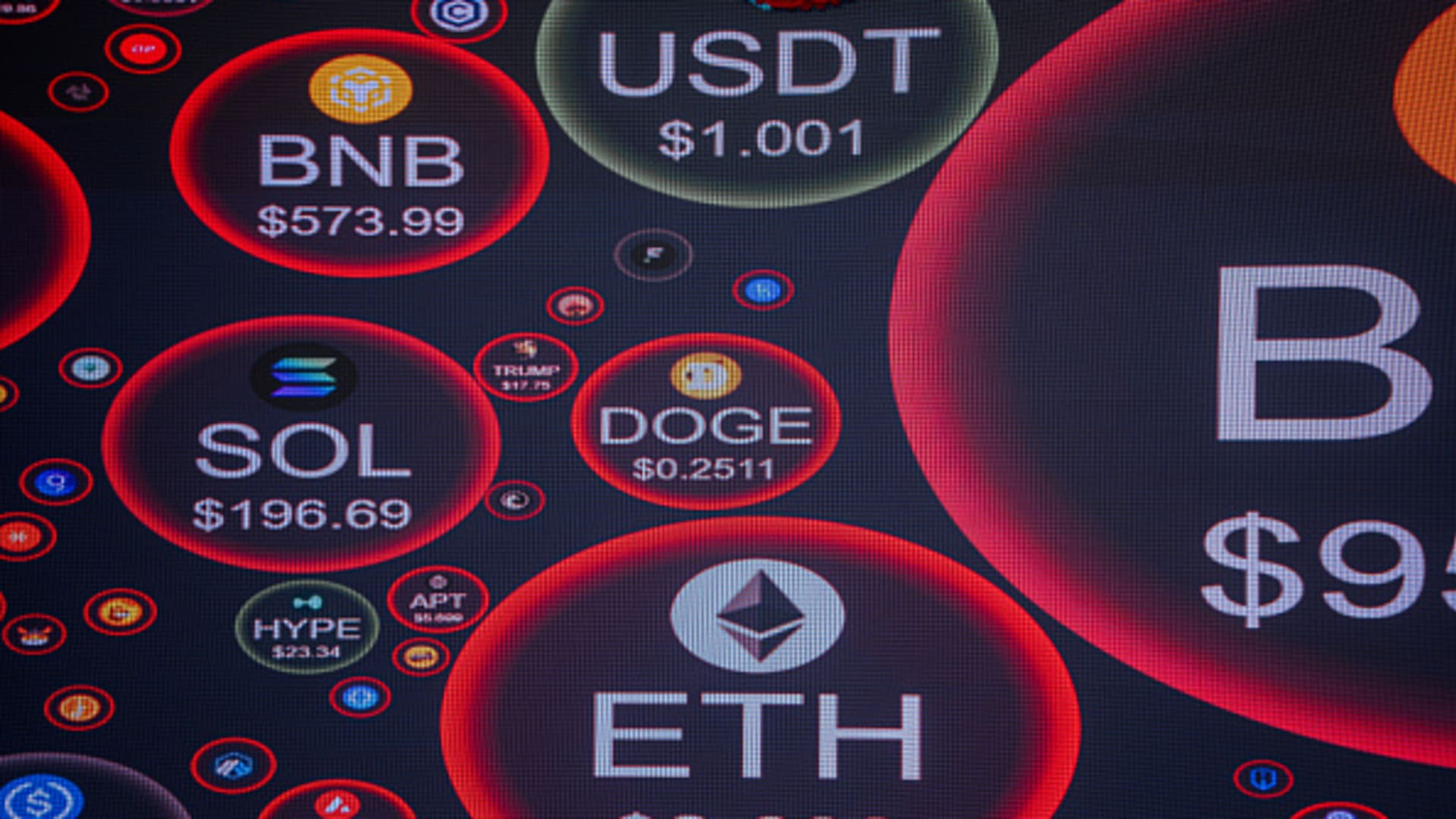
Crypto Firms Navigate Market Volatility Challenges
- Trading Revenue Decline: Robinhood reported a 47% collapse in crypto trading revenue, reflecting weakened demand for risk assets and a cooling of overall trading activity, which adversely impacted the company's financial performance.
- Diversification Strategy Progress: Coinbase made strides in diversifying its offerings, with revenues from event contracts and crypto derivatives increasing by 320% and 169% respectively, aiming to reduce reliance on single crypto trading and enhance market adaptability.
- Revenue Stability Enhancement: Gemini expanded into predictions, derivatives, and upcoming stock offerings, reporting a 292% year-over-year increase in consumer credit card revenue, aiming for stable revenue growth to mitigate the impact of crypto price volatility.
- Acquisition Plan Boosts Growth: Bullish announced a $4.2 billion acquisition of global transfer agent Equiniti, marking its transformation into a capital markets infrastructure company; despite missing earnings expectations, the acquisition news drove stock price increases.
See More

Gemini Space (GEMI) Q1 2026 Earnings Call Transcript
See More

Stablecoin Market Experiences Rapid Growth


- Market Expansion: The stablecoin market currently stands at $300 billion and is projected to exceed $3 trillion by the end of 2030, indicating robust growth potential that is attracting attention and investment from financial institutions.
- Institutional Involvement: Major banks, including JPMorgan Chase and Bank of America, are running stablecoin pilot projects, suggesting that the lines between traditional finance and blockchain finance are blurring, potentially leading to cost savings and efficiency gains.
- Payment Network Innovation: Mastercard and Visa are fully backing blockchain-based payment initiatives, particularly stablecoin payments, aiming to position themselves as the connective layer between stablecoin wallets and existing payment infrastructure to stay ahead in competition.
- Regulatory Impact: The upcoming Digital Asset Market Clarity Act could significantly influence the popularity of stablecoins and the ease with which financial institutions can integrate them into their global payment infrastructure, necessitating close monitoring of policy changes by these institutions.
See More
Tokenization Set to Transform Financial Asset Markets
- Market Potential of Tokenization: Michael Saylor stated on CNBC that tokenization creates a free market for credit formation and yield for asset owners, breaking the traditional finance system's control by banks over financing terms, allowing asset owners to flexibly choose the best credit conditions and highest yields.
- Challenge to Traditional Finance: Saylor emphasized that in the traditional finance system, banks dictate customers' financing terms, limiting choices, while tokenization promotes the liberalization of capital markets by increasing liquidity and volatility of capital assets, posing a direct challenge to traditional banking and brokerage businesses.
- Anticipation of Legal Framework: As the Clarity Act progresses through Congress, the potential establishment of a legal framework for fully on-chain real-world assets is expected to further legitimize tokenized securities, facilitating their integration into mainstream finance.
- Active Market Participation: Platforms like Coinbase, Robinhood, and Gemini are already offering tokenized stock trading to select customers, indicating a growing demand for tokenized financial products and signaling a transformative shift in future financial markets.
See More
Michael Saylor: Tokenization Will Reshape Financial Markets
- Potential of Tokenization: Michael Saylor highlighted that the tokenization of financial assets could transform how credit and yield are priced, posing a direct challenge to traditional banking and brokerage businesses by fostering a free market for capital formation.
- Limitations of Traditional Finance: He emphasized that in the traditional finance system, banks dictate financing terms, leaving customers with no options for credit and yield, whereas tokenization offers asset owners increased liquidity and volatility.
- Impact of Market Structure Bill: As the Clarity Act progresses through Congress, it is expected to provide a legal framework for tokenizing real-world assets, which could further mainstream tokenized securities and alter how investors trade.
- Regulatory Expectations: Investors are looking forward to guidance from the Securities and Exchange Commission on tokenized stocks, potentially allowing blockchain-based stock trading to occur alongside traditional markets, thereby broadening access for retail investors.
See More
Crypto Firms' Earnings Highlight Urgency for Revenue Diversification
- Urgency for Revenue Diversification: Coinbase and Robinhood's Q1 earnings revealed a 47% drop in crypto trading revenue and missed expectations, prompting both companies to accelerate their expansion into financial services to ensure steady revenue amidst market volatility.
- Shift in User Activity: Robinhood's user engagement has shifted towards event contracts, driving a 320% year-over-year growth in this segment, generating $147 million in revenue, which highlights the potential of non-trading products during market downturns.
- Diversified Trading Strategy: Despite missing overall expectations, Coinbase reported a 169% increase in crypto derivatives, indicating the company's strategy to mitigate risks associated with market volatility by expanding trading options.
- Acquisition Expansion Plans: Bullish announced a $4.2 billion acquisition of global transfer agent Equiniti, marking one of the largest M&A deals in crypto history, aiming to position itself as a capital markets infrastructure provider rather than just a crypto exchange.
See More
Crypto Firms Navigate Market Volatility Challenges
- Trading Revenue Decline: Robinhood reported a 47% collapse in crypto trading revenue, reflecting weakened demand for risk assets and a cooling of overall trading activity, which adversely impacted the company's financial performance.
- Diversification Strategy Progress: Coinbase made strides in diversifying its offerings, with revenues from event contracts and crypto derivatives increasing by 320% and 169% respectively, aiming to reduce reliance on single crypto trading and enhance market adaptability.
- Revenue Stability Enhancement: Gemini expanded into predictions, derivatives, and upcoming stock offerings, reporting a 292% year-over-year increase in consumer credit card revenue, aiming for stable revenue growth to mitigate the impact of crypto price volatility.
- Acquisition Plan Boosts Growth: Bullish announced a $4.2 billion acquisition of global transfer agent Equiniti, marking its transformation into a capital markets infrastructure company; despite missing earnings expectations, the acquisition news drove stock price increases.
See More
Gemini Space (GEMI) Q1 2026 Earnings Call Transcript
See More
Stablecoin Market Experiences Rapid Growth
- Market Expansion: The stablecoin market currently stands at $300 billion and is projected to exceed $3 trillion by the end of 2030, indicating robust growth potential that is attracting attention and investment from financial institutions.
- Institutional Involvement: Major banks, including JPMorgan Chase and Bank of America, are running stablecoin pilot projects, suggesting that the lines between traditional finance and blockchain finance are blurring, potentially leading to cost savings and efficiency gains.
- Payment Network Innovation: Mastercard and Visa are fully backing blockchain-based payment initiatives, particularly stablecoin payments, aiming to position themselves as the connective layer between stablecoin wallets and existing payment infrastructure to stay ahead in competition.
- Regulatory Impact: The upcoming Digital Asset Market Clarity Act could significantly influence the popularity of stablecoins and the ease with which financial institutions can integrate them into their global payment infrastructure, necessitating close monitoring of policy changes by these institutions.
See More