GE Aerospace reports Q1 adjusted EPS $1.48, consensus $1.27
Written by Emily J. Thompson, Senior Investment Analyst
Updated: Apr 22 2025
0mins
Q1 Financial Performance: GE Aerospace reported Q1 revenue of $9.9 billion, exceeding expectations, with a 60% increase in adjusted EPS and strong growth in orders and revenue driven by commercial services.
Strategic Actions and Outlook: CEO H. Lawrence Culp, Jr. emphasized the need for strategic actions to manage costs and supply chain challenges while maintaining a positive outlook for the year, supported by a backlog of over $140 billion in commercial services.
Trade with 70% Backtested Accuracy
Stop guessing "Should I Buy GE?" and start using high-conviction signals backed by rigorous historical data.
Sign up today to access powerful investing tools and make smarter, data-driven decisions.
Analyst Views on GE
Wall Street analysts forecast GE stock price to rise
9 Analyst Rating
8 Buy
0 Hold
1 Sell
Strong Buy
Current: 301.760

Low
275.00
Averages
345.67
High
386.00
Current: 301.760
Low
275.00
Averages
345.67
High
386.00
About GE
General Electric Company, doing business as GE Aerospace, is a global aerospace propulsion, services, and systems company. It has an installed base of over 50,000 commercial and 30,000 military aircraft engines. Its segment includes Commercial Engines & Services and Defense & Propulsion Technologies. Commercial Engines & Services segment designs, develops, manufactures and services jet engines for commercial airframes, as well as business aviation and aeroderivative applications. Its services include maintenance, repair and overhaul of engines and the sale of spare parts and offers services under a variety of arrangements such as long-term service agreements, spare parts agreements or time and material contracts. Defense & Propulsion Technologies segment provides defense engines and critical aircraft systems and consists of Defense & Systems and Propulsion & Additive Technologies businesses. Its portfolio of brands includes Avio Aero, Unison, Dowty Propellers and Colibrium Additive.
About the author

Emily J. Thompson
Emily J. Thompson, a Chartered Financial Analyst (CFA) with 12 years in investment research, graduated with honors from the Wharton School. Specializing in industrial and technology stocks, she provides in-depth analysis for Intellectia’s earnings and market brief reports.

Boeing's Key Challenges for the Next Decade


- Development Cost: Former CEO Dave Calhoun stated that developing the next-generation narrow-body aircraft will cost $50 billion, posing significant challenges for Boeing's funding capabilities, which may require issuing debt or raising equity, thereby impacting financial stability.
- Cash Flow Forecast: According to Wall Street consensus, Boeing is expected to generate over $10 billion in annual free cash flow by 2028; however, the underperformance of the 737 MAX has led to dual pressures on cash flow and debt, affecting future investment capacity.
- Engine Choice Impact: Boeing is believed to prefer a ducted engine, while competitor Airbus is testing open-fan engines, which could reduce fuel consumption by 20%, potentially putting Boeing at a competitive disadvantage in terms of efficiency.
- Long-Term Strategic Uncertainty: Boeing's future over the next decade will hinge on its financing approach for the new narrow-body aircraft and engine selection; while the company is almost certain to launch a new model within ten years, investors must carefully assess the associated risks to determine whether to maintain their stock holdings.
See More

Boeing's Future Depends on Next-Gen Narrow-Body Aircraft
- Funding and Engine Choices: Boeing's future hinges on the development of its next-generation narrow-body aircraft, which is projected to cost $50 billion, and how it finances this endeavor will directly impact its financial health and competitive position in the market.
- 737 MAX Cash Flow Issues: Since its delivery in 2017, the 737 MAX has failed to generate the expected cash flow, with high-profile crashes, COVID-19 lockdowns, and quality control issues leading to a forecasted annual free cash flow exceeding $10 billion only by 2028, indicating significant financial pressure on the company.
- Engine Technology Competition: CFM International's open-fan engine could achieve a 20% reduction in fuel consumption, and if Boeing opts for a traditional ducted engine, it risks falling behind Airbus in efficiency, potentially affecting its market share.
- Investor Risk Assessment: The upcoming launch of Boeing's new narrow-body aircraft will be a significant event in the next decade, and investors must carefully evaluate the risks associated with financing and technology choices that will influence the company's long-term development.
See More
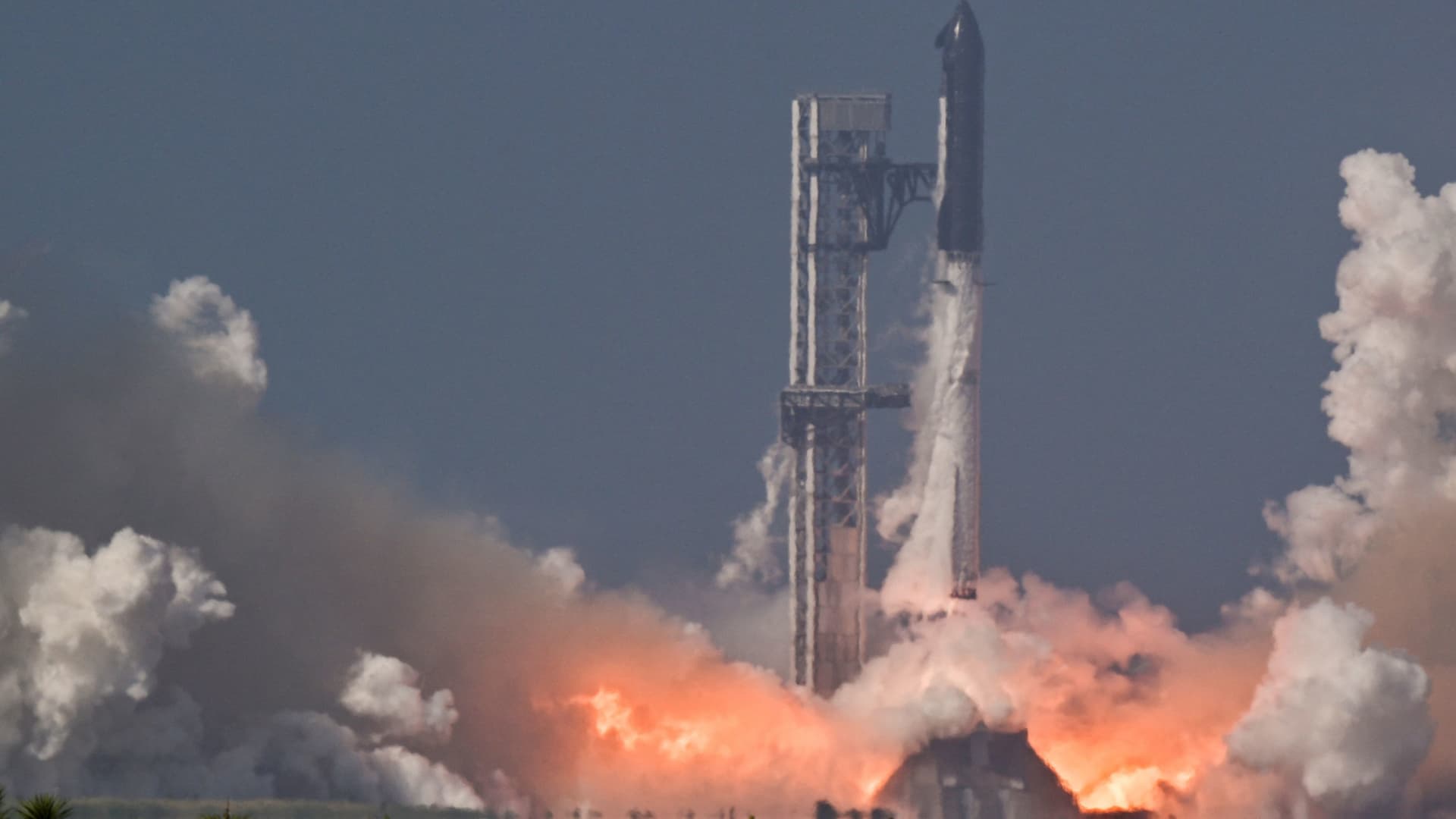
SpaceX Targets $1.75 Trillion Valuation for Upcoming IPO


- IPO Valuation Target: SpaceX is aiming for a staggering $1.75 trillion valuation upon its Nasdaq debut, positioning itself as one of the most valuable companies in the market and likely attracting significant investor interest.
- Diverse Revenue Streams: According to the latest S1 filing, SpaceX's 'Space' and 'Connectivity' segments generated over $4 billion in revenue in 2025, showcasing its strong market position in rocket launches and satellite internet services.
- Industry Classification Challenges: Given SpaceX's involvement in multiple sectors, MSCI and S&P face complexities in determining its final industry classification, which could place it in either the Communication Services or Industrials sector, impacting its appeal to investors.
- Future Growth Potential: Musk indicated that future AI computing will rely on solar-powered satellites in space, and SpaceX's innovative approach to data centers could enable it to achieve lower operational costs over time, thereby securing a more advantageous position in the market.
See More
GE Aerospace Secures New Military Contracts for U.S. Navy and British Army
- Navy Contract Expansion: GE Aerospace has signed an agreement with Austal USA to provide an LM2500+G4 marine gas turbine engine and generator for the U.S. Navy's new Explorer-class ocean surveillance ship, enhancing anti-submarine warfare capabilities and the integrated undersea surveillance system.
- Technological Innovation: The new engine features a lightweight composite enclosure that significantly reduces weight and noise compared to traditional steel enclosures, improving effectiveness for acoustic surveillance missions, showcasing GE's technological leadership in naval propulsion systems.
- Apache Helicopter Support: GE Aerospace has secured a three-year contract with Boeing Defence UK to continue providing technical support and maintenance services for the T700 engines used in the British Army's AH-64E Apache helicopters, reinforcing its long-standing partnership with Boeing.
- Defense Market Resilience: The signing of these contracts highlights GE Aerospace's continued exposure to naval modernization and military aviation sustainment, indicating that defense projects remain relatively stable amid increasing uncertainty in the commercial aerospace market.
See More
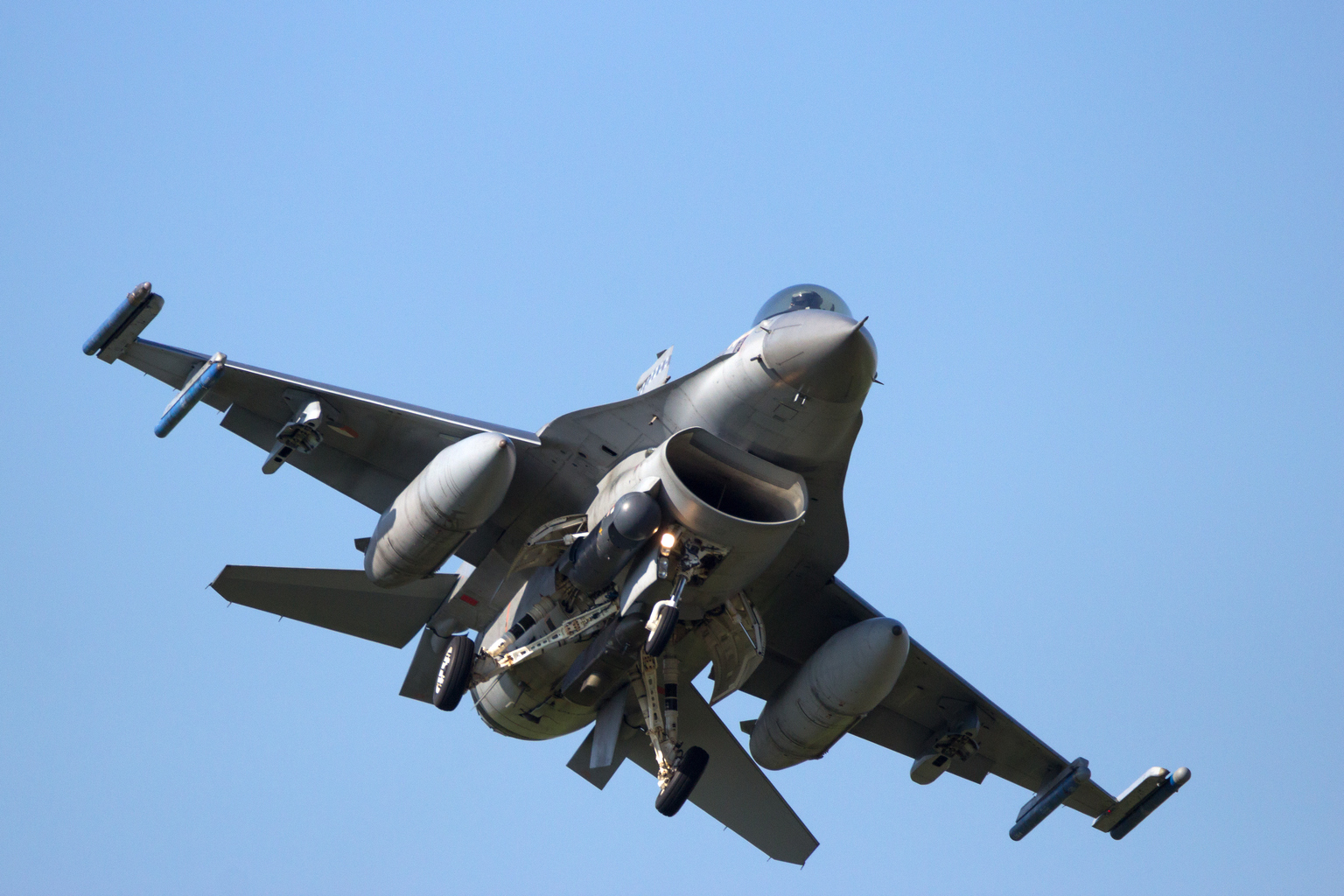
GE Aerospace's Defense Business Gains Strategic Importance
- Defense Business Potential: At a showcase in Massachusetts, GE Aerospace emphasized the scale and durability of its defense engine programs, particularly those tied to long-standing projects like the F-16 fighter and Black Hawk helicopter, which are expected to generate sustained revenue streams amid rising global military budgets.
- International Market Expansion: GE noted that approximately 30% of its defense market revenue comes from overseas, including countries like India, South Korea, and Turkey, highlighting the company's significance and growth potential in the global defense market as international military cooperation increases.
- Lean Manufacturing Advantage: By studying lean manufacturing practices in Japan, GE successfully reduced material defect closure times by 40% and increased engine output by 30% between 2024 and 2025, providing the company with a stronger competitive edge in navigating supply chain challenges.
- Gas Turbine Growth Potential: GE's gas turbine business is projected to double its revenue by 2030, with unit pricing improving by 30% in the first quarter compared to pre-breakup levels, indicating that this segment will become a crucial driver of future growth as electricity demand rises.
See More

GE Aerospace Secures U.S. Air Force Engine Contract
- Contract Award: GE Aerospace has secured a contract from the U.S. Air Force to conduct the preliminary design review for the new GE426 engine, marking a significant expansion for the company in the military aviation sector.
- Technology Maturation: Under the contract terms, GE Aerospace will advance the GE426 prototype engine's development, ensuring alignment with Air Force requirements for the medium-thrust-class autonomous collaborative platform, thereby enhancing product competitiveness.
- Dedicated Propulsion System: The GE426 engine is specifically designed as a propulsion system for medium-thrust-class autonomous collaborative platform missions, aimed at meeting future military aviation needs and enhancing the operational capabilities of the U.S. Air Force.
- Strategic Implications: This contract not only solidifies GE Aerospace's position in the defense market but also lays the groundwork for future technological innovations and market share growth in military aviation.
See More
Boeing's Key Challenges for the Next Decade
- Development Cost: Former CEO Dave Calhoun stated that developing the next-generation narrow-body aircraft will cost $50 billion, posing significant challenges for Boeing's funding capabilities, which may require issuing debt or raising equity, thereby impacting financial stability.
- Cash Flow Forecast: According to Wall Street consensus, Boeing is expected to generate over $10 billion in annual free cash flow by 2028; however, the underperformance of the 737 MAX has led to dual pressures on cash flow and debt, affecting future investment capacity.
- Engine Choice Impact: Boeing is believed to prefer a ducted engine, while competitor Airbus is testing open-fan engines, which could reduce fuel consumption by 20%, potentially putting Boeing at a competitive disadvantage in terms of efficiency.
- Long-Term Strategic Uncertainty: Boeing's future over the next decade will hinge on its financing approach for the new narrow-body aircraft and engine selection; while the company is almost certain to launch a new model within ten years, investors must carefully assess the associated risks to determine whether to maintain their stock holdings.
See More
Boeing's Future Depends on Next-Gen Narrow-Body Aircraft
- Funding and Engine Choices: Boeing's future hinges on the development of its next-generation narrow-body aircraft, which is projected to cost $50 billion, and how it finances this endeavor will directly impact its financial health and competitive position in the market.
- 737 MAX Cash Flow Issues: Since its delivery in 2017, the 737 MAX has failed to generate the expected cash flow, with high-profile crashes, COVID-19 lockdowns, and quality control issues leading to a forecasted annual free cash flow exceeding $10 billion only by 2028, indicating significant financial pressure on the company.
- Engine Technology Competition: CFM International's open-fan engine could achieve a 20% reduction in fuel consumption, and if Boeing opts for a traditional ducted engine, it risks falling behind Airbus in efficiency, potentially affecting its market share.
- Investor Risk Assessment: The upcoming launch of Boeing's new narrow-body aircraft will be a significant event in the next decade, and investors must carefully evaluate the risks associated with financing and technology choices that will influence the company's long-term development.
See More
SpaceX Targets $1.75 Trillion Valuation for Upcoming IPO
- IPO Valuation Target: SpaceX is aiming for a staggering $1.75 trillion valuation upon its Nasdaq debut, positioning itself as one of the most valuable companies in the market and likely attracting significant investor interest.
- Diverse Revenue Streams: According to the latest S1 filing, SpaceX's 'Space' and 'Connectivity' segments generated over $4 billion in revenue in 2025, showcasing its strong market position in rocket launches and satellite internet services.
- Industry Classification Challenges: Given SpaceX's involvement in multiple sectors, MSCI and S&P face complexities in determining its final industry classification, which could place it in either the Communication Services or Industrials sector, impacting its appeal to investors.
- Future Growth Potential: Musk indicated that future AI computing will rely on solar-powered satellites in space, and SpaceX's innovative approach to data centers could enable it to achieve lower operational costs over time, thereby securing a more advantageous position in the market.
See More
GE Aerospace Secures New Military Contracts for U.S. Navy and British Army
- Navy Contract Expansion: GE Aerospace has signed an agreement with Austal USA to provide an LM2500+G4 marine gas turbine engine and generator for the U.S. Navy's new Explorer-class ocean surveillance ship, enhancing anti-submarine warfare capabilities and the integrated undersea surveillance system.
- Technological Innovation: The new engine features a lightweight composite enclosure that significantly reduces weight and noise compared to traditional steel enclosures, improving effectiveness for acoustic surveillance missions, showcasing GE's technological leadership in naval propulsion systems.
- Apache Helicopter Support: GE Aerospace has secured a three-year contract with Boeing Defence UK to continue providing technical support and maintenance services for the T700 engines used in the British Army's AH-64E Apache helicopters, reinforcing its long-standing partnership with Boeing.
- Defense Market Resilience: The signing of these contracts highlights GE Aerospace's continued exposure to naval modernization and military aviation sustainment, indicating that defense projects remain relatively stable amid increasing uncertainty in the commercial aerospace market.
See More
GE Aerospace's Defense Business Gains Strategic Importance
- Defense Business Potential: At a showcase in Massachusetts, GE Aerospace emphasized the scale and durability of its defense engine programs, particularly those tied to long-standing projects like the F-16 fighter and Black Hawk helicopter, which are expected to generate sustained revenue streams amid rising global military budgets.
- International Market Expansion: GE noted that approximately 30% of its defense market revenue comes from overseas, including countries like India, South Korea, and Turkey, highlighting the company's significance and growth potential in the global defense market as international military cooperation increases.
- Lean Manufacturing Advantage: By studying lean manufacturing practices in Japan, GE successfully reduced material defect closure times by 40% and increased engine output by 30% between 2024 and 2025, providing the company with a stronger competitive edge in navigating supply chain challenges.
- Gas Turbine Growth Potential: GE's gas turbine business is projected to double its revenue by 2030, with unit pricing improving by 30% in the first quarter compared to pre-breakup levels, indicating that this segment will become a crucial driver of future growth as electricity demand rises.
See More
GE Aerospace Secures U.S. Air Force Engine Contract
- Contract Award: GE Aerospace has secured a contract from the U.S. Air Force to conduct the preliminary design review for the new GE426 engine, marking a significant expansion for the company in the military aviation sector.
- Technology Maturation: Under the contract terms, GE Aerospace will advance the GE426 prototype engine's development, ensuring alignment with Air Force requirements for the medium-thrust-class autonomous collaborative platform, thereby enhancing product competitiveness.
- Dedicated Propulsion System: The GE426 engine is specifically designed as a propulsion system for medium-thrust-class autonomous collaborative platform missions, aimed at meeting future military aviation needs and enhancing the operational capabilities of the U.S. Air Force.
- Strategic Implications: This contract not only solidifies GE Aerospace's position in the defense market but also lays the groundwork for future technological innovations and market share growth in military aviation.
See More