

FDA Advisory Panel to Vote on COVID Vaccine Target Variant
Written by Emily J. Thompson, Senior Investment Analyst
Updated: May 28 2026
0mins

Source: Newsfilter
- Vaccine Target Variant Discussion: The FDA's advisory panel is set to vote on Thursday regarding whether COVID-19 vaccines for the 2026-2027 immunization campaign should target the dominant XFG variant, despite limited data on circulating strains, which could impact vaccine efficacy and public health strategies.
- Sign of Procedural Normalcy: The lack of membership changes in the FDA advisory panel indicates a return to procedural normalcy under Health Secretary Robert F. Kennedy Jr., following a series of vaccine policy upheavals, which may help restore public trust in vaccination efforts.
- Monitoring Data Gaps: Assessing the evolution of COVID-19 has become increasingly challenging due to declines in virologic surveillance, sequencing volumes, and timely data sharing from public health departments, as reflected in the CDC's COVID dashboard, where weekly data is currently unavailable due to low sequencing submissions, potentially delaying vaccine strategy updates.
- Variant Evolution and Vaccine Recommendations: The FDA's briefing documents highlight that since last year, the evolution of COVID variants has continued, with LP.8.1 still recommended, but the emergence of new variants like NB.1.8.1 may necessitate adjustments in targets for vaccine manufacturers to effectively respond to the evolving pandemic landscape.
Trade with 70% Backtested Accuracy
Stop guessing "Should I Buy MRNA?" and start using high-conviction signals backed by rigorous historical data.
Sign up today to access powerful investing tools and make smarter, data-driven decisions.
Analyst Views on MRNA
Wall Street analysts forecast MRNA stock price to fall
20 Analyst Rating
1 Buy
16 Hold
3 Sell
Hold
Current: 79.770

Low
17.00
Averages
32.47
High
63.00
Current: 79.770
Low
17.00
Averages
32.47
High
63.00
About MRNA
Moderna, Inc. is a biotechnology company advancing a new class of medicines made of messenger ribonucleic acid (mRNA). It is engaged in developing medicines across infectious disease vaccines, oncology therapeutics and rare disease therapeutics. Its platform incorporates advances across three components, mRNA, delivery, and the manufacturing process, to advance its medicines. Its products are Spikevax and mNEXSPIKE (its COVID vaccines), and mRESVIA (its vaccine against respiratory syncytial virus (RSV)). It also has a diverse development pipeline that consists of 35 therapeutic and vaccine programs, six of which are in late-stage development. It has regulatory filings under review for its seasonal flu+COVID vaccine (mRNA-1083) in Europe and Canada and for its seasonal flu vaccine (mRNA-1010) in the United States, Europe, Canada and Australia. Its rare disease programs are Propionic acidemia (mRNA-3927); Methylmalonic acidemia (mRNA-3705), and Cystic Fibrosis (mRNA-3692/VX-522).
About the author

Emily J. Thompson
Emily J. Thompson, a Chartered Financial Analyst (CFA) with 12 years in investment research, graduated with honors from the Wharton School. Specializing in industrial and technology stocks, she provides in-depth analysis for Intellectia’s earnings and market brief reports.

Moderna Shares Rise 2.51% Ahead of Earnings Report

- Stock Performance: Moderna closed at $81.76, marking a 2.51% increase from the previous day, outperforming the S&P 500's gain of 0.72%, indicating strong market confidence in its future performance.
- Annual Earnings Outlook: Analysts expect Moderna to report a loss of $2 per share in its upcoming earnings report, yet this reflects a year-over-year growth of 6.1%, showcasing the company's resilience amid challenges.
- Revenue Forecast: The Zacks consensus estimates revenue of $114.89 million for the quarter, down 19.09% year-over-year, indicating concerns about product demand; however, annual revenue is projected to grow by 6.64% to $2.07 billion.
- Analyst Ratings: Currently, Moderna holds a Zacks Rank of #3 (Hold), and while the EPS projections have remained stagnant over the past 30 days, the analysts' optimism regarding short-term business trends may influence stock price performance.
See More

Moderna's Optimistic Vaccine Pipeline Sparks Investor Interest
- Product Diversification: Moderna currently has three commercial products and is developing personalized cancer vaccines and therapies for rare genetic disorders, indicating its business scope has expanded beyond COVID-19 vaccines, with potential for multiple revenue streams in the future.
- Improving Financials: In Q1 2026, Moderna generated $389 million in revenue, a significant increase from $108 million a year earlier, and while still posting a net loss, the company has approximately $7.5 billion in cash and investments to support its research pipeline.
- Vaccine Approval Progress: An FDA advisory committee voted 9-0 to recommend approval for Moderna's seasonal flu vaccine, with a final decision expected in August, which could serve as a major near-term catalyst for stock price appreciation.
- Long-Term Growth Potential: Management targets up to 10% revenue growth in 2026 and aims for cash breakeven by 2028; if several late-stage programs reach the market, Moderna could evolve into a more diversified biotechnology company, significantly enhancing its long-term investment appeal.
See More
Moderna Appoints Michael McDonnell to Board of Directors
- New Board Member: Moderna announced the appointment of Michael McDonnell to its Board of Directors effective July 8, 2026, where he will also join the audit committee, bringing over 30 years of financial leadership experience in life sciences and technology, which is expected to provide crucial financial strategic support for the company.
- Financial Leadership Background: McDonnell previously served as CFO of Biogen and IQVIA Holdings, with more than 24 years of experience as a public company CFO, and his expertise will assist Moderna in capital allocation and operational execution as it advances its pipeline and prepares for potential product launches.
- Stock Price Pressure: Following a 52-week high of approximately $85.60 on July 6, Moderna's stock is facing short-term pressure, falling about 6.54% to around $74.55 on Wednesday, extending its weekly decline to about 5.3%, indicating market concerns regarding its stock performance.
- Technical Indicator Analysis: According to the weekly chart, Moderna's stock has slipped below the approximately $80 support level, with technical indicators pointing to weaker momentum, leading investors to potentially watch the $75 area for signs of stabilization.
See More

Broadcom and Apple Expand Partnership Deal Exceeding $30 Billion


- Partnership Expansion: Broadcom's multiyear partnership with Apple will exceed $30 billion, leading to the production of 15 billion U.S.-made chips, significantly enhancing Broadcom's position in the semiconductor market and driving future growth.
- Facility Expansion Plans: The deal includes an expansion of Broadcom's facility in Fort Collins, Colorado, aimed at increasing production capacity to meet Apple's growing demand, thereby further solidifying their strategic partnership.
- Positive Market Reaction: Broadcom's shares rose 6%, reflecting investor optimism regarding the partnership, while Apple's stock also saw a modest increase of 1%, indicating market confidence in its future performance.
- Vaccine Market Impact: Morgan Stanley reiterated its equal-weight rating on Moderna and raised its price target to $39, despite a 7% drop in the stock, as analysts believe vaccines and individualized neoantigen therapy will be key valuation drivers for the company.
See More

Major US Biopharmaceutical Companies Expected to Underperform in H2

- Industry Performance Outlook: Major US biopharmaceutical companies are expected to underperform in the second half of the year, reflecting challenges and uncertainties that may impact investor confidence.
- Market Reaction: Increased investor focus on the biopharmaceutical sector could lead to heightened volatility in related stocks, resulting in downward pressure on share prices in the short term.
- Policy Impact: Uncertainties in industry policy changes and regulatory environments may exacerbate performance fluctuations, affecting long-term strategic planning and investment decisions for companies.
- Intensifying Competition: The rise of emerging biotech firms poses greater competitive pressure on traditional biopharmaceutical companies, necessitating accelerated innovation and R&D investments to maintain market share.
See More

New Dual-Mobility Implants Significantly Reduce Hip Dislocation Risks


- Hip Surgery Outcomes: The new dual-mobility implant shows a dislocation rate of only 1.3% compared to 4.2% for traditional implants, indicating a 70% reduction in dislocation risk, significantly enhancing postoperative quality of life for patients.
- Study Scale and Impact: This research randomly assigned 1,600 patients aged 65 and older to compare the effects of dual-mobility versus standard implants, revealing that the new implant also performed better in reducing surgical complications, despite no significant differences in infection or mortality rates.
- Economic Analysis Outlook: Although dual-mobility implants are more expensive, researchers believe the potential reduction in complications could offset the initial costs, and a comprehensive health economic analysis is underway to assess long-term benefits.
- Clinical Implementation Feasibility: Surgeons are already familiar with both implant types, suggesting that the adoption of dual-mobility implants can be swiftly integrated into existing medical practices, thereby improving patient surgical experiences and trust in the implants.
See More
Moderna Shares Rise 2.51% Ahead of Earnings Report
- Stock Performance: Moderna closed at $81.76, marking a 2.51% increase from the previous day, outperforming the S&P 500's gain of 0.72%, indicating strong market confidence in its future performance.
- Annual Earnings Outlook: Analysts expect Moderna to report a loss of $2 per share in its upcoming earnings report, yet this reflects a year-over-year growth of 6.1%, showcasing the company's resilience amid challenges.
- Revenue Forecast: The Zacks consensus estimates revenue of $114.89 million for the quarter, down 19.09% year-over-year, indicating concerns about product demand; however, annual revenue is projected to grow by 6.64% to $2.07 billion.
- Analyst Ratings: Currently, Moderna holds a Zacks Rank of #3 (Hold), and while the EPS projections have remained stagnant over the past 30 days, the analysts' optimism regarding short-term business trends may influence stock price performance.
See More
Moderna's Optimistic Vaccine Pipeline Sparks Investor Interest
- Product Diversification: Moderna currently has three commercial products and is developing personalized cancer vaccines and therapies for rare genetic disorders, indicating its business scope has expanded beyond COVID-19 vaccines, with potential for multiple revenue streams in the future.
- Improving Financials: In Q1 2026, Moderna generated $389 million in revenue, a significant increase from $108 million a year earlier, and while still posting a net loss, the company has approximately $7.5 billion in cash and investments to support its research pipeline.
- Vaccine Approval Progress: An FDA advisory committee voted 9-0 to recommend approval for Moderna's seasonal flu vaccine, with a final decision expected in August, which could serve as a major near-term catalyst for stock price appreciation.
- Long-Term Growth Potential: Management targets up to 10% revenue growth in 2026 and aims for cash breakeven by 2028; if several late-stage programs reach the market, Moderna could evolve into a more diversified biotechnology company, significantly enhancing its long-term investment appeal.
See More
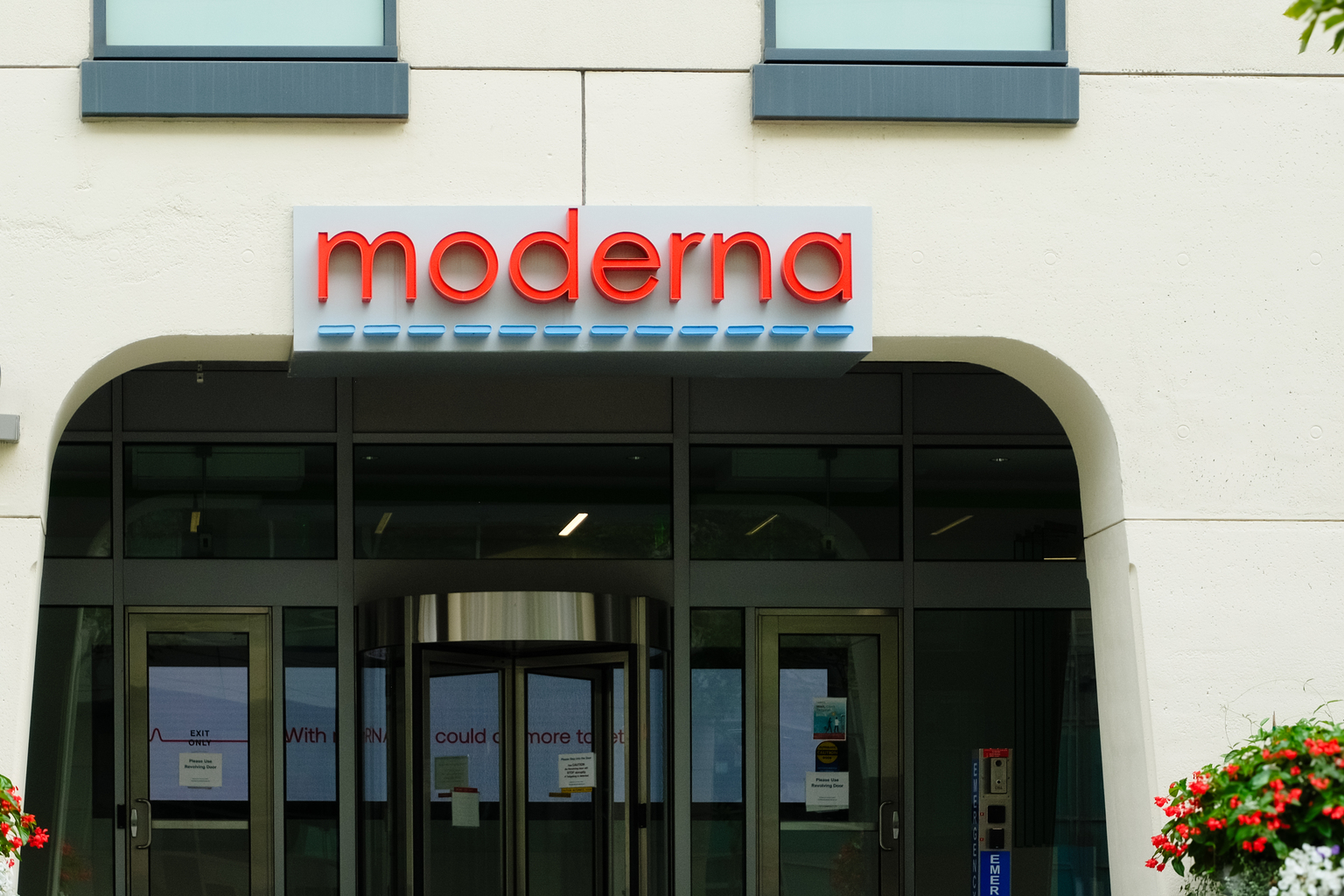
Moderna Appoints Michael McDonnell to Board of Directors
- New Board Member: Moderna announced the appointment of Michael McDonnell to its Board of Directors effective July 8, 2026, where he will also join the audit committee, bringing over 30 years of financial leadership experience in life sciences and technology, which is expected to provide crucial financial strategic support for the company.
- Financial Leadership Background: McDonnell previously served as CFO of Biogen and IQVIA Holdings, with more than 24 years of experience as a public company CFO, and his expertise will assist Moderna in capital allocation and operational execution as it advances its pipeline and prepares for potential product launches.
- Stock Price Pressure: Following a 52-week high of approximately $85.60 on July 6, Moderna's stock is facing short-term pressure, falling about 6.54% to around $74.55 on Wednesday, extending its weekly decline to about 5.3%, indicating market concerns regarding its stock performance.
- Technical Indicator Analysis: According to the weekly chart, Moderna's stock has slipped below the approximately $80 support level, with technical indicators pointing to weaker momentum, leading investors to potentially watch the $75 area for signs of stabilization.
See More
Broadcom and Apple Expand Partnership Deal Exceeding $30 Billion
- Partnership Expansion: Broadcom's multiyear partnership with Apple will exceed $30 billion, leading to the production of 15 billion U.S.-made chips, significantly enhancing Broadcom's position in the semiconductor market and driving future growth.
- Facility Expansion Plans: The deal includes an expansion of Broadcom's facility in Fort Collins, Colorado, aimed at increasing production capacity to meet Apple's growing demand, thereby further solidifying their strategic partnership.
- Positive Market Reaction: Broadcom's shares rose 6%, reflecting investor optimism regarding the partnership, while Apple's stock also saw a modest increase of 1%, indicating market confidence in its future performance.
- Vaccine Market Impact: Morgan Stanley reiterated its equal-weight rating on Moderna and raised its price target to $39, despite a 7% drop in the stock, as analysts believe vaccines and individualized neoantigen therapy will be key valuation drivers for the company.
See More
Major US Biopharmaceutical Companies Expected to Underperform in H2
- Industry Performance Outlook: Major US biopharmaceutical companies are expected to underperform in the second half of the year, reflecting challenges and uncertainties that may impact investor confidence.
- Market Reaction: Increased investor focus on the biopharmaceutical sector could lead to heightened volatility in related stocks, resulting in downward pressure on share prices in the short term.
- Policy Impact: Uncertainties in industry policy changes and regulatory environments may exacerbate performance fluctuations, affecting long-term strategic planning and investment decisions for companies.
- Intensifying Competition: The rise of emerging biotech firms poses greater competitive pressure on traditional biopharmaceutical companies, necessitating accelerated innovation and R&D investments to maintain market share.
See More
New Dual-Mobility Implants Significantly Reduce Hip Dislocation Risks
- Hip Surgery Outcomes: The new dual-mobility implant shows a dislocation rate of only 1.3% compared to 4.2% for traditional implants, indicating a 70% reduction in dislocation risk, significantly enhancing postoperative quality of life for patients.
- Study Scale and Impact: This research randomly assigned 1,600 patients aged 65 and older to compare the effects of dual-mobility versus standard implants, revealing that the new implant also performed better in reducing surgical complications, despite no significant differences in infection or mortality rates.
- Economic Analysis Outlook: Although dual-mobility implants are more expensive, researchers believe the potential reduction in complications could offset the initial costs, and a comprehensive health economic analysis is underway to assess long-term benefits.
- Clinical Implementation Feasibility: Surgeons are already familiar with both implant types, suggesting that the adoption of dual-mobility implants can be swiftly integrated into existing medical practices, thereby improving patient surgical experiences and trust in the implants.
See More





