

Europe's Defense Rearmament Faces Challenges
Written by Emily J. Thompson, Senior Investment Analyst
Updated: 55 minutes ago
0mins
Source: CNBC
- Defense Budget Growth: European NATO core defense spending has doubled since 2019 and is projected to reach approximately €800 billion ($912 billion) by 2030, indicating a significant commitment to defense capabilities, yet the execution remains uncertain.
- Procurement Delays: Germany's cancellation of the multi-billion euro F126 frigate program in favor of eight smaller Meko A-200 frigates illustrates a reassessment of procurement costs and delivery timelines, potentially undermining investor confidence in the sector.
- Supply Chain Bottlenecks: Many European defense suppliers are small businesses with limited ability to raise capital, leading to bottlenecks for larger contractors; S&P Global Ratings noted that despite increased defense spending, equipment stocks remain below 2021 levels, hampering overall production capacity.
- Strategic Autonomy Challenges: While defense investment has surged, Europe struggles to ensure strategic autonomy, with about half of defense spending flowing to external suppliers like the U.S., highlighting the continent's reliance on foreign military equipment.
Trade with 70% Backtested Accuracy
Stop guessing "Should I Buy BA?" and start using high-conviction signals backed by rigorous historical data.
Sign up today to access powerful investing tools and make smarter, data-driven decisions.
Analyst Views on BA
Wall Street analysts forecast BA stock price to rise
16 Analyst Rating
14 Buy
1 Hold
1 Sell
Strong Buy
Current: 214.690

Low
150.00
Averages
269.14
High
298.00
Current: 214.690
Low
150.00
Averages
269.14
High
298.00
About BA
The Boeing Company is an aerospace company. Its segments include Commercial Airplanes (BCA), Defense, Space & Security (BDS), and Global Services (BGS). Its BCA segment develops, produces and markets commercial jet aircraft principally for the commercial airline industry worldwide. Its family of commercial jet aircraft in production includes the 737 narrow-body model and the 767, 777 and 787 wide-body models. Its BDS segment is engaged in the research, development, production and modification of manned and unmanned military aircraft and weapons systems for strike, surveillance and mobility. Its BGS segment provides services to its commercial and defense customers worldwide. It sustains aerospace platforms and systems with a range of products and services, including supply chain and logistics management, engineering, maintenance and modifications, upgrades and conversions, spare parts, pilot and maintenance training systems and services, technical and maintenance documents, and others.
About the author

Emily J. Thompson
Emily J. Thompson, a Chartered Financial Analyst (CFA) with 12 years in investment research, graduated with honors from the Wharton School. Specializing in industrial and technology stocks, she provides in-depth analysis for Intellectia’s earnings and market brief reports.
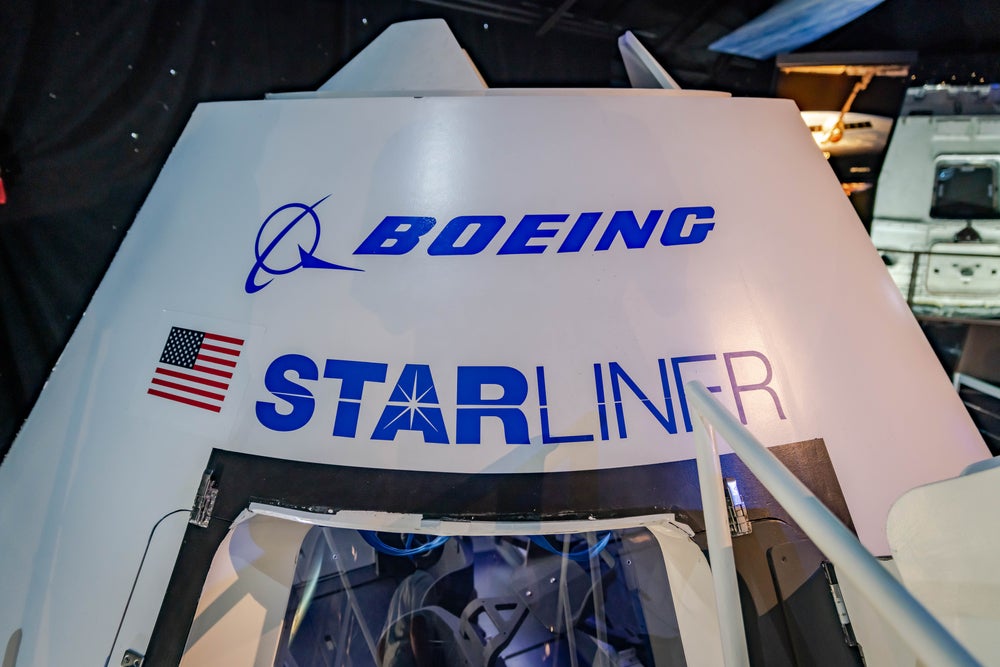
China Southern Airlines Places Landmark Order for Boeing Freighters

- First 777-8 Order: China Southern Airlines announced an order for seven freighter aircraft, including five of the all-new 777-8, marking the first purchase of this model by a mainland Chinese carrier, expected to enter service in 2028, indicating a reopening of the Chinese market to Boeing products.
- Historic Order: This order represents the first significant purchase of Boeing products from China in years following prolonged trade tensions with the U.S., reflecting an improvement in U.S.-China relations and a recovery in the aviation market, which is likely to enhance Boeing's market share in China.
- Enhanced Cargo Capacity: With the addition of these new aircraft, China Southern, which already operates 19 Boeing 777 freighters, will further strengthen its competitive position in the global cargo market, solidifying its ranking among the top ten carriers by cargo traffic according to the International Air Transport Association.
- Significant Economic Benefits: The list price for the seven aircraft is $3.6 billion, but China Southern expects to pay less after commercial discounts, while the 777-8 offers substantial advantages in fuel efficiency and operating costs, which are anticipated to improve the airline's overall profitability.
See More
Europe's Defense Rearmament Faces Challenges

- Defense Budget Growth: European NATO core defense spending has doubled since 2019 and is projected to reach approximately €800 billion ($912 billion) by 2030, indicating a significant commitment to defense capabilities, yet the execution remains uncertain.
- Procurement Delays: Germany's cancellation of the multi-billion euro F126 frigate program in favor of eight smaller Meko A-200 frigates illustrates a reassessment of procurement costs and delivery timelines, potentially undermining investor confidence in the sector.
- Supply Chain Bottlenecks: Many European defense suppliers are small businesses with limited ability to raise capital, leading to bottlenecks for larger contractors; S&P Global Ratings noted that despite increased defense spending, equipment stocks remain below 2021 levels, hampering overall production capacity.
- Strategic Autonomy Challenges: While defense investment has surged, Europe struggles to ensure strategic autonomy, with about half of defense spending flowing to external suppliers like the U.S., highlighting the continent's reliance on foreign military equipment.
See More

FAA Prohibits Employees from Purchasing SpaceX Shares


- Stock Purchase Ban: According to an internal document, Federal Aviation Administration (FAA) employees, along with their spouses and minor children, are prohibited from purchasing or owning SpaceX shares, a restriction stemming from the FAA's regulatory role in overseeing SpaceX's commercial spaceflight operations and ensuring compliance in rocket incident investigations.
- IPO Performance: SpaceX debuted on Nasdaq on June 12 at an initial price of $150 per share, with shares trading around $170 on Tuesday afternoon, reflecting positive market sentiment towards its commercial potential, although the FAA's ban may limit investment opportunities for employees.
- Ethics Standards Update: The FAA's ethics office reportedly received numerous inquiries regarding employee stock purchases in SpaceX, leading to an update of the prohibited investment list that includes SpaceX and three other commercial space firms, indicating a strong emphasis on preventing potential conflicts of interest.
- Expanded Regulatory Scope: The updated prohibited investment list also includes major aircraft manufacturers like Boeing and the primary airlines in the U.S., with the FAA's regulations aimed at preventing its employees from holding stock in the aviation industry to maintain the agency's integrity and transparency.
See More

Boeing Initiates Labor Negotiations with Engineers' Union
- Negotiation Commencement: Boeing (BA) has officially begun negotiations with the union representing approximately 17,000 engineers and technical employees, with contracts set to expire in October, indicating the company's proactive approach to stabilizing operations and increasing production capacity.
- Union Demands: The Society of Professional Engineering Employees in Aerospace (SPEEA) prioritizes higher wages, improved benefits, and greater workplace flexibility, reflecting the strong demand for skilled technical talent and inflationary pressures in the aerospace industry.
- Investor Focus: This negotiation is viewed as a key labor milestone for Boeing (BA) in its recovery efforts, with investors closely monitoring potential labor unrest and cost increases to assess their impact on the company's financial performance.
- Industry Trends: As aerospace workers seek larger pay increases, the outcome of these negotiations could influence Boeing's (BA) labor costs in the coming years and serve as a barometer for workforce relations amid ongoing production challenges and regulatory scrutiny.
See More

US Chamber of Commerce Opposes NPREMIUM Amendment

- Lobbying Efforts: Industry groups led by the US Chamber of Commerce are actively lobbying against the proposed amendment to NPREMIUM, aiming to protect business interests and maintain market stability.
- Policy Impact Assessment: The amendment could significantly impact the industry, with the Chamber arguing that its implementation would increase operational costs for businesses, thereby affecting overall economic vitality.
- Defense of Business Interests: By opposing this amendment, the Chamber seeks to ensure that the voices of businesses are heard in the policymaking process, safeguarding the interests and competitiveness of its members.
- Future Outlook: The lobbying activities of industry groups indicate a heightened sensitivity to policy changes within the business community, which may influence the legislative process and direction regarding related laws.
See More

Chinese Tech Firms Enter New Phase of Global Expansion

- Intensifying Global Competition: As Chinese tech companies accelerate their global expansion, market strategist Peter Boockvar notes that many prioritize market share over profit margins, a trend that could significantly influence U.S. investors' strategies.
- AI Application Prospects: PwC Global Chair Mohamed Kande stated at the Supply Chain Expo in Beijing that the application of AI in manufacturing will create more job opportunities, driving technological integration not only in China but also globally.
- Data Center Expansion: Alibaba's new data center in France will enhance its global cloud capabilities, with analyst Aras Poon highlighting that this move will reduce latency and improve reliability, enabling Alibaba to handle more complex, time-sensitive workloads.
- US-China Tech Rivalry: The U.S. is actively securing its global tech supply chains, recently signing agreements with new European participants to emphasize the importance of American technology, while Chinese firms are also pushing further into overseas markets, creating a new competitive landscape.
See More
China Southern Airlines Places Landmark Order for Boeing Freighters
- First 777-8 Order: China Southern Airlines announced an order for seven freighter aircraft, including five of the all-new 777-8, marking the first purchase of this model by a mainland Chinese carrier, expected to enter service in 2028, indicating a reopening of the Chinese market to Boeing products.
- Historic Order: This order represents the first significant purchase of Boeing products from China in years following prolonged trade tensions with the U.S., reflecting an improvement in U.S.-China relations and a recovery in the aviation market, which is likely to enhance Boeing's market share in China.
- Enhanced Cargo Capacity: With the addition of these new aircraft, China Southern, which already operates 19 Boeing 777 freighters, will further strengthen its competitive position in the global cargo market, solidifying its ranking among the top ten carriers by cargo traffic according to the International Air Transport Association.
- Significant Economic Benefits: The list price for the seven aircraft is $3.6 billion, but China Southern expects to pay less after commercial discounts, while the 777-8 offers substantial advantages in fuel efficiency and operating costs, which are anticipated to improve the airline's overall profitability.
See More
Europe's Defense Rearmament Faces Challenges
- Defense Budget Growth: European NATO core defense spending has doubled since 2019 and is projected to reach approximately €800 billion ($912 billion) by 2030, indicating a significant commitment to defense capabilities, yet the execution remains uncertain.
- Procurement Delays: Germany's cancellation of the multi-billion euro F126 frigate program in favor of eight smaller Meko A-200 frigates illustrates a reassessment of procurement costs and delivery timelines, potentially undermining investor confidence in the sector.
- Supply Chain Bottlenecks: Many European defense suppliers are small businesses with limited ability to raise capital, leading to bottlenecks for larger contractors; S&P Global Ratings noted that despite increased defense spending, equipment stocks remain below 2021 levels, hampering overall production capacity.
- Strategic Autonomy Challenges: While defense investment has surged, Europe struggles to ensure strategic autonomy, with about half of defense spending flowing to external suppliers like the U.S., highlighting the continent's reliance on foreign military equipment.
See More
FAA Prohibits Employees from Purchasing SpaceX Shares
- Stock Purchase Ban: According to an internal document, Federal Aviation Administration (FAA) employees, along with their spouses and minor children, are prohibited from purchasing or owning SpaceX shares, a restriction stemming from the FAA's regulatory role in overseeing SpaceX's commercial spaceflight operations and ensuring compliance in rocket incident investigations.
- IPO Performance: SpaceX debuted on Nasdaq on June 12 at an initial price of $150 per share, with shares trading around $170 on Tuesday afternoon, reflecting positive market sentiment towards its commercial potential, although the FAA's ban may limit investment opportunities for employees.
- Ethics Standards Update: The FAA's ethics office reportedly received numerous inquiries regarding employee stock purchases in SpaceX, leading to an update of the prohibited investment list that includes SpaceX and three other commercial space firms, indicating a strong emphasis on preventing potential conflicts of interest.
- Expanded Regulatory Scope: The updated prohibited investment list also includes major aircraft manufacturers like Boeing and the primary airlines in the U.S., with the FAA's regulations aimed at preventing its employees from holding stock in the aviation industry to maintain the agency's integrity and transparency.
See More
Boeing Initiates Labor Negotiations with Engineers' Union
- Negotiation Commencement: Boeing (BA) has officially begun negotiations with the union representing approximately 17,000 engineers and technical employees, with contracts set to expire in October, indicating the company's proactive approach to stabilizing operations and increasing production capacity.
- Union Demands: The Society of Professional Engineering Employees in Aerospace (SPEEA) prioritizes higher wages, improved benefits, and greater workplace flexibility, reflecting the strong demand for skilled technical talent and inflationary pressures in the aerospace industry.
- Investor Focus: This negotiation is viewed as a key labor milestone for Boeing (BA) in its recovery efforts, with investors closely monitoring potential labor unrest and cost increases to assess their impact on the company's financial performance.
- Industry Trends: As aerospace workers seek larger pay increases, the outcome of these negotiations could influence Boeing's (BA) labor costs in the coming years and serve as a barometer for workforce relations amid ongoing production challenges and regulatory scrutiny.
See More
US Chamber of Commerce Opposes NPREMIUM Amendment
- Lobbying Efforts: Industry groups led by the US Chamber of Commerce are actively lobbying against the proposed amendment to NPREMIUM, aiming to protect business interests and maintain market stability.
- Policy Impact Assessment: The amendment could significantly impact the industry, with the Chamber arguing that its implementation would increase operational costs for businesses, thereby affecting overall economic vitality.
- Defense of Business Interests: By opposing this amendment, the Chamber seeks to ensure that the voices of businesses are heard in the policymaking process, safeguarding the interests and competitiveness of its members.
- Future Outlook: The lobbying activities of industry groups indicate a heightened sensitivity to policy changes within the business community, which may influence the legislative process and direction regarding related laws.
See More
Chinese Tech Firms Enter New Phase of Global Expansion
- Intensifying Global Competition: As Chinese tech companies accelerate their global expansion, market strategist Peter Boockvar notes that many prioritize market share over profit margins, a trend that could significantly influence U.S. investors' strategies.
- AI Application Prospects: PwC Global Chair Mohamed Kande stated at the Supply Chain Expo in Beijing that the application of AI in manufacturing will create more job opportunities, driving technological integration not only in China but also globally.
- Data Center Expansion: Alibaba's new data center in France will enhance its global cloud capabilities, with analyst Aras Poon highlighting that this move will reduce latency and improve reliability, enabling Alibaba to handle more complex, time-sensitive workloads.
- US-China Tech Rivalry: The U.S. is actively securing its global tech supply chains, recently signing agreements with new European participants to emphasize the importance of American technology, while Chinese firms are also pushing further into overseas markets, creating a new competitive landscape.
See More




