Elon Musk Earns More in One Day Than NIH's Annual Childhood Cancer Budget
Written by Emily J. Thompson, Senior Investment Analyst
Updated: Jan 16 2026
0mins
Source: Yahoo Finance
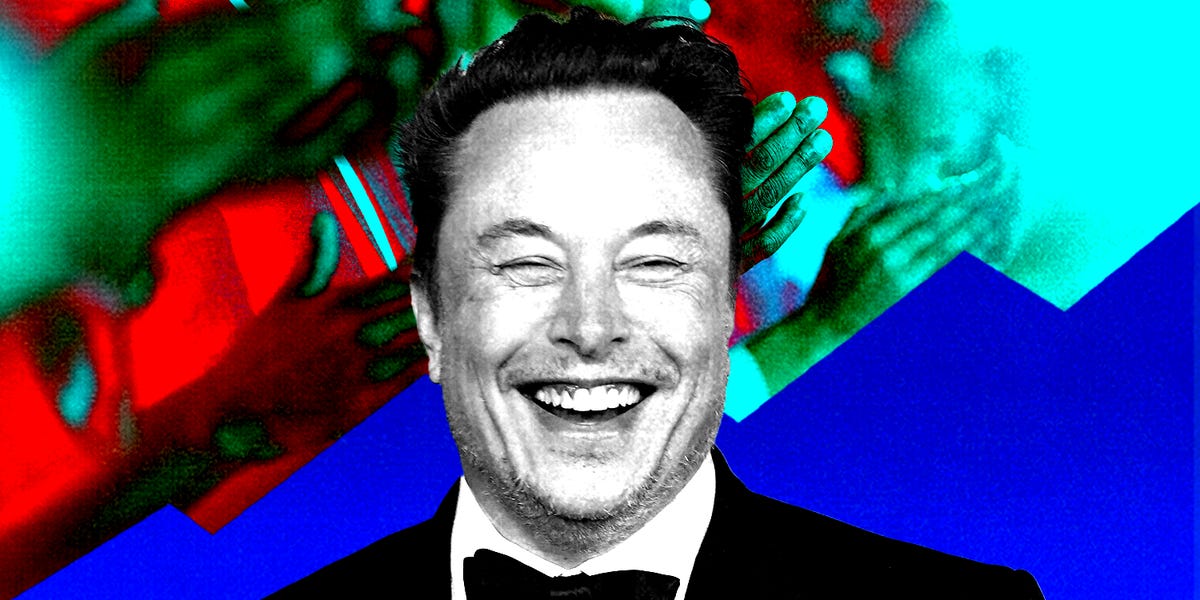
- Wealth Comparison: Representative Katherine Clark highlighted that Elon Musk earns more in a single day than the National Institutes of Health (NIH) spends annually on childhood cancer research, illustrating the stark disparity between the ultra-wealthy and public services, potentially jeopardizing funding for critical health research.
- Policy Impact: The Trump administration's Fiscal Year 2026 budget proposal slashes NIH funding by up to 40%, approximately $18 billion, with severe cuts threatening pediatric cancer research, intensifying the debate over public dollar allocation.
- Government Efficiency Initiative: Although Musk's association with the Department of Government Efficiency has sparked controversy, he does not hold an official government position; however, his influence is widely blamed for aggressive cuts in public services, particularly in children's health and education.
- Political Struggle: Clark emphasized that Democrats are not against cutting waste but find it cruel to define children's health as waste, highlighting the conflict of interests between the wealthy and ordinary families in policy-making.
Trade with 70% Backtested Accuracy
Stop guessing "Should I Buy TSLA?" and start using high-conviction signals backed by rigorous historical data.
Sign up today to access powerful investing tools and make smarter, data-driven decisions.
Analyst Views on TSLA
Wall Street analysts forecast TSLA stock price to fall
30 Analyst Rating
12 Buy
11 Hold
7 Sell
Hold
Current: 425.300

Low
25.28
Averages
401.93
High
600.00
Current: 425.300
Low
25.28
Averages
401.93
High
600.00
About TSLA
Tesla, Inc. designs, develops, manufactures, sells and leases high-performance fully electric vehicles and energy generation and storage systems, and offers services related to its products. Its segments include automotive, and energy generation and storage. The automotive segment includes the design, development, manufacturing, sales and leasing of high-performance fully electric vehicles, and sales of automotive regulatory credits. It also includes sales of used vehicles, non-warranty maintenance services and collisions, part sales, paid supercharging, insurance services revenue and retail merchandise sales. The energy generation and storage segment include the design, manufacture, installation, sales and leasing of solar energy generation and energy storage products and related services and sales of solar energy systems incentives. Its consumer vehicles include the Model 3, Y, S, X and Cybertruck. Its lithium-ion battery energy storage products include Powerwall and Megapack.
About the author

Emily J. Thompson
Emily J. Thompson, a Chartered Financial Analyst (CFA) with 12 years in investment research, graduated with honors from the Wharton School. Specializing in industrial and technology stocks, she provides in-depth analysis for Intellectia’s earnings and market brief reports.
Tesla Q2 Deliveries Surge, Stock Price Outlook Improves

- Delivery Growth: Tesla delivered 480,126 vehicles in Q2, marking a 25% year-over-year increase, while energy deployments rose by 41%, indicating strong performance in the EV market that could drive stock price recovery.
- Analyst Upgrades: Morgan Stanley maintained an 'Equal Weight' rating with a $415 price target, suggesting a 6% upside, while Morningstar raised its fair value estimate from $425 to $450, reflecting optimistic market sentiment regarding Tesla's future growth.
- AI-Driven Growth: Morningstar noted that Tesla's full self-driving software is beginning to receive approvals in multiple European countries, which is expected to support delivery growth in Europe and potentially enhance automotive gross profit margins, further solidifying its market position.
- Retail Sentiment Optimistic: According to Stocktwits, retail sentiment for Tesla is 'bullish', indicating that despite mixed interpretations of the delivery data, overall sentiment supports a rebound in stock price.
See More
Increased Likelihood of Tesla-SpaceX Merger
- Merger Likelihood Increase: Wedbush analyst Dan Ives estimates an over 80% chance of a merger between Tesla and SpaceX, indicating their complementary roles in AI and data strategy, which could provide new growth avenues for Tesla.
- Significant Financial Impact: SpaceX's revenue reached $18.7 billion in 2025, with Starlink contributing approximately $11.4 billion; a successful merger could add a stable recurring revenue stream for Tesla, enhancing overall financial performance.
- Technological Synergy: Tesla and SpaceX's plans to build two advanced chip factories in Texas highlight their close collaboration in technology development, and a merger could lead to more efficient resource allocation and technology sharing post-deal.
- Risks and Challenges: While a merger could yield synergies, SpaceX's high valuation and ongoing losses may pressure Tesla shareholders, necessitating careful attention to governance structures and financial transparency post-merger.
See More
Tesla Expands Robotaxi Service to Miami, Competing with Waymo
- Service Expansion: Tesla expanded its Robotaxi service to Miami on Sunday, marking a significant step in the company's rollout of autonomous ride-hailing services, although operations are currently limited to a small section of the city's western and central areas, excluding downtown Miami and Miami Beach.
- Market Competition: This expansion places Tesla in more direct competition with Waymo, owned by Alphabet, which has already established autonomous ride-hailing operations in several U.S. cities, including parts of Miami, highlighting Tesla's ambitions in the autonomous driving sector.
- Technology Foundation: Tesla's Robotaxi network operates using its Full Self-Driving software and a fleet of Model Y vehicles, which not only enhances the reliability of the service but also lays a solid foundation for future business growth in the autonomous mobility space.
- Delivery Records: The Miami Robotaxi expansion follows Tesla's record Q2 deliveries of 480,126 vehicles, underscoring the company's commitment to transitioning beyond electric vehicle manufacturing into autonomous mobility services.
See More

Second Quarter Earnings Season Begins, Market Focus on Five Major Companies


- Airline Consumer Trends: Delta Air Lines will report earnings on July 10, with market focus on consumer spending on travel; having exceeded profit forecasts for four consecutive quarters, management's insights on summer demand and corporate travel will influence subsequent consumer-facing companies.
- Financial Health Indicators: JPMorgan Chase, reporting on July 14, will provide insights into credit quality and loan demand; as the largest U.S. bank, its commentary on loan losses and capital market activities will significantly impact regional banks and insurers.
- Streaming Market Competition: Netflix is set to report on July 16, with attention on whether its price increases and advertising growth are sustainable; its results will set a benchmark for other large-cap tech companies reporting later in the month.
- Chip Demand Outlook: Taiwan Semiconductor will also report on July 16, with results directly reflecting changes in AI chip demand; a confident forecast could alleviate market concerns over chip stocks, while a cautious outlook may exacerbate them.
See More

Second Quarter Earnings Season Kicks Off
- Consumer Spending Signal: Delta Air Lines is set to report earnings on July 10, with market focus on whether it can continue to reflect consumer spending on travel; after exceeding profit forecasts for four consecutive quarters, management's outlook on summer demand and corporate travel will significantly impact subsequent consumer-facing companies.
- Financial Health Indicator: JPMorgan Chase will report on July 14, and as the largest bank in the U.S., its results will provide crucial data on credit quality and loan demand, with management's comments on loan losses and capital market activity likely influencing regional banks and insurers that have yet to report.
- Streaming Competition Pressure: Netflix is scheduled to report on July 16, and the market will be keen to see if its price increases and advertising growth can still hold up amid intensifying competition; its results will set a benchmark for other large-cap tech companies reporting later in the month.
- Chip Demand Outlook: Taiwan Semiconductor will also report on July 16, and its outlook on AI chip demand will directly affect market sentiment; an optimistic forecast could calm recent chip stock volatility, while a cautious outlook may exacerbate market unease.
See More
Meta and Alibaba Face Regulatory Challenges Amid AI Investments


- Meta Legal Pressure: Meta faces legal scrutiny in the U.S. as a federal judge allows a lawsuit regarding Facebook and Instagram's addictive design to proceed, while the Indian government raises concerns over potential cybercrime risks from introducing usernames on WhatsApp, although Meta's stock rose over 3% during the holiday-shortened week.
- Alibaba AI Policy Shift: Alibaba has decided to stop employees from using Anthropic's Claude Code in favor of its in-house AI coding tool Qoder, reflecting a focus on security concerns, while also settling a $600 million case with the U.S. Department of Justice over illegal pharmaceutical sales through Alibaba.com, resulting in a 0.6% stock gain.
- Tesla Strong Deliveries: Tesla reported second-quarter deliveries of 480,126 vehicles, a 25% increase year-over-year and above Wall Street estimates, primarily driven by Model 3 and Model Y sales, yet the stock fell 4% over the week, indicating market caution regarding future performance.
- Rocket Lab Acquisition Plans: Rocket Lab plans to acquire Iridium Communications in an $8 billion cash-and-stock deal to create a fully integrated space company, combining rocket launches with satellite manufacturing to expand into satellite internet and direct-to-device communications, leading to a stock gain of over 2% in the week.
See More
Tesla Q2 Deliveries Surge, Stock Price Outlook Improves
- Delivery Growth: Tesla delivered 480,126 vehicles in Q2, marking a 25% year-over-year increase, while energy deployments rose by 41%, indicating strong performance in the EV market that could drive stock price recovery.
- Analyst Upgrades: Morgan Stanley maintained an 'Equal Weight' rating with a $415 price target, suggesting a 6% upside, while Morningstar raised its fair value estimate from $425 to $450, reflecting optimistic market sentiment regarding Tesla's future growth.
- AI-Driven Growth: Morningstar noted that Tesla's full self-driving software is beginning to receive approvals in multiple European countries, which is expected to support delivery growth in Europe and potentially enhance automotive gross profit margins, further solidifying its market position.
- Retail Sentiment Optimistic: According to Stocktwits, retail sentiment for Tesla is 'bullish', indicating that despite mixed interpretations of the delivery data, overall sentiment supports a rebound in stock price.
See More
Increased Likelihood of Tesla-SpaceX Merger
- Merger Likelihood Increase: Wedbush analyst Dan Ives estimates an over 80% chance of a merger between Tesla and SpaceX, indicating their complementary roles in AI and data strategy, which could provide new growth avenues for Tesla.
- Significant Financial Impact: SpaceX's revenue reached $18.7 billion in 2025, with Starlink contributing approximately $11.4 billion; a successful merger could add a stable recurring revenue stream for Tesla, enhancing overall financial performance.
- Technological Synergy: Tesla and SpaceX's plans to build two advanced chip factories in Texas highlight their close collaboration in technology development, and a merger could lead to more efficient resource allocation and technology sharing post-deal.
- Risks and Challenges: While a merger could yield synergies, SpaceX's high valuation and ongoing losses may pressure Tesla shareholders, necessitating careful attention to governance structures and financial transparency post-merger.
See More
Tesla Expands Robotaxi Service to Miami, Competing with Waymo
- Service Expansion: Tesla expanded its Robotaxi service to Miami on Sunday, marking a significant step in the company's rollout of autonomous ride-hailing services, although operations are currently limited to a small section of the city's western and central areas, excluding downtown Miami and Miami Beach.
- Market Competition: This expansion places Tesla in more direct competition with Waymo, owned by Alphabet, which has already established autonomous ride-hailing operations in several U.S. cities, including parts of Miami, highlighting Tesla's ambitions in the autonomous driving sector.
- Technology Foundation: Tesla's Robotaxi network operates using its Full Self-Driving software and a fleet of Model Y vehicles, which not only enhances the reliability of the service but also lays a solid foundation for future business growth in the autonomous mobility space.
- Delivery Records: The Miami Robotaxi expansion follows Tesla's record Q2 deliveries of 480,126 vehicles, underscoring the company's commitment to transitioning beyond electric vehicle manufacturing into autonomous mobility services.
See More
Second Quarter Earnings Season Begins, Market Focus on Five Major Companies
- Airline Consumer Trends: Delta Air Lines will report earnings on July 10, with market focus on consumer spending on travel; having exceeded profit forecasts for four consecutive quarters, management's insights on summer demand and corporate travel will influence subsequent consumer-facing companies.
- Financial Health Indicators: JPMorgan Chase, reporting on July 14, will provide insights into credit quality and loan demand; as the largest U.S. bank, its commentary on loan losses and capital market activities will significantly impact regional banks and insurers.
- Streaming Market Competition: Netflix is set to report on July 16, with attention on whether its price increases and advertising growth are sustainable; its results will set a benchmark for other large-cap tech companies reporting later in the month.
- Chip Demand Outlook: Taiwan Semiconductor will also report on July 16, with results directly reflecting changes in AI chip demand; a confident forecast could alleviate market concerns over chip stocks, while a cautious outlook may exacerbate them.
See More
Second Quarter Earnings Season Kicks Off
- Consumer Spending Signal: Delta Air Lines is set to report earnings on July 10, with market focus on whether it can continue to reflect consumer spending on travel; after exceeding profit forecasts for four consecutive quarters, management's outlook on summer demand and corporate travel will significantly impact subsequent consumer-facing companies.
- Financial Health Indicator: JPMorgan Chase will report on July 14, and as the largest bank in the U.S., its results will provide crucial data on credit quality and loan demand, with management's comments on loan losses and capital market activity likely influencing regional banks and insurers that have yet to report.
- Streaming Competition Pressure: Netflix is scheduled to report on July 16, and the market will be keen to see if its price increases and advertising growth can still hold up amid intensifying competition; its results will set a benchmark for other large-cap tech companies reporting later in the month.
- Chip Demand Outlook: Taiwan Semiconductor will also report on July 16, and its outlook on AI chip demand will directly affect market sentiment; an optimistic forecast could calm recent chip stock volatility, while a cautious outlook may exacerbate market unease.
See More
Meta and Alibaba Face Regulatory Challenges Amid AI Investments
- Meta Legal Pressure: Meta faces legal scrutiny in the U.S. as a federal judge allows a lawsuit regarding Facebook and Instagram's addictive design to proceed, while the Indian government raises concerns over potential cybercrime risks from introducing usernames on WhatsApp, although Meta's stock rose over 3% during the holiday-shortened week.
- Alibaba AI Policy Shift: Alibaba has decided to stop employees from using Anthropic's Claude Code in favor of its in-house AI coding tool Qoder, reflecting a focus on security concerns, while also settling a $600 million case with the U.S. Department of Justice over illegal pharmaceutical sales through Alibaba.com, resulting in a 0.6% stock gain.
- Tesla Strong Deliveries: Tesla reported second-quarter deliveries of 480,126 vehicles, a 25% increase year-over-year and above Wall Street estimates, primarily driven by Model 3 and Model Y sales, yet the stock fell 4% over the week, indicating market caution regarding future performance.
- Rocket Lab Acquisition Plans: Rocket Lab plans to acquire Iridium Communications in an $8 billion cash-and-stock deal to create a fully integrated space company, combining rocket launches with satellite manufacturing to expand into satellite internet and direct-to-device communications, leading to a stock gain of over 2% in the week.
See More