Eli Lilly Faces Challenges Amid GLP-1 Drug Success
Written by Emily J. Thompson, Senior Investment Analyst
Updated: Mar 03 2026
0mins

Source: Fool
- Sales Growth Dependency: Eli Lilly's Mounjaro and Zepbound drugs achieved impressive sales growth of 99% and 175% in 2025, respectively, yet these two drugs account for nearly 45% of the company's total sales, raising concerns about the sustainability of such growth.
- Overvaluation Concerns: Despite the strong performance of Eli Lilly's drugs, its stock price has surged to a price-to-earnings ratio of 44, with a meager dividend yield of 0.6%, indicating that the market's expectations for future growth may be overly optimistic.
- Competitors' Opportunities: GLP-1 competitors Novo Nordisk and Pfizer offer more attractive investment profiles with dividend yields of 4.57% and 6.31%, respectively, and price-to-earnings ratios of 10 and 20, especially as Eli Lilly faces risks from patent expirations.
- Intensifying Industry Competition: While Eli Lilly's success in the GLP-1 space is notable, it may overshadow the risks it faces; as competition intensifies, the strong historical performance of Novo Nordisk and Pfizer could enable them to rebound in the market, presenting new opportunities for investors.
Trade with 70% Backtested Accuracy
Stop guessing "Should I Buy LLY?" and start using high-conviction signals backed by rigorous historical data.
Sign up today to access powerful investing tools and make smarter, data-driven decisions.
Analyst Views on LLY
Wall Street analysts forecast LLY stock price to rise
20 Analyst Rating
18 Buy
2 Hold
0 Sell
Strong Buy
Current: 1082.200

Low
950.00
Averages
1192
High
1500
Current: 1082.200
Low
950.00
Averages
1192
High
1500
About LLY
Eli Lilly and Company is a medicine company, which discovers, develops, manufactures, and market products in a single business segment called human pharmaceutical products. The Company manufacture and distribute its products through facilities in the United States, including Puerto Rico, and in Europe and Asia. The Company’s products are sold in approximately 90 countries. Its Cardiometabolic Health products Basaglar; Humalog, Humalog Mix 75/25, Humalog U-100, Humalog U-200, Humalog Mix 50/50, insulin lispro, and others; Humulin, Humulin 70/30, and others; Jardiance; Mounjaro; Trulicity; Zepbound, and others. Its oncology products include Cyramza, Erbitux, Tyvyt, Verzenio, Retevmo, Jaypirca, and others. Its immunology products include Ebglyss, Olumiant, Omvoh, and Taltz. Its neuroscience products include Emgality and Kisunla. Its LillyDirect, a direct-to-patient digital health care platform, provides delivery of select Lilly medicines dispensed by third-party pharmacies to patients.
About the author

Emily J. Thompson
Emily J. Thompson, a Chartered Financial Analyst (CFA) with 12 years in investment research, graduated with honors from the Wharton School. Specializing in industrial and technology stocks, she provides in-depth analysis for Intellectia’s earnings and market brief reports.

Eli Lilly's Foundayo Drug Boosts Stock Price

- Strong Stock Performance: Eli Lilly's stock has surged over 18% since April 30, significantly outperforming the S&P 500's 5% increase, indicating strong market confidence in the company's financial results.
- New Drug Launch: The FDA approval of Foundayo as the first oral weight loss pill is expected to attract more patients, particularly due to its convenience compared to the injectable Zepbound, enhancing its market appeal.
- Sales Growth Potential: Although Foundayo is just starting its commercial journey, CEO David Ricks expressed optimism about its uptake, suggesting that prescriptions and sales may exceed internal expectations, akin to Zepbound's impressive 80% year-over-year sales growth to nearly $4.2 billion in Q1 2023.
- Market Expansion Strategy: Eli Lilly is not only focusing on weight loss drugs but also announced the acquisition of three private vaccine developers at the end of May, demonstrating its commitment to expanding across multiple therapeutic areas and solidifying its leadership in the pharmaceutical industry.
See More

JPMorgan Updates June Investment Recommendations
- Strong Market Performance: U.S. stocks closed May at record highs, with the Nasdaq Composite rising over 8%, the S&P 500 up 5%, and the Dow Jones Industrial Average increasing by 3%, indicating robust performance from technology stocks and reflecting heightened investor confidence in the market.
- Diverse Investment Strategies: JPMorgan compiles its top picks each month across various investment strategies, including growth, income, value, and shorts, ensuring that its investment ideas differ from fundamental ratings to cater to diverse investor needs.
- New Recommendation for Viasat: Viasat, a global provider of high-speed satellite broadband, has been added to JPMorgan's recommendations; despite its stock soaring over 730% in the past year, it dropped 16% in the last two days after filing a shelf registration to sell stock or debt, indicating market uncertainty about its future performance.
- Eli Lilly's Market Dominance: Eli Lilly's renewed focus on vaccines and infectious disease treatments, along with CVS Health restoring coverage for its weight-loss injection Zepbound, further solidifies its market dominance, with its stock hitting an all-time high last Thursday, trading approximately 73% above last August's 52-week low.
See More

Investment Case for Viking Therapeutics' VK2735 Weight-Loss Drug Development
- Clinical Trial Progress: Viking Therapeutics' VK2735 is undergoing a Phase 1 maintenance clinical trial involving approximately 180 participants, with results expected in Q3 this year, which could significantly influence investor perceptions of the stock.
- Comparative Efficacy Advantage: VK2735 demonstrated a 12.2% mean weight loss in the Phase 2 Venture oral trial after 13 weeks, suggesting potential superiority over Novo Nordisk's Wegovy, which achieved 16.6% weight loss over 64 weeks, indicating VK2735's oral formulation may be more effective.
- Safety and Tolerability Considerations: Despite VK2735's promising weight loss results, a 20% discontinuation rate due to adverse events in the Phase 2 trial highlights the need for further validation of safety and tolerability to bolster confidence in Phase 3 trials.
- Market Competitive Outlook: Should VK2735 demonstrate superior efficacy and safety in upcoming Phase 3 trials compared to Eli Lilly and Novo Nordisk's offerings, Viking could gain a competitive edge by offering a regimen that combines initial subcutaneous dosing followed by oral administration, potentially driving stock price increases.
See More
Eli Lilly to Present New Data at EHA Annual Meeting
- Clinical Trial Results: Eli Lilly will showcase positive results from the Phase 3 BRUIN CLL-322 study at the European Hematology Association meeting, indicating that time-limited pirtobrutinib combined with venetoclax and rituximab significantly improves outcomes for patients with relapsed or refractory CLL/SLL, thereby enhancing the company's competitive position in the hematology market.
- Acquisition Progress: Lilly has agreed to acquire Ajax Therapeutics and Kelonia Therapeutics, with the latter presenting the first clinical data for its first-in-class type II JAK2 inhibitor AJ1-11095 for myelofibrosis patients at the meeting, further enriching Lilly's oncology product line and strengthening its position in blood disease treatments.
- CAR-T Therapy Data: Kelonia Therapeutics will provide additional clinical data on its in vivo CAR-T therapy targeting relapsed multiple myeloma, which will support Lilly's strategic positioning in cell therapy and potentially attract more investor interest.
- Market Outlook: Lilly executives noted that these data represent a significant advancement in the company's hematology ambitions, demonstrating its commitment to providing more effective treatment options for blood disorder patients, which is expected to drive future revenue growth and increase market share.
See More

Eli Lilly to Present New Research Findings at EHA Annual Meeting
- Clinical Trial Results: Eli Lilly will present results from the BRUIN CLL-322 study at the European Hematology Association (EHA) Annual Meeting, demonstrating that the time-limited regimen of pirtobrutinib combined with venetoclax and rituximab significantly improves progression-free survival (PFS) in patients with relapsed or refractory chronic lymphocytic leukemia (CLL), marking a significant advancement in the field.
- Acquisition Plans Progress: The company is advancing its acquisitions of Ajax Therapeutics and Kelonia Therapeutics, both of which will present clinical data at the meeting; Ajax will showcase its first-in-class type II JAK2 inhibitor data, while Kelonia will share results from its CAR-T therapy, further strengthening Lilly's position in hematology.
- Timing of Data Release: The research data being showcased not only garners attention at the EHA meeting but is also included in the EHA press program, reflecting Lilly's ongoing commitment and innovative capabilities in treating blood disorders, which is expected to positively impact its market performance.
- Strategic Implications: By presenting these key research findings, Lilly reinforces its leadership in the hematology sector, likely attracting more investor interest and laying the groundwork for future market expansion and product development.
See More
Eli Lilly Expands Agreement with Camurus for Cardiometabolic Drugs
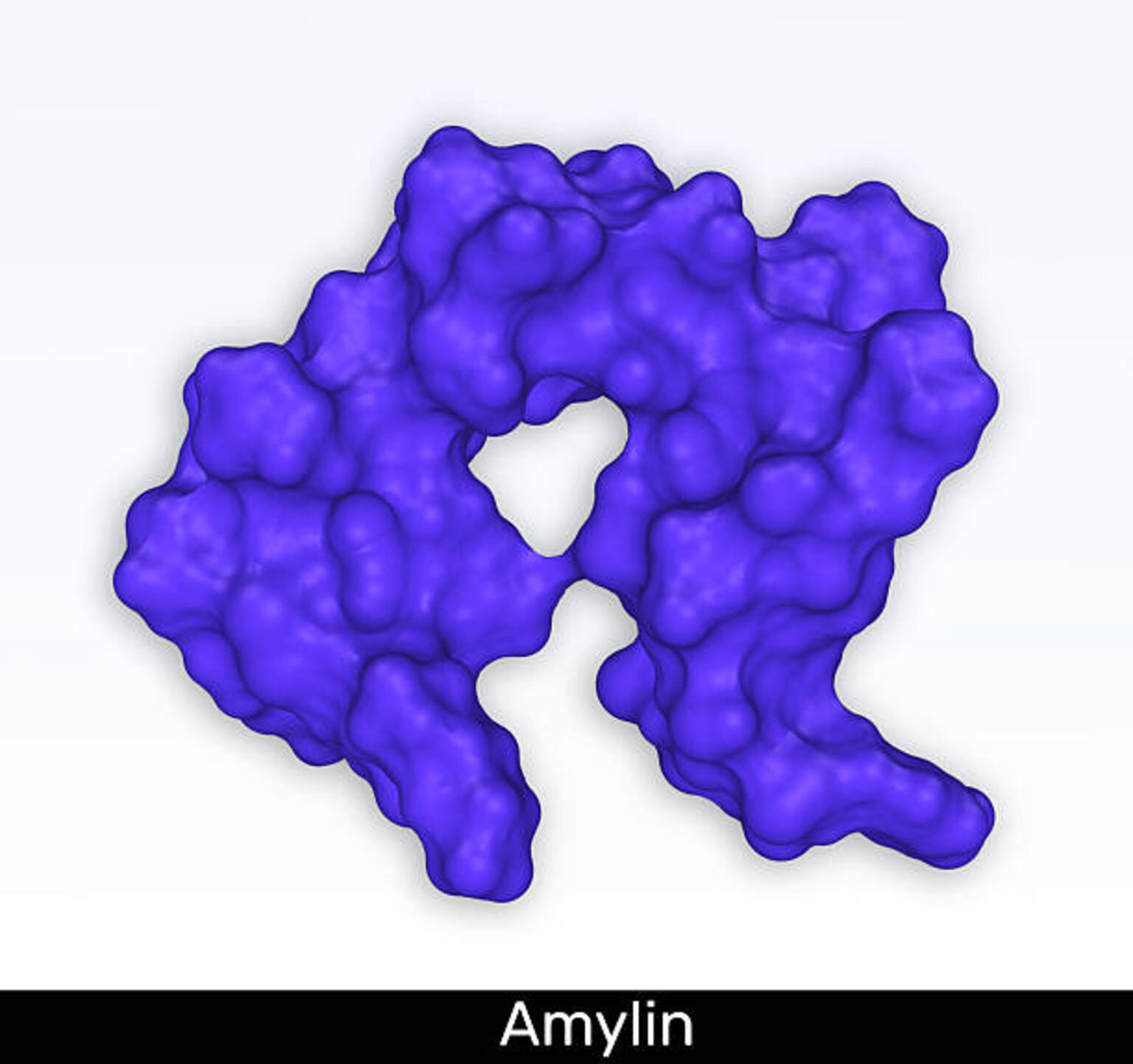
- Agreement Expansion: Eli Lilly has exercised an option to expand its agreement with Camurus, gaining access to the FluidCrystal technology for the development of long-acting amylin receptor agonists, thereby enhancing its competitive edge in the cardiometabolic drug market.
- Financial Terms Defined: The original agreement stipulates that Camurus could receive up to $290 million in upfront development and regulatory milestone payments, along with up to $580 million in sales-based milestone payments, reflecting confidence in the future market potential of their collaboration.
- Additional Payment Triggered: The exercise of this option also triggers a $5 million payment, indicating Lilly's commitment to leveraging Camurus's technology and its strategic importance in new drug development.
- Positive Market Outlook: With the growing demand for cardiometabolic drugs, this collaboration not only aids Lilly's progress in drug development but also potentially provides robust support for future sales growth.
See More
Eli Lilly's Foundayo Drug Boosts Stock Price
- Strong Stock Performance: Eli Lilly's stock has surged over 18% since April 30, significantly outperforming the S&P 500's 5% increase, indicating strong market confidence in the company's financial results.
- New Drug Launch: The FDA approval of Foundayo as the first oral weight loss pill is expected to attract more patients, particularly due to its convenience compared to the injectable Zepbound, enhancing its market appeal.
- Sales Growth Potential: Although Foundayo is just starting its commercial journey, CEO David Ricks expressed optimism about its uptake, suggesting that prescriptions and sales may exceed internal expectations, akin to Zepbound's impressive 80% year-over-year sales growth to nearly $4.2 billion in Q1 2023.
- Market Expansion Strategy: Eli Lilly is not only focusing on weight loss drugs but also announced the acquisition of three private vaccine developers at the end of May, demonstrating its commitment to expanding across multiple therapeutic areas and solidifying its leadership in the pharmaceutical industry.
See More
JPMorgan Updates June Investment Recommendations
- Strong Market Performance: U.S. stocks closed May at record highs, with the Nasdaq Composite rising over 8%, the S&P 500 up 5%, and the Dow Jones Industrial Average increasing by 3%, indicating robust performance from technology stocks and reflecting heightened investor confidence in the market.
- Diverse Investment Strategies: JPMorgan compiles its top picks each month across various investment strategies, including growth, income, value, and shorts, ensuring that its investment ideas differ from fundamental ratings to cater to diverse investor needs.
- New Recommendation for Viasat: Viasat, a global provider of high-speed satellite broadband, has been added to JPMorgan's recommendations; despite its stock soaring over 730% in the past year, it dropped 16% in the last two days after filing a shelf registration to sell stock or debt, indicating market uncertainty about its future performance.
- Eli Lilly's Market Dominance: Eli Lilly's renewed focus on vaccines and infectious disease treatments, along with CVS Health restoring coverage for its weight-loss injection Zepbound, further solidifies its market dominance, with its stock hitting an all-time high last Thursday, trading approximately 73% above last August's 52-week low.
See More
Investment Case for Viking Therapeutics' VK2735 Weight-Loss Drug Development
- Clinical Trial Progress: Viking Therapeutics' VK2735 is undergoing a Phase 1 maintenance clinical trial involving approximately 180 participants, with results expected in Q3 this year, which could significantly influence investor perceptions of the stock.
- Comparative Efficacy Advantage: VK2735 demonstrated a 12.2% mean weight loss in the Phase 2 Venture oral trial after 13 weeks, suggesting potential superiority over Novo Nordisk's Wegovy, which achieved 16.6% weight loss over 64 weeks, indicating VK2735's oral formulation may be more effective.
- Safety and Tolerability Considerations: Despite VK2735's promising weight loss results, a 20% discontinuation rate due to adverse events in the Phase 2 trial highlights the need for further validation of safety and tolerability to bolster confidence in Phase 3 trials.
- Market Competitive Outlook: Should VK2735 demonstrate superior efficacy and safety in upcoming Phase 3 trials compared to Eli Lilly and Novo Nordisk's offerings, Viking could gain a competitive edge by offering a regimen that combines initial subcutaneous dosing followed by oral administration, potentially driving stock price increases.
See More
Eli Lilly to Present New Data at EHA Annual Meeting
- Clinical Trial Results: Eli Lilly will showcase positive results from the Phase 3 BRUIN CLL-322 study at the European Hematology Association meeting, indicating that time-limited pirtobrutinib combined with venetoclax and rituximab significantly improves outcomes for patients with relapsed or refractory CLL/SLL, thereby enhancing the company's competitive position in the hematology market.
- Acquisition Progress: Lilly has agreed to acquire Ajax Therapeutics and Kelonia Therapeutics, with the latter presenting the first clinical data for its first-in-class type II JAK2 inhibitor AJ1-11095 for myelofibrosis patients at the meeting, further enriching Lilly's oncology product line and strengthening its position in blood disease treatments.
- CAR-T Therapy Data: Kelonia Therapeutics will provide additional clinical data on its in vivo CAR-T therapy targeting relapsed multiple myeloma, which will support Lilly's strategic positioning in cell therapy and potentially attract more investor interest.
- Market Outlook: Lilly executives noted that these data represent a significant advancement in the company's hematology ambitions, demonstrating its commitment to providing more effective treatment options for blood disorder patients, which is expected to drive future revenue growth and increase market share.
See More
Eli Lilly to Present New Research Findings at EHA Annual Meeting
- Clinical Trial Results: Eli Lilly will present results from the BRUIN CLL-322 study at the European Hematology Association (EHA) Annual Meeting, demonstrating that the time-limited regimen of pirtobrutinib combined with venetoclax and rituximab significantly improves progression-free survival (PFS) in patients with relapsed or refractory chronic lymphocytic leukemia (CLL), marking a significant advancement in the field.
- Acquisition Plans Progress: The company is advancing its acquisitions of Ajax Therapeutics and Kelonia Therapeutics, both of which will present clinical data at the meeting; Ajax will showcase its first-in-class type II JAK2 inhibitor data, while Kelonia will share results from its CAR-T therapy, further strengthening Lilly's position in hematology.
- Timing of Data Release: The research data being showcased not only garners attention at the EHA meeting but is also included in the EHA press program, reflecting Lilly's ongoing commitment and innovative capabilities in treating blood disorders, which is expected to positively impact its market performance.
- Strategic Implications: By presenting these key research findings, Lilly reinforces its leadership in the hematology sector, likely attracting more investor interest and laying the groundwork for future market expansion and product development.
See More
Eli Lilly Expands Agreement with Camurus for Cardiometabolic Drugs
- Agreement Expansion: Eli Lilly has exercised an option to expand its agreement with Camurus, gaining access to the FluidCrystal technology for the development of long-acting amylin receptor agonists, thereby enhancing its competitive edge in the cardiometabolic drug market.
- Financial Terms Defined: The original agreement stipulates that Camurus could receive up to $290 million in upfront development and regulatory milestone payments, along with up to $580 million in sales-based milestone payments, reflecting confidence in the future market potential of their collaboration.
- Additional Payment Triggered: The exercise of this option also triggers a $5 million payment, indicating Lilly's commitment to leveraging Camurus's technology and its strategic importance in new drug development.
- Positive Market Outlook: With the growing demand for cardiometabolic drugs, this collaboration not only aids Lilly's progress in drug development but also potentially provides robust support for future sales growth.
See More