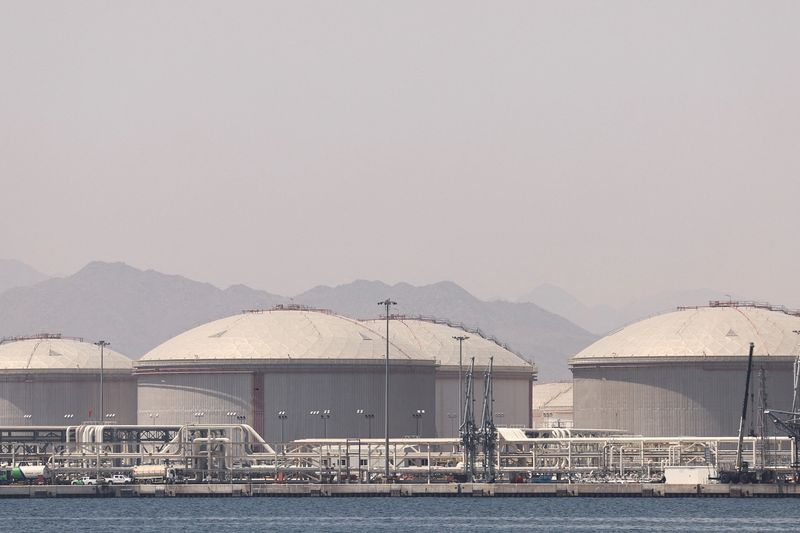
Dublin Data Center First to Use Independent Microgrid in Europe
Written by Emily J. Thompson, Senior Investment Analyst
Updated: Mar 11 2026
0mins


Source: CNBC
- Microgrid Innovation: The Dublin facility, a collaboration between AVK and Pure Data Centre Group, establishes Europe's first independent microgrid data center with an estimated total investment of €1 billion, aimed at addressing power connection delays and promoting sustainable development in data centers.
- Rising Energy Demand: The European Commission estimates that by 2040, at least €1.2 trillion will be needed to meet growing energy demands, with data centers consuming 22% of Ireland's power in 2024, highlighting their pressure on the national grid.
- Policy Changes Impact: The Irish government has eased the moratorium on new data center applications, mandating that new facilities provide dispatchable power or energy storage capacity, which promotes the adoption of microgrids and reflects a reassessment of the AI industry's potential.
- Market Growth Potential: The global microgrid market is projected to reach $29 billion by 2025, with Europe's market expected to grow nearly 10% annually, providing new investment opportunities for companies like AVK and driving technological advancements in the data center sector.
Trade with 70% Backtested Accuracy
Stop guessing "Should I Buy NEE?" and start using high-conviction signals backed by rigorous historical data.
Sign up today to access powerful investing tools and make smarter, data-driven decisions.
Analyst Views on NEE
Wall Street analysts forecast NEE stock price to rise
16 Analyst Rating
12 Buy
4 Hold
0 Sell
Strong Buy
Current: 89.690

Low
84.00
Averages
92.50
High
100.00
Current: 89.690
Low
84.00
Averages
92.50
High
100.00
About NEE
NextEra Energy, Inc. is an electric power and energy infrastructure company. It operates through its wholly owned subsidiaries, NextEra Energy Resources, LLC and NextEra Energy Transmission, LLC (collectively, NEER) and Florida Power & Light Company (FPL). Its segments include NEER and FPL. FPL segment is a rate-regulated electric utility engaged in the generation, transmission, distribution and sale of electric energy in Florida. FPL has approximately 35,052 megawatts of net generating capacity, over 91,000 circuit miles of transmission and distribution lines and 921 substations. The NEER segment owns, develops, constructs, manages and operates electric generation facilities in wholesale energy markets in the United States and Canada and includes assets and investments in other businesses with a clean energy focus, such as battery storage, natural gas pipelines, and renewable fuels. It owns, develops, constructs and operates rate-regulated transmission facilities in North America.
About the author

Emily J. Thompson
Emily J. Thompson, a Chartered Financial Analyst (CFA) with 12 years in investment research, graduated with honors from the Wharton School. Specializing in industrial and technology stocks, she provides in-depth analysis for Intellectia’s earnings and market brief reports.

NextEra and Dominion Merge Amid Rising Electricity Demand

- Merger Overview: NextEra Energy has agreed to merge with Dominion Energy, valued at nearly $60 billion, resulting in NextEra shareholders owning approximately 75% of the combined entity, with an expected enterprise value of $420 billion, further solidifying its position as the world's largest utility.
- Shareholder Benefits: Dominion shareholders will receive 0.8138 shares of NextEra for each Dominion share held, along with a one-time cash payment of $360 million, ensuring that shareholders continue to enjoy a stable dividend policy post-merger, appealing to income investors.
- Electricity Demand Surge: Electricity demand is projected to increase by 60% from 2025 to 2045, driven by factors such as data centers, artificial intelligence, and electric vehicles, positioning NextEra to better meet future energy needs and enhance market competitiveness through this merger.
- Regulatory Approval Challenges: NextEra anticipates that the merger will take 12 to 18 months to secure approvals from state and federal regulators, and while there are risks involved, it is expected that regulators will impose requirements to protect consumers, making the success of the merger critical for NextEra's long-term growth potential.
See More

NextEra Energy Merges with Dominion Energy, Expanding Utility Dominance
- Massive Merger Scale: NextEra Energy's merger with Dominion Energy, valued at nearly $60 billion, is expected to create a combined entity with an enterprise value of $420 billion and a market cap of around $250 billion, further solidifying its position as the world's largest utility.
- Shareholder Benefit Assurance: Dominion Energy shareholders will receive 0.8138 shares of NextEra Energy for each share they own, along with a one-time cash payment of $360 million, ensuring that shareholder interests are protected during the merger process.
- Electricity Demand Growth: Electricity demand is projected to increase by 60% from 2025 to 2045, driven by factors such as data centers, artificial intelligence, and electric vehicles, positioning NextEra Energy to better meet future electricity needs and enhance its competitive edge.
- Regulatory Approval Challenges: The merger is expected to take 12 to 18 months to secure approvals from state and federal regulators, and while there are regulatory risks, NextEra Energy's growth rate is anticipated to slightly increase post-merger, enhancing the reliability and diversity of its business.
See More

Warren Buffett's Long-Term Investment Advice

- AbbVie's Strong Growth: AbbVie (ABBV), a leading pharmaceutical company, boasts multiple blockbuster drugs and strong growth potential, particularly with its autoimmune drugs Skyrizi and Rinvoq, which are expected to drive sustained growth over the next decade; despite Humira losing patent protection, the company has maintained stability through R&D investments and strategic acquisitions.
- Enterprise Products Partners' Stable Returns: Enterprise Products Partners (EPD) is a key player in the North American midstream energy market, operating over 50,000 miles of pipelines with a distribution yield of 5.5%, having increased its distribution for 27 consecutive years, demonstrating resilience and stability in a volatile energy sector.
- NextEra Energy's Renewable Leadership: NextEra Energy (NEE), the largest utility company globally, anticipates a 10% dividend increase this year, aiming for an 8% annual growth in adjusted earnings per share by 2035, showcasing its strong potential in renewable energy and battery storage.
- AI-Driven Market Opportunities: Both Enterprise Products Partners and NextEra Energy are poised to benefit from the increasing demand for natural gas and renewable energy driven by the growing need for power in data centers, with NextEra's planned $66.8 billion acquisition of Dominion Energy further solidifying its position in rapidly expanding markets.
See More

AbbVie and Two Dividend Kings Show Strong Prospects
- AbbVie's Growth Potential: AbbVie (NYSE: ABBV), a leading pharmaceutical company, boasts multiple blockbuster drugs and has around 60 programs in mid-to-late stage clinical trials, indicating strong growth prospects over the next decade, particularly with its autoimmune disease drugs Skyrizi and Rinvoq.
- Enterprise Products Partners' Stable Returns: Enterprise Products Partners (NYSE: EPD) is a top player in the North American midstream energy market, operating over 50,000 miles of pipelines with a distribution yield of 5.5%, having increased its distribution for 27 consecutive years, showcasing robust cash flow resilience and expected growth from rising natural gas demand.
- NextEra Energy's Acquisition Plans: As the largest utility company globally, NextEra Energy (NYSE: NEE) plans to acquire Dominion Energy for approximately $66.8 billion, which is expected to strengthen its leadership in renewable energy and battery storage, with dividends projected to grow by about 10% this year.
- AI-Driven Market Opportunities: With the increasing demand for power from data centers, both AbbVie and Enterprise Products Partners are poised to benefit from the AI technology boom, which is expected to drive business growth and enhance their competitive positions in the market.
See More

NextEra Energy Declares Quarterly Dividend of $0.6232 per Share
- Quarterly Dividend Announcement: NextEra Energy declares a quarterly dividend of $0.6232 per share, consistent with previous distributions, indicating the company's stable cash flow and profitability, which is likely to attract more investor interest.
- Dividend Yield: The forward yield of 2.78% reflects the company's competitiveness in the current market environment, potentially boosting shareholder confidence and enhancing stock performance.
- Payment Schedule: The dividend is payable on June 15, with a record date of June 5 and an ex-dividend date also on June 5, providing shareholders with a clear timeline that aids in financial planning.
- Market Reaction Expectations: NextEra Energy's dividend policy complements its acquisition of Caliber Resource Partners, which is expected to further enhance the company's market position and energy affordability, strengthening its leadership in the renewable energy sector.
See More
NextEra Energy Declares Quarterly Dividend of $0.6232
- Quarterly Dividend Announcement: NextEra Energy's board declared a quarterly common stock dividend of $0.6232 per share, payable on June 15, 2026, to shareholders of record on June 5, demonstrating the company's commitment to returning value to its shareholders.
- Company Overview: As the largest electric power and energy infrastructure company in North America, NextEra Energy, through its subsidiary Florida Power & Light, provides reliable electricity to approximately 12 million people, solidifying its leadership position in the U.S. electricity market.
- Diverse Energy Portfolio: NextEra Energy meets America's growing energy needs with a diverse mix of energy sources, including natural gas, nuclear, renewable energy, and battery storage, showcasing its strategic focus on sustainability.
- Market Impact: The dividend announcement not only reflects the company's robust financial health but may also attract more investor interest, further enhancing its competitive position in the energy sector.
See More
NextEra and Dominion Merge Amid Rising Electricity Demand
- Merger Overview: NextEra Energy has agreed to merge with Dominion Energy, valued at nearly $60 billion, resulting in NextEra shareholders owning approximately 75% of the combined entity, with an expected enterprise value of $420 billion, further solidifying its position as the world's largest utility.
- Shareholder Benefits: Dominion shareholders will receive 0.8138 shares of NextEra for each Dominion share held, along with a one-time cash payment of $360 million, ensuring that shareholders continue to enjoy a stable dividend policy post-merger, appealing to income investors.
- Electricity Demand Surge: Electricity demand is projected to increase by 60% from 2025 to 2045, driven by factors such as data centers, artificial intelligence, and electric vehicles, positioning NextEra to better meet future energy needs and enhance market competitiveness through this merger.
- Regulatory Approval Challenges: NextEra anticipates that the merger will take 12 to 18 months to secure approvals from state and federal regulators, and while there are risks involved, it is expected that regulators will impose requirements to protect consumers, making the success of the merger critical for NextEra's long-term growth potential.
See More
NextEra Energy Merges with Dominion Energy, Expanding Utility Dominance
- Massive Merger Scale: NextEra Energy's merger with Dominion Energy, valued at nearly $60 billion, is expected to create a combined entity with an enterprise value of $420 billion and a market cap of around $250 billion, further solidifying its position as the world's largest utility.
- Shareholder Benefit Assurance: Dominion Energy shareholders will receive 0.8138 shares of NextEra Energy for each share they own, along with a one-time cash payment of $360 million, ensuring that shareholder interests are protected during the merger process.
- Electricity Demand Growth: Electricity demand is projected to increase by 60% from 2025 to 2045, driven by factors such as data centers, artificial intelligence, and electric vehicles, positioning NextEra Energy to better meet future electricity needs and enhance its competitive edge.
- Regulatory Approval Challenges: The merger is expected to take 12 to 18 months to secure approvals from state and federal regulators, and while there are regulatory risks, NextEra Energy's growth rate is anticipated to slightly increase post-merger, enhancing the reliability and diversity of its business.
See More
Warren Buffett's Long-Term Investment Advice
- AbbVie's Strong Growth: AbbVie (ABBV), a leading pharmaceutical company, boasts multiple blockbuster drugs and strong growth potential, particularly with its autoimmune drugs Skyrizi and Rinvoq, which are expected to drive sustained growth over the next decade; despite Humira losing patent protection, the company has maintained stability through R&D investments and strategic acquisitions.
- Enterprise Products Partners' Stable Returns: Enterprise Products Partners (EPD) is a key player in the North American midstream energy market, operating over 50,000 miles of pipelines with a distribution yield of 5.5%, having increased its distribution for 27 consecutive years, demonstrating resilience and stability in a volatile energy sector.
- NextEra Energy's Renewable Leadership: NextEra Energy (NEE), the largest utility company globally, anticipates a 10% dividend increase this year, aiming for an 8% annual growth in adjusted earnings per share by 2035, showcasing its strong potential in renewable energy and battery storage.
- AI-Driven Market Opportunities: Both Enterprise Products Partners and NextEra Energy are poised to benefit from the increasing demand for natural gas and renewable energy driven by the growing need for power in data centers, with NextEra's planned $66.8 billion acquisition of Dominion Energy further solidifying its position in rapidly expanding markets.
See More
AbbVie and Two Dividend Kings Show Strong Prospects
- AbbVie's Growth Potential: AbbVie (NYSE: ABBV), a leading pharmaceutical company, boasts multiple blockbuster drugs and has around 60 programs in mid-to-late stage clinical trials, indicating strong growth prospects over the next decade, particularly with its autoimmune disease drugs Skyrizi and Rinvoq.
- Enterprise Products Partners' Stable Returns: Enterprise Products Partners (NYSE: EPD) is a top player in the North American midstream energy market, operating over 50,000 miles of pipelines with a distribution yield of 5.5%, having increased its distribution for 27 consecutive years, showcasing robust cash flow resilience and expected growth from rising natural gas demand.
- NextEra Energy's Acquisition Plans: As the largest utility company globally, NextEra Energy (NYSE: NEE) plans to acquire Dominion Energy for approximately $66.8 billion, which is expected to strengthen its leadership in renewable energy and battery storage, with dividends projected to grow by about 10% this year.
- AI-Driven Market Opportunities: With the increasing demand for power from data centers, both AbbVie and Enterprise Products Partners are poised to benefit from the AI technology boom, which is expected to drive business growth and enhance their competitive positions in the market.
See More
NextEra Energy Declares Quarterly Dividend of $0.6232 per Share
- Quarterly Dividend Announcement: NextEra Energy declares a quarterly dividend of $0.6232 per share, consistent with previous distributions, indicating the company's stable cash flow and profitability, which is likely to attract more investor interest.
- Dividend Yield: The forward yield of 2.78% reflects the company's competitiveness in the current market environment, potentially boosting shareholder confidence and enhancing stock performance.
- Payment Schedule: The dividend is payable on June 15, with a record date of June 5 and an ex-dividend date also on June 5, providing shareholders with a clear timeline that aids in financial planning.
- Market Reaction Expectations: NextEra Energy's dividend policy complements its acquisition of Caliber Resource Partners, which is expected to further enhance the company's market position and energy affordability, strengthening its leadership in the renewable energy sector.
See More
NextEra Energy Declares Quarterly Dividend of $0.6232
- Quarterly Dividend Announcement: NextEra Energy's board declared a quarterly common stock dividend of $0.6232 per share, payable on June 15, 2026, to shareholders of record on June 5, demonstrating the company's commitment to returning value to its shareholders.
- Company Overview: As the largest electric power and energy infrastructure company in North America, NextEra Energy, through its subsidiary Florida Power & Light, provides reliable electricity to approximately 12 million people, solidifying its leadership position in the U.S. electricity market.
- Diverse Energy Portfolio: NextEra Energy meets America's growing energy needs with a diverse mix of energy sources, including natural gas, nuclear, renewable energy, and battery storage, showcasing its strategic focus on sustainability.
- Market Impact: The dividend announcement not only reflects the company's robust financial health but may also attract more investor interest, further enhancing its competitive position in the energy sector.
See More