Defense Stocks Surge Amid Middle East Conflict
Written by Emily J. Thompson, Senior Investment Analyst
Updated: Mar 02 2026
0mins
Source: Fool
- Strong Defense Stock Performance: Defense stocks surged on Monday as investors sought safe havens, with Northrop Grumman (NOC) rising 6% and Lockheed Martin (LMT) up 3.4%, reflecting increased market confidence in defense spending.
- Escalation of Middle East Conflict: The U.S. and Israeli militaries launched large-scale operations against Iran over the weekend, with President Trump stating that these strikes aim to prevent Iran from acquiring nuclear weapons and could last four to five weeks or longer, further driving defense demand.
- Increased Arms Demand: As the conflict escalates, U.S. and allied forces are expected to utilize a vast array of ordnance, leading to a significant increase in demand for defense systems in the coming months and years, providing long-term benefits to related defense companies.
- Key Supplier Roles: Companies like RTX, Lockheed Martin, Huntington Ingalls, and General Dynamics serve as primary suppliers to the U.S. Armed Forces, responsible for producing interceptors, fighter jets, and naval vessels, ensuring the security of the U.S. and its allies.
Trade with 70% Backtested Accuracy
Stop guessing "Should I Buy NOC?" and start using high-conviction signals backed by rigorous historical data.
Sign up today to access powerful investing tools and make smarter, data-driven decisions.
Analyst Views on NOC
Wall Street analysts forecast NOC stock price to rise
13 Analyst Rating
10 Buy
3 Hold
0 Sell
Strong Buy
Current: 545.170

Low
630.00
Averages
684.08
High
770.00
Current: 545.170
Low
630.00
Averages
684.08
High
770.00
About NOC
Northrop Grumman Corporation is a global aerospace and defense technology company. Its segments include Aeronautics Systems, Defense Systems, Mission Systems, and Space Systems. Aeronautics Systems is engaged in the design, development, production, integration, sustainment and modernization of military aircraft systems for the United States Air Force, the United States Navy, other United States government agencies, and international customers. Defense Systems is engaged in the design, engineering, development, integration, and manufacturing of deterrent systems, advanced tactical weapons, and missile defense solutions. Mission Systems is a provider of mission solutions and multifunction systems. Its products and services include command, control, communications and computers, and reconnaissance (C4ISR) systems. Space Systems delivers end-to-end mission solutions through the design, development, integration, production and operation of space, missile defense, and launch systems.
About the author

Emily J. Thompson
Emily J. Thompson, a Chartered Financial Analyst (CFA) with 12 years in investment research, graduated with honors from the Wharton School. Specializing in industrial and technology stocks, she provides in-depth analysis for Intellectia’s earnings and market brief reports.
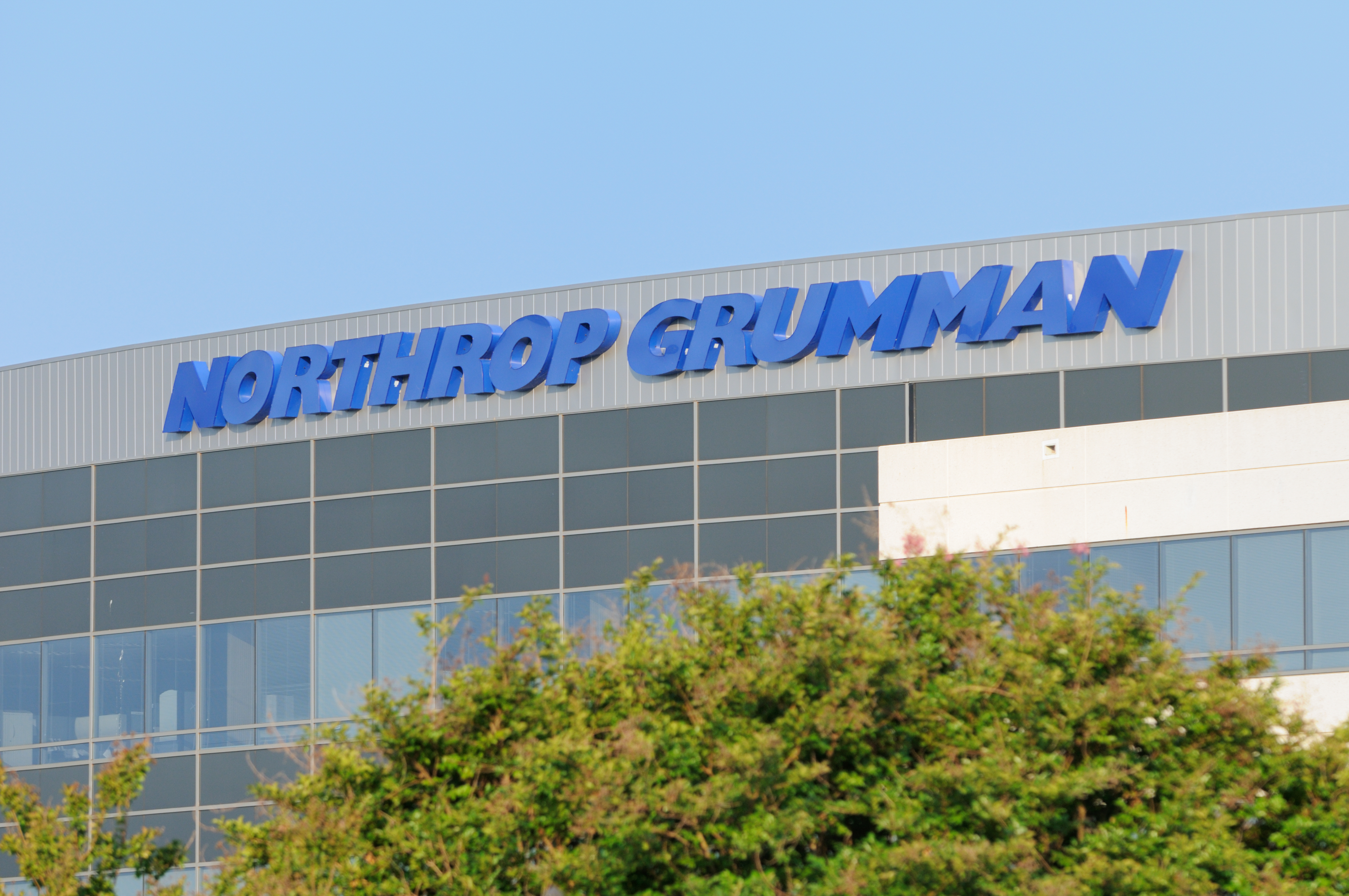
Northrop Grumman Completes Delivery of Artemis III Rocket Components

- Artemis III Progress: Northrop Grumman announced on Wednesday that it has completed the delivery of the final rocket components for NASA's Artemis III mission, marking a significant step in the agency's efforts to return astronauts to the lunar surface for the first time since 1972, indicating ongoing progress in this high-profile project.
- Booster Assembly: The delivered components will be assembled at Kennedy Space Center this summer alongside hardware that arrived earlier this year, ensuring the timely advancement of the Artemis III mission and reinforcing Northrop Grumman's role as a key supplier in this endeavor.
- Advancing Space Exploration: The Artemis III mission is a crucial part of NASA's broader Artemis program, which aims to establish a sustained human presence on and around the Moon as a stepping stone for future Mars missions, reflecting a long-term commitment to space exploration.
- Market Implications: While this shipment does not represent a new contract, it underscores Northrop Grumman's significant position in the U.S. space industry, where government-funded programs can provide years of revenue and sustain manufacturing capabilities that support both civil space exploration and national security initiatives.
See More

Dow Hits All-Time High as Oil Prices Cool


- Dow's Historic High: The Dow Jones Industrial Average reached an all-time high during a strong trading session, reflecting market optimism about the potential end of the Iran war, despite a weaker performance from the Nasdaq, indicating a divergence in tech stocks.
- Oil Price Decline: Brent crude futures fell by 2.8% to close at $95.03 per barrel, while West Texas Intermediate futures dropped 3.1% to settle at $93.04, suggesting a reduction in market concerns over future supply, which could impact profitability in the energy sector.
- Tech Stock Volatility: Broadcom's stock plummeted approximately 15% after missing revenue expectations, dragging the Nasdaq down nearly 0.1%, highlighting the pressures faced by the tech industry that may affect overall market sentiment.
- SpaceX IPO Festivities: Major Wall Street banks, including Bank of America, JPMorgan, and Morgan Stanley, are hosting lavish events for SpaceX's record $75 billion IPO, which is expected to value the company at $1.75 trillion, further driving market attention towards tech stock performance.
See More
REalloys Secures Dominance in Rare Earth Market


- Investment Expansion: REalloys' $20.6 million investment in the Saskatchewan rare earth processing facility secures exclusive rights to up to 80% of expanded production capacity, including commercial-scale NdPr, dysprosium, and terbium output, showcasing the company's unique competitive advantage in the Western market.
- Supply Chain Integration: Partnering with the Saskatchewan Research Council, REalloys is establishing a mine-to-magnet supply chain, expected to increase NdPr metal output by 25% and double dysprosium and terbium production capacity, addressing imminent defense needs.
- Strategic Partnership: REalloys signed a 15-year offtake agreement with Critical Metals, securing 15% of production from the Tanbreez project in Greenland, ensuring stable rare earth supply and further solidifying its position in the global rare earth market.
- Market Outlook: As the U.S. Department of Defense pushes for non-Chinese rare earth materials, REalloys' strategic positioning not only meets domestic demand but also lays the groundwork for future international market expansion, enhancing the company's significance in the global rare earth supply chain.
See More
REalloys Secures Dominance in Rare Earth Market


- Investment Expansion: REalloys' $20.6 million investment in the Saskatchewan rare earth processing facility secures up to 80% of expanded production capacity, marking the company's unique position in the Western rare earth market.
- Capacity Enhancement: The facility's annual target output is set at 525 tonnes of NdPr, 30 tonnes of terbium, and 15 tonnes of dysprosium, with upgrades expected to increase NdPr metal output by 25% and double dysprosium and terbium production capacity to meet defense needs.
- Supply Chain Integration: REalloys signed a 15-year offtake agreement with Critical Metals, securing 15% of production from the Tanbreez project in Greenland, further solidifying its critical role in the global rare earth supply chain.
- Strategic Implications: As the U.S. Department of Defense pushes for non-Chinese rare earth materials, REalloys' initiatives not only enhance its market competitiveness but also provide essential raw material security for the U.S. defense industry.
See More

Middle East Tensions Impact Market Volatility

- Escalating Middle East Tensions: Israeli Prime Minister Netanyahu stated that Israel and the U.S. are prepared to take military action against Iran if necessary, which pushed oil prices higher despite a ceasefire agreement with Lebanon, highlighting the complexity of the situation.
- U.S. Congressional Response: The U.S. House passed a war powers measure to end military involvement in Iran, reflecting growing congressional pushback against the scope and duration of the conflict, although the measure still needs Senate approval and could face a presidential veto.
- Corporate Earnings Impact: Broadcom's shares plummeted nearly 14% in after-hours trading due to weaker-than-expected software revenue and failure to raise its full-year AI chip sales target, negatively impacting Wall Street's recent tech-led rally.
- Bitcoin Market Dynamics: Long-term holders of Bitcoin have begun selling, with approximately $2.4 billion sold in the past two days, which could significantly affect Bitcoin's supply/demand balance, particularly as 26% of the sold Bitcoin was purchased above $90,000.
See More

AI Momentum Drives Wall Street to New Heights
- Market Milestones: The S&P 500 reached another record close as traders absorbed tech headlines from the Computex conference in Taipei, reflecting strong investor confidence in the AI sector and signaling a potential influx of capital into major tech firms.
- Nvidia's Influence: CEO Jensen Huang's announcement of new PC processors developed with Microsoft at the conference led to a 32% surge in Marvell's stock, highlighting Huang's market influence and the potential for guiding future tech investments.
- Geopolitical Risks: Despite ongoing optimism in the AI space, geopolitical tensions, particularly the unresolved conflict between the U.S. and Iran, pose a risk to market sentiment, necessitating vigilance among investors.
- Oil Price Fluctuations: West Texas Intermediate futures rose over 1% to $94.81 per barrel due to potential disruptions in the Strait of Hormuz, indicating market sensitivity to geopolitical risks that could impact future energy investment strategies.
See More
Northrop Grumman Completes Delivery of Artemis III Rocket Components
- Artemis III Progress: Northrop Grumman announced on Wednesday that it has completed the delivery of the final rocket components for NASA's Artemis III mission, marking a significant step in the agency's efforts to return astronauts to the lunar surface for the first time since 1972, indicating ongoing progress in this high-profile project.
- Booster Assembly: The delivered components will be assembled at Kennedy Space Center this summer alongside hardware that arrived earlier this year, ensuring the timely advancement of the Artemis III mission and reinforcing Northrop Grumman's role as a key supplier in this endeavor.
- Advancing Space Exploration: The Artemis III mission is a crucial part of NASA's broader Artemis program, which aims to establish a sustained human presence on and around the Moon as a stepping stone for future Mars missions, reflecting a long-term commitment to space exploration.
- Market Implications: While this shipment does not represent a new contract, it underscores Northrop Grumman's significant position in the U.S. space industry, where government-funded programs can provide years of revenue and sustain manufacturing capabilities that support both civil space exploration and national security initiatives.
See More
Dow Hits All-Time High as Oil Prices Cool
- Dow's Historic High: The Dow Jones Industrial Average reached an all-time high during a strong trading session, reflecting market optimism about the potential end of the Iran war, despite a weaker performance from the Nasdaq, indicating a divergence in tech stocks.
- Oil Price Decline: Brent crude futures fell by 2.8% to close at $95.03 per barrel, while West Texas Intermediate futures dropped 3.1% to settle at $93.04, suggesting a reduction in market concerns over future supply, which could impact profitability in the energy sector.
- Tech Stock Volatility: Broadcom's stock plummeted approximately 15% after missing revenue expectations, dragging the Nasdaq down nearly 0.1%, highlighting the pressures faced by the tech industry that may affect overall market sentiment.
- SpaceX IPO Festivities: Major Wall Street banks, including Bank of America, JPMorgan, and Morgan Stanley, are hosting lavish events for SpaceX's record $75 billion IPO, which is expected to value the company at $1.75 trillion, further driving market attention towards tech stock performance.
See More
REalloys Secures Dominance in Rare Earth Market
- Investment Expansion: REalloys' $20.6 million investment in the Saskatchewan rare earth processing facility secures exclusive rights to up to 80% of expanded production capacity, including commercial-scale NdPr, dysprosium, and terbium output, showcasing the company's unique competitive advantage in the Western market.
- Supply Chain Integration: Partnering with the Saskatchewan Research Council, REalloys is establishing a mine-to-magnet supply chain, expected to increase NdPr metal output by 25% and double dysprosium and terbium production capacity, addressing imminent defense needs.
- Strategic Partnership: REalloys signed a 15-year offtake agreement with Critical Metals, securing 15% of production from the Tanbreez project in Greenland, ensuring stable rare earth supply and further solidifying its position in the global rare earth market.
- Market Outlook: As the U.S. Department of Defense pushes for non-Chinese rare earth materials, REalloys' strategic positioning not only meets domestic demand but also lays the groundwork for future international market expansion, enhancing the company's significance in the global rare earth supply chain.
See More
REalloys Secures Dominance in Rare Earth Market
- Investment Expansion: REalloys' $20.6 million investment in the Saskatchewan rare earth processing facility secures up to 80% of expanded production capacity, marking the company's unique position in the Western rare earth market.
- Capacity Enhancement: The facility's annual target output is set at 525 tonnes of NdPr, 30 tonnes of terbium, and 15 tonnes of dysprosium, with upgrades expected to increase NdPr metal output by 25% and double dysprosium and terbium production capacity to meet defense needs.
- Supply Chain Integration: REalloys signed a 15-year offtake agreement with Critical Metals, securing 15% of production from the Tanbreez project in Greenland, further solidifying its critical role in the global rare earth supply chain.
- Strategic Implications: As the U.S. Department of Defense pushes for non-Chinese rare earth materials, REalloys' initiatives not only enhance its market competitiveness but also provide essential raw material security for the U.S. defense industry.
See More
Middle East Tensions Impact Market Volatility
- Escalating Middle East Tensions: Israeli Prime Minister Netanyahu stated that Israel and the U.S. are prepared to take military action against Iran if necessary, which pushed oil prices higher despite a ceasefire agreement with Lebanon, highlighting the complexity of the situation.
- U.S. Congressional Response: The U.S. House passed a war powers measure to end military involvement in Iran, reflecting growing congressional pushback against the scope and duration of the conflict, although the measure still needs Senate approval and could face a presidential veto.
- Corporate Earnings Impact: Broadcom's shares plummeted nearly 14% in after-hours trading due to weaker-than-expected software revenue and failure to raise its full-year AI chip sales target, negatively impacting Wall Street's recent tech-led rally.
- Bitcoin Market Dynamics: Long-term holders of Bitcoin have begun selling, with approximately $2.4 billion sold in the past two days, which could significantly affect Bitcoin's supply/demand balance, particularly as 26% of the sold Bitcoin was purchased above $90,000.
See More
AI Momentum Drives Wall Street to New Heights
- Market Milestones: The S&P 500 reached another record close as traders absorbed tech headlines from the Computex conference in Taipei, reflecting strong investor confidence in the AI sector and signaling a potential influx of capital into major tech firms.
- Nvidia's Influence: CEO Jensen Huang's announcement of new PC processors developed with Microsoft at the conference led to a 32% surge in Marvell's stock, highlighting Huang's market influence and the potential for guiding future tech investments.
- Geopolitical Risks: Despite ongoing optimism in the AI space, geopolitical tensions, particularly the unresolved conflict between the U.S. and Iran, pose a risk to market sentiment, necessitating vigilance among investors.
- Oil Price Fluctuations: West Texas Intermediate futures rose over 1% to $94.81 per barrel due to potential disruptions in the Strait of Hormuz, indicating market sensitivity to geopolitical risks that could impact future energy investment strategies.
See More