

Defense Authorization Act Limits Stock Buybacks
Written by Emily J. Thompson, Senior Investment Analyst
Updated: 21 hours ago
0mins

Source: CNBC
- Bill Passage: The Senate Armed Services Committee approved the National Defense Authorization Act with an 18-9 vote, which includes a provision that could bar certain defense contractors from executing stock buybacks or paying dividends without Defense Department approval, indicating a significant shift in defense industry regulation.
- Implementation Timeline: This provision will take effect on June 15, 2027, requiring contractors to agree in writing not to engage in stock buybacks or dividend payments before entering contracts, thereby pushing contractors to focus more on fulfilling government contracts.
- Industry Opposition: Major defense contractors such as Lockheed Martin, Northrop Grumman, and Boeing are expected to strongly oppose this provision, arguing that it restricts their capital allocation freedom and could negatively impact industry competitiveness.
- Bipartisan Support: Despite the anticipated backlash, the provision has garnered bipartisan support, reflecting Congress's intent to regulate defense contractor behavior, which may alter the Pentagon's interactions with large businesses.
Trade with 70% Backtested Accuracy
Stop guessing "Should I Buy BA?" and start using high-conviction signals backed by rigorous historical data.
Sign up today to access powerful investing tools and make smarter, data-driven decisions.
Analyst Views on BA
Wall Street analysts forecast BA stock price to rise
16 Analyst Rating
14 Buy
1 Hold
1 Sell
Strong Buy
Current: 225.630

Low
150.00
Averages
269.14
High
298.00
Current: 225.630
Low
150.00
Averages
269.14
High
298.00
About BA
The Boeing Company is an aerospace company. Its segments include Commercial Airplanes (BCA), Defense, Space & Security (BDS), and Global Services (BGS). Its BCA segment develops, produces and markets commercial jet aircraft principally for the commercial airline industry worldwide. Its family of commercial jet aircraft in production includes the 737 narrow-body model and the 767, 777 and 787 wide-body models. Its BDS segment is engaged in the research, development, production and modification of manned and unmanned military aircraft and weapons systems for strike, surveillance and mobility. Its BGS segment provides services to its commercial and defense customers worldwide. It sustains aerospace platforms and systems with a range of products and services, including supply chain and logistics management, engineering, maintenance and modifications, upgrades and conversions, spare parts, pilot and maintenance training systems and services, technical and maintenance documents, and others.
About the author

Emily J. Thompson
Emily J. Thompson, a Chartered Financial Analyst (CFA) with 12 years in investment research, graduated with honors from the Wharton School. Specializing in industrial and technology stocks, she provides in-depth analysis for Intellectia’s earnings and market brief reports.

Boeing 737 MAX New Variants Certification Progressing Well

- Certification Progress: Both the European Union Aviation Safety Agency (EASA) and the Federal Aviation Administration (FAA) have reported good progress in certifying the new Boeing 737 MAX 7 and MAX 10 variants, indicating regulatory confidence in Boeing's products.
- Top Priority: EASA Executive Director Florian Guillermet emphasized at a safety conference that the MAX 10 is a top priority for the agency, reflecting its commitment to expedite the introduction of these new models into the market.
- Final Stages: The FAA is in the final stages of certifying the MAX 7 and MAX 10, suggesting that Boeing is nearing completion of the regulatory approval process, which could positively impact its future market performance.
- Future Outlook: Guillermet mentioned that closing the last certification actions will allow EASA to “turn the page,” which not only aids Boeing's product line expansion but may also enhance its competitiveness in the global aviation market.
See More

Boeing Achieves Key Testing Milestone for Quantum Networking Satellite
- Quantum Networking Success: Boeing announced that its Q4S quantum networking satellite program has completed a key ground-testing milestone, successfully demonstrating high-fidelity entanglement swapping on a compact payload, marking preparations for a planned 2027 launch.
- Environmental Qualification: The tests included environmental qualification to ensure the hardware can withstand the harsh conditions of launch and space, further enhancing Boeing's technological capabilities in quantum communications.
- Future Market Potential: While the immediate financial impact is limited, Boeing's early positioning in quantum networking could lay the groundwork for future defense and space contracts, particularly in secure communications and sensing technologies.
- One-Year Space Mission: The Q4S program aims to demonstrate quantum networking technologies in orbit during a planned one-year mission, with collected data used to evaluate system performance and guide the design of future quantum networking architectures.
See More
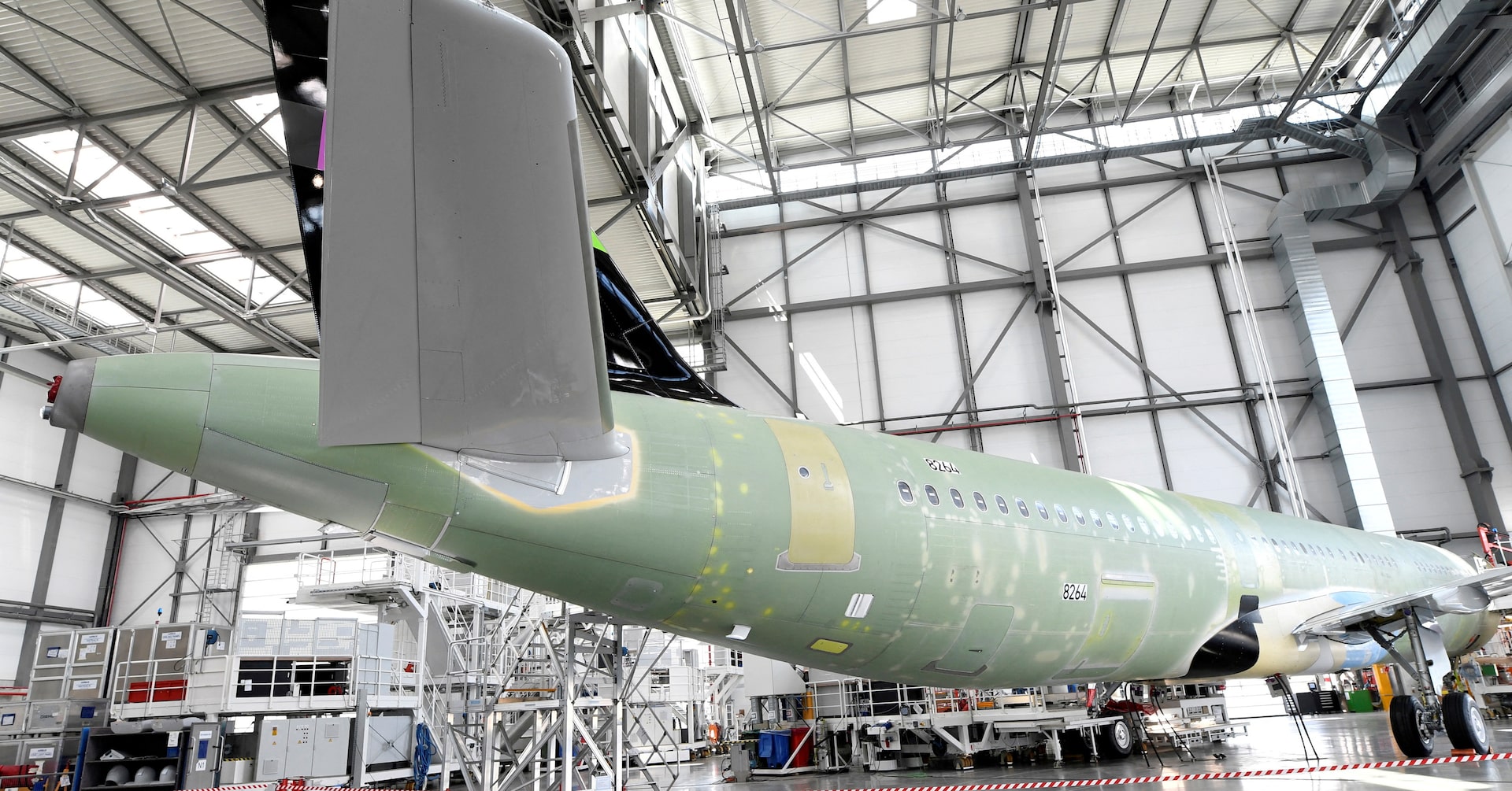
GKN Aerospace Factory to Restart Limited Production After Safety Checks

- Production Restart Plan: GKN Aerospace's California factory plans to restart limited production after safety checks, following a late May incident that prompted the evacuation of 50,000 residents, demonstrating the company's crisis management capabilities.
- Safety Checks Underway: Employees have begun returning to the facility this week to conduct safety checks, ensuring that parts of the facility unaffected by the incident can resume operations, indicating the company's commitment to employee safety while striving to meet market demand.
- Capacity Expansion: GKN announced plans to establish a new production line near the facility in 2024 to double the manufacturing capacity of F-35 canopies by January 2027, reflecting the company's confidence in future aerospace market demand.
- Supply Chain Impact Assessment: Multiple agencies are investigating the factory; while Airbus and Lockheed Martin report no current production impact, the incident may pose potential risks to supply chain stability, prompting stakeholders to reassess collaboration strategies.
See More
Boeing Secures $17.93M U.S. Air Force Contract
- Contract Value and Nature: Boeing has been awarded a $17.93 million cost-plus-fixed-fee contract by the U.S. Air Force, focusing on specialized engineering and repair services for the military's integrated conventional stores management system, indicating ongoing demand in the defense sector.
- Execution Location: All contract performance will take place at Boeing's facilities in Oklahoma City, which not only supports the local economy but also ensures timely and quality service delivery.
- Long-term Support and Services: The five-year contract is expected to be completed by June 15, 2031, involving critical component repair services aimed at addressing material shortages and restoring non-functional aviation assets, thereby enhancing the Air Force's operational capabilities.
- Primary Contracting Authority: The Air Force Sustainment Center, located at Robins Air Force Base in Georgia, serves as the primary contracting authority, ensuring compliance and efficiency in contract execution.
See More
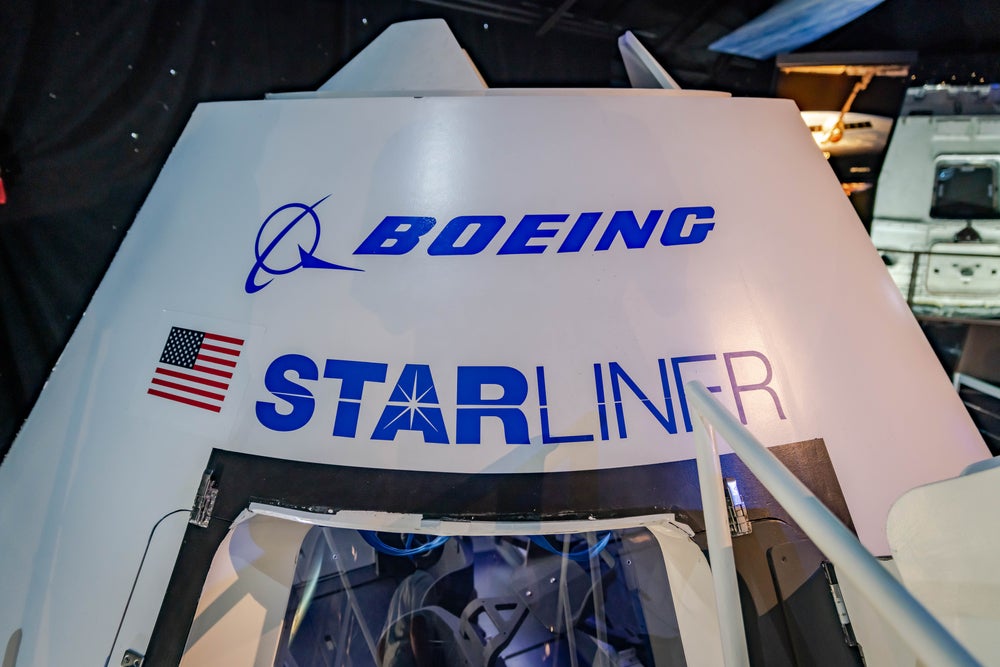
Drone Incursions Drive Rapid Growth in Counter-Drone Market
- Surging Market Demand: The counter-drone market is experiencing a 20% annual growth rate due to drone incursions linked to the wars in Ukraine and the Middle East, with projections estimating the market will expand from $4.5 billion to $14.5 billion by 2030, indicating strong investment potential.
- Accelerated Technological Innovation: New technologies such as the jamming gun from U.S. firm Dedrone and Boeing's autonomous 'wingman' system are being developed to counter increasingly sophisticated drone threats, enhancing security for airports and critical infrastructure.
- Infrastructure Upgrades: Avinor, which operates 43 airports in Norway, has already installed a drone detection system to address the
See More

KKR Partners with Altavair for $1.4 Billion Aircraft Leasing Investment

- Significant Investment: KKR has disclosed a $1.4 billion investment in aircraft leasing with Altavair, highlighting the strong demand for funding in the aircraft leasing market amid ongoing supply shortages from Airbus and Boeing.
- Market Trend Shift: With airlines facing rising costs and recovering travel demand, approximately 50% of the global fleet is now leased rather than owned, and KKR has invested over $12 billion in aviation since 2015, demonstrating its long-term confidence in the sector.
- Capital Allocation Plan: KKR plans to allocate most of its capital over the next four years to airlines, sourcing aircraft directly from those seeking to free up cash, as well as from manufacturers like Airbus and Boeing, aiming to provide financial support through multi-year leasing contracts.
- Risk Management Strategy: KKR focuses on long-term leases with established airlines and cargo operators, avoiding distressed or bankrupt companies to ensure investment stability and predictable cash flows, despite limited near-term impacts from fuel price volatility and geopolitical tensions.
See More
Boeing 737 MAX New Variants Certification Progressing Well
- Certification Progress: Both the European Union Aviation Safety Agency (EASA) and the Federal Aviation Administration (FAA) have reported good progress in certifying the new Boeing 737 MAX 7 and MAX 10 variants, indicating regulatory confidence in Boeing's products.
- Top Priority: EASA Executive Director Florian Guillermet emphasized at a safety conference that the MAX 10 is a top priority for the agency, reflecting its commitment to expedite the introduction of these new models into the market.
- Final Stages: The FAA is in the final stages of certifying the MAX 7 and MAX 10, suggesting that Boeing is nearing completion of the regulatory approval process, which could positively impact its future market performance.
- Future Outlook: Guillermet mentioned that closing the last certification actions will allow EASA to “turn the page,” which not only aids Boeing's product line expansion but may also enhance its competitiveness in the global aviation market.
See More
Boeing Achieves Key Testing Milestone for Quantum Networking Satellite
- Quantum Networking Success: Boeing announced that its Q4S quantum networking satellite program has completed a key ground-testing milestone, successfully demonstrating high-fidelity entanglement swapping on a compact payload, marking preparations for a planned 2027 launch.
- Environmental Qualification: The tests included environmental qualification to ensure the hardware can withstand the harsh conditions of launch and space, further enhancing Boeing's technological capabilities in quantum communications.
- Future Market Potential: While the immediate financial impact is limited, Boeing's early positioning in quantum networking could lay the groundwork for future defense and space contracts, particularly in secure communications and sensing technologies.
- One-Year Space Mission: The Q4S program aims to demonstrate quantum networking technologies in orbit during a planned one-year mission, with collected data used to evaluate system performance and guide the design of future quantum networking architectures.
See More
GKN Aerospace Factory to Restart Limited Production After Safety Checks
- Production Restart Plan: GKN Aerospace's California factory plans to restart limited production after safety checks, following a late May incident that prompted the evacuation of 50,000 residents, demonstrating the company's crisis management capabilities.
- Safety Checks Underway: Employees have begun returning to the facility this week to conduct safety checks, ensuring that parts of the facility unaffected by the incident can resume operations, indicating the company's commitment to employee safety while striving to meet market demand.
- Capacity Expansion: GKN announced plans to establish a new production line near the facility in 2024 to double the manufacturing capacity of F-35 canopies by January 2027, reflecting the company's confidence in future aerospace market demand.
- Supply Chain Impact Assessment: Multiple agencies are investigating the factory; while Airbus and Lockheed Martin report no current production impact, the incident may pose potential risks to supply chain stability, prompting stakeholders to reassess collaboration strategies.
See More
Boeing Secures $17.93M U.S. Air Force Contract
- Contract Value and Nature: Boeing has been awarded a $17.93 million cost-plus-fixed-fee contract by the U.S. Air Force, focusing on specialized engineering and repair services for the military's integrated conventional stores management system, indicating ongoing demand in the defense sector.
- Execution Location: All contract performance will take place at Boeing's facilities in Oklahoma City, which not only supports the local economy but also ensures timely and quality service delivery.
- Long-term Support and Services: The five-year contract is expected to be completed by June 15, 2031, involving critical component repair services aimed at addressing material shortages and restoring non-functional aviation assets, thereby enhancing the Air Force's operational capabilities.
- Primary Contracting Authority: The Air Force Sustainment Center, located at Robins Air Force Base in Georgia, serves as the primary contracting authority, ensuring compliance and efficiency in contract execution.
See More
Drone Incursions Drive Rapid Growth in Counter-Drone Market
- Surging Market Demand: The counter-drone market is experiencing a 20% annual growth rate due to drone incursions linked to the wars in Ukraine and the Middle East, with projections estimating the market will expand from $4.5 billion to $14.5 billion by 2030, indicating strong investment potential.
- Accelerated Technological Innovation: New technologies such as the jamming gun from U.S. firm Dedrone and Boeing's autonomous 'wingman' system are being developed to counter increasingly sophisticated drone threats, enhancing security for airports and critical infrastructure.
- Infrastructure Upgrades: Avinor, which operates 43 airports in Norway, has already installed a drone detection system to address the
See More
KKR Partners with Altavair for $1.4 Billion Aircraft Leasing Investment
- Significant Investment: KKR has disclosed a $1.4 billion investment in aircraft leasing with Altavair, highlighting the strong demand for funding in the aircraft leasing market amid ongoing supply shortages from Airbus and Boeing.
- Market Trend Shift: With airlines facing rising costs and recovering travel demand, approximately 50% of the global fleet is now leased rather than owned, and KKR has invested over $12 billion in aviation since 2015, demonstrating its long-term confidence in the sector.
- Capital Allocation Plan: KKR plans to allocate most of its capital over the next four years to airlines, sourcing aircraft directly from those seeking to free up cash, as well as from manufacturers like Airbus and Boeing, aiming to provide financial support through multi-year leasing contracts.
- Risk Management Strategy: KKR focuses on long-term leases with established airlines and cargo operators, avoiding distressed or bankrupt companies to ensure investment stability and predictable cash flows, despite limited near-term impacts from fuel price volatility and geopolitical tensions.
See More




