CVS Health Faces Growth Challenges Amid Medicare Rate Concerns
Written by Emily J. Thompson, Senior Investment Analyst
Updated: Feb 05 2026
0mins
Should l Buy CVS?
Source: Fool
- Medicare Rate Weakness: The Trump administration's proposal for a mere 0.09% increase in Medicare Advantage rates for 2027, significantly below the expected 4%-6%, threatens to undermine over one-third of CVS Health's revenue, potentially stalling growth in a crucial segment.
- Rising Medical Costs: With medical costs on the rise, CVS's already thin single-digit profit margins are at risk, and without substantial sales growth, the company could face dire financial consequences, especially after reporting a nearly $4 billion net loss in its latest quarter due to goodwill impairment charges.
- Stock Volatility Risks: Despite a remarkable 77% rise in CVS Health's stock in 2025, investor sentiment is cautious due to industry pressures and the increasing availability of pharmaceuticals online, with the stock down 5% since the beginning of the year, indicating market concerns about its future.
- Dismal Growth Outlook: Although CVS's forward price-to-earnings ratio stands at 10, suggesting it might be undervalued, the lack of improved margins and appealing growth prospects significantly diminishes its attractiveness as an investment, with potential for further declines ahead.
Trade with 70% Backtested Accuracy
Stop guessing "Should I Buy CVS?" and start using high-conviction signals backed by rigorous historical data.
Sign up today to access powerful investing tools and make smarter, data-driven decisions.
Analyst Views on CVS
Wall Street analysts forecast CVS stock price to rise
17 Analyst Rating
16 Buy
1 Hold
0 Sell
Strong Buy
Current: 72.490

Low
91.00
Averages
96.71
High
105.00
Current: 72.490
Low
91.00
Averages
96.71
High
105.00
About CVS
CVS Health Corporation is a health solutions company. The Company's segments include Health Care Benefits, Health Services, Pharmacy & Consumer Wellness and Corporate/Other. The Health Care Benefits segment offers a broad range of traditional, voluntary and consumer-directed health insurance products and related services, including medical, pharmacy, dental and behavioral health plans, PDPs and Medicaid health care management services. The Health Services segment provides a full range of pharmacy benefit management (PBM) solutions through its CVS Caremark operations and delivers health care services in its medical clinics, virtually, and in the home. The Pharmacy & Consumer Wellness segment dispenses prescriptions in its CVS Pharmacy retail locations and, through its infusion operations, provides ancillary pharmacy services including pharmacy patient care programs, and vaccination administration, and sells a wide assortment of health and wellness products and general merchandise.
About the author

Emily J. Thompson
Emily J. Thompson, a Chartered Financial Analyst (CFA) with 12 years in investment research, graduated with honors from the Wharton School. Specializing in industrial and technology stocks, she provides in-depth analysis for Intellectia’s earnings and market brief reports.

Omnicare Enters Asset Purchase Agreement with GenieRx
- Asset Purchase Agreement: Omnicare has entered into an asset purchase agreement with GenieRx Holdings, which will act as the 'stalking horse bidder' in the company's court-supervised sale process, marking a significant step forward in the ongoing restructuring efforts.
- Bidding Deadline: Interested parties must submit competing bids by April 30, 2026, and if qualified bids are received, an auction is expected on May 5, 2026, potentially increasing the final sale price of Omnicare's assets through competitive offers.
- Ongoing Customer Support: Throughout the sale process, Omnicare remains focused on supporting its customers and ensuring residents receive safe and reliable pharmacy care, while addressing the complexities of long-term care through transparent pricing and clinical programs.
- Strategic Partnership Model: Omnicare emphasizes a partnership-driven approach to pharmacy services for assisted living communities, aimed at enhancing resident care quality and communication experiences, which will help the company maintain its competitive edge in an increasingly complex healthcare environment.
See More

U.S. Adds 178K Jobs in March, Unemployment Rate Dips to 4.3%

- Labor Market Recovery: The U.S. added 178,000 nonfarm jobs in March, significantly surpassing the Dow Jones estimate of 59,000, indicating signs of economic recovery despite the persistent slow-growth trend.
- Sector Growth Highlights: The healthcare sector was the largest contributor, adding 76,000 jobs, with 54,000 coming from returning workers post-strike, suggesting a rebound in this sector after facing short-term challenges.
- Unemployment Rate Changes: Although the unemployment rate dipped slightly to 4.3%, the labor force participation rate fell to 61.9% due to a decline of 396,000 individuals, reflecting underlying pressures in the job market.
- Wage Growth Slowdown: Average hourly earnings rose by only 0.2% in March, with a year-over-year increase of 3.5%, both below expectations, indicating that sluggish wage growth may impact consumer spending and overall economic growth.
See More
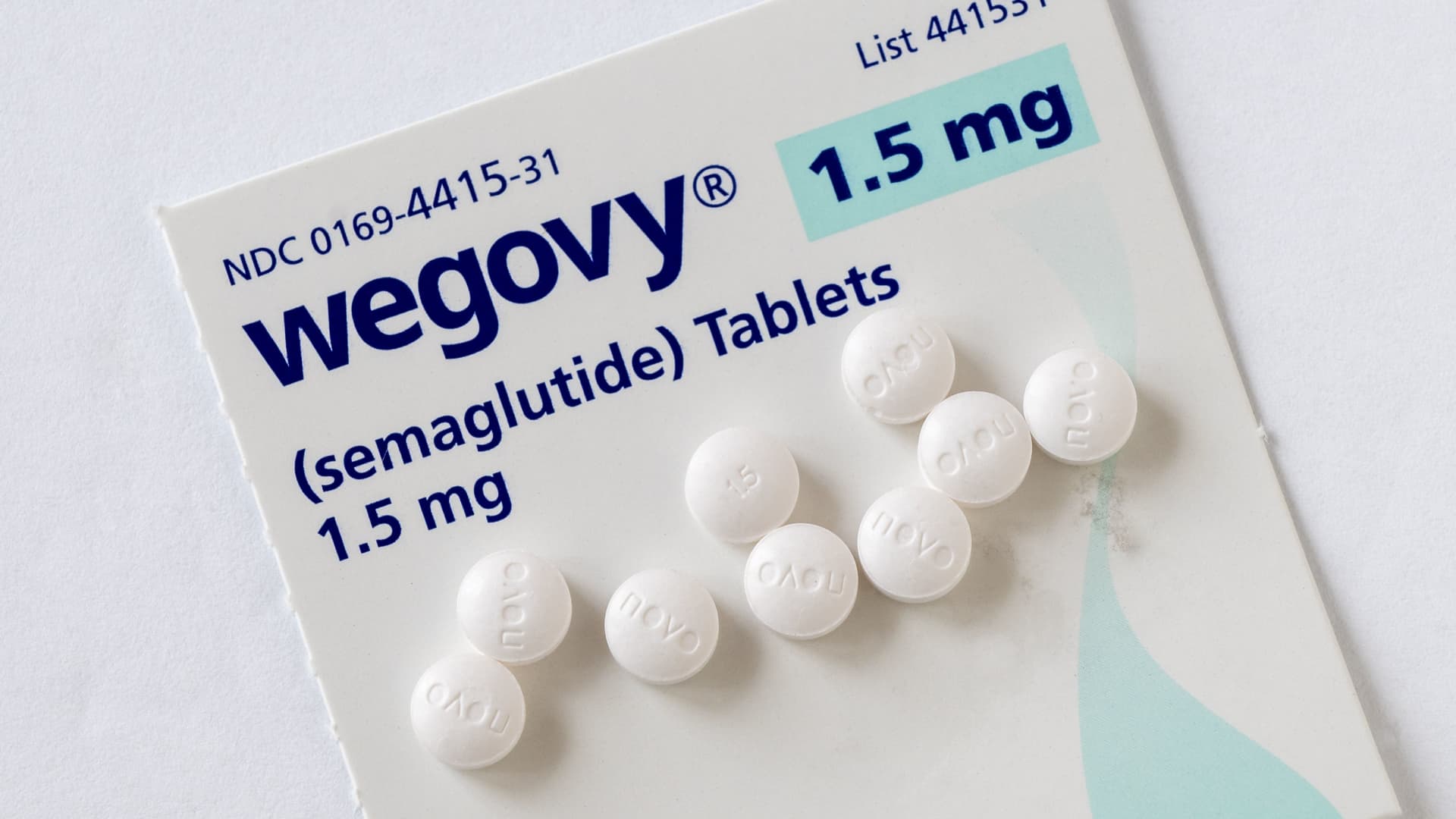
Wegovy Pill Shows Superior Weight Loss Over Foundayo

- Weight Loss Efficacy: The Wegovy pill demonstrated significantly greater mean weight loss of 16.6% compared to Eli Lilly's Foundayo, which showed only 12.4%, indicating Wegovy's competitive edge in the weight-loss drug market.
- Patient Preference Insights: An analysis by Novo revealed that 84% of patients preferred the drug profile of Wegovy, highlighting strong patient recognition of its lifestyle compatibility, which provides robust support for Novo's market promotion efforts.
- Market Competition Dynamics: The launch of the Wegovy pill is seen as the beginning of a new era in weight-loss medications; however, analysts note that the rapid increase in prescriptions may slow down as Foundayo approaches its market entry, potentially impacting Wegovy's market share.
- Side Effect Comparison: Recent studies indicate that Wegovy outperforms Foundayo in terms of discontinuation rates, with the latter associated with about 14 times higher odds of stopping treatment due to side effects, providing Wegovy with a crucial differentiation advantage in the increasingly competitive anti-obesity drug market.
See More

Trump's Address Triggers Market Volatility
- Oil Price Surge: Trump's address indicated that the U.S. would strike Iran
See More
Omnicare Enters Asset Purchase Agreement with GenieRx
- Asset Purchase Agreement: Omnicare has entered into an asset purchase agreement with GenieRx Holdings LLC, with GenieRx serving as the 'stalking horse bidder', marking a significant step in Omnicare's court-supervised sale process and setting a floor for the eventual sale of the company's assets.
- Bidding Deadline: Interested bidders must submit their offers by April 30, 2026, and if qualified bids are received, an auction is expected on May 5, 2026, which will influence Omnicare's asset disposal strategy and future financial condition.
- Clinical Support Services: Omnicare continues to focus on assisting skilled nursing and assisted living providers in navigating the complexities of long-term care, enhancing its market competitiveness through transparent pricing and clinical programs aligned with CMS value-based purchasing measures.
- Customer Relationship Maintenance: Throughout the court-supervised sale process, Omnicare is committed to ensuring that customers and residents continue to receive safe and reliable pharmacy services, which not only helps maintain customer trust but also enhances the company's brand image in future market competition.
See More
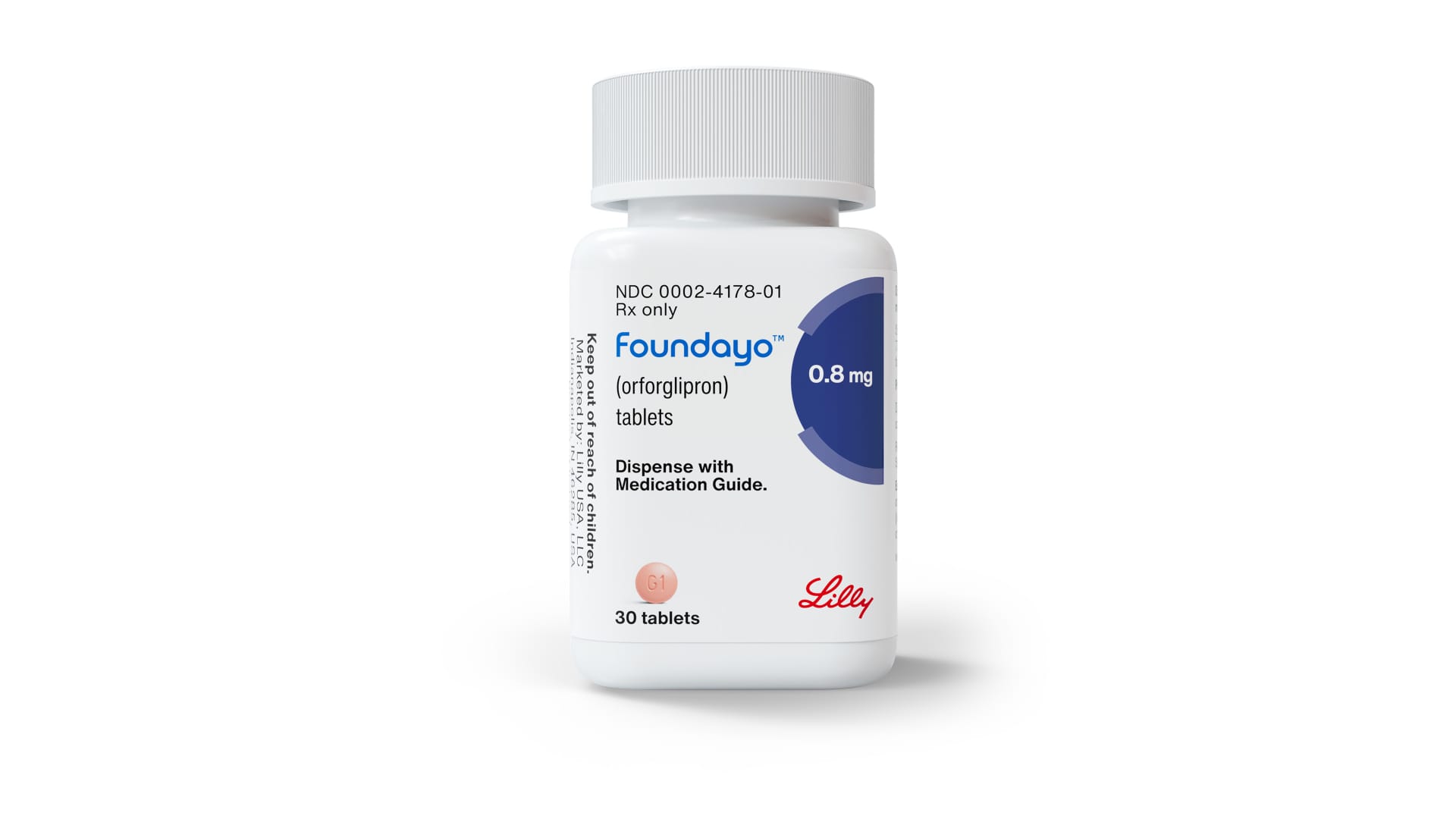
Eli Lilly's GLP-1 Pill Approval Marks New Weight Loss Market Entry
- Regulatory Milestone: The FDA's approval of Eli Lilly's GLP-1 pill, Foundayo, represents a significant advancement for the company in the weight-loss medication market, setting the stage for competition with Novo Nordisk's Wegovy and altering market dynamics.
- Pricing Strategy: Foundayo is priced at $25 per month with insurance or between $149 and $349 out-of-pocket, aiming to attract a broader patient base, particularly appealing to seniors, thereby expanding the market for weight-loss drugs.
- Global Market Expansion: Lilly plans to seek approval for Foundayo in over 40 countries within the next year, leveraging its small molecule nature to enable global production and distribution without cold-chain constraints, enhancing its competitive edge.
- Sales Projections: Analysts estimate Foundayo's sales could reach $14.79 billion by 2030, although lower than Zepbound's $24.68 billion, it still indicates strong market potential and is seen as a key factor for Eli Lilly's stock recovery.
See More
Omnicare Enters Asset Purchase Agreement with GenieRx
- Asset Purchase Agreement: Omnicare has entered into an asset purchase agreement with GenieRx Holdings, which will act as the 'stalking horse bidder' in the company's court-supervised sale process, marking a significant step forward in the ongoing restructuring efforts.
- Bidding Deadline: Interested parties must submit competing bids by April 30, 2026, and if qualified bids are received, an auction is expected on May 5, 2026, potentially increasing the final sale price of Omnicare's assets through competitive offers.
- Ongoing Customer Support: Throughout the sale process, Omnicare remains focused on supporting its customers and ensuring residents receive safe and reliable pharmacy care, while addressing the complexities of long-term care through transparent pricing and clinical programs.
- Strategic Partnership Model: Omnicare emphasizes a partnership-driven approach to pharmacy services for assisted living communities, aimed at enhancing resident care quality and communication experiences, which will help the company maintain its competitive edge in an increasingly complex healthcare environment.
See More
U.S. Adds 178K Jobs in March, Unemployment Rate Dips to 4.3%
- Labor Market Recovery: The U.S. added 178,000 nonfarm jobs in March, significantly surpassing the Dow Jones estimate of 59,000, indicating signs of economic recovery despite the persistent slow-growth trend.
- Sector Growth Highlights: The healthcare sector was the largest contributor, adding 76,000 jobs, with 54,000 coming from returning workers post-strike, suggesting a rebound in this sector after facing short-term challenges.
- Unemployment Rate Changes: Although the unemployment rate dipped slightly to 4.3%, the labor force participation rate fell to 61.9% due to a decline of 396,000 individuals, reflecting underlying pressures in the job market.
- Wage Growth Slowdown: Average hourly earnings rose by only 0.2% in March, with a year-over-year increase of 3.5%, both below expectations, indicating that sluggish wage growth may impact consumer spending and overall economic growth.
See More
Wegovy Pill Shows Superior Weight Loss Over Foundayo
- Weight Loss Efficacy: The Wegovy pill demonstrated significantly greater mean weight loss of 16.6% compared to Eli Lilly's Foundayo, which showed only 12.4%, indicating Wegovy's competitive edge in the weight-loss drug market.
- Patient Preference Insights: An analysis by Novo revealed that 84% of patients preferred the drug profile of Wegovy, highlighting strong patient recognition of its lifestyle compatibility, which provides robust support for Novo's market promotion efforts.
- Market Competition Dynamics: The launch of the Wegovy pill is seen as the beginning of a new era in weight-loss medications; however, analysts note that the rapid increase in prescriptions may slow down as Foundayo approaches its market entry, potentially impacting Wegovy's market share.
- Side Effect Comparison: Recent studies indicate that Wegovy outperforms Foundayo in terms of discontinuation rates, with the latter associated with about 14 times higher odds of stopping treatment due to side effects, providing Wegovy with a crucial differentiation advantage in the increasingly competitive anti-obesity drug market.
See More
Trump's Address Triggers Market Volatility
- Oil Price Surge: Trump's address indicated that the U.S. would strike Iran
See More
Omnicare Enters Asset Purchase Agreement with GenieRx
- Asset Purchase Agreement: Omnicare has entered into an asset purchase agreement with GenieRx Holdings LLC, with GenieRx serving as the 'stalking horse bidder', marking a significant step in Omnicare's court-supervised sale process and setting a floor for the eventual sale of the company's assets.
- Bidding Deadline: Interested bidders must submit their offers by April 30, 2026, and if qualified bids are received, an auction is expected on May 5, 2026, which will influence Omnicare's asset disposal strategy and future financial condition.
- Clinical Support Services: Omnicare continues to focus on assisting skilled nursing and assisted living providers in navigating the complexities of long-term care, enhancing its market competitiveness through transparent pricing and clinical programs aligned with CMS value-based purchasing measures.
- Customer Relationship Maintenance: Throughout the court-supervised sale process, Omnicare is committed to ensuring that customers and residents continue to receive safe and reliable pharmacy services, which not only helps maintain customer trust but also enhances the company's brand image in future market competition.
See More
Eli Lilly's GLP-1 Pill Approval Marks New Weight Loss Market Entry
- Regulatory Milestone: The FDA's approval of Eli Lilly's GLP-1 pill, Foundayo, represents a significant advancement for the company in the weight-loss medication market, setting the stage for competition with Novo Nordisk's Wegovy and altering market dynamics.
- Pricing Strategy: Foundayo is priced at $25 per month with insurance or between $149 and $349 out-of-pocket, aiming to attract a broader patient base, particularly appealing to seniors, thereby expanding the market for weight-loss drugs.
- Global Market Expansion: Lilly plans to seek approval for Foundayo in over 40 countries within the next year, leveraging its small molecule nature to enable global production and distribution without cold-chain constraints, enhancing its competitive edge.
- Sales Projections: Analysts estimate Foundayo's sales could reach $14.79 billion by 2030, although lower than Zepbound's $24.68 billion, it still indicates strong market potential and is seen as a key factor for Eli Lilly's stock recovery.
See More