CPI and Fiserv Form Strategic Alliance for Instant Card Issuance
Written by Emily J. Thompson, Senior Investment Analyst
Updated: Apr 16 2026
0mins

Source: seekingalpha
- Instant Issuance Enhancement: The new alliance between CPI Card Group and Fiserv will provide instant card issuance capabilities to Fiserv's bank and credit union customers through CPI's SaaS platform, Card@Once, significantly improving customer service efficiency.
- Strategic Partnership: This collaboration positions CPI as a strategic partner for instant issuance solutions for Fiserv's U.S. clients, further solidifying its market position in the fintech sector.
- Technology Integration: CPI is advancing a unified payments issuance strategy by expanding its proprietary technology platform that combines digital and physical card offerings, enhancing integration with Fiserv's customer ecosystem.
- Market Reaction: Despite CPI's stock falling by 1.9%, Fiserv's stock rose by 2.4%, reflecting positive market expectations regarding this partnership, which may drive future business growth for both companies.
Trade with 70% Backtested Accuracy
Stop guessing "Should I Buy FISV?" and start using high-conviction signals backed by rigorous historical data.
Sign up today to access powerful investing tools and make smarter, data-driven decisions.
Analyst Views on FISV
Wall Street analysts forecast FISV stock price to rise
28 Analyst Rating
8 Buy
20 Hold
0 Sell
Moderate Buy
Current: 51.780

Low
62.00
Averages
95.61
High
180.00
Current: 51.780
Low
62.00
Averages
95.61
High
180.00
About FISV
Fiserv, Inc. is a global provider of payments and financial services technology solutions. Its segments include Merchant Solutions (Merchant) and Financial Solutions (Financial). The businesses in its Merchant segment provide commerce-enabling products and services to companies of all sizes around the world. These products and services include merchant acquiring and digital commerce services; mobile payment services; security and fraud protection solutions; stored-value solutions; software-as-a-service; POS devices, and pay-by-bank solutions. The business lines in its Merchant segment consist of small business, enterprise, and processing. The businesses in its Financial segment provide products and services to financial institutions, corporate and public sector clients across the world, enabling the processing of customer loan and deposit accounts, digital payments and card transactions. The business lines in its Financial segment consist of digital payments, issuing, and banking.
About the author

Emily J. Thompson
Emily J. Thompson, a Chartered Financial Analyst (CFA) with 12 years in investment research, graduated with honors from the Wharton School. Specializing in industrial and technology stocks, she provides in-depth analysis for Intellectia’s earnings and market brief reports.

Fiserv's Potential Network Sale Attracts Attention


- Potential Sale Impact: Analysts noted that a sale of Fiserv's STAR or Accel debit network to major banks like JPMorgan, Bank of America, Wells Fargo, or PNC Financial could significantly enhance these banks' debit economics and be highly accretive to Fiserv's earnings.
- Regulatory Scrutiny Risks: While the potential transaction could yield benefits, Raymond James cautioned that selling the debit card network may attract significant regulatory scrutiny, particularly as it could be viewed as an attempt to circumvent the Durbin Amendment, leading to higher fees for merchants.
- Leadership Transition: Fiserv President Dhivya Suryadevara resigned effective July 7, yet she will remain in a non-executive role until July 31 to facilitate a transition, which may impact the company's strategic direction moving forward.
- Retail Market Reaction: Fiserv's stock garnered a 102% increase in retail attention over the past 24 hours, despite a nearly 20% decline in share price this year, indicating a cautious yet interested sentiment among investors regarding the potential sale.
See More

US Stocks Close Lower as Chipmakers Weigh on Market


- Market Decline: On Tuesday, the S&P 500 index fell by 0.45%, the Dow Jones Industrial Average dropped by 0.25%, and the Nasdaq 100 index decreased by 1.77%, indicating a broader market decline under pressure from a selloff in chipmakers, reflecting investor concerns over high valuations.
- Samsung's Earnings Disappointment: Despite Samsung Electronics reporting a 19-fold profit surge, its stock plummeted over 8% in South Korea, suggesting market skepticism regarding the future profitability of the semiconductor sector, which could impact investor confidence in related companies.
- Geopolitical Risks Heightened: Crude oil prices surged to a 1.5-week high due to attacks on shipping in the Strait of Hormuz, raising inflation expectations and pushing bond yields higher, with the 10-year T-note yield reaching a 3.5-week high of 4.54%, adding uncertainty to the market.
- Strength in Software Stocks: Despite the overall market pressure, strong performance in software stocks indicates a rotation of funds into other sectors, with companies like Workday seeing stock price increases of over 4%, providing some support for the market.
See More

Fiserv Explores Sale of STAR Network Debit Processing Business

- Acquisition Interest: Several banks, including Bank of America, JPMorgan Chase, Wells Fargo, and PNC, have shown interest in acquiring Fiserv's STAR Network business, indicating strong market interest in this unit.
- Positive Stock Reaction: Fiserv's stock rose nearly 2% following reports that management was in discussions with multiple banks, reflecting investor optimism amidst a 0.5% decline in the S&P 500 index.
- Large Market Scale: The STAR Network services over 115 million cardholders and partners with more than 2,800 financial institutions, underscoring its significance and market position in U.S. debit card transactions.
- Strategic Restructuring Signal: The potential sale suggests that Fiserv is attempting to streamline and rationalize its operations, which investors have reacted positively to, indicating a possible path toward greater operational efficiency in the future.
See More

Fiserv Explores Sale of STAR Network Business Unit
- Stock Gains: Fiserv's stock rose nearly 2% following reports that management is in discussions with several banks about selling its STAR Network business unit, contrasting with a 0.5% decline in the S&P 500, indicating positive market sentiment.
- Potential Buyers: According to Reuters, Fiserv is in talks with banks including Bank of America, JPMorgan Chase, Wells Fargo, and PNC, which are motivated to acquire STAR Network for potential exemptions from federal debit card fee caps.
- Market Reach: STAR Network serves over 115 million debit cardholders and more than 2,800 financial institutions, highlighting its critical role in the debit transaction ecosystem and its potential value to prospective buyers.
- Business Restructuring: While the financial implications of a potential sale remain speculative, this move suggests Fiserv is aiming to streamline its operations after a challenging period, which investors have responded to positively, reflecting their interest in the company's strategic direction.
See More
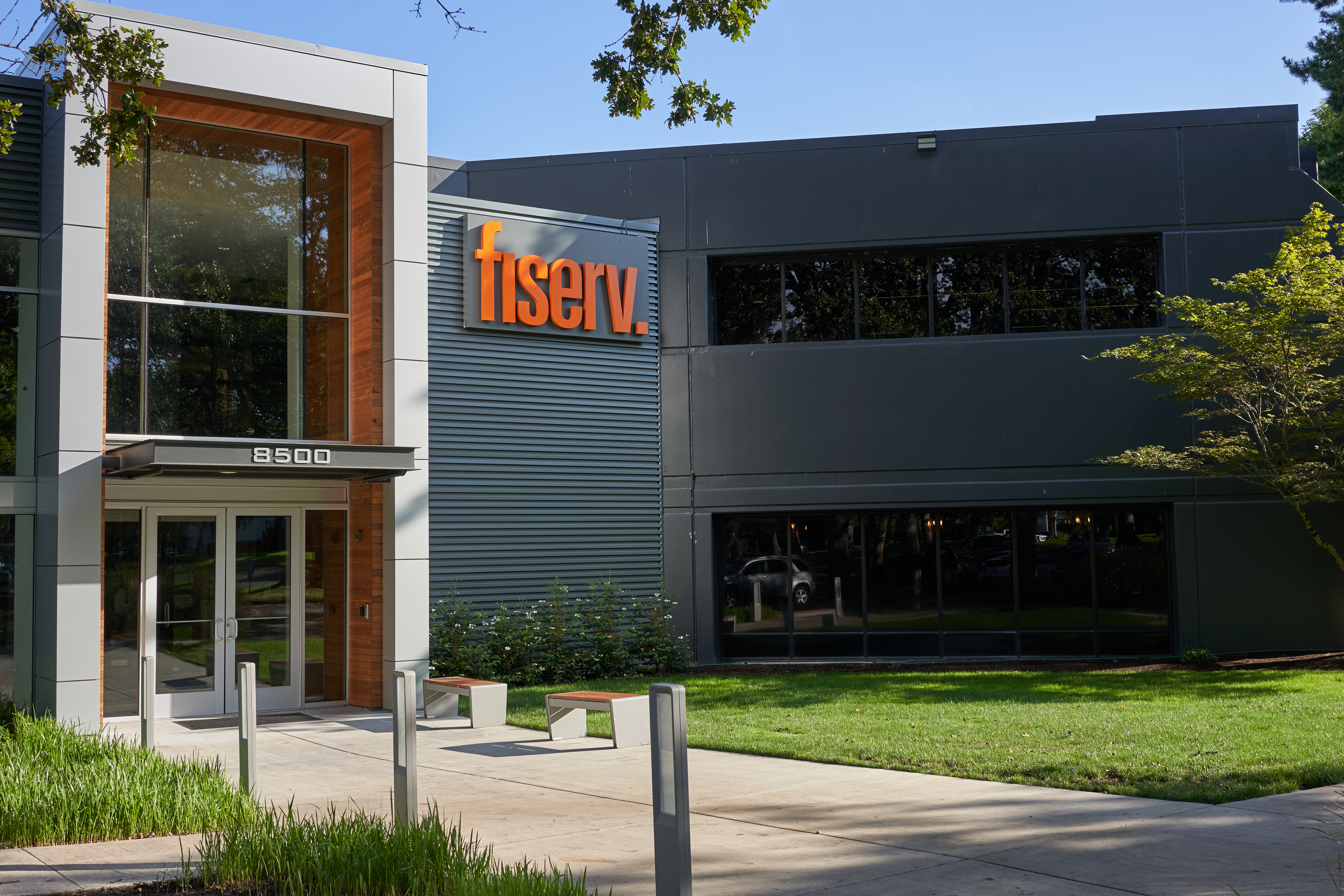
Fiserv President Resigns for 'Good Reason' Amid Sale Talks
- Executive Resignation: Fiserv President Dhivya Suryadevara has resigned for 'good reason,' effective Tuesday, while remaining a non-executive officer until July 31, 2026, to ensure a smooth transition of her responsibilities.
- Interim Leadership Appointments: Concurrently, Andrew Gelb and Srini Krish have been appointed as interim leaders of the Financial Solutions business, effective immediately, demonstrating the company's ability to manage during executive transitions.
- Potential Sale Rumors: Fiserv is reportedly exploring the potential sale of its debit card transaction network to a group of major U.S. banks, which could significantly impact the company's market positioning and future strategy.
- Stock Price Fluctuation: Fiserv's stock slipped 0.4% in after-hours trading, reflecting market caution regarding the executive changes and potential sale news.
See More

Stock Market Declines as Tech Stocks Suffer

- Market Performance: The stock market finished lower on Tuesday, with the Nasdaq dropping 1.2%, reflecting investors' reassessment of AI valuations, which pressured tech stocks and affected overall market sentiment.
- Dow Jones Fluctuation: The Dow briefly hit a record high but ultimately fell 0.3%, indicating market uncertainty and investor concerns about future economic prospects.
- Fiserv Executive Change: Fiserv's CEO Dhivya Suryadevara resigned for 'good reason,' causing the company's shares to slip in after-hours trading, highlighting the impact of leadership changes on market confidence.
- Penguin Solutions Strong Performance: Penguin Solutions' stock rose over 11% after posting fiscal third-quarter results that exceeded expectations, demonstrating its strong performance in the semiconductor sector and gaining market recognition.
See More
Fiserv's Potential Network Sale Attracts Attention
- Potential Sale Impact: Analysts noted that a sale of Fiserv's STAR or Accel debit network to major banks like JPMorgan, Bank of America, Wells Fargo, or PNC Financial could significantly enhance these banks' debit economics and be highly accretive to Fiserv's earnings.
- Regulatory Scrutiny Risks: While the potential transaction could yield benefits, Raymond James cautioned that selling the debit card network may attract significant regulatory scrutiny, particularly as it could be viewed as an attempt to circumvent the Durbin Amendment, leading to higher fees for merchants.
- Leadership Transition: Fiserv President Dhivya Suryadevara resigned effective July 7, yet she will remain in a non-executive role until July 31 to facilitate a transition, which may impact the company's strategic direction moving forward.
- Retail Market Reaction: Fiserv's stock garnered a 102% increase in retail attention over the past 24 hours, despite a nearly 20% decline in share price this year, indicating a cautious yet interested sentiment among investors regarding the potential sale.
See More
US Stocks Close Lower as Chipmakers Weigh on Market
- Market Decline: On Tuesday, the S&P 500 index fell by 0.45%, the Dow Jones Industrial Average dropped by 0.25%, and the Nasdaq 100 index decreased by 1.77%, indicating a broader market decline under pressure from a selloff in chipmakers, reflecting investor concerns over high valuations.
- Samsung's Earnings Disappointment: Despite Samsung Electronics reporting a 19-fold profit surge, its stock plummeted over 8% in South Korea, suggesting market skepticism regarding the future profitability of the semiconductor sector, which could impact investor confidence in related companies.
- Geopolitical Risks Heightened: Crude oil prices surged to a 1.5-week high due to attacks on shipping in the Strait of Hormuz, raising inflation expectations and pushing bond yields higher, with the 10-year T-note yield reaching a 3.5-week high of 4.54%, adding uncertainty to the market.
- Strength in Software Stocks: Despite the overall market pressure, strong performance in software stocks indicates a rotation of funds into other sectors, with companies like Workday seeing stock price increases of over 4%, providing some support for the market.
See More
Fiserv Explores Sale of STAR Network Debit Processing Business
- Acquisition Interest: Several banks, including Bank of America, JPMorgan Chase, Wells Fargo, and PNC, have shown interest in acquiring Fiserv's STAR Network business, indicating strong market interest in this unit.
- Positive Stock Reaction: Fiserv's stock rose nearly 2% following reports that management was in discussions with multiple banks, reflecting investor optimism amidst a 0.5% decline in the S&P 500 index.
- Large Market Scale: The STAR Network services over 115 million cardholders and partners with more than 2,800 financial institutions, underscoring its significance and market position in U.S. debit card transactions.
- Strategic Restructuring Signal: The potential sale suggests that Fiserv is attempting to streamline and rationalize its operations, which investors have reacted positively to, indicating a possible path toward greater operational efficiency in the future.
See More
Fiserv Explores Sale of STAR Network Business Unit
- Stock Gains: Fiserv's stock rose nearly 2% following reports that management is in discussions with several banks about selling its STAR Network business unit, contrasting with a 0.5% decline in the S&P 500, indicating positive market sentiment.
- Potential Buyers: According to Reuters, Fiserv is in talks with banks including Bank of America, JPMorgan Chase, Wells Fargo, and PNC, which are motivated to acquire STAR Network for potential exemptions from federal debit card fee caps.
- Market Reach: STAR Network serves over 115 million debit cardholders and more than 2,800 financial institutions, highlighting its critical role in the debit transaction ecosystem and its potential value to prospective buyers.
- Business Restructuring: While the financial implications of a potential sale remain speculative, this move suggests Fiserv is aiming to streamline its operations after a challenging period, which investors have responded to positively, reflecting their interest in the company's strategic direction.
See More
Fiserv President Resigns for 'Good Reason' Amid Sale Talks
- Executive Resignation: Fiserv President Dhivya Suryadevara has resigned for 'good reason,' effective Tuesday, while remaining a non-executive officer until July 31, 2026, to ensure a smooth transition of her responsibilities.
- Interim Leadership Appointments: Concurrently, Andrew Gelb and Srini Krish have been appointed as interim leaders of the Financial Solutions business, effective immediately, demonstrating the company's ability to manage during executive transitions.
- Potential Sale Rumors: Fiserv is reportedly exploring the potential sale of its debit card transaction network to a group of major U.S. banks, which could significantly impact the company's market positioning and future strategy.
- Stock Price Fluctuation: Fiserv's stock slipped 0.4% in after-hours trading, reflecting market caution regarding the executive changes and potential sale news.
See More
Stock Market Declines as Tech Stocks Suffer
- Market Performance: The stock market finished lower on Tuesday, with the Nasdaq dropping 1.2%, reflecting investors' reassessment of AI valuations, which pressured tech stocks and affected overall market sentiment.
- Dow Jones Fluctuation: The Dow briefly hit a record high but ultimately fell 0.3%, indicating market uncertainty and investor concerns about future economic prospects.
- Fiserv Executive Change: Fiserv's CEO Dhivya Suryadevara resigned for 'good reason,' causing the company's shares to slip in after-hours trading, highlighting the impact of leadership changes on market confidence.
- Penguin Solutions Strong Performance: Penguin Solutions' stock rose over 11% after posting fiscal third-quarter results that exceeded expectations, demonstrating its strong performance in the semiconductor sector and gaining market recognition.
See More