Comparing Novo Nordisk and Eli Lilly in the Obesity Drug Race
Written by Emily J. Thompson, Senior Investment Analyst
Updated: 1 hour ago
0mins
Source: Fool
- Market Leadership: Novo Nordisk's leadership in the GLP-1 drug sector positions it advantageously in the obesity treatment market, which is expected to drive future revenue growth, especially against the backdrop of rising global obesity rates.
- Product Diversity: Compared to Eli Lilly, Novo Nordisk's optionality in the NASH/MASH space provides additional market opportunities, potentially attracting more investor interest in its long-term growth potential.
- Dividend Appeal: Novo Nordisk's dividend policy is more attractive than Eli Lilly's, which may draw in investors seeking stable returns, thereby enhancing its competitiveness in the capital markets.
- Portfolio Fit: The differing strategies of both companies in the obesity and metabolic disease sectors allow investors to select stocks that align with their risk preferences and investment goals, further enriching the diversity of their portfolios.
Trade with 70% Backtested Accuracy
Stop guessing "Should I Buy NVO?" and start using high-conviction signals backed by rigorous historical data.
Sign up today to access powerful investing tools and make smarter, data-driven decisions.
Analyst Views on NVO
Wall Street analysts forecast NVO stock price to rise
8 Analyst Rating
4 Buy
3 Hold
1 Sell
Moderate Buy
Current: 47.640

Low
42.00
Averages
54.67
High
70.00
Current: 47.640
Low
42.00
Averages
54.67
High
70.00
About NVO
Novo Nordisk A/S is a global healthcare company engaged in diabetes care. The Company is also engaged in the discovery, development, manufacturing and marketing of pharmaceutical products. The Company operates through two business segments: diabetes and obesity care, and biopharmaceuticals. The Company's diabetes and obesity care segment covers insulin, GLP-1, other protein-related products, such as glucagon, protein-related delivery systems and needles, and oral anti-diabetic drugs. The Company's biopharmaceuticals segment covers the therapy areas of hemophilia care, growth hormone therapy and hormone replacement therapy. The Company also offers Saxenda product to treat obesity. It offers a range of products, including NovoLog/NovoRapid; NovoLog Mix/NovoMix; Prandin/NovoNorm; NovoSeven; Norditropin, and Vagifem. As of December 31, 2016, it marketed its products in over 180 countries. Its regional structure consists of two commercial units: North America and International Operations.
About the author

Emily J. Thompson
Emily J. Thompson, a Chartered Financial Analyst (CFA) with 12 years in investment research, graduated with honors from the Wharton School. Specializing in industrial and technology stocks, she provides in-depth analysis for Intellectia’s earnings and market brief reports.
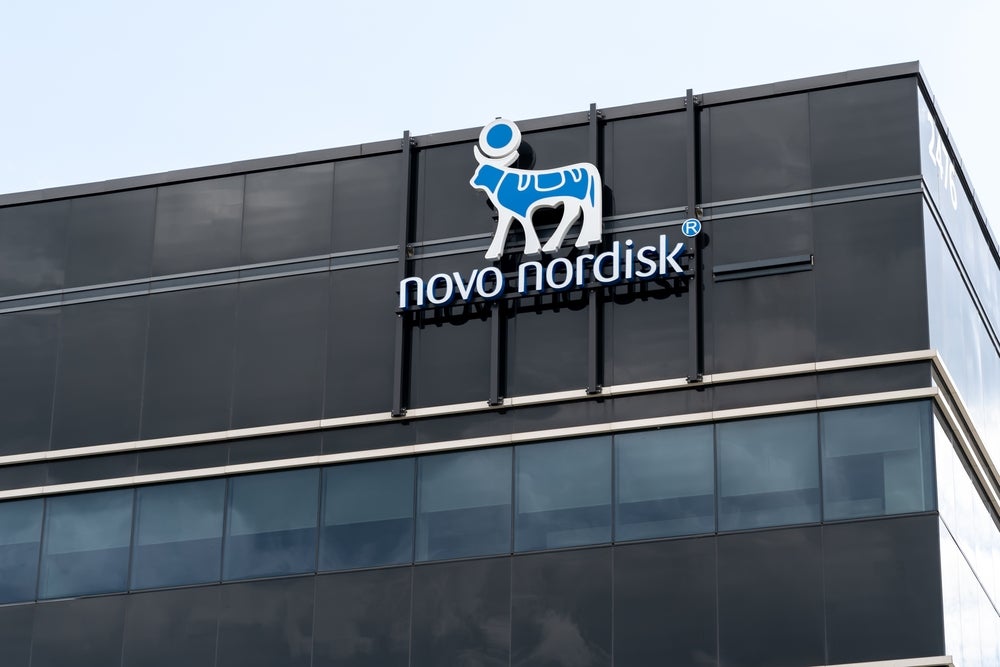
Eli Lilly vs. Novo Nordisk in Obesity Drug Race

- Market Leadership: Eli Lilly leads in next-generation obesity drugs, while Novo Nordisk offers a cheaper, dividend-paying alternative, highlighting their distinct market strategies.
- Cash Flow Stability: Novo Nordisk's steady insulin cash flows and new MASH investment could drive growth beyond its core diabetes focus, indicating potential for diversification.
- Investment Appeal: Despite Novo Nordisk's competitive edge in obesity and metabolic drugs, analysts noted it was not included in the current best stock recommendations, reflecting market caution regarding its future performance.
- Return Comparison: Compared to Novo Nordisk, Eli Lilly's stock has shown higher return potential in past performances, especially in high-growth areas that may influence investor choices.
See More

Comparing Novo Nordisk and Eli Lilly in the Obesity Drug Race
- Market Leadership: Novo Nordisk's leadership in the GLP-1 drug sector positions it advantageously in the obesity treatment market, which is expected to drive future revenue growth, especially against the backdrop of rising global obesity rates.
- Product Diversity: Compared to Eli Lilly, Novo Nordisk's optionality in the NASH/MASH space provides additional market opportunities, potentially attracting more investor interest in its long-term growth potential.
- Dividend Appeal: Novo Nordisk's dividend policy is more attractive than Eli Lilly's, which may draw in investors seeking stable returns, thereby enhancing its competitiveness in the capital markets.
- Portfolio Fit: The differing strategies of both companies in the obesity and metabolic disease sectors allow investors to select stocks that align with their risk preferences and investment goals, further enriching the diversity of their portfolios.
See More
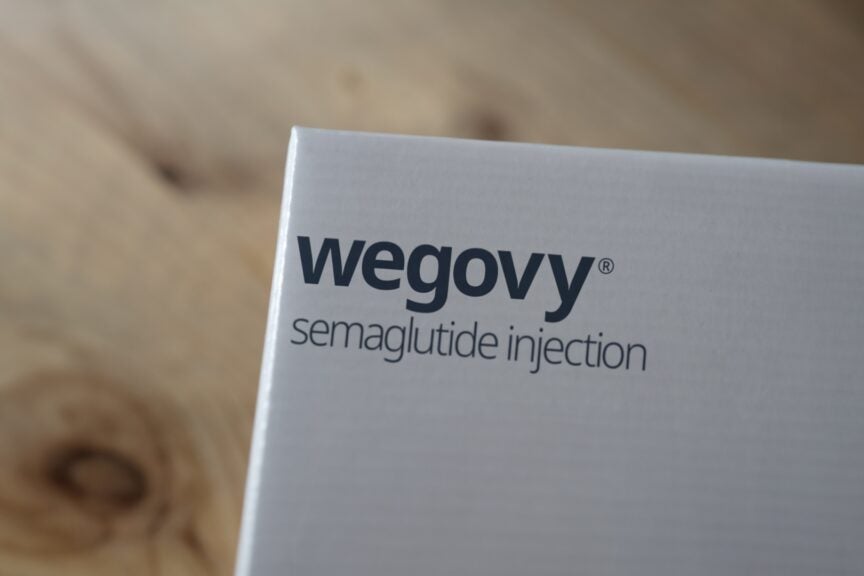
New Medicare Program Expands Access to Weight Loss Drugs for Millions
- Medicare Program Launch: The new Medicare GLP-1 Bridge program will provide eligible Medicare Part D beneficiaries access to specific GLP-1 drugs from July 1, 2026, to December 31, 2027, with a predictable $50 copayment, significantly reducing patient financial burdens.
- Drug Coverage Scope: The program covers Eli Lilly's Foundayo and Zepbound KwikPen, as well as Novo Nordisk's Wegovy (both injection and tablets), but only for weight loss purposes, with an estimated 3 million people expected to qualify for participation.
- Market Potential Surge: Morgan Stanley Research anticipates that the expansion of Medicare access and the launch of oral GLP-1 therapies will elevate the global GLP-1 drug market to $190 billion by 2035, an increase of $40 billion from previous estimates, indicating substantial growth potential.
- Treatment Adoption Increase: By 2035, nearly 30% of obese or diabetic individuals in the U.S. are projected to receive GLP-1 therapy, with the global rate rising to 10%, significantly boosting drug demand and company revenues.
See More
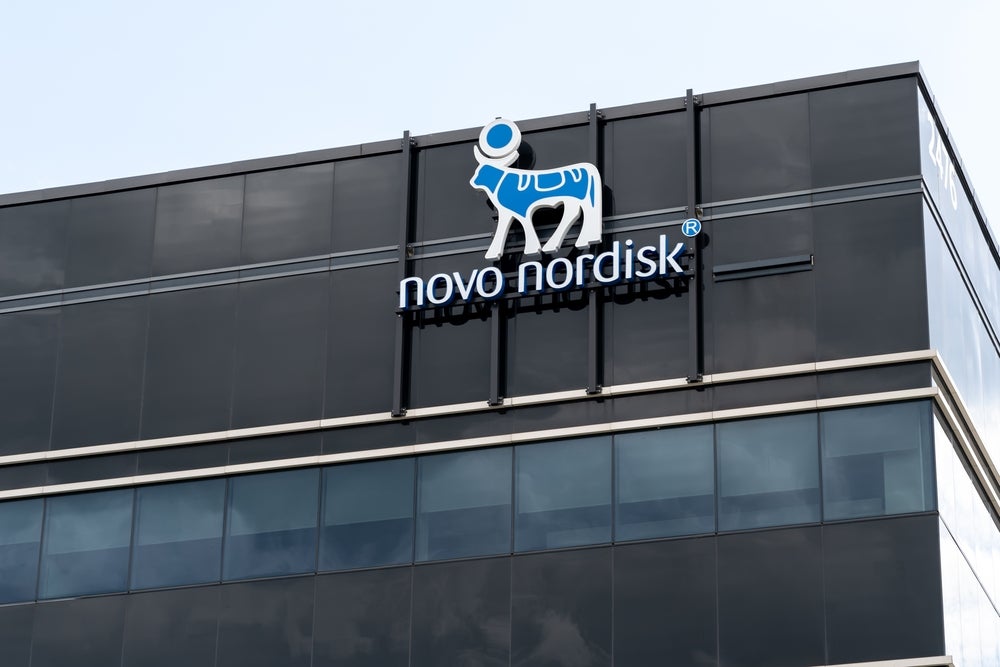
Challenges Ahead for GLP-1 Weight Loss Drugs
- Employer Coverage Concerns: A Mercer study indicates that 6% of large employers dropped GLP-1 medication coverage in 2026, with more cuts anticipated for 2027, reflecting ongoing worries about the rising costs of these drugs.
- Impact of Rising Costs: According to an NFP survey, 51% of employers cite GLP-1s as the primary driver of increasing prescription drug costs, highlighting a disconnect between strong employee demand for weight-loss medications and employers' reluctance to absorb high expenses, leading to tighter coverage policies.
- Effectiveness vs. Cost Dilemma: Although the oral GLP-1 medications are priced similarly to injectables, clinical trials suggest they are less effective for weight loss, which may lead some employers to exclude them from their drug coverage lists, further limiting employee options.
- Future Market Competition Expectations: Currently, only two major pharmaceutical companies produce GLP-1 drugs, restricting market competition; however, the anticipated introduction of new drugs within the next year is expected to increase competition and potentially drive prices down, although consumers will continue to face high costs in the short term.
See More

Estrogen Patch Shortage Impacts Hormone Therapy

- Surge in Demand: Prescriptions for estrogen patches have surged by 162% over the past two years, primarily due to the FDA's removal of a long-standing black box warning last fall, significantly impacting the supply-demand balance in the market.
- Production Challenges: Three types of estrogen patches are currently in shortage; while the FDA has not officially declared a shortage, manufacturers like Amneal are working to ramp up production to meet rising demand, highlighting the complexities and challenges in the manufacturing process.
- Exploration of Alternatives: With patches in short supply, doctors are recommending estrogen gels or customized creams from compounding pharmacies, although these alternatives are often not covered by insurance, placing an additional financial burden on patients.
- Uncertain Market Outlook: Experts predict that it may take one to two years for manufacturers to balance supply and demand, meaning women may face difficulties in treatment options during this period, adversely affecting their quality of life and health management.
See More

Keros Therapeutics Appoints New Board Member
- New Board Appointment: Keros Therapeutics announced the appointment of Anne Prener to its Board of Directors, effective July 1, 2026, with her current role as a Senior Innovation Advisor at the University of Copenhagen expected to bring fresh strategic insights to the company.
- Extensive Industry Experience: Prener previously served as CEO at Imbria Pharmaceuticals and held similar positions at Freeline Therapeutics and Gyroscope Therapeutics, and her extensive management experience is anticipated to aid Keros in further development within the biopharmaceutical sector.
- Diverse Board Background: Having held the position of Senior Vice President at Novo Nordisk overseeing Hemophilia R&D, Prener's board memberships at various biotech firms enhance Keros's industry connections and resource integration capabilities.
- Market Reaction: Keros's stock closed at $10.41 on Thursday, down 4.76%, indicating that while executive changes may affect market sentiment, the long-term strategic direction remains to be observed.
See More
Eli Lilly vs. Novo Nordisk in Obesity Drug Race
- Market Leadership: Eli Lilly leads in next-generation obesity drugs, while Novo Nordisk offers a cheaper, dividend-paying alternative, highlighting their distinct market strategies.
- Cash Flow Stability: Novo Nordisk's steady insulin cash flows and new MASH investment could drive growth beyond its core diabetes focus, indicating potential for diversification.
- Investment Appeal: Despite Novo Nordisk's competitive edge in obesity and metabolic drugs, analysts noted it was not included in the current best stock recommendations, reflecting market caution regarding its future performance.
- Return Comparison: Compared to Novo Nordisk, Eli Lilly's stock has shown higher return potential in past performances, especially in high-growth areas that may influence investor choices.
See More
Comparing Novo Nordisk and Eli Lilly in the Obesity Drug Race
- Market Leadership: Novo Nordisk's leadership in the GLP-1 drug sector positions it advantageously in the obesity treatment market, which is expected to drive future revenue growth, especially against the backdrop of rising global obesity rates.
- Product Diversity: Compared to Eli Lilly, Novo Nordisk's optionality in the NASH/MASH space provides additional market opportunities, potentially attracting more investor interest in its long-term growth potential.
- Dividend Appeal: Novo Nordisk's dividend policy is more attractive than Eli Lilly's, which may draw in investors seeking stable returns, thereby enhancing its competitiveness in the capital markets.
- Portfolio Fit: The differing strategies of both companies in the obesity and metabolic disease sectors allow investors to select stocks that align with their risk preferences and investment goals, further enriching the diversity of their portfolios.
See More
New Medicare Program Expands Access to Weight Loss Drugs for Millions
- Medicare Program Launch: The new Medicare GLP-1 Bridge program will provide eligible Medicare Part D beneficiaries access to specific GLP-1 drugs from July 1, 2026, to December 31, 2027, with a predictable $50 copayment, significantly reducing patient financial burdens.
- Drug Coverage Scope: The program covers Eli Lilly's Foundayo and Zepbound KwikPen, as well as Novo Nordisk's Wegovy (both injection and tablets), but only for weight loss purposes, with an estimated 3 million people expected to qualify for participation.
- Market Potential Surge: Morgan Stanley Research anticipates that the expansion of Medicare access and the launch of oral GLP-1 therapies will elevate the global GLP-1 drug market to $190 billion by 2035, an increase of $40 billion from previous estimates, indicating substantial growth potential.
- Treatment Adoption Increase: By 2035, nearly 30% of obese or diabetic individuals in the U.S. are projected to receive GLP-1 therapy, with the global rate rising to 10%, significantly boosting drug demand and company revenues.
See More
Challenges Ahead for GLP-1 Weight Loss Drugs
- Employer Coverage Concerns: A Mercer study indicates that 6% of large employers dropped GLP-1 medication coverage in 2026, with more cuts anticipated for 2027, reflecting ongoing worries about the rising costs of these drugs.
- Impact of Rising Costs: According to an NFP survey, 51% of employers cite GLP-1s as the primary driver of increasing prescription drug costs, highlighting a disconnect between strong employee demand for weight-loss medications and employers' reluctance to absorb high expenses, leading to tighter coverage policies.
- Effectiveness vs. Cost Dilemma: Although the oral GLP-1 medications are priced similarly to injectables, clinical trials suggest they are less effective for weight loss, which may lead some employers to exclude them from their drug coverage lists, further limiting employee options.
- Future Market Competition Expectations: Currently, only two major pharmaceutical companies produce GLP-1 drugs, restricting market competition; however, the anticipated introduction of new drugs within the next year is expected to increase competition and potentially drive prices down, although consumers will continue to face high costs in the short term.
See More
Estrogen Patch Shortage Impacts Hormone Therapy
- Surge in Demand: Prescriptions for estrogen patches have surged by 162% over the past two years, primarily due to the FDA's removal of a long-standing black box warning last fall, significantly impacting the supply-demand balance in the market.
- Production Challenges: Three types of estrogen patches are currently in shortage; while the FDA has not officially declared a shortage, manufacturers like Amneal are working to ramp up production to meet rising demand, highlighting the complexities and challenges in the manufacturing process.
- Exploration of Alternatives: With patches in short supply, doctors are recommending estrogen gels or customized creams from compounding pharmacies, although these alternatives are often not covered by insurance, placing an additional financial burden on patients.
- Uncertain Market Outlook: Experts predict that it may take one to two years for manufacturers to balance supply and demand, meaning women may face difficulties in treatment options during this period, adversely affecting their quality of life and health management.
See More
Keros Therapeutics Appoints New Board Member
- New Board Appointment: Keros Therapeutics announced the appointment of Anne Prener to its Board of Directors, effective July 1, 2026, with her current role as a Senior Innovation Advisor at the University of Copenhagen expected to bring fresh strategic insights to the company.
- Extensive Industry Experience: Prener previously served as CEO at Imbria Pharmaceuticals and held similar positions at Freeline Therapeutics and Gyroscope Therapeutics, and her extensive management experience is anticipated to aid Keros in further development within the biopharmaceutical sector.
- Diverse Board Background: Having held the position of Senior Vice President at Novo Nordisk overseeing Hemophilia R&D, Prener's board memberships at various biotech firms enhance Keros's industry connections and resource integration capabilities.
- Market Reaction: Keros's stock closed at $10.41 on Thursday, down 4.76%, indicating that while executive changes may affect market sentiment, the long-term strategic direction remains to be observed.
See More