Comparative Investment Analysis: Robinhood vs. Interactive Brokers
Written by Emily J. Thompson, Senior Investment Analyst
Updated: 1 hour ago
0mins
Source: Fool
- Robinhood Market Performance: In FY 2025, Robinhood's revenue reached nearly $4.5 billion, reflecting a significant 51.6% year-over-year increase, with net income close to $1.9 billion and a net margin of 42.1%, indicating substantial improvements in user base expansion and product diversification.
- Interactive Brokers Financial Health: Interactive Brokers generated approximately $10.2 billion in revenue for FY 2025, marking a growth rate of 9.8%, with net income nearing $984 million and a net margin of 9.6%, showcasing its ability to attract larger account balances and maintain high transaction volumes.
- Risk Analysis: Robinhood's reliance on payment for order flow exposes it to regulatory risks and competitive pressures from traditional players, while Interactive Brokers is highly sensitive to global trading volumes and interest rate fluctuations, which can lead to unpredictable quarterly results.
- Valuation Comparison: Interactive Brokers trades at a forward P/E of 33.0x, lower than Robinhood's 40.0x, indicating relative value in the market, although both companies cater to different investor demographics with distinct advantages.
Trade with 70% Backtested Accuracy
Stop guessing "Should I Buy HOOD?" and start using high-conviction signals backed by rigorous historical data.
Sign up today to access powerful investing tools and make smarter, data-driven decisions.
Analyst Views on HOOD
Wall Street analysts forecast HOOD stock price to rise
20 Analyst Rating
16 Buy
4 Hold
0 Sell
Strong Buy
Current: 73.640

Low
130.00
Averages
156.24
High
181.00
Current: 73.640
Low
130.00
Averages
156.24
High
181.00
About HOOD
Robinhood Markets, Inc. is creating a financial services platform for everyone, regardless of their wealth, income, or background. It uses technology to provide access to the financial system. Its offerings include Brokerage, Robinhood Crypto, Custody, Robinhood Wallet, Robinhood Gold, and Robinhood Gold Card. Its Brokerage services include investing, options trading, fractional trading, recurring investment, access to investing on margin, fully paid securities lending, cash sweep, instant withdrawals, Robinhood retirement, 24-hour market, joint investing accounts, and event contracts. It also offers a variety of ways for its customers to grow their financial knowledge, including Robinhood Learn, In-App Education, Newsfeeds, Sherwood Snacks, and Crypto Learn and Earn. Its self-clearing system, order routing system, data platform, and other back-end infrastructure deliver the capabilities that allow its customers to focus on investing, saving and spending.
About the author

Emily J. Thompson
Emily J. Thompson, a Chartered Financial Analyst (CFA) with 12 years in investment research, graduated with honors from the Wharton School. Specializing in industrial and technology stocks, she provides in-depth analysis for Intellectia’s earnings and market brief reports.

Hyperliquid's Rapid Growth Mirrors Robinhood's Success

- Market Share Growth: Hyperliquid commands over 60% of on-chain derivative open interest, processing an impressive $2.9 trillion in activity in 2025, indicating strong performance in a competitive crypto market that may attract more investor interest.
- Token Buyback Mechanism: The platform channels 97% of trading fees into HYPE token buybacks, repurchasing $192 million worth in Q1 2023, with all repurchased tokens burned, thereby reducing circulating supply and enhancing the value for holders, which boosts user investment confidence.
- Direct Revenue-Holder Value Link: Hyperliquid's revenue model has a more direct correlation with holder value compared to traditional stock earnings, suggesting that this design could influence the future development of cryptocurrency platforms, appealing to investors seeking high returns.
- Competitive Environment Challenges: While Hyperliquid shows potential to become the next Robinhood, it faces significant competition from established players like Robinhood since its launch in 2023, which may impact its long-term growth and market share expansion.
See More

Comparative Analysis of Robinhood and Interactive Brokers

- Significant Revenue Growth: Robinhood's revenue for FY 2025 reached nearly $4.5 billion, representing a substantial increase of approximately 51.6%, highlighting its strong growth potential in the fintech sector, particularly in user base expansion and product diversification.
- Outstanding Net Income Performance: During the same year, Robinhood reported a net income of close to $1.9 billion, yielding a net margin of about 42.1%, marking a dramatic financial turnaround that enhances its competitive position in the market.
- Global Influence of Interactive Brokers: Interactive Brokers generated approximately $10.2 billion in revenue for FY 2025, with a growth rate of nearly 9.8%, showcasing its robust position in the global market with a highly diversified customer base where no single client accounts for more than 2% of total commissions.
- Strong Financial Health: Interactive Brokers boasts a debt-to-equity ratio of 0.0, indicating virtually no debt, with a current ratio of about 1.1, reflecting good short-term liquidity, while its free cash flow reached nearly $15.7 billion, demonstrating strong operational cash flow capabilities.
See More

Comparative Investment Analysis: Robinhood vs. Interactive Brokers
- Robinhood Market Performance: In FY 2025, Robinhood's revenue reached nearly $4.5 billion, reflecting a significant 51.6% year-over-year increase, with net income close to $1.9 billion and a net margin of 42.1%, indicating substantial improvements in user base expansion and product diversification.
- Interactive Brokers Financial Health: Interactive Brokers generated approximately $10.2 billion in revenue for FY 2025, marking a growth rate of 9.8%, with net income nearing $984 million and a net margin of 9.6%, showcasing its ability to attract larger account balances and maintain high transaction volumes.
- Risk Analysis: Robinhood's reliance on payment for order flow exposes it to regulatory risks and competitive pressures from traditional players, while Interactive Brokers is highly sensitive to global trading volumes and interest rate fluctuations, which can lead to unpredictable quarterly results.
- Valuation Comparison: Interactive Brokers trades at a forward P/E of 33.0x, lower than Robinhood's 40.0x, indicating relative value in the market, although both companies cater to different investor demographics with distinct advantages.
See More
Robinhood's Acquisition of WonderFi Approved by Regulators
- Acquisition Approval: Robinhood Markets' acquisition of WonderFi Technologies has received approval from the Canadian Investment Regulatory Organization, with a total equity value of C$250 million, marking a strategic move to accelerate Robinhood's expansion in the Canadian crypto market.
- Deal Background: The acquisition agreement was reached in May last year, aimed at enhancing Robinhood's competitiveness in the cryptocurrency market by integrating WonderFi's resources and technology, particularly in Canada.
- Regulatory Requirements: No further regulatory approvals are needed for the merger, streamlining the consolidation process, which is expected to close on or about June 1, 2026, further solidifying Robinhood's market position in North America.
- Market Impact: As the deal progresses, Robinhood is poised to leverage WonderFi's technological advantages to strengthen its capabilities in the cryptocurrency sector, despite current market pressures from inflation and rising interest rates.
See More
Regulatory Battle Intensifies Over Prediction Markets

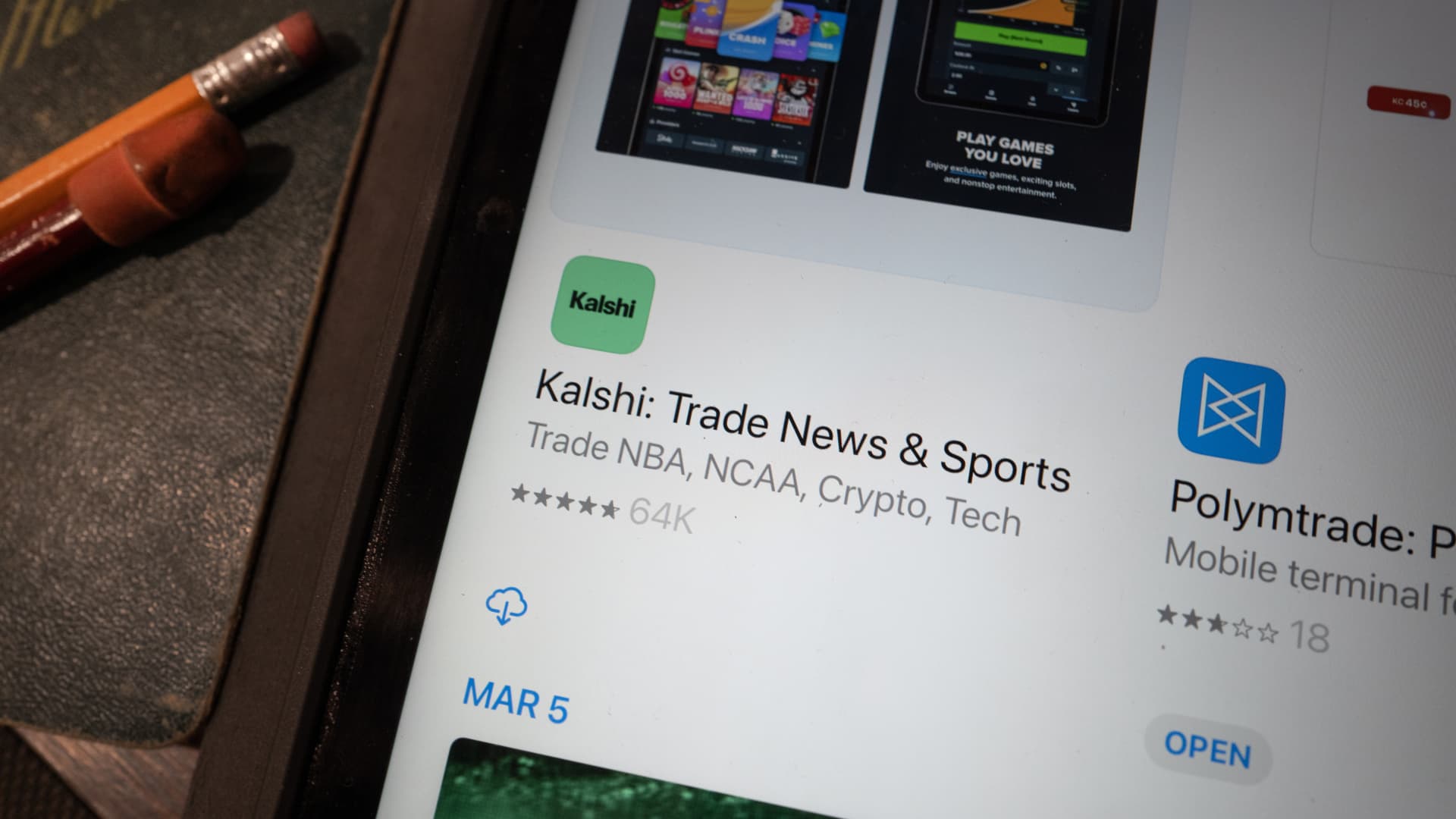
- Market Growth Momentum: Despite legal uncertainties, Kalshi's valuation has surged from $11 billion in December to $22 billion, indicating sustained investor confidence in prediction markets and reflecting the sector's potential profitability.
- Regulatory Dispute: Legal battles between the Commodity Futures Trading Commission and 17 states over the jurisdiction of prediction markets are underway, with states arguing these markets resemble gambling, which could impact future market structures and operational models.
- Corporate Investment Strategies: CEOs of Flutter Entertainment and DraftKings have both expressed intentions to continue investing in prediction market platforms despite regulatory risks, demonstrating their confidence in long-term market growth, which may drive further industry development.
- Diverse Market Opportunities: CME Group's CEO noted that, aside from sports event contracts, other event contracts related to economics, politics, and financial predictions are experiencing less scrutiny, with estimates suggesting that by 2030, sports contracts will only account for 30% of trading volumes.
See More

Tokenization Set to Transform Financial Asset Markets


- Market Potential of Tokenization: Michael Saylor stated on CNBC that tokenization creates a free market for credit formation and yield for asset owners, breaking the traditional finance system's control by banks over financing terms, allowing asset owners to flexibly choose the best credit conditions and highest yields.
- Challenge to Traditional Finance: Saylor emphasized that in the traditional finance system, banks dictate customers' financing terms, limiting choices, while tokenization promotes the liberalization of capital markets by increasing liquidity and volatility of capital assets, posing a direct challenge to traditional banking and brokerage businesses.
- Anticipation of Legal Framework: As the Clarity Act progresses through Congress, the potential establishment of a legal framework for fully on-chain real-world assets is expected to further legitimize tokenized securities, facilitating their integration into mainstream finance.
- Active Market Participation: Platforms like Coinbase, Robinhood, and Gemini are already offering tokenized stock trading to select customers, indicating a growing demand for tokenized financial products and signaling a transformative shift in future financial markets.
See More
Hyperliquid's Rapid Growth Mirrors Robinhood's Success
- Market Share Growth: Hyperliquid commands over 60% of on-chain derivative open interest, processing an impressive $2.9 trillion in activity in 2025, indicating strong performance in a competitive crypto market that may attract more investor interest.
- Token Buyback Mechanism: The platform channels 97% of trading fees into HYPE token buybacks, repurchasing $192 million worth in Q1 2023, with all repurchased tokens burned, thereby reducing circulating supply and enhancing the value for holders, which boosts user investment confidence.
- Direct Revenue-Holder Value Link: Hyperliquid's revenue model has a more direct correlation with holder value compared to traditional stock earnings, suggesting that this design could influence the future development of cryptocurrency platforms, appealing to investors seeking high returns.
- Competitive Environment Challenges: While Hyperliquid shows potential to become the next Robinhood, it faces significant competition from established players like Robinhood since its launch in 2023, which may impact its long-term growth and market share expansion.
See More
Comparative Analysis of Robinhood and Interactive Brokers
- Significant Revenue Growth: Robinhood's revenue for FY 2025 reached nearly $4.5 billion, representing a substantial increase of approximately 51.6%, highlighting its strong growth potential in the fintech sector, particularly in user base expansion and product diversification.
- Outstanding Net Income Performance: During the same year, Robinhood reported a net income of close to $1.9 billion, yielding a net margin of about 42.1%, marking a dramatic financial turnaround that enhances its competitive position in the market.
- Global Influence of Interactive Brokers: Interactive Brokers generated approximately $10.2 billion in revenue for FY 2025, with a growth rate of nearly 9.8%, showcasing its robust position in the global market with a highly diversified customer base where no single client accounts for more than 2% of total commissions.
- Strong Financial Health: Interactive Brokers boasts a debt-to-equity ratio of 0.0, indicating virtually no debt, with a current ratio of about 1.1, reflecting good short-term liquidity, while its free cash flow reached nearly $15.7 billion, demonstrating strong operational cash flow capabilities.
See More
Comparative Investment Analysis: Robinhood vs. Interactive Brokers
- Robinhood Market Performance: In FY 2025, Robinhood's revenue reached nearly $4.5 billion, reflecting a significant 51.6% year-over-year increase, with net income close to $1.9 billion and a net margin of 42.1%, indicating substantial improvements in user base expansion and product diversification.
- Interactive Brokers Financial Health: Interactive Brokers generated approximately $10.2 billion in revenue for FY 2025, marking a growth rate of 9.8%, with net income nearing $984 million and a net margin of 9.6%, showcasing its ability to attract larger account balances and maintain high transaction volumes.
- Risk Analysis: Robinhood's reliance on payment for order flow exposes it to regulatory risks and competitive pressures from traditional players, while Interactive Brokers is highly sensitive to global trading volumes and interest rate fluctuations, which can lead to unpredictable quarterly results.
- Valuation Comparison: Interactive Brokers trades at a forward P/E of 33.0x, lower than Robinhood's 40.0x, indicating relative value in the market, although both companies cater to different investor demographics with distinct advantages.
See More
Robinhood's Acquisition of WonderFi Approved by Regulators
- Acquisition Approval: Robinhood Markets' acquisition of WonderFi Technologies has received approval from the Canadian Investment Regulatory Organization, with a total equity value of C$250 million, marking a strategic move to accelerate Robinhood's expansion in the Canadian crypto market.
- Deal Background: The acquisition agreement was reached in May last year, aimed at enhancing Robinhood's competitiveness in the cryptocurrency market by integrating WonderFi's resources and technology, particularly in Canada.
- Regulatory Requirements: No further regulatory approvals are needed for the merger, streamlining the consolidation process, which is expected to close on or about June 1, 2026, further solidifying Robinhood's market position in North America.
- Market Impact: As the deal progresses, Robinhood is poised to leverage WonderFi's technological advantages to strengthen its capabilities in the cryptocurrency sector, despite current market pressures from inflation and rising interest rates.
See More
Regulatory Battle Intensifies Over Prediction Markets
- Market Growth Momentum: Despite legal uncertainties, Kalshi's valuation has surged from $11 billion in December to $22 billion, indicating sustained investor confidence in prediction markets and reflecting the sector's potential profitability.
- Regulatory Dispute: Legal battles between the Commodity Futures Trading Commission and 17 states over the jurisdiction of prediction markets are underway, with states arguing these markets resemble gambling, which could impact future market structures and operational models.
- Corporate Investment Strategies: CEOs of Flutter Entertainment and DraftKings have both expressed intentions to continue investing in prediction market platforms despite regulatory risks, demonstrating their confidence in long-term market growth, which may drive further industry development.
- Diverse Market Opportunities: CME Group's CEO noted that, aside from sports event contracts, other event contracts related to economics, politics, and financial predictions are experiencing less scrutiny, with estimates suggesting that by 2030, sports contracts will only account for 30% of trading volumes.
See More
Tokenization Set to Transform Financial Asset Markets
- Market Potential of Tokenization: Michael Saylor stated on CNBC that tokenization creates a free market for credit formation and yield for asset owners, breaking the traditional finance system's control by banks over financing terms, allowing asset owners to flexibly choose the best credit conditions and highest yields.
- Challenge to Traditional Finance: Saylor emphasized that in the traditional finance system, banks dictate customers' financing terms, limiting choices, while tokenization promotes the liberalization of capital markets by increasing liquidity and volatility of capital assets, posing a direct challenge to traditional banking and brokerage businesses.
- Anticipation of Legal Framework: As the Clarity Act progresses through Congress, the potential establishment of a legal framework for fully on-chain real-world assets is expected to further legitimize tokenized securities, facilitating their integration into mainstream finance.
- Active Market Participation: Platforms like Coinbase, Robinhood, and Gemini are already offering tokenized stock trading to select customers, indicating a growing demand for tokenized financial products and signaling a transformative shift in future financial markets.
See More