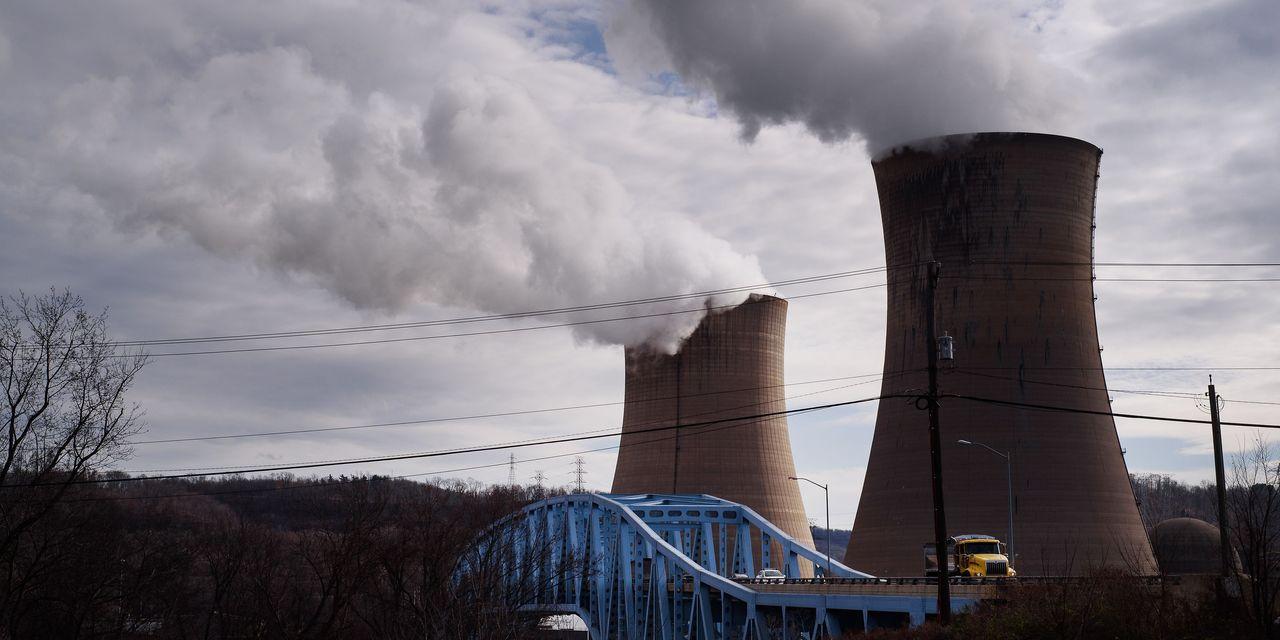
Company Reports Q1 Revenue of $453.2M, Beating Expectations
Reports Q1 revenue $453.2M, consensus $419.69M. "Consistent with our Back-to-Basics framework, during the quarter we took a significant step in strengthening our balance sheet by retiring the remaining $150 million of senior unsecured notes due in 2027 and removing our nearest debt maturity," said Edward C. Dowling Jr., president and CEO. "We had a strong winter across much of North America, and our Salt platform delivered on a high level of sales commitments while continuing to realize pricing gains. Our Plant Nutrition segment delivered another strong quarter at Ogden, with meaningful year-over-year improvement in cost performance and margins. Total company adjusted EBITDA for the quarter was $86.4 million, bringing us to $151.7 million for the first half of the year and on track to achieve our full-year outlook. We increased our Plant Nutrition guidance to reflect the strong results we continue to see in that operation, including higher expected sales volumes, better pricing and lower costs. We decreased our Salt guidance to reflect the differences in regional and product sales mix relative to forecast. Additionally, while we are seeing improvements in mine-level product costs, we have not yet achieved the level of production and efficiency gains in our mining operations that we had expected earlier in the year."
Trade with 70% Backtested Accuracy
Analyst Views on CMP

About CMP
About the author


Compass Minerals Q2 2026 Earnings Call Insights

- Financial Performance: Compass Minerals reported consolidated revenue of $453 million for Q2, down $41 million year-over-year primarily due to lower highway deicing sales, although adjusted EBITDA reached $86 million with a margin of 19.1%, indicating improvements in both salt and plant nutrition segments.
- Debt Management: The company proactively retired $150 million of 2027 senior unsecured notes, reflecting a strong financial management strategy, while total net debt stood at $639 million with a leverage ratio of 2.7x and liquidity of $379 million, indicating robust capacity to meet future debt maturities.
- Market Outlook: Management updated the full-year adjusted EBITDA guidance range to $212 million to $236 million, with the salt segment midpoint revised down from $241 million to $233 million, reflecting shifts in geographic and product mix, while emphasizing a focus on maximizing the value of every ton committed.
- Operational Efficiency: Despite rising production costs in salt due to weather and product mix changes, management is focused on enhancing production efficiency at the Goderich mine, stressing the importance of maintenance and equipment availability in preparation for the upcoming bidding season.

China's Shift in Rare Earth Strategy

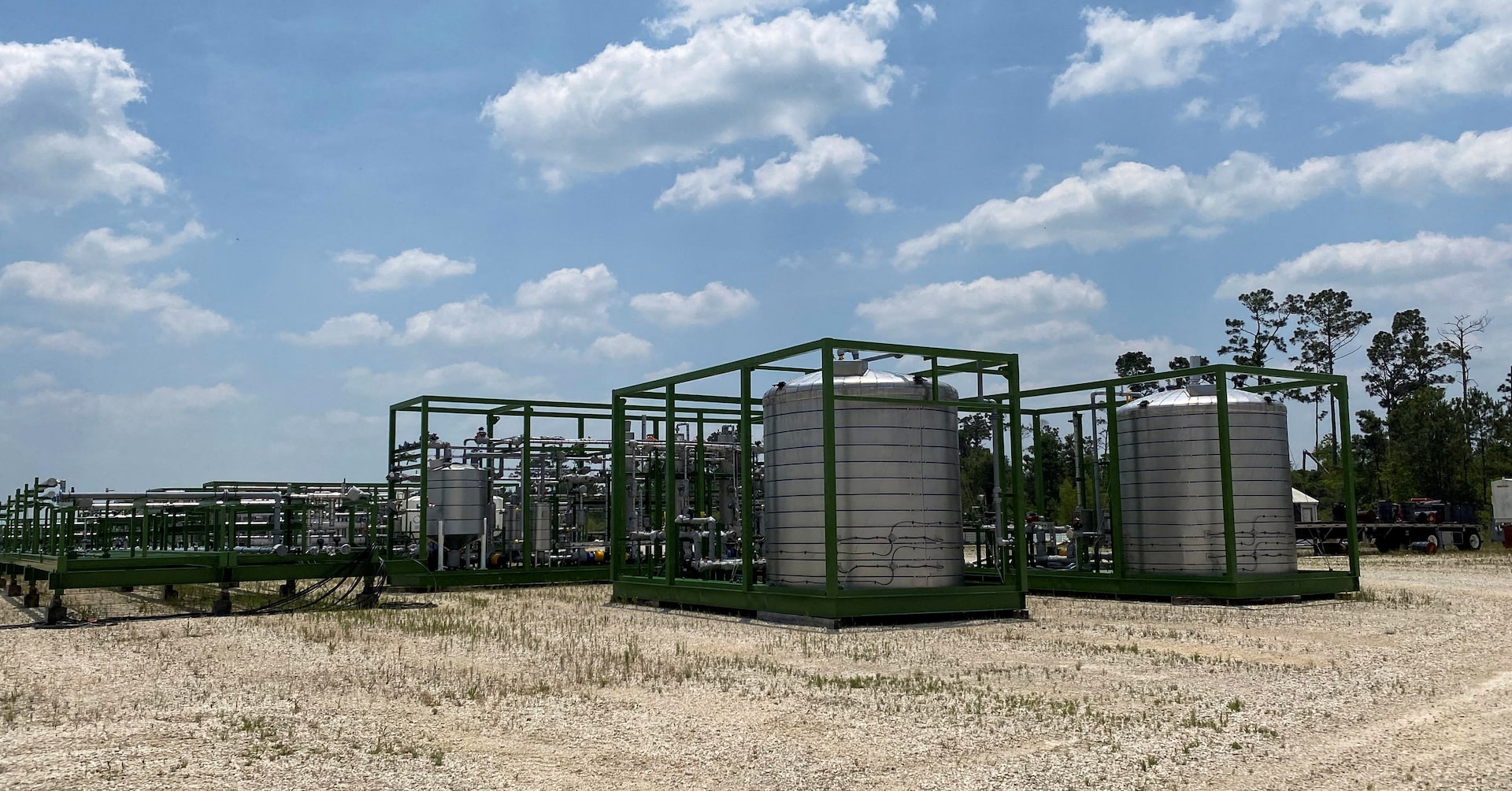
- Policy Change: Starting January 1, 2027, updated U.S. defense procurement rules will ban Chinese-origin rare earth materials, meaning the demand for domestically sourced rare earth metals is no longer market-dependent but mandated by law, providing a stable market foundation for REalloys.
- Government Backing: The U.S. Export-Import Bank has issued a $200 million letter of intent to support REalloys' supply chain development, while the Japan Organization for Metals and Energy Security (JOGMEC) has signed an MOU for technology transfer and potential financing, with this support expected to be insulated from price fluctuations.
- Technological Independence: REalloys has developed a processing pathway that does not rely on Chinese technology through its partnership with the Saskatchewan Research Council, utilizing an AI-driven process to produce higher-purity metals more efficiently, significantly reducing dependence on Chinese equipment.
- Supply Chain Integration: REalloys has established an end-to-end supply chain covering all stages from raw feedstock to finished magnets, with expectations to produce 525 tonnes of neodymium-praseodymium metal and 30 tonnes of dysprosium oxide annually by 2027, positioning itself as the largest source of heavy rare earth oxides outside China and enhancing its market competitiveness.

China's Shift in Rare Earth Strategy

- Market Control: China has effectively manipulated global rare earth prices through control of the Asian Metal Index (AMI) over the past two decades, leading to frequent price crashes that thwart Western companies' attempts to establish independent processing capabilities, thereby reinforcing its monopoly.
- Policy Change Impact: Starting January 1, 2027, new U.S. defense procurement rules will ban Chinese-origin rare earth materials, which will drive demand for domestically sourced rare earths and reduce reliance on market pricing, creating new growth opportunities for companies like REalloys.
- Enhanced Government Support: REalloys has secured a $200 million letter of intent from the U.S. Export-Import Bank and signed an MOU with Japan's Organization for Metals and Energy Security for technology transfer and financing, providing long-term backing for its supply chain development.
- Increased Technological Independence: Through its partnership with the Saskatchewan Research Council, REalloys has developed a processing pathway that does not rely on Chinese technology, with plans to produce 525 tonnes of rare earth metals annually by 2027, positioning itself as the largest source of heavy rare earth oxides outside China.
REalloys Expands Rare Earth Supply Chain in North America

- Supply Chain Development: REalloys is expanding the first commercial-scale rare earth metallization facility in North America, expected to be operational by 2027, marking a significant enhancement in U.S. autonomy over rare earth material supply chains and reducing reliance on China.
- Funding Needs and Goals: The project requires an additional $50 million in funding, which REalloys has committed to, aiming for full control over the supply chain from raw materials to finished products, ensuring traceability and supply security.
- Market Opportunities and Strategy: With the impending 2027 ban on Chinese rare earths, REalloys'
Compass Minerals to Participate in BMO Chemicals Conference
- Earnings Release Schedule: Compass Minerals is set to release its second-quarter fiscal 2026 results on May 6, 2026, after market close, which will provide critical financial data to assess the company's performance and influence investor confidence and market reactions.
- Conference Call Details: CEO Edward C. Dowling Jr. and CFO Peter Fjellman will hold a conference call on May 7, 2026, at 9:30 AM ET to discuss the earnings report, with access available via webcast or by dialing specified numbers, ensuring transparency of information.
- BMO Conference Participation: Edward C. Dowling Jr. and other leadership team members will participate in one-on-one meetings at the BMO Chemicals Conference on May 13, 2026, in New York City, aimed at strengthening investor relations and showcasing the company's strategic direction.
- Company Overview: Compass Minerals is a leading global provider of essential minerals focused on delivering salt and plant nutrition products that support sustainable agriculture, operating 11 production and packaging facilities with over 1,800 employees, demonstrating strong market influence and industry position.
REalloys Secures Funding for Heavy Rare Earth Facility

- Successful Financing: REalloys has secured $50 million through a public offering to build North America's largest heavy rare earth metallization facility, expected to produce 30 tonnes of terbium and 15 tonnes of dysprosium annually, significantly enhancing U.S. self-sufficiency in rare earths and reducing dependence on China.
- Technological Innovation: The facility will utilize a proprietary AI-driven control system to improve metal production purity and efficiency, aiming for initial operations in early 2027, with annual output projected to reach 400 tonnes and scale up to 600 tonnes by 2028-29, thereby strengthening the stability of the U.S. defense supply chain.
- Policy Impact: Starting January 1, 2027, the U.S. Department of Defense will ban the use of Chinese-origin rare earth materials, and REalloys' facility will provide compliant rare earth metals for defense customers, ensuring material supply for U.S. weapon systems, which holds significant strategic importance.
- Market Outlook: With increasing global demand for rare earths, REalloys' facility is poised to not only meet domestic needs but also potentially capture a share of the international market, enhancing the competitiveness of the U.S. in the rare earth supply chain.
Compass Minerals Q2 2026 Earnings Call Insights
- Financial Performance: Compass Minerals reported consolidated revenue of $453 million for Q2, down $41 million year-over-year primarily due to lower highway deicing sales, although adjusted EBITDA reached $86 million with a margin of 19.1%, indicating improvements in both salt and plant nutrition segments.
- Debt Management: The company proactively retired $150 million of 2027 senior unsecured notes, reflecting a strong financial management strategy, while total net debt stood at $639 million with a leverage ratio of 2.7x and liquidity of $379 million, indicating robust capacity to meet future debt maturities.
- Market Outlook: Management updated the full-year adjusted EBITDA guidance range to $212 million to $236 million, with the salt segment midpoint revised down from $241 million to $233 million, reflecting shifts in geographic and product mix, while emphasizing a focus on maximizing the value of every ton committed.
- Operational Efficiency: Despite rising production costs in salt due to weather and product mix changes, management is focused on enhancing production efficiency at the Goderich mine, stressing the importance of maintenance and equipment availability in preparation for the upcoming bidding season.
China's Shift in Rare Earth Strategy
- Policy Change: Starting January 1, 2027, updated U.S. defense procurement rules will ban Chinese-origin rare earth materials, meaning the demand for domestically sourced rare earth metals is no longer market-dependent but mandated by law, providing a stable market foundation for REalloys.
- Government Backing: The U.S. Export-Import Bank has issued a $200 million letter of intent to support REalloys' supply chain development, while the Japan Organization for Metals and Energy Security (JOGMEC) has signed an MOU for technology transfer and potential financing, with this support expected to be insulated from price fluctuations.
- Technological Independence: REalloys has developed a processing pathway that does not rely on Chinese technology through its partnership with the Saskatchewan Research Council, utilizing an AI-driven process to produce higher-purity metals more efficiently, significantly reducing dependence on Chinese equipment.
- Supply Chain Integration: REalloys has established an end-to-end supply chain covering all stages from raw feedstock to finished magnets, with expectations to produce 525 tonnes of neodymium-praseodymium metal and 30 tonnes of dysprosium oxide annually by 2027, positioning itself as the largest source of heavy rare earth oxides outside China and enhancing its market competitiveness.
China's Shift in Rare Earth Strategy
- Market Control: China has effectively manipulated global rare earth prices through control of the Asian Metal Index (AMI) over the past two decades, leading to frequent price crashes that thwart Western companies' attempts to establish independent processing capabilities, thereby reinforcing its monopoly.
- Policy Change Impact: Starting January 1, 2027, new U.S. defense procurement rules will ban Chinese-origin rare earth materials, which will drive demand for domestically sourced rare earths and reduce reliance on market pricing, creating new growth opportunities for companies like REalloys.
- Enhanced Government Support: REalloys has secured a $200 million letter of intent from the U.S. Export-Import Bank and signed an MOU with Japan's Organization for Metals and Energy Security for technology transfer and financing, providing long-term backing for its supply chain development.
- Increased Technological Independence: Through its partnership with the Saskatchewan Research Council, REalloys has developed a processing pathway that does not rely on Chinese technology, with plans to produce 525 tonnes of rare earth metals annually by 2027, positioning itself as the largest source of heavy rare earth oxides outside China.
REalloys Expands Rare Earth Supply Chain in North America
- Supply Chain Development: REalloys is expanding the first commercial-scale rare earth metallization facility in North America, expected to be operational by 2027, marking a significant enhancement in U.S. autonomy over rare earth material supply chains and reducing reliance on China.
- Funding Needs and Goals: The project requires an additional $50 million in funding, which REalloys has committed to, aiming for full control over the supply chain from raw materials to finished products, ensuring traceability and supply security.
- Market Opportunities and Strategy: With the impending 2027 ban on Chinese rare earths, REalloys'
Compass Minerals to Participate in BMO Chemicals Conference
- Earnings Release Schedule: Compass Minerals is set to release its second-quarter fiscal 2026 results on May 6, 2026, after market close, which will provide critical financial data to assess the company's performance and influence investor confidence and market reactions.
- Conference Call Details: CEO Edward C. Dowling Jr. and CFO Peter Fjellman will hold a conference call on May 7, 2026, at 9:30 AM ET to discuss the earnings report, with access available via webcast or by dialing specified numbers, ensuring transparency of information.
- BMO Conference Participation: Edward C. Dowling Jr. and other leadership team members will participate in one-on-one meetings at the BMO Chemicals Conference on May 13, 2026, in New York City, aimed at strengthening investor relations and showcasing the company's strategic direction.
- Company Overview: Compass Minerals is a leading global provider of essential minerals focused on delivering salt and plant nutrition products that support sustainable agriculture, operating 11 production and packaging facilities with over 1,800 employees, demonstrating strong market influence and industry position.
REalloys Secures Funding for Heavy Rare Earth Facility
- Successful Financing: REalloys has secured $50 million through a public offering to build North America's largest heavy rare earth metallization facility, expected to produce 30 tonnes of terbium and 15 tonnes of dysprosium annually, significantly enhancing U.S. self-sufficiency in rare earths and reducing dependence on China.
- Technological Innovation: The facility will utilize a proprietary AI-driven control system to improve metal production purity and efficiency, aiming for initial operations in early 2027, with annual output projected to reach 400 tonnes and scale up to 600 tonnes by 2028-29, thereby strengthening the stability of the U.S. defense supply chain.
- Policy Impact: Starting January 1, 2027, the U.S. Department of Defense will ban the use of Chinese-origin rare earth materials, and REalloys' facility will provide compliant rare earth metals for defense customers, ensuring material supply for U.S. weapon systems, which holds significant strategic importance.
- Market Outlook: With increasing global demand for rare earths, REalloys' facility is poised to not only meet domestic needs but also potentially capture a share of the international market, enhancing the competitiveness of the U.S. in the rare earth supply chain.