Commerce Secretary Howard Lutnick Dismisses 'Silly' Concerns Of US Automakers Over Japan Trade Deal, Says They're 'Cool' With It

Support for Trade Deal: U.S. Commerce Secretary Howard Lutnick revealed that American auto CEOs support President Trump's new trade deal with Japan, which proposes lower tariffs on Japanese car imports compared to those from U.S. companies manufacturing in Canada and Mexico.
Economic Concerns: While the deal is expected to create jobs and open markets, some economists argue it may lead to higher costs for American consumers and indicate potential economic instability, as seen by rising bond yields in Japan following the announcement.
Trade with 70% Backtested Accuracy
Analyst Views on STLA

About STLA
About the author


Chrysler Pacifica Wins Consumer Guide Best Buy for 10th Year

- Award Continuity: Chrysler Pacifica has won the Consumer Guide Best Buy award for the 10th consecutive year, highlighting its exceptional performance and design in family transportation, thereby reinforcing its leadership position in the U.S. family market.
- Evaluation Criteria: The Consumer Guide editorial team employs rigorous assessment standards, including price, performance, and fuel economy, ensuring that Pacifica stands out in a competitive market, reflecting its advantages in family-friendliness and comfort.
- Market Leadership: In 2025, Chrysler's minivan lineup retained sales leadership in the U.S., with over 15 million units sold globally since Chrysler invented the segment more than 40 years ago, demonstrating its strong market influence.
- Future Outlook: In 2026, Chrysler will introduce a refreshed Pacifica, further solidifying its leadership in family transportation innovation, comfort, and capability, showcasing the brand's ongoing commitment to modern family needs.

Trump Announces Major Environmental Policy Change Impacting EV Market


- Market Reaction: Following the Trump administration's revocation of the greenhouse gas endangerment finding, shares of pure-play EV manufacturers like Tesla (TSLA), Rivian (RIVN), and Lucid (LCID) fell by as much as 5%, while traditional automakers such as General Motors (GM), Ford (F), and Stellantis (STLA) saw their stocks rise, with STLA increasing by 4% at its peak.
- Economic Impact: The EPA stated that the new final rule will save Americans over $1.3 trillion, primarily by reducing the costs of new vehicles and EV equipment purchases, potentially stimulating growth in the traditional automotive market.
- Policy Background: Trump claimed that the revoked scientific finding lacked factual and legal basis, asserting that it “severely damaged the American auto industry” and criticized existing EV promotion laws as “mandates,” which could lead to significant price increases for consumers.
- Consumer Impact: The EPA alleged that the repeal of the finding would result in average cost savings of over $2,400 per vehicle, although this could negatively affect EV sales, especially after the federal tax credit of $7,500 was eliminated last year.

Trump's Reversal of EPA Finding Impacts Auto Industry
- Policy Reversal: The EPA's decision to reverse its finding on greenhouse gas harms may boost sales of gas-guzzling vehicles but poses a significant threat to the electric vehicle market, particularly after the removal of federal tax credits, which led to a dramatic drop in EV sales in October.
- Market Reaction: According to Cox Automotive, EVs peaked at 10.3% of the new vehicle market in September, just before federal incentives ended, but sales plummeted afterward, indicating a direct impact of policy changes on consumer demand for electric vehicles.
- Industry Opposition: Automakers like Tesla oppose the EPA's decision, arguing that reversing the endangerment finding undermines the regulatory framework that supports investments in EVs, potentially harming consumer choice and economic benefits while affecting the integrated North American automotive sector.
- Future Outlook: Despite policy challenges, the market potential for EVs remains strong, as battery prices decline and the number of models increases, with experts suggesting that the commercial viability of EVs will continue to grow, albeit at a slower pace due to current regulatory headwinds.
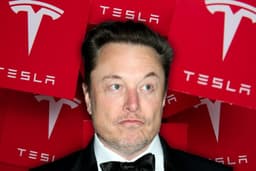
EPA Reverses Greenhouse Gas Regulation Decision

- EPA Decision Reversal: The EPA's decision to no longer regulate greenhouse gases, based on its interpretation of the Clean Air Act, could pose significant challenges for the U.S. electric vehicle market, especially as global competition in EVs intensifies.
- Decline in EV Sales: Following the removal of federal tax credits, EV sales plummeted in October, dropping from 10.3% market share in September, highlighting a disconnect between consumer demand and policy support that may hinder future market growth.
- Automaker Responses: Ford has expressed support for a unified national standard, arguing that current emissions regulations do not align with consumer choices, reflecting the automotive industry's divisions over environmental policies, particularly between EVs and traditional vehicles.
- Tesla's Position: Tesla opposes the EPA's reconsideration of the endangerment finding, asserting that this regulatory framework has provided stability for its investments in product development, warning that abandoning fuel-efficiency goals could negatively impact consumer choice and economic benefits.

Chrysler Pacifica Wins Consumer Guide Best Buy for 10th Year
- Award Recognition: Chrysler Pacifica has won the Consumer Guide Best Buy award for the 10th consecutive year, highlighting its exceptional performance in family transportation and solidifying its status as America's best-selling minivan.
- Safety Features: The Pacifica offers the most standard safety and security features in its class, including Blind-spot Monitoring and Pedestrian Automatic Emergency Braking, ensuring family safety and enhancing consumer confidence in purchasing decisions.
- Model Enhancements: The 2026 model year introduces restructured vehicle packages, including standalone eight-passenger seating and an appealing S Appearance package, increasing customer choice and potentially driving sales growth.
- Power and Efficiency: Equipped with a 3.6-liter Pentastar V-6 engine delivering 287 horsepower and paired with a nine-speed automatic transmission, the front-wheel-drive models achieve 28 mpg on the highway, showcasing strong performance and fuel efficiency to meet modern family needs.

Seeking Dividends? Explore Opportunities in Europe.


U.S. Dividend Seekers: Investors in the U.S. are encouraged to explore European markets for potential dividend opportunities.
European Market Appeal: European companies are offering attractive dividend yields, which may be appealing compared to U.S. counterparts.
Economic Factors: Factors such as currency fluctuations and economic recovery in Europe are influencing the attractiveness of these investments.
Investment Strategy: Diversifying into European dividends could enhance returns for U.S. investors seeking income.
Chrysler Pacifica Wins Consumer Guide Best Buy for 10th Year
- Award Continuity: Chrysler Pacifica has won the Consumer Guide Best Buy award for the 10th consecutive year, highlighting its exceptional performance and design in family transportation, thereby reinforcing its leadership position in the U.S. family market.
- Evaluation Criteria: The Consumer Guide editorial team employs rigorous assessment standards, including price, performance, and fuel economy, ensuring that Pacifica stands out in a competitive market, reflecting its advantages in family-friendliness and comfort.
- Market Leadership: In 2025, Chrysler's minivan lineup retained sales leadership in the U.S., with over 15 million units sold globally since Chrysler invented the segment more than 40 years ago, demonstrating its strong market influence.
- Future Outlook: In 2026, Chrysler will introduce a refreshed Pacifica, further solidifying its leadership in family transportation innovation, comfort, and capability, showcasing the brand's ongoing commitment to modern family needs.
Trump Announces Major Environmental Policy Change Impacting EV Market
- Market Reaction: Following the Trump administration's revocation of the greenhouse gas endangerment finding, shares of pure-play EV manufacturers like Tesla (TSLA), Rivian (RIVN), and Lucid (LCID) fell by as much as 5%, while traditional automakers such as General Motors (GM), Ford (F), and Stellantis (STLA) saw their stocks rise, with STLA increasing by 4% at its peak.
- Economic Impact: The EPA stated that the new final rule will save Americans over $1.3 trillion, primarily by reducing the costs of new vehicles and EV equipment purchases, potentially stimulating growth in the traditional automotive market.
- Policy Background: Trump claimed that the revoked scientific finding lacked factual and legal basis, asserting that it “severely damaged the American auto industry” and criticized existing EV promotion laws as “mandates,” which could lead to significant price increases for consumers.
- Consumer Impact: The EPA alleged that the repeal of the finding would result in average cost savings of over $2,400 per vehicle, although this could negatively affect EV sales, especially after the federal tax credit of $7,500 was eliminated last year.
Trump's Reversal of EPA Finding Impacts Auto Industry
- Policy Reversal: The EPA's decision to reverse its finding on greenhouse gas harms may boost sales of gas-guzzling vehicles but poses a significant threat to the electric vehicle market, particularly after the removal of federal tax credits, which led to a dramatic drop in EV sales in October.
- Market Reaction: According to Cox Automotive, EVs peaked at 10.3% of the new vehicle market in September, just before federal incentives ended, but sales plummeted afterward, indicating a direct impact of policy changes on consumer demand for electric vehicles.
- Industry Opposition: Automakers like Tesla oppose the EPA's decision, arguing that reversing the endangerment finding undermines the regulatory framework that supports investments in EVs, potentially harming consumer choice and economic benefits while affecting the integrated North American automotive sector.
- Future Outlook: Despite policy challenges, the market potential for EVs remains strong, as battery prices decline and the number of models increases, with experts suggesting that the commercial viability of EVs will continue to grow, albeit at a slower pace due to current regulatory headwinds.
EPA Reverses Greenhouse Gas Regulation Decision
- EPA Decision Reversal: The EPA's decision to no longer regulate greenhouse gases, based on its interpretation of the Clean Air Act, could pose significant challenges for the U.S. electric vehicle market, especially as global competition in EVs intensifies.
- Decline in EV Sales: Following the removal of federal tax credits, EV sales plummeted in October, dropping from 10.3% market share in September, highlighting a disconnect between consumer demand and policy support that may hinder future market growth.
- Automaker Responses: Ford has expressed support for a unified national standard, arguing that current emissions regulations do not align with consumer choices, reflecting the automotive industry's divisions over environmental policies, particularly between EVs and traditional vehicles.
- Tesla's Position: Tesla opposes the EPA's reconsideration of the endangerment finding, asserting that this regulatory framework has provided stability for its investments in product development, warning that abandoning fuel-efficiency goals could negatively impact consumer choice and economic benefits.
Chrysler Pacifica Wins Consumer Guide Best Buy for 10th Year
- Award Recognition: Chrysler Pacifica has won the Consumer Guide Best Buy award for the 10th consecutive year, highlighting its exceptional performance in family transportation and solidifying its status as America's best-selling minivan.
- Safety Features: The Pacifica offers the most standard safety and security features in its class, including Blind-spot Monitoring and Pedestrian Automatic Emergency Braking, ensuring family safety and enhancing consumer confidence in purchasing decisions.
- Model Enhancements: The 2026 model year introduces restructured vehicle packages, including standalone eight-passenger seating and an appealing S Appearance package, increasing customer choice and potentially driving sales growth.
- Power and Efficiency: Equipped with a 3.6-liter Pentastar V-6 engine delivering 287 horsepower and paired with a nine-speed automatic transmission, the front-wheel-drive models achieve 28 mpg on the highway, showcasing strong performance and fuel efficiency to meet modern family needs.
Seeking Dividends? Explore Opportunities in Europe.
U.S. Dividend Seekers: Investors in the U.S. are encouraged to explore European markets for potential dividend opportunities.
European Market Appeal: European companies are offering attractive dividend yields, which may be appealing compared to U.S. counterparts.
Economic Factors: Factors such as currency fluctuations and economic recovery in Europe are influencing the attractiveness of these investments.
Investment Strategy: Diversifying into European dividends could enhance returns for U.S. investors seeking income.