Citi Names SHK PPT, CK Asset, and Swire Properties as Preferred Choices; Middle East Conflict Could Channel Capital and Talent to Hong Kong, Increasing Demand for Residential and Office Spaces


Geopolitical Impact on Investment: Geopolitical instability in the Middle East may lead investors to reconsider their asset allocations, favoring "neutral" Asian financial centers like Singapore and Hong Kong.
Hong Kong's Favorable Position: With Singapore's new anti-money laundering measures and China's cautious approach to the conflict, Hong Kong is positioned to attract capital inflows, potentially increasing demand for residential and office properties.
Citi's Property Developer Picks: Citi has identified SHK PPT, CK ASSET, SWIREPROPERTIES, and Hongkong Land as top property developer picks, indicating a positive outlook for these companies.
Market Activity: The report notes significant short selling activity in Hong Kong stocks, with specific ratios provided for the mentioned property developers.
Trade with 70% Backtested Accuracy
Analyst Views on 00016

About the author


<Midday Update> HSI Declines by 876 Points; HSTI Falls by 151 Points; PING AN Drops More Than 5%; HKEX Decreases Over 3%; XIAOMI Decreases Over 3%


Market Overview: The Hang Seng Index (HSI) fell by 3.5% to 24,400, while the Hang Seng Tech Index (HSTI) and the Hang Seng China Enterprises Index (HSCEI) also experienced significant declines of 3.1%.
Active Heavyweights Performance: Major stocks like PING AN, HKEX, and XIAOMI saw substantial drops, with PING AN down 6% and HKEX down 3.9%, reflecting a trend of short selling across these companies.
Notable Declines Among Constituents: Companies such as CHINAHONGQIAO and LAOPU GOLD faced severe losses, with CHINAHONGQIAO dropping 11.7% and LAOPU GOLD down 10.7%, indicating a broader market downturn.
Short Selling Trends: A significant amount of short selling was observed, particularly in stocks like XIAOMI and AIA, with ratios exceeding 30%, highlighting investor pessimism in the current market conditions.
HSI Drops 318 Points at Noon; Energy Stocks Surge; Developers Under Pressure

Market Performance: The HSI fell by 1.2% to 25,579 points, with significant losses in the HSCEI and HSTECH, while total market turnover reached HKD131.003 billion.
Sector Highlights: Oil stocks like PETROCHINA and CNOOC saw gains of 2.4% and 3.4%, respectively, while coal stocks also performed well, with YANKUANG ENERGY rising by 8.5%.
Inflation Impact: Inflation concerns negatively affected real estate and utility stocks, with major companies like HENDERSON LAND and SHK PPT experiencing declines of over 3%.
Tech Sector Trends: Major tech stocks such as TENCENT and BABA-W faced losses, with TENCENT dropping 1.1% and BABA-W falling 2.3%, while JD-SW managed a slight increase of 0.2%.

<Midday Update> HSI Falls 318 Points; HSTI Declines by 60 Points; CMOC Drops Over 5%; CNOOC, CHINA SHENHUA, CHINA RISUN GP, QINGSONG HEALTH, YANKUANG ENERGY Reach New Peaks

Market Performance: The Hang Seng Index (HSI) fell by 318 points (1.2%) to 25,579, while the Hang Seng Tech Index (HSTI) and the Hang Seng China Enterprises Index (HSCEI) also experienced declines.
Active Heavyweights: Major stocks like Alibaba, Meituan, and Tencent saw significant drops, with Alibaba closing down 2.3% and Tencent down 1.1%, amidst high short selling activity.
Notable Movers: CMOC and Nongfu Spring were among the biggest losers, dropping over 5%, while China Risun GP and Qingsong Health achieved notable gains, with China Risun GP up 18.3%.
Short Selling Trends: The report highlighted substantial short selling across various stocks, indicating bearish sentiment in the market, particularly for companies like Meituan and Techtronic Industries.
M Stanley Selects CK ASSET as Leading Industry Choice; CN Property Buyers Acquire 2,600 Units in HK in 2M26, Marking a 91% Increase

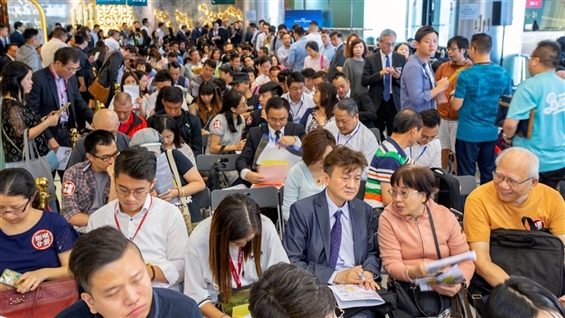
Mainland China Property Purchases: Mainland China buyers acquired 2,600 units in Hong Kong in 2M26, marking a 91% year-over-year increase, with total transactions reaching HKD28.2 billion, up 136% YoY.
Factors Driving Growth: The surge in purchases is attributed to a stronger RMB exchange rate, attractive rental yields, positive gross carry, and a recovery in property prices.
Morgan Stanley's Market Outlook: Morgan Stanley is optimistic about Hong Kong's residential market, selecting CK ASSET as its top pick with an Overweight rating, and favoring SHK PPT over HENDERSON LAND.
Short Selling Data: As of March 11, 2026, short selling data indicates significant activity in HK developers, with SHK PPT and HENDERSON LAND showing notable short selling ratios.

JPM: Market Excessively Worries About Rate Hike Effects on HK Homebuilders; Rates Anticipated to Remain Steady for the Next Year
Market Concerns: JPMorgan's research indicates worries about potential rate hikes due to inflation or geopolitical factors, which could negatively impact the Hong Kong property sector's valuations.
Interest Rate Outlook: The broker expects interest rates to remain stable for the next four quarters, allowing homebuyers to benefit from a positive interest margin, which may help the sector endure unchanged rates.
Sensitivity to Rate Changes: NEW WORLD DEV and HENDERSON LAND are identified as the most sensitive to interest rate fluctuations, while other sector fundamentals remain strong, leading to a positive outlook from JPMorgan.
Top Picks: JPMorgan's preferred stocks include SHK PPT and SINO LAND among developers, and SWIRE PROPERTIES, Hongkong Land, and HANG LUNG PPT among landlords.

Citi's Ratings and Target Prices for Hong Kong Developers (Table)

Stock Performance Overview: Various Hong Kong stocks showed mixed performance, with WHARF HOLDINGS declining by 1.505% while HENDERSON LAND and SHK PPT saw slight increases of 0.564% and 1.461%, respectively.
Short Selling Activity: Significant short selling was noted across several stocks, with SHK PPT having the highest ratio at 34.944%, indicating investor skepticism about its future performance.
Analyst Recommendations: Citi has identified SHK PPT, CK ASSET, and SWIREPROPERTIES as top picks, suggesting potential growth driven by increased demand for residential and office properties due to geopolitical factors.
Market Sentiment: HSBC Research has maintained a "Reduce" rating on NEW WORLD DEV, indicating a cautious outlook on its financial recovery amidst ongoing market challenges.
<Midday Update> HSI Declines by 876 Points; HSTI Falls by 151 Points; PING AN Drops More Than 5%; HKEX Decreases Over 3%; XIAOMI Decreases Over 3%
Market Overview: The Hang Seng Index (HSI) fell by 3.5% to 24,400, while the Hang Seng Tech Index (HSTI) and the Hang Seng China Enterprises Index (HSCEI) also experienced significant declines of 3.1%.
Active Heavyweights Performance: Major stocks like PING AN, HKEX, and XIAOMI saw substantial drops, with PING AN down 6% and HKEX down 3.9%, reflecting a trend of short selling across these companies.
Notable Declines Among Constituents: Companies such as CHINAHONGQIAO and LAOPU GOLD faced severe losses, with CHINAHONGQIAO dropping 11.7% and LAOPU GOLD down 10.7%, indicating a broader market downturn.
Short Selling Trends: A significant amount of short selling was observed, particularly in stocks like XIAOMI and AIA, with ratios exceeding 30%, highlighting investor pessimism in the current market conditions.
HSI Drops 318 Points at Noon; Energy Stocks Surge; Developers Under Pressure
Market Performance: The HSI fell by 1.2% to 25,579 points, with significant losses in the HSCEI and HSTECH, while total market turnover reached HKD131.003 billion.
Sector Highlights: Oil stocks like PETROCHINA and CNOOC saw gains of 2.4% and 3.4%, respectively, while coal stocks also performed well, with YANKUANG ENERGY rising by 8.5%.
Inflation Impact: Inflation concerns negatively affected real estate and utility stocks, with major companies like HENDERSON LAND and SHK PPT experiencing declines of over 3%.
Tech Sector Trends: Major tech stocks such as TENCENT and BABA-W faced losses, with TENCENT dropping 1.1% and BABA-W falling 2.3%, while JD-SW managed a slight increase of 0.2%.
<Midday Update> HSI Falls 318 Points; HSTI Declines by 60 Points; CMOC Drops Over 5%; CNOOC, CHINA SHENHUA, CHINA RISUN GP, QINGSONG HEALTH, YANKUANG ENERGY Reach New Peaks
Market Performance: The Hang Seng Index (HSI) fell by 318 points (1.2%) to 25,579, while the Hang Seng Tech Index (HSTI) and the Hang Seng China Enterprises Index (HSCEI) also experienced declines.
Active Heavyweights: Major stocks like Alibaba, Meituan, and Tencent saw significant drops, with Alibaba closing down 2.3% and Tencent down 1.1%, amidst high short selling activity.
Notable Movers: CMOC and Nongfu Spring were among the biggest losers, dropping over 5%, while China Risun GP and Qingsong Health achieved notable gains, with China Risun GP up 18.3%.
Short Selling Trends: The report highlighted substantial short selling across various stocks, indicating bearish sentiment in the market, particularly for companies like Meituan and Techtronic Industries.
M Stanley Selects CK ASSET as Leading Industry Choice; CN Property Buyers Acquire 2,600 Units in HK in 2M26, Marking a 91% Increase
Mainland China Property Purchases: Mainland China buyers acquired 2,600 units in Hong Kong in 2M26, marking a 91% year-over-year increase, with total transactions reaching HKD28.2 billion, up 136% YoY.
Factors Driving Growth: The surge in purchases is attributed to a stronger RMB exchange rate, attractive rental yields, positive gross carry, and a recovery in property prices.
Morgan Stanley's Market Outlook: Morgan Stanley is optimistic about Hong Kong's residential market, selecting CK ASSET as its top pick with an Overweight rating, and favoring SHK PPT over HENDERSON LAND.
Short Selling Data: As of March 11, 2026, short selling data indicates significant activity in HK developers, with SHK PPT and HENDERSON LAND showing notable short selling ratios.
JPM: Market Excessively Worries About Rate Hike Effects on HK Homebuilders; Rates Anticipated to Remain Steady for the Next Year
Market Concerns: JPMorgan's research indicates worries about potential rate hikes due to inflation or geopolitical factors, which could negatively impact the Hong Kong property sector's valuations.
Interest Rate Outlook: The broker expects interest rates to remain stable for the next four quarters, allowing homebuyers to benefit from a positive interest margin, which may help the sector endure unchanged rates.
Sensitivity to Rate Changes: NEW WORLD DEV and HENDERSON LAND are identified as the most sensitive to interest rate fluctuations, while other sector fundamentals remain strong, leading to a positive outlook from JPMorgan.
Top Picks: JPMorgan's preferred stocks include SHK PPT and SINO LAND among developers, and SWIRE PROPERTIES, Hongkong Land, and HANG LUNG PPT among landlords.
Citi's Ratings and Target Prices for Hong Kong Developers (Table)
Stock Performance Overview: Various Hong Kong stocks showed mixed performance, with WHARF HOLDINGS declining by 1.505% while HENDERSON LAND and SHK PPT saw slight increases of 0.564% and 1.461%, respectively.
Short Selling Activity: Significant short selling was noted across several stocks, with SHK PPT having the highest ratio at 34.944%, indicating investor skepticism about its future performance.
Analyst Recommendations: Citi has identified SHK PPT, CK ASSET, and SWIREPROPERTIES as top picks, suggesting potential growth driven by increased demand for residential and office properties due to geopolitical factors.
Market Sentiment: HSBC Research has maintained a "Reduce" rating on NEW WORLD DEV, indicating a cautious outlook on its financial recovery amidst ongoing market challenges.