Circle Partners with Nium to Connect Stablecoin Settlements
Circle Internet affiliate Circle Technology Services, operator of Circle Payments Network or CPN, and Nium, a provider of real-time cross-border payments infrastructure, announced a partnership to connect stablecoin settlement with last-mile global payouts. As part of the partnership, Nium joins CPN as a global payout partner, providing financial institutions on the network with direct access to Nium's payout infrastructure across more than 190 countries and in 100 currencies. With Nium now part of CPN, financial institutions can route payments through the CPN network to Nium's payout infrastructure, including access to Nium's entire portfolio of countries and currencies through a single integration. Payments using CPN will now be supported by integrated FX optimization and smart routing. Circle delivers regulated, USDC[1]-powered settlements with built-in compliance and a governed network designed for institutional use. Circle continues to scale CPN, with $8.3B in annualized transaction volume based on the trailing 30day activity as of March 31.
Trade with 70% Backtested Accuracy
Analyst Views on CRCL

About CRCL
About the author


IPO Market Heats Up, Investors Should Be Cautious


- IPO Market Revival: Cerebras Systems has successfully debuted, and SpaceX is poised to become the largest IPO, although with only about 100 companies going public compared to over 450 in 1999, indicating a cautious market sentiment.
- Performance Comparison: In 1999, over 450 companies went public with Akamai Technologies seeing a staggering 524% first-day gain, while Figma and Circle Internet had first-day gains of 250% and 168% respectively, but current performances are more muted, reflecting a shift in market sentiment.
- Investment Strategy Recommendation: Analysts suggest that investors utilize ETFs like the Vanguard S&P 500 ETF to mitigate emotional decision-making by consistently investing, thus avoiding impulsive actions during market fluctuations.
- Long-Term Return Potential: The Vanguard S&P 500 ETF has achieved an average annual return of approximately 15.5% over the past decade, and while it may not be as thrilling as investing in soaring AI stocks or hot IPOs, a long-term dollar-cost averaging strategy is considered a sound approach for wealth accumulation.

IPO Market Heats Up Amid Investment Strategies
- IPO Market Revival: The successful debut of Cerebras Systems has generated significant buzz, while SpaceX is poised to become the largest IPO in history, indicating strong investor interest in emerging tech companies, despite overall IPO numbers being lower than in 1999.
- Investment Strategy Recommendation: Analysts recommend that investors adopt a dollar-cost averaging strategy, particularly through the Vanguard S&P 500 ETF, which helps maintain stability during market fluctuations and removes emotional decision-making.
- Poor Individual Stock Performance: According to a JP Morgan study, about two-thirds of individual stocks have underperformed the Russell 3000 index since 1980, highlighting the challenges individual stocks face in recovering during market volatility and underscoring the advantages of index funds.
- Long-Term Return Potential: The Vanguard S&P 500 ETF has achieved an average annual return of approximately 15.5% over the past decade, and while it may not be as exciting as investing in soaring AI stocks, consistent dollar-cost averaging is considered a smart move in any market environment for wealth accumulation.
DTCC Selects Stellar for Tokenization of $114 Trillion in Assets

- Tokenization Initiative: The Depository Trust & Clearing Corporation (DTCC) plans to tokenize up to $114 trillion in assets by the first half of 2027, marking a significant advancement in blockchain adoption that could transform traditional financial market operations.
- Multi-Chain Strategy: DTCC's multi-chain strategy aims to connect tokenized stocks, ETFs, and Treasuries, indicating flexibility and foresight in blockchain technology applications, as Stellar is just one part of a broader initiative.
- Positive Market Reaction: Stellar's price surged over 35% within 24 hours of the announcement, reflecting market optimism regarding the collaboration between DTCC and Stellar, potentially signaling a revival in the crypto market.
- Broad Institutional Participation: Over 50 financial firms, including BlackRock, Circle, and Goldman Sachs, are involved in DTCC's tokenization efforts, demonstrating significant institutional recognition and support for blockchain technology, which further drives industry consolidation and development.

Hyperliquid Partners with Coinbase for Yield Sharing Agreement

- Yield Sharing Agreement: Hyperliquid has partnered with Coinbase, making Coinbase the USDC treasury deployer on its network, with Circle managing cross-chain infrastructure, potentially generating $135 million to $160 million in annual revenue for Hyperliquid, significantly enhancing returns for holders.
- Stablecoin Market Potential: With approximately $6.8 billion in stablecoins on the Hyperliquid network, 95% of which are USDC, the yield-sharing agreement will create a new demand source for Hype tokens, further driving price appreciation and enhancing market competitiveness.
- Utilization of Trading Fees: Hyperliquid uses 99% of trading fees to buy back Hype tokens, and combined with the new agreement's yield, holders will benefit from higher price returns, establishing a dual value capture mechanism that increases investment appeal.
- Risks and Opportunities: While the yield-sharing agreement is promising, risks remain if the Federal Reserve cuts interest rates or if competitors offer better terms, which could lead to a migration of Hyperliquid's USDC supply, necessitating careful evaluation of market risks versus potential rewards.

Hyperliquid Partners with Coinbase for Yield Sharing Agreement
- Yield Sharing Agreement: Hyperliquid's deal with Coinbase allows it to capture up to 90% of the yield from USDC deposits, translating to an estimated $135 million to $160 million in annual buybacks for its native coin Hype, significantly enhancing returns for holders.
- Stablecoin Market Impact: With approximately $6.8 billion in stablecoins on the Hyperliquid platform, 95% of which are USDC, the yield-sharing agreement provides a stable cash flow that helps maintain competitiveness during market volatility, boosting investor confidence.
- Trading Fee Mechanism: Hyperliquid employs a model that uses 99% of trading fees to buy back Hype, and the addition of this new yield stream creates a dual value capture mechanism that further drives demand for Hype, potentially increasing its market price and enhancing returns for holders.
- Market Risks and Opportunities: While the yield-sharing agreement presents a positive outlook, risks such as potential Federal Reserve interest rate cuts or competing venues offering better terms could impact Hyperliquid's USDC supply, necessitating careful risk-reward assessment by investors.
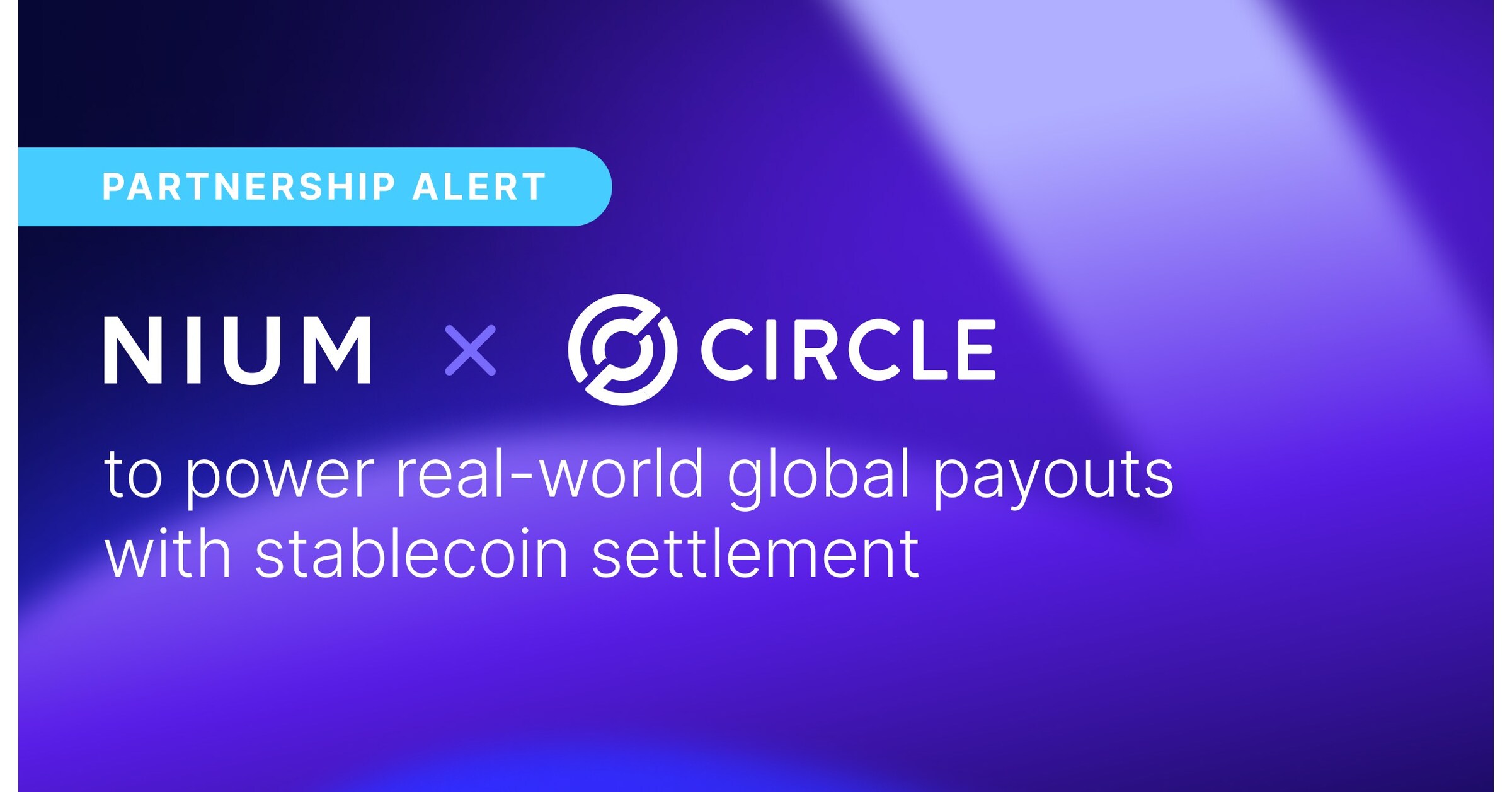
Nium Partners with Circle to Enhance Global Payments
- Global Payment Network Integration: Nium's partnership with Circle connects stablecoin settlements with last-mile global payouts across over 190 countries, enhancing payment efficiency and transparency for global businesses.
- Payment Infrastructure Optimization: By joining the Circle Payments Network, Nium enables financial institutions to directly access its payout infrastructure, supporting real-time payments in 100 currencies and streamlining cross-border payment processes.
- Compliance and Regulatory Advantages: Circle's USDC settlement tool offers built-in compliance, combined with Nium's real-time payment capabilities, allowing institutions to deliver funds quickly and securely in local currencies, thereby enhancing market competitiveness.
- Market Demand Response: As financial institutions increasingly seek stablecoin solutions for persistent payment challenges, this partnership not only addresses cross-border payment pain points but also provides a more efficient way for institutions to move money, likely driving broader adoption of USDC in global payments.
IPO Market Heats Up, Investors Should Be Cautious
- IPO Market Revival: Cerebras Systems has successfully debuted, and SpaceX is poised to become the largest IPO, although with only about 100 companies going public compared to over 450 in 1999, indicating a cautious market sentiment.
- Performance Comparison: In 1999, over 450 companies went public with Akamai Technologies seeing a staggering 524% first-day gain, while Figma and Circle Internet had first-day gains of 250% and 168% respectively, but current performances are more muted, reflecting a shift in market sentiment.
- Investment Strategy Recommendation: Analysts suggest that investors utilize ETFs like the Vanguard S&P 500 ETF to mitigate emotional decision-making by consistently investing, thus avoiding impulsive actions during market fluctuations.
- Long-Term Return Potential: The Vanguard S&P 500 ETF has achieved an average annual return of approximately 15.5% over the past decade, and while it may not be as thrilling as investing in soaring AI stocks or hot IPOs, a long-term dollar-cost averaging strategy is considered a sound approach for wealth accumulation.
IPO Market Heats Up Amid Investment Strategies
- IPO Market Revival: The successful debut of Cerebras Systems has generated significant buzz, while SpaceX is poised to become the largest IPO in history, indicating strong investor interest in emerging tech companies, despite overall IPO numbers being lower than in 1999.
- Investment Strategy Recommendation: Analysts recommend that investors adopt a dollar-cost averaging strategy, particularly through the Vanguard S&P 500 ETF, which helps maintain stability during market fluctuations and removes emotional decision-making.
- Poor Individual Stock Performance: According to a JP Morgan study, about two-thirds of individual stocks have underperformed the Russell 3000 index since 1980, highlighting the challenges individual stocks face in recovering during market volatility and underscoring the advantages of index funds.
- Long-Term Return Potential: The Vanguard S&P 500 ETF has achieved an average annual return of approximately 15.5% over the past decade, and while it may not be as exciting as investing in soaring AI stocks, consistent dollar-cost averaging is considered a smart move in any market environment for wealth accumulation.
DTCC Selects Stellar for Tokenization of $114 Trillion in Assets
- Tokenization Initiative: The Depository Trust & Clearing Corporation (DTCC) plans to tokenize up to $114 trillion in assets by the first half of 2027, marking a significant advancement in blockchain adoption that could transform traditional financial market operations.
- Multi-Chain Strategy: DTCC's multi-chain strategy aims to connect tokenized stocks, ETFs, and Treasuries, indicating flexibility and foresight in blockchain technology applications, as Stellar is just one part of a broader initiative.
- Positive Market Reaction: Stellar's price surged over 35% within 24 hours of the announcement, reflecting market optimism regarding the collaboration between DTCC and Stellar, potentially signaling a revival in the crypto market.
- Broad Institutional Participation: Over 50 financial firms, including BlackRock, Circle, and Goldman Sachs, are involved in DTCC's tokenization efforts, demonstrating significant institutional recognition and support for blockchain technology, which further drives industry consolidation and development.
Hyperliquid Partners with Coinbase for Yield Sharing Agreement
- Yield Sharing Agreement: Hyperliquid has partnered with Coinbase, making Coinbase the USDC treasury deployer on its network, with Circle managing cross-chain infrastructure, potentially generating $135 million to $160 million in annual revenue for Hyperliquid, significantly enhancing returns for holders.
- Stablecoin Market Potential: With approximately $6.8 billion in stablecoins on the Hyperliquid network, 95% of which are USDC, the yield-sharing agreement will create a new demand source for Hype tokens, further driving price appreciation and enhancing market competitiveness.
- Utilization of Trading Fees: Hyperliquid uses 99% of trading fees to buy back Hype tokens, and combined with the new agreement's yield, holders will benefit from higher price returns, establishing a dual value capture mechanism that increases investment appeal.
- Risks and Opportunities: While the yield-sharing agreement is promising, risks remain if the Federal Reserve cuts interest rates or if competitors offer better terms, which could lead to a migration of Hyperliquid's USDC supply, necessitating careful evaluation of market risks versus potential rewards.
Hyperliquid Partners with Coinbase for Yield Sharing Agreement
- Yield Sharing Agreement: Hyperliquid's deal with Coinbase allows it to capture up to 90% of the yield from USDC deposits, translating to an estimated $135 million to $160 million in annual buybacks for its native coin Hype, significantly enhancing returns for holders.
- Stablecoin Market Impact: With approximately $6.8 billion in stablecoins on the Hyperliquid platform, 95% of which are USDC, the yield-sharing agreement provides a stable cash flow that helps maintain competitiveness during market volatility, boosting investor confidence.
- Trading Fee Mechanism: Hyperliquid employs a model that uses 99% of trading fees to buy back Hype, and the addition of this new yield stream creates a dual value capture mechanism that further drives demand for Hype, potentially increasing its market price and enhancing returns for holders.
- Market Risks and Opportunities: While the yield-sharing agreement presents a positive outlook, risks such as potential Federal Reserve interest rate cuts or competing venues offering better terms could impact Hyperliquid's USDC supply, necessitating careful risk-reward assessment by investors.
Nium Partners with Circle to Enhance Global Payments
- Global Payment Network Integration: Nium's partnership with Circle connects stablecoin settlements with last-mile global payouts across over 190 countries, enhancing payment efficiency and transparency for global businesses.
- Payment Infrastructure Optimization: By joining the Circle Payments Network, Nium enables financial institutions to directly access its payout infrastructure, supporting real-time payments in 100 currencies and streamlining cross-border payment processes.
- Compliance and Regulatory Advantages: Circle's USDC settlement tool offers built-in compliance, combined with Nium's real-time payment capabilities, allowing institutions to deliver funds quickly and securely in local currencies, thereby enhancing market competitiveness.
- Market Demand Response: As financial institutions increasingly seek stablecoin solutions for persistent payment challenges, this partnership not only addresses cross-border payment pain points but also provides a more efficient way for institutions to move money, likely driving broader adoption of USDC in global payments.