CIBC Q2 Earnings Exceed Expectations Amid Higher Credit Loss Provisions
Written by Emily J. Thompson, Senior Investment Analyst
Updated: May 28 2026
0mins
Source: seekingalpha
- Net Interest Income Growth: CIBC reported net interest income of C$4.35 billion, exceeding the Visible Alpha consensus of C$4.22 billion, reflecting a 15% year-over-year increase, which highlights the bank's strong performance in a rising interest rate environment and enhances its profitability.
- Increased Credit Loss Provisions: Despite the growth in net interest income, the provision for credit losses was C$605 million, higher than the analysts' estimate of C$584 million, indicating the bank's cautious stance on potential credit risks, which may impact future profitability.
- Adjusted EPS Performance: The adjusted EPS for Q2 was C$2.54, beating the analyst estimate of C$2.45, although it declined from C$2.76 in the previous quarter, demonstrating ongoing growth in capital markets and wealth management despite some pressures.
- Asset Sale Agreement: CIBC announced the sale of its 91.7% stake in CIBC Caribbean Bank for C$1.09 billion in cash and C$703 million in Butterfield shares, which will optimize its asset portfolio and enhance capital liquidity, supporting future strategic investments.
Trade with 70% Backtested Accuracy
Stop guessing "Should I Buy CM?" and start using high-conviction signals backed by rigorous historical data.
Sign up today to access powerful investing tools and make smarter, data-driven decisions.
Analyst Views on CM
Wall Street analysts forecast CM stock price to fall
9 Analyst Rating
4 Buy
4 Hold
1 Sell
Moderate Buy
Current: 112.870

Low
86.33
Averages
94.55
High
100.97
Current: 112.870
Low
86.33
Averages
94.55
High
100.97
About CM
Canadian Imperial Bank of Commerce is a North American financial institution. The Company's segments include Canadian Personal and Business Banking, Canadian Commercial Banking and Wealth Management, U.S. Commercial Banking and Wealth Management, and Capital Markets. Canadian Personal and Business Banking segment provides personal and business clients across Canada with financial advice, services and solutions through banking centers, mobile and online channels. Canadian Commercial Banking and Wealth Management segment provides relationship-oriented banking and wealth management services. U.S. Commercial Banking and Wealth Management segment is focused on middle-market and mid-corporate companies, entrepreneurs, high-net-worth individuals and families, as well as operating personal and small business banking services in six United States markets. Capital Markets segment provides integrated global markets products and services, investment banking and corporate banking solutions.
About the author

Emily J. Thompson
Emily J. Thompson, a Chartered Financial Analyst (CFA) with 12 years in investment research, graduated with honors from the Wharton School. Specializing in industrial and technology stocks, she provides in-depth analysis for Intellectia’s earnings and market brief reports.

Canada's Banking Regulator Lowers Capital Requirements for Major Banks

- Capital Buffer Reduction: Canada's banking regulator has lowered the domestic stability buffer from 3.5% to 3.0%, marking the first change since June 2023, which is expected to release approximately CAD 74 billion in capital, enhancing banks' ability to support economic adaptation to new opportunities.
- Risk-Weighted Asset Expansion: The adjustment reduces the upper limit of the buffer range from 4% to 3%, allowing banks to deploy excess capital to support economic growth, thereby further enhancing their market competitiveness.
- Strong Capital Ratios: The six largest Canadian banks maintain an average Common Equity Tier 1 (CET1) ratio of 13.5%, significantly above the new supervisory expectation of 11.0%, demonstrating the resilience and risk-bearing capacity of the banking sector.
- Positive Market Reaction: Following the announcement, major Canadian bank stocks rose, with Canadian Imperial Bank of Commerce increasing by 1.13% to CAD 159.75, reflecting the market's positive response to the regulatory easing.
See More
CIBC Receives Approval for 30 Million Share Buyback
- Buyback Approval: Canadian Imperial Bank of Commerce (CIBC) has received approval from the Toronto Stock Exchange to repurchase and cancel up to 30 million common shares, representing approximately 3.3% of its 912.8 million issued shares.
- Repurchase Timeline: The new buyback program is set to commence on June 8, 2026, and will run until June 7, 2027, unless completed earlier or terminated by the bank, demonstrating CIBC's ongoing commitment to shareholder returns.
- Previous Buyback Completion: CIBC has successfully completed its prior buyback program, repurchasing and canceling 20 million common shares at an average price of $129.68 per share for a total of about $2.6 billion, indicating strong capital management capabilities.
- Automatic Purchase Plan: CIBC has entered into an automatic share purchase plan with CIBC Capital Markets, allowing share repurchases during periods when trading would otherwise be restricted, thereby enhancing market confidence while ensuring compliance with insider trading regulations.
See More

Financial Stocks Decline in Late Trading

- Financial Index Decline: The NYSE Financial Index fell by 0.4% during late Monday trading, indicating a weakening confidence in financial stocks that could impact investor risk appetite.
- Market Sentiment Deterioration: The broad decline in financial stocks may be linked to overall market sentiment, as increasing concerns about the economic outlook lead to capital outflows from the financial sector, affecting stock performance.
- Investor Reactions: As financial stocks decline, investors may reassess their portfolios and consider shifting towards other sectors for better returns, potentially resulting in capital outflows from the financial industry.
- Uncertain Future Outlook: The ongoing decline in financial stocks may signal increased uncertainty in the market over the coming weeks, prompting investors to closely monitor economic data and policy changes to adjust their investment strategies.
See More
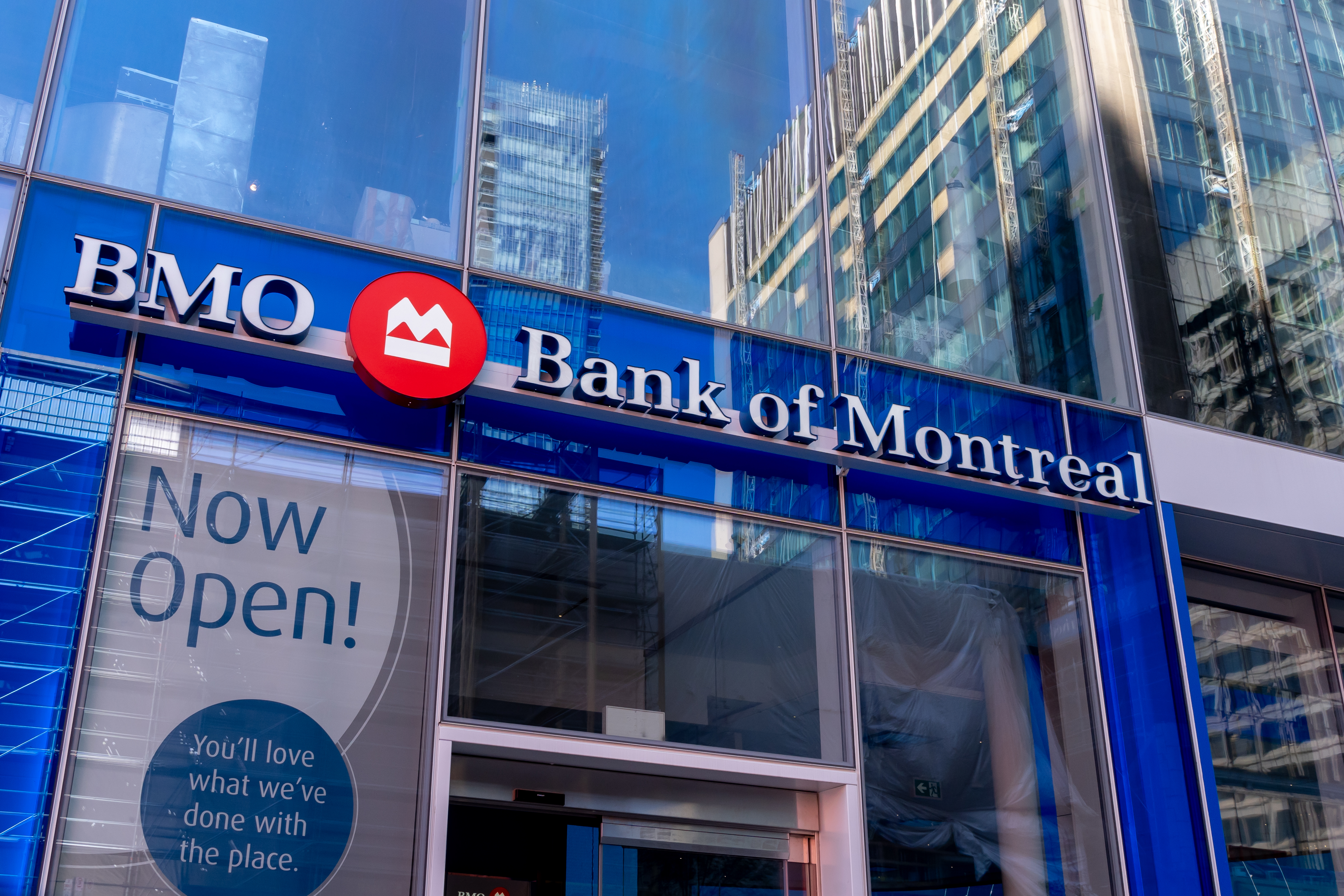
BMO Upgraded to Buy, CM Downgraded to Hold by Scotiabank

- BMO Upgrade: Bank of Montreal (BMO) was upgraded to Buy-equivalent by Scotiabank, reflecting its resilience against macroeconomic pressures and strong potential for increased lending volumes in the U.S., which is expected to enhance future profitability.
- CM Downgrade: Canadian Imperial Bank of Commerce (CM) was downgraded to Hold-equivalent, as its consistent outperformance relative to peers is anticipated to moderate in the coming quarters, indicating reduced upside in net interest margins.
- Strong Earnings Performance: In fiscal Q2 2026, all major Canadian banks reported an across-the-board EPS beat, showcasing robust performance in market-sensitive businesses and steady gains in fee-based revenue, indicating manageable credit costs at this stage of the credit cycle.
- Optimistic Future Outlook: Scotiabank maintains a positive bias on the EPS trajectory for large banks, expecting continued improvement in profitability through fiscal 2027, with National Bank of Canada identified as a top pick among large banks for potential medium-term catalysts.
See More

CIBC (CM) Q2 2026 Earnings Call Transcript
See More

Canadian Economy Continues to Struggle
- GDP Decline: The Canadian economy experienced another decline in GDP during Q1, indicating a lack of recovery momentum that may weaken investor confidence in future growth prospects.
- Weak Consumer Spending: A reduction in household spending has dampened the vitality of the consumer market, exacerbating the trend of economic slowdown and potentially impacting corporate profitability and investment decisions.
- Rising Unemployment Risk: The economic downturn could lead to an increase in unemployment rates, which in turn may affect consumer confidence and spending, creating a vicious cycle that hinders economic recovery.
- Policy Response Challenges: In light of the economic decline, the Canadian government and central bank may need to implement more stimulus measures to support growth; however, the uncertainty regarding policy effectiveness may keep the market cautious.
See More
Canada's Banking Regulator Lowers Capital Requirements for Major Banks
- Capital Buffer Reduction: Canada's banking regulator has lowered the domestic stability buffer from 3.5% to 3.0%, marking the first change since June 2023, which is expected to release approximately CAD 74 billion in capital, enhancing banks' ability to support economic adaptation to new opportunities.
- Risk-Weighted Asset Expansion: The adjustment reduces the upper limit of the buffer range from 4% to 3%, allowing banks to deploy excess capital to support economic growth, thereby further enhancing their market competitiveness.
- Strong Capital Ratios: The six largest Canadian banks maintain an average Common Equity Tier 1 (CET1) ratio of 13.5%, significantly above the new supervisory expectation of 11.0%, demonstrating the resilience and risk-bearing capacity of the banking sector.
- Positive Market Reaction: Following the announcement, major Canadian bank stocks rose, with Canadian Imperial Bank of Commerce increasing by 1.13% to CAD 159.75, reflecting the market's positive response to the regulatory easing.
See More
CIBC Receives Approval for 30 Million Share Buyback
- Buyback Approval: Canadian Imperial Bank of Commerce (CIBC) has received approval from the Toronto Stock Exchange to repurchase and cancel up to 30 million common shares, representing approximately 3.3% of its 912.8 million issued shares.
- Repurchase Timeline: The new buyback program is set to commence on June 8, 2026, and will run until June 7, 2027, unless completed earlier or terminated by the bank, demonstrating CIBC's ongoing commitment to shareholder returns.
- Previous Buyback Completion: CIBC has successfully completed its prior buyback program, repurchasing and canceling 20 million common shares at an average price of $129.68 per share for a total of about $2.6 billion, indicating strong capital management capabilities.
- Automatic Purchase Plan: CIBC has entered into an automatic share purchase plan with CIBC Capital Markets, allowing share repurchases during periods when trading would otherwise be restricted, thereby enhancing market confidence while ensuring compliance with insider trading regulations.
See More
Financial Stocks Decline in Late Trading
- Financial Index Decline: The NYSE Financial Index fell by 0.4% during late Monday trading, indicating a weakening confidence in financial stocks that could impact investor risk appetite.
- Market Sentiment Deterioration: The broad decline in financial stocks may be linked to overall market sentiment, as increasing concerns about the economic outlook lead to capital outflows from the financial sector, affecting stock performance.
- Investor Reactions: As financial stocks decline, investors may reassess their portfolios and consider shifting towards other sectors for better returns, potentially resulting in capital outflows from the financial industry.
- Uncertain Future Outlook: The ongoing decline in financial stocks may signal increased uncertainty in the market over the coming weeks, prompting investors to closely monitor economic data and policy changes to adjust their investment strategies.
See More
BMO Upgraded to Buy, CM Downgraded to Hold by Scotiabank
- BMO Upgrade: Bank of Montreal (BMO) was upgraded to Buy-equivalent by Scotiabank, reflecting its resilience against macroeconomic pressures and strong potential for increased lending volumes in the U.S., which is expected to enhance future profitability.
- CM Downgrade: Canadian Imperial Bank of Commerce (CM) was downgraded to Hold-equivalent, as its consistent outperformance relative to peers is anticipated to moderate in the coming quarters, indicating reduced upside in net interest margins.
- Strong Earnings Performance: In fiscal Q2 2026, all major Canadian banks reported an across-the-board EPS beat, showcasing robust performance in market-sensitive businesses and steady gains in fee-based revenue, indicating manageable credit costs at this stage of the credit cycle.
- Optimistic Future Outlook: Scotiabank maintains a positive bias on the EPS trajectory for large banks, expecting continued improvement in profitability through fiscal 2027, with National Bank of Canada identified as a top pick among large banks for potential medium-term catalysts.
See More
CIBC (CM) Q2 2026 Earnings Call Transcript
See More
Canadian Economy Continues to Struggle
- GDP Decline: The Canadian economy experienced another decline in GDP during Q1, indicating a lack of recovery momentum that may weaken investor confidence in future growth prospects.
- Weak Consumer Spending: A reduction in household spending has dampened the vitality of the consumer market, exacerbating the trend of economic slowdown and potentially impacting corporate profitability and investment decisions.
- Rising Unemployment Risk: The economic downturn could lead to an increase in unemployment rates, which in turn may affect consumer confidence and spending, creating a vicious cycle that hinders economic recovery.
- Policy Response Challenges: In light of the economic decline, the Canadian government and central bank may need to implement more stimulus measures to support growth; however, the uncertainty regarding policy effectiveness may keep the market cautious.
See More