Chinese Company Autoflight Challenges eVTOL Market
Written by Emily J. Thompson, Senior Investment Analyst
Updated: Apr 23 2026
0mins


Source: Fool
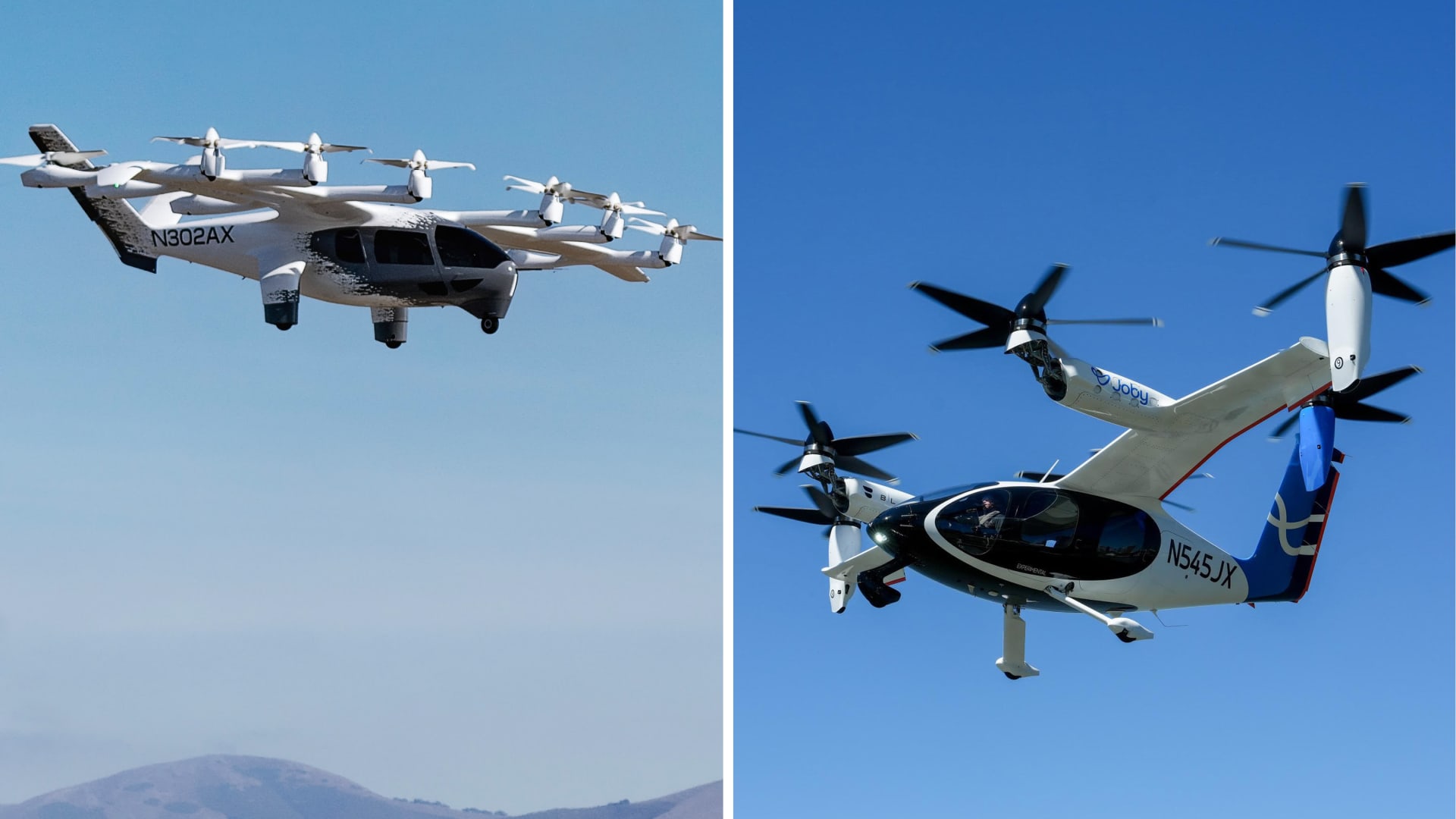
- Increased Market Competition: Chinese company Autoflight has showcased its Matrix V5000 eVTOL, capable of carrying 1.5 tons of freight, significantly surpassing Joby and Archer's 2-3 ton passenger eVTOLs, potentially dominating the freight market and posing a threat to competitors.
- Long-Distance Transport Capability: Autoflight's all-electric version offers a range of 155 miles, while its hybrid version can fly up to 930 miles, theoretically enabling nonstop flights from New York to St. Louis, which could attract markets needing long-distance freight solutions and further erode Joby and Archer's market share.
- Economies of Scale Advantage: By focusing on the freight market, Autoflight could rapidly scale up production, especially of its passenger model, likely achieving more favorable economics of scale compared to Joby and Archer, thus positioning itself advantageously in the market.
- Regulatory Challenges: Although Autoflight has yet to disclose pricing or launch dates for the Matrix V5000, regulatory hurdles in the U.S. may impose greater market pressure on Joby and Archer, prompting investors to remain vigilant about this potential market disruption.
Trade with 70% Backtested Accuracy
Stop guessing "Should I Buy JOBY?" and start using high-conviction signals backed by rigorous historical data.
Sign up today to access powerful investing tools and make smarter, data-driven decisions.
Analyst Views on JOBY
Wall Street analysts forecast JOBY stock price to rise
6 Analyst Rating
1 Buy
3 Hold
2 Sell
Hold
Current: 11.900

Low
8.00
Averages
15.67
High
22.00
Current: 11.900
Low
8.00
Averages
15.67
High
22.00
About JOBY
Joby Aviation, Inc. is a transportation company developing an all-electric, vertical take-off and landing air taxi. The Company is engaged in designing and testing a piloted all-electric, vertical take-off and landing (eVTOL) aircraft. The Joby eVTOL is designed to transport a pilot and up to four passengers or an expected payload of up to 1,000 pounds at speeds of up to 200 miles per hour (mph). The aircraft is optimized for urban routes, with a target range of up to 100 miles on a single charge. The Company plans to manufacture, own and operate its aircraft itself, building a vertically integrated transportation company that delivers transportation services to customers, including government agencies such as the United States Air Force (USAF) through sales or contracted operations, and to individual end-users through a convenient app-based aerial ridesharing service. It also offers a network of terminals and loyal flyers in markets like New York and in Southern Europe.
About the author

Emily J. Thompson
Emily J. Thompson, a Chartered Financial Analyst (CFA) with 12 years in investment research, graduated with honors from the Wharton School. Specializing in industrial and technology stocks, she provides in-depth analysis for Intellectia’s earnings and market brief reports.
Legal Battles Hinder U.S. eVTOL Industry Progress

- Legal Disputes Impact Development: Joby Aviation's lawsuit against Archer for corporate espionage has led to declining investor confidence in the eVTOL sector, with Archer's stock down 9% this year and losing over a third of its value, indicating the negative impact of legal issues on market sentiment.
- Certification Delays: Despite the Trump administration's eVTOL Integration Pilot Program aimed at accelerating industry growth, ongoing legal battles threaten to prolong certification timelines and increase costs, as warned by H2 Advisors' Mike Hirschberg, which could hinder overall industry progress.
- Intensifying Market Competition: Archer's patent infringement lawsuit against Vertical Aerospace is ongoing, with Vertical claiming the lawsuit is
See More

eVTOL Industry Faces Legal Challenges Amid Certification Delays
- Escalating Legal Disputes: Legal battles among Joby, Archer, and Vertical are intensifying, potentially derailing their certification processes and investor confidence, leading to decreased interest in the electric vertical takeoff and landing (eVTOL) market.
- Stock Price Declines: Archer's stock has dropped 9% this year, losing over a third of its value in the past year, while Vertical has plummeted nearly 58%, and Joby's stock has fallen nearly 7% this year after a 60% surge, indicating a lack of market confidence in the sector.
- Certification Delays: Despite support from Trump's eVTOL Integration Pilot Program, certification timelines are being pushed back due to legal disputes, increasing costs and potentially impacting the overall development of the industry.
- Uncertain Industry Outlook: As multiple eVTOL manufacturers face legal challenges, industry experts warn investors to prepare for a long-term investment, emphasizing that product quality matters more than certification timelines, suggesting that future market competition will be more intense.
See More
Joby Aviation Stock Rebounds, Huge Future Potential


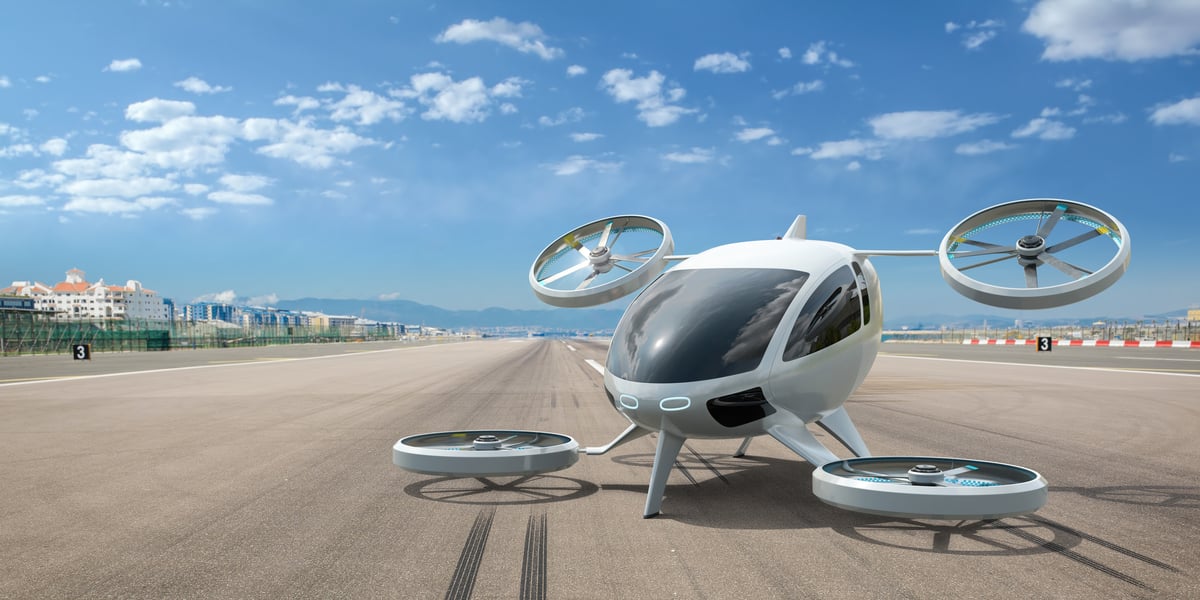
- Stock Rebound: Joby Aviation's stock, which soared to nearly $21 per share last fall, experienced a two-thirds decline but has recently started to rebound due to a well-received quarterly earnings report, currently priced at $12.30, reflecting renewed market confidence in its future.
- Revenue Beat: Despite facing significant losses in Q1, Joby reported $24 million in sales, exceeding forecasts of $20 million, indicating strong revenue growth potential and a recovery in market demand.
- Commercial Launch Plans: Management reiterated its 2026 guidance and plans to commence its first commercial service this year, which not only signals positive short-term developments but also lays a foundation for long-term growth.
- Vast Market Potential: According to Morgan Stanley's report, the total addressable market for eVTOLs could reach $1.5 trillion by 2040, and even capturing a small market share could propel Joby's market cap from $11.3 billion to over $100 billion, highlighting the potential for a tenfold increase in stock price.
See More

Joby Aviation Shares Recover Amid Positive Outlook
- Stock Recovery: Joby Aviation shares have begun to bounce back after a nearly two-thirds decline, driven by a well-received quarterly earnings report that revealed $24 million in sales, surpassing the $20 million forecast, indicating strong potential in the eVTOL market.
- Market Outlook: According to Morgan Stanley's report, the total addressable market for eVTOLs could reach $1.5 trillion by 2040, and even capturing a small market share could propel Joby's market cap from $11.3 billion to over $100 billion, nearly ten times its current stock price.
- Regulatory Progress: Joby Aviation is leading in regulatory matters, having achieved Type Inspection Authorization and participating in the White House's Integration Pilot Program, which is expected to expedite the launch of its U.S. commercial passenger service, further boosting market confidence.
- Commercial Launch Plans: Management reiterated its 2026 guidance and plans to commence its first commercial launch this year; while it remains uncertain whether the stock can sustain its upward momentum in the short term, the long-term outlook remains optimistic, potentially driving the stock toward the sell-side target price of $18.
See More
Joby Aviation Stock Rebounds, Optimistic Outlook Ahead
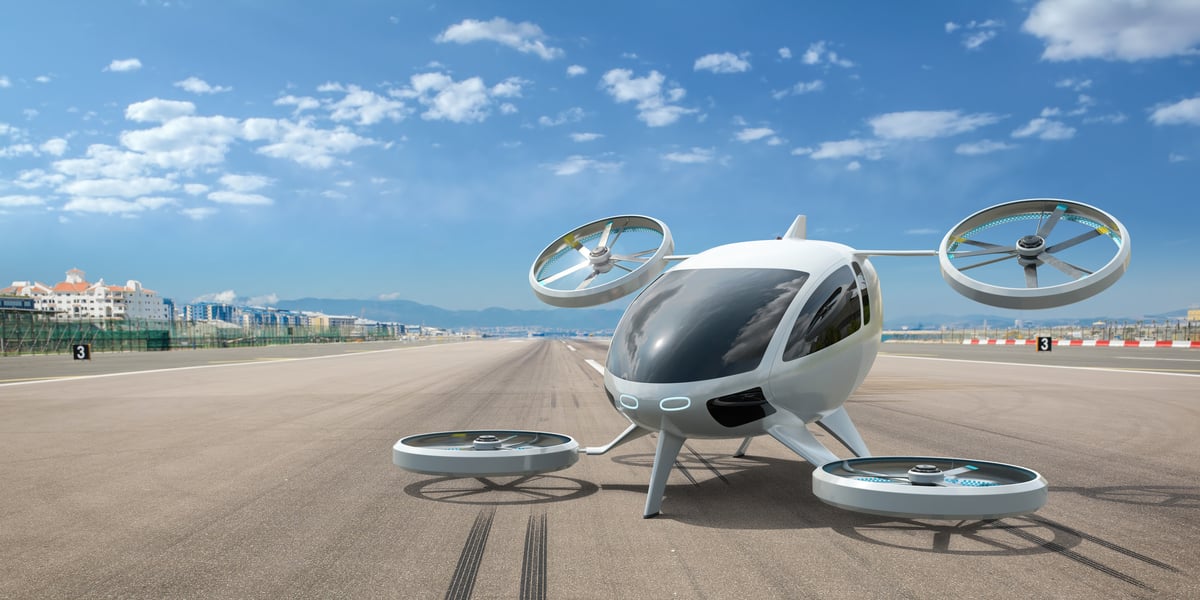
- Stock Recovery: Joby Aviation's stock, which peaked near $21 per share last fall, suffered a nearly two-thirds decline but has recently started to rebound due to a well-received quarterly earnings report, indicating renewed market confidence in its future prospects.
- Revenue Beat: Despite facing significant losses in Q1, Joby reported $24 million in sales, exceeding forecasts of $20 million, highlighting the company's revenue growth potential and strong market demand.
- Commercial Launch Plans: Joby plans to commence its first commercial service this year and has achieved Type Inspection Authorization while participating in the White House's Integration Pilot Program, further accelerating its U.S. passenger service launch and demonstrating its industry leadership.
- Massive Market Potential: According to Morgan Stanley, the total addressable market for eVTOLs could reach $1.5 trillion by 2040, and even capturing a small market share could propel Joby's market cap from $11.3 billion to over $100 billion, showcasing significant growth potential.
See More
Investor Sentiments on Joby Aviation

- Investment Outlook: Joby Aviation is viewed as a promising investment, although market sentiment remains cautious; analysts suggest that the upcoming investment wave in the drone sector could benefit Joby significantly.
- Competitive Landscape: In the drone industry, analysts indicate that other companies may present more attractive investment opportunities, especially with the presidential election potentially driving further growth in the sector.
- Industry Dynamics: Despite Joby Aviation's strong stock performance, analysts express concerns about its profitability, noting that the company is still operating at a loss, which necessitates careful evaluation of its long-term value by investors.
- Investor Confidence Boost: As interest in drone technology rises, Joby Aviation's market visibility improves, leading analysts to adopt an optimistic stance on its future investment prospects, which may attract more investor attention.
See More
Legal Battles Hinder U.S. eVTOL Industry Progress
- Legal Disputes Impact Development: Joby Aviation's lawsuit against Archer for corporate espionage has led to declining investor confidence in the eVTOL sector, with Archer's stock down 9% this year and losing over a third of its value, indicating the negative impact of legal issues on market sentiment.
- Certification Delays: Despite the Trump administration's eVTOL Integration Pilot Program aimed at accelerating industry growth, ongoing legal battles threaten to prolong certification timelines and increase costs, as warned by H2 Advisors' Mike Hirschberg, which could hinder overall industry progress.
- Intensifying Market Competition: Archer's patent infringement lawsuit against Vertical Aerospace is ongoing, with Vertical claiming the lawsuit is
See More
eVTOL Industry Faces Legal Challenges Amid Certification Delays
- Escalating Legal Disputes: Legal battles among Joby, Archer, and Vertical are intensifying, potentially derailing their certification processes and investor confidence, leading to decreased interest in the electric vertical takeoff and landing (eVTOL) market.
- Stock Price Declines: Archer's stock has dropped 9% this year, losing over a third of its value in the past year, while Vertical has plummeted nearly 58%, and Joby's stock has fallen nearly 7% this year after a 60% surge, indicating a lack of market confidence in the sector.
- Certification Delays: Despite support from Trump's eVTOL Integration Pilot Program, certification timelines are being pushed back due to legal disputes, increasing costs and potentially impacting the overall development of the industry.
- Uncertain Industry Outlook: As multiple eVTOL manufacturers face legal challenges, industry experts warn investors to prepare for a long-term investment, emphasizing that product quality matters more than certification timelines, suggesting that future market competition will be more intense.
See More
Joby Aviation Stock Rebounds, Huge Future Potential
- Stock Rebound: Joby Aviation's stock, which soared to nearly $21 per share last fall, experienced a two-thirds decline but has recently started to rebound due to a well-received quarterly earnings report, currently priced at $12.30, reflecting renewed market confidence in its future.
- Revenue Beat: Despite facing significant losses in Q1, Joby reported $24 million in sales, exceeding forecasts of $20 million, indicating strong revenue growth potential and a recovery in market demand.
- Commercial Launch Plans: Management reiterated its 2026 guidance and plans to commence its first commercial service this year, which not only signals positive short-term developments but also lays a foundation for long-term growth.
- Vast Market Potential: According to Morgan Stanley's report, the total addressable market for eVTOLs could reach $1.5 trillion by 2040, and even capturing a small market share could propel Joby's market cap from $11.3 billion to over $100 billion, highlighting the potential for a tenfold increase in stock price.
See More
Joby Aviation Shares Recover Amid Positive Outlook
- Stock Recovery: Joby Aviation shares have begun to bounce back after a nearly two-thirds decline, driven by a well-received quarterly earnings report that revealed $24 million in sales, surpassing the $20 million forecast, indicating strong potential in the eVTOL market.
- Market Outlook: According to Morgan Stanley's report, the total addressable market for eVTOLs could reach $1.5 trillion by 2040, and even capturing a small market share could propel Joby's market cap from $11.3 billion to over $100 billion, nearly ten times its current stock price.
- Regulatory Progress: Joby Aviation is leading in regulatory matters, having achieved Type Inspection Authorization and participating in the White House's Integration Pilot Program, which is expected to expedite the launch of its U.S. commercial passenger service, further boosting market confidence.
- Commercial Launch Plans: Management reiterated its 2026 guidance and plans to commence its first commercial launch this year; while it remains uncertain whether the stock can sustain its upward momentum in the short term, the long-term outlook remains optimistic, potentially driving the stock toward the sell-side target price of $18.
See More
Joby Aviation Stock Rebounds, Optimistic Outlook Ahead
- Stock Recovery: Joby Aviation's stock, which peaked near $21 per share last fall, suffered a nearly two-thirds decline but has recently started to rebound due to a well-received quarterly earnings report, indicating renewed market confidence in its future prospects.
- Revenue Beat: Despite facing significant losses in Q1, Joby reported $24 million in sales, exceeding forecasts of $20 million, highlighting the company's revenue growth potential and strong market demand.
- Commercial Launch Plans: Joby plans to commence its first commercial service this year and has achieved Type Inspection Authorization while participating in the White House's Integration Pilot Program, further accelerating its U.S. passenger service launch and demonstrating its industry leadership.
- Massive Market Potential: According to Morgan Stanley, the total addressable market for eVTOLs could reach $1.5 trillion by 2040, and even capturing a small market share could propel Joby's market cap from $11.3 billion to over $100 billion, showcasing significant growth potential.
See More
Investor Sentiments on Joby Aviation
- Investment Outlook: Joby Aviation is viewed as a promising investment, although market sentiment remains cautious; analysts suggest that the upcoming investment wave in the drone sector could benefit Joby significantly.
- Competitive Landscape: In the drone industry, analysts indicate that other companies may present more attractive investment opportunities, especially with the presidential election potentially driving further growth in the sector.
- Industry Dynamics: Despite Joby Aviation's strong stock performance, analysts express concerns about its profitability, noting that the company is still operating at a loss, which necessitates careful evaluation of its long-term value by investors.
- Investor Confidence Boost: As interest in drone technology rises, Joby Aviation's market visibility improves, leading analysts to adopt an optimistic stance on its future investment prospects, which may attract more investor attention.
See More