China's Major Assets in the AI Competition with the U.S.: Large Huawei Chip Clusters and Affordable Energy


China's AI Development: Despite U.S. restrictions on advanced semiconductors, China continues to advance in AI by utilizing homegrown chips and leveraging its abundant cheap energy, particularly through Huawei's chip clusters.
Huawei's Strategy: Huawei's approach involves connecting multiple Ascend chips to create high-performance clusters that can rival Nvidia's systems, although this results in higher power consumption.
Energy Advantage: China's investments in renewable and nuclear energy provide a cost-effective solution for powering large-scale AI infrastructure, allowing it to offset the inefficiencies of using less advanced chips.
Semiconductor Challenges: While China is striving for self-sufficiency in semiconductor production, it faces significant challenges due to export controls limiting access to advanced manufacturing technologies, hindering its ability to keep pace with global leaders like Nvidia and TSMC.
Trade with 70% Backtested Accuracy
Analyst Views on ASML

About ASML
About the author

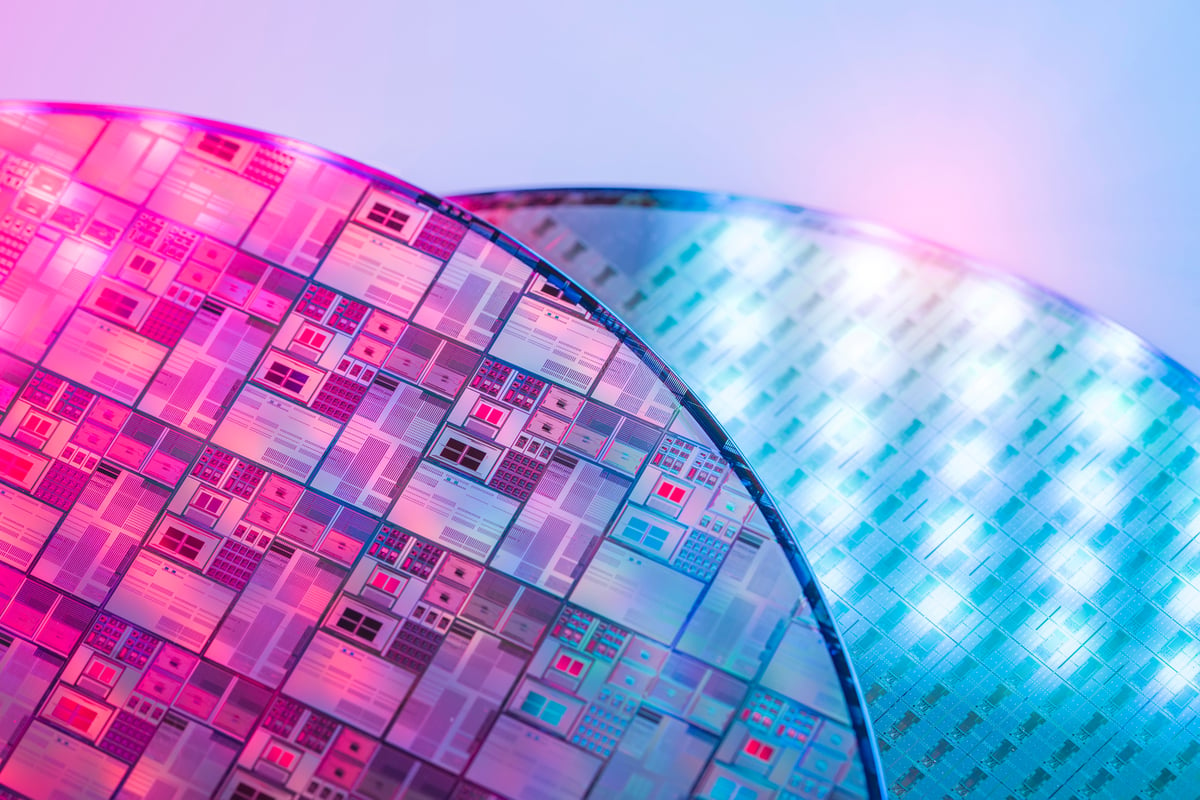
ASML Holding Thrives Amid Soaring Semiconductor Demand
- Surging Demand: ASML's Q1 revenue increased by 13% year-over-year, surpassing management expectations, indicating strong demand for its lithography machines, with a projected 16% growth for 2026, suggesting sustained strong performance in the semiconductor market.
- Major Orders: SK Hynix and Samsung Electronics placed orders worth approximately $8 billion each for extreme ultraviolet machines in the past month, and Samsung also ordered 50 older lithography machines, further boosting ASML's revenue growth.
- Increased Capital Expenditures: Micron Technology plans to expand its capital expenditures to $25 billion in 2026, reflecting a strong investment sentiment in the semiconductor industry, which will likely lead to more orders for ASML and reinforce its market position.
- Long-Term Growth Outlook: ASML's management targets revenue of €44 billion to €60 billion by 2030, and given the current market demand, it is expected to approach or exceed this target, highlighting the company's strong growth potential in both logic and memory chip sectors.

ASML Sees Surge in Semiconductor Equipment Demand
- Earnings Beat: ASML's first-quarter revenue rose 13% year-over-year, surpassing management's expectations, indicating robust market demand, with a projected acceleration in revenue growth for 2026, guided at a midpoint of 16%, showcasing the company's strong position in the semiconductor industry.
- Large Orders Surge: SK Hynix and Samsung Electronics placed orders worth approximately €8 billion each for extreme ultraviolet machines in the past month, while Samsung also ordered 50 older lithography machines, further driving ASML's revenue growth.
- Increased Capital Expenditures: Micron Technology plans to expand its capital expenditures to $25 billion in 2026, while Taiwan Semiconductor Manufacturing aims to spend closer to the high end of its €52 billion to €56 billion guidance, both of which will provide ASML with sustained orders and revenue growth.
- Long-Term Growth Outlook: ASML's management set a revenue target of €44 billion to €60 billion by 2030 during the 2024 investor day, and with the growing demand for both logic and memory chips, it is expected to reach or exceed this target, highlighting the company's monopolistic position in the semiconductor equipment market.

U.S. Stocks Decline Amid Geopolitical Tensions and Earnings Strength


- Geopolitical Tensions: Stalled peace negotiations between the U.S. and Iran have led to rising oil prices, raising fresh concerns about inflation and global economic growth, as investors balance strong corporate earnings against geopolitical uncertainties.
- Earnings Performance: Verizon (VZ) reported a better-than-expected Q1, while Domino's Pizza (DPZ) posted disappointing results and announced an additional $1 billion share repurchase program, highlighting the varied market reactions to different companies.
- Acquisition Activity: Shell (SHEL) agreed to acquire ARC Resources (AETUF) for C$32.80 per share, while China blocked Meta's (META) acquisition of AI startup Manus, reflecting the complexities of the global M&A landscape.
- Market Index Fluctuations: Near midday, the Dow was down 0.25%, the Nasdaq down 0.28%, and the S&P 500 down 0.14%, indicating the market's sensitive response to geopolitical tensions and economic data.

US Stocks Fluctuate Slightly, Tech Stocks Reach New All-Time Highs


- Tech Stock Surge: The S&P 500 and Nasdaq 100 indices rose by 0.12% and 0.01% respectively on Monday, reaching all-time highs, reflecting strong market optimism regarding AI infrastructure demand, which is expected to boost technology earnings.
- Oil Price Impact: WTI crude oil prices surged over 2%, exerting downward pressure on the market as President Trump canceled negotiations with Iran, raising inflation expectations that could affect the broader economic landscape.
- Rising Treasury Yields: The 10-year Treasury yield increased to 4.337% due to rising inflation expectations from higher oil prices, with markets anticipating the Fed will keep rates unchanged this week while awaiting further developments in oil prices and inflation.
- Health Insurance Stocks Rally: Health insurance stocks such as Centene, Elevance Health, and Humana all rose over 3% on Monday, providing support to the overall market and demonstrating resilience in the sector amid the current economic environment.
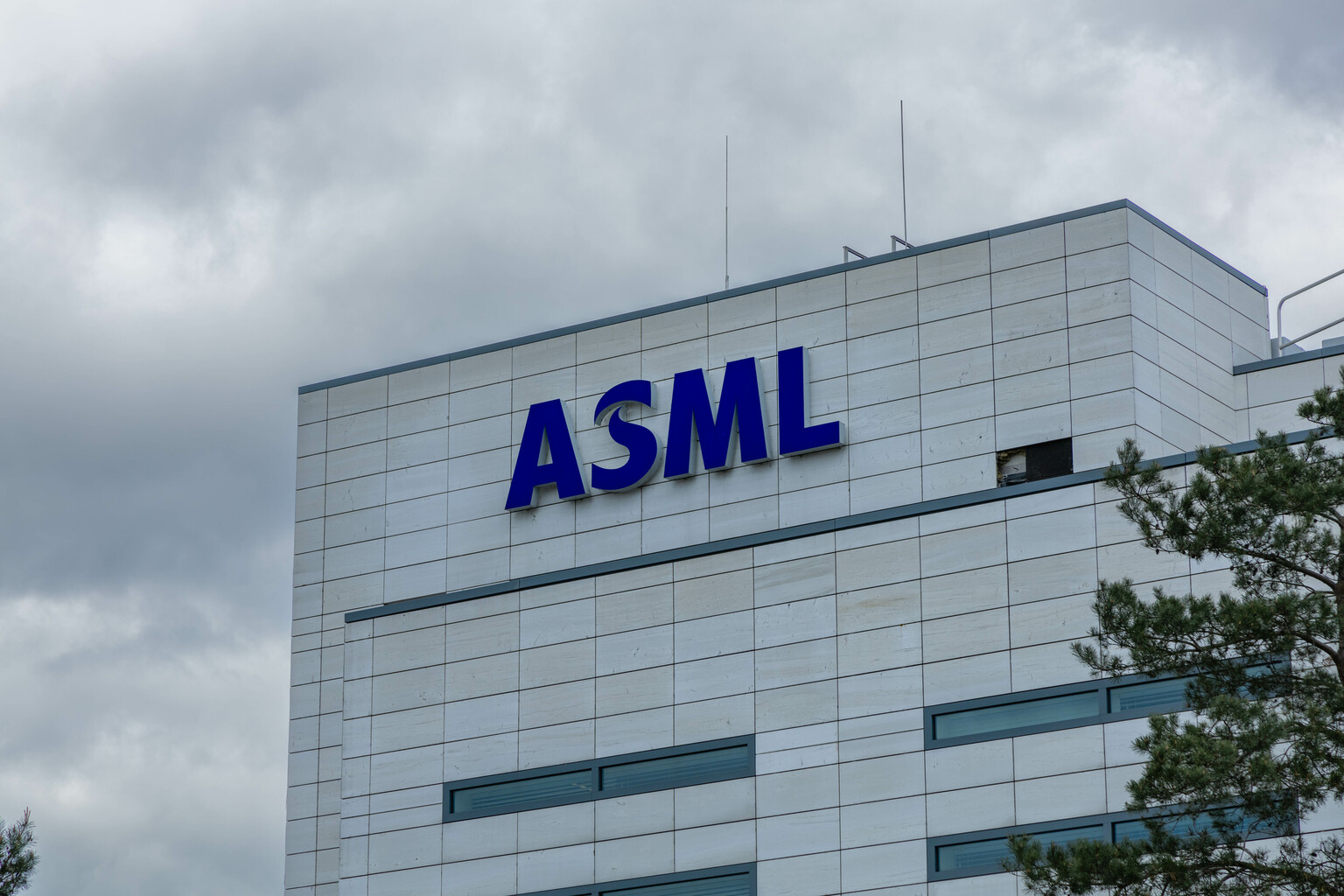
ASML Accelerates Semiconductor Equipment Production to Meet AI Demand
- Capacity Enhancement Measures: ASML is significantly increasing its semiconductor manufacturing equipment production capacity through various initiatives, including building new facilities, repurposing existing clean rooms, and hiring more engineers, to address customer demand bottlenecks during the rapid expansion of artificial intelligence infrastructure.
- EUV Machine Production Plans: The company expects to produce at least 60 standard extreme ultraviolet (EUV) chip-making machines in 2026, with a target of at least 80 in 2027, marking a substantial increase from the average of 44.2 machines produced annually over the past five years.
- New EUV Machine Development: ASML is developing a new series of EUV machines that are expected to produce 10 more wafers per hour, with each unit estimated to cost around $400 million; however, analysts believe that the strong market demand will mitigate any negative impact from Taiwan Semiconductor Manufacturing's delay in purchasing these machines until 2029.
- Sales Forecast Upgrade: ASML has raised its full-year sales forecast for 2026 to a range of $42 billion to $47 billion, a significant increase from $38.13 billion in 2025, reflecting the company's robust performance and market confidence amid the AI boom.

Taiwan Semiconductor and ASML Show Strong Resilience

- Market Dominance of TSMC: Taiwan Semiconductor holds a 70% share in the semiconductor foundry market, and in Q1 2023, it reported a 35% year-over-year revenue increase and a 58% profit surge, reflecting strong market demand and profitability.
- Future Growth Expectations: Analysts anticipate TSMC will achieve 9% to 11% revenue growth in Q2, with 98% of analysts rating it as a buy and a price target of $456 per share, indicating a potential 20% upside over the next year.
- ASML's Market Position: ASML focuses on manufacturing lithography machines for semiconductors, and despite TSMC's announcement to delay new equipment purchases, ASML still achieved a 13% revenue increase and a 17% profit rise in Q1, underscoring its significance in the industry.
- Optimistic Analyst Ratings: ASML stock is rated a buy by 82% of analysts, with a price target of $1,775 per share, suggesting a 26% upside over the next 12 months; despite its high P/E ratio, market demand remains robust.
ASML Holding Thrives Amid Soaring Semiconductor Demand
- Surging Demand: ASML's Q1 revenue increased by 13% year-over-year, surpassing management expectations, indicating strong demand for its lithography machines, with a projected 16% growth for 2026, suggesting sustained strong performance in the semiconductor market.
- Major Orders: SK Hynix and Samsung Electronics placed orders worth approximately $8 billion each for extreme ultraviolet machines in the past month, and Samsung also ordered 50 older lithography machines, further boosting ASML's revenue growth.
- Increased Capital Expenditures: Micron Technology plans to expand its capital expenditures to $25 billion in 2026, reflecting a strong investment sentiment in the semiconductor industry, which will likely lead to more orders for ASML and reinforce its market position.
- Long-Term Growth Outlook: ASML's management targets revenue of €44 billion to €60 billion by 2030, and given the current market demand, it is expected to approach or exceed this target, highlighting the company's strong growth potential in both logic and memory chip sectors.
ASML Sees Surge in Semiconductor Equipment Demand
- Earnings Beat: ASML's first-quarter revenue rose 13% year-over-year, surpassing management's expectations, indicating robust market demand, with a projected acceleration in revenue growth for 2026, guided at a midpoint of 16%, showcasing the company's strong position in the semiconductor industry.
- Large Orders Surge: SK Hynix and Samsung Electronics placed orders worth approximately €8 billion each for extreme ultraviolet machines in the past month, while Samsung also ordered 50 older lithography machines, further driving ASML's revenue growth.
- Increased Capital Expenditures: Micron Technology plans to expand its capital expenditures to $25 billion in 2026, while Taiwan Semiconductor Manufacturing aims to spend closer to the high end of its €52 billion to €56 billion guidance, both of which will provide ASML with sustained orders and revenue growth.
- Long-Term Growth Outlook: ASML's management set a revenue target of €44 billion to €60 billion by 2030 during the 2024 investor day, and with the growing demand for both logic and memory chips, it is expected to reach or exceed this target, highlighting the company's monopolistic position in the semiconductor equipment market.
U.S. Stocks Decline Amid Geopolitical Tensions and Earnings Strength
- Geopolitical Tensions: Stalled peace negotiations between the U.S. and Iran have led to rising oil prices, raising fresh concerns about inflation and global economic growth, as investors balance strong corporate earnings against geopolitical uncertainties.
- Earnings Performance: Verizon (VZ) reported a better-than-expected Q1, while Domino's Pizza (DPZ) posted disappointing results and announced an additional $1 billion share repurchase program, highlighting the varied market reactions to different companies.
- Acquisition Activity: Shell (SHEL) agreed to acquire ARC Resources (AETUF) for C$32.80 per share, while China blocked Meta's (META) acquisition of AI startup Manus, reflecting the complexities of the global M&A landscape.
- Market Index Fluctuations: Near midday, the Dow was down 0.25%, the Nasdaq down 0.28%, and the S&P 500 down 0.14%, indicating the market's sensitive response to geopolitical tensions and economic data.
US Stocks Fluctuate Slightly, Tech Stocks Reach New All-Time Highs
- Tech Stock Surge: The S&P 500 and Nasdaq 100 indices rose by 0.12% and 0.01% respectively on Monday, reaching all-time highs, reflecting strong market optimism regarding AI infrastructure demand, which is expected to boost technology earnings.
- Oil Price Impact: WTI crude oil prices surged over 2%, exerting downward pressure on the market as President Trump canceled negotiations with Iran, raising inflation expectations that could affect the broader economic landscape.
- Rising Treasury Yields: The 10-year Treasury yield increased to 4.337% due to rising inflation expectations from higher oil prices, with markets anticipating the Fed will keep rates unchanged this week while awaiting further developments in oil prices and inflation.
- Health Insurance Stocks Rally: Health insurance stocks such as Centene, Elevance Health, and Humana all rose over 3% on Monday, providing support to the overall market and demonstrating resilience in the sector amid the current economic environment.
ASML Accelerates Semiconductor Equipment Production to Meet AI Demand
- Capacity Enhancement Measures: ASML is significantly increasing its semiconductor manufacturing equipment production capacity through various initiatives, including building new facilities, repurposing existing clean rooms, and hiring more engineers, to address customer demand bottlenecks during the rapid expansion of artificial intelligence infrastructure.
- EUV Machine Production Plans: The company expects to produce at least 60 standard extreme ultraviolet (EUV) chip-making machines in 2026, with a target of at least 80 in 2027, marking a substantial increase from the average of 44.2 machines produced annually over the past five years.
- New EUV Machine Development: ASML is developing a new series of EUV machines that are expected to produce 10 more wafers per hour, with each unit estimated to cost around $400 million; however, analysts believe that the strong market demand will mitigate any negative impact from Taiwan Semiconductor Manufacturing's delay in purchasing these machines until 2029.
- Sales Forecast Upgrade: ASML has raised its full-year sales forecast for 2026 to a range of $42 billion to $47 billion, a significant increase from $38.13 billion in 2025, reflecting the company's robust performance and market confidence amid the AI boom.
Taiwan Semiconductor and ASML Show Strong Resilience
- Market Dominance of TSMC: Taiwan Semiconductor holds a 70% share in the semiconductor foundry market, and in Q1 2023, it reported a 35% year-over-year revenue increase and a 58% profit surge, reflecting strong market demand and profitability.
- Future Growth Expectations: Analysts anticipate TSMC will achieve 9% to 11% revenue growth in Q2, with 98% of analysts rating it as a buy and a price target of $456 per share, indicating a potential 20% upside over the next year.
- ASML's Market Position: ASML focuses on manufacturing lithography machines for semiconductors, and despite TSMC's announcement to delay new equipment purchases, ASML still achieved a 13% revenue increase and a 17% profit rise in Q1, underscoring its significance in the industry.
- Optimistic Analyst Ratings: ASML stock is rated a buy by 82% of analysts, with a price target of $1,775 per share, suggesting a 26% upside over the next 12 months; despite its high P/E ratio, market demand remains robust.